Why Sustainable Rain Jackets Are Worth the Investment in 2026
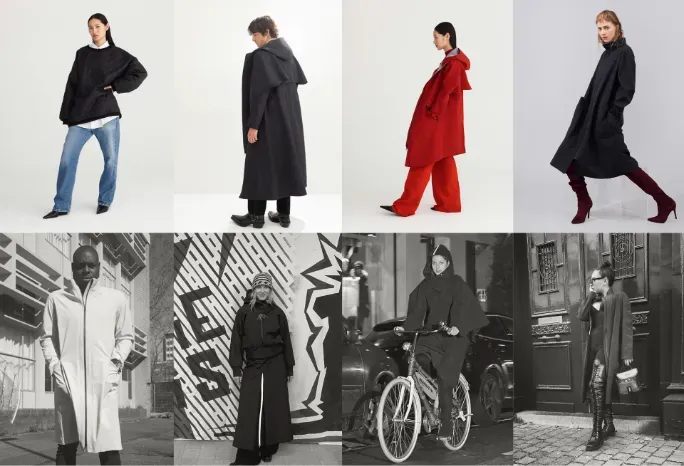
In 2026, the way we think about outerwear has shifted. Rain is no longer just something to endure—it’s a daily reality that demands smarter solutions. Choosing sustainable rain jackets is no longer a niche preference. It is a practical decision that delivers better value over time, superior comfort, and a clearer conscience.
Why Sustainable Rain Jackets Deliver Long-Term Value
The first reason these pieces justify their price is durability. Conventional rainwear often uses cheaper materials and finishes that break down after a few seasons of regular use. In contrast, well-made sustainable options are built with higher-grade recycled technical fabrics and stronger construction. They resist wear, maintain waterproof performance longer, and keep their shape. When a jacket lasts five or more years instead of two, the cost per wear drops significantly. That is real financial sense.
Performance That Matches Modern Expectations
Today’s weather demands more than basic water resistance. Sustainable rain jackets combine high waterproof ratings with genuine breathability, so you stay dry from the outside without overheating from the inside. This balance is especially valuable during active use—walking, commuting, or cycling. Many conventional jackets trap moisture, leaving you damp and uncomfortable. Better materials and membranes solve that problem while remaining lightweight and easy to move in. The result is outerwear you actually reach for, not something that stays in the closet until the heaviest downpour.
Environmental Responsibility Without Compromise
Fashion’s impact on the planet is no longer easy to ignore. Traditional rainwear frequently relies on virgin plastics and chemical finishes that raise long-term concerns. Sustainable rain jackets typically use recycled polyester, innovative fibres such as those made from coffee grounds, and PFAS-free treatments. These choices reduce reliance on new fossil resources and lower the overall footprint of the garment. When production also follows responsible labour standards in certified facilities, the positive effect multiplies. In 2026, more people expect their clothing to reflect their values—and these jackets meet that expectation without sacrificing function.
Style That Works Beyond the Rain
Another quiet advantage is design. Older rain jackets often looked purely technical or bulky. Current sustainable versions prioritise clean lines and wearable silhouettes. They layer easily over everyday clothes and transition from daytime errands to evening plans without looking out of place. This versatility increases the number of occasions you will use the jacket, further improving its value. When something performs well and looks good, it becomes part of your regular rotation rather than an emergency-only item.
The True Cost of Cheap Alternatives
It is tempting to choose the lowest-priced option. Yet frequent replacement, reduced comfort, and poorer environmental outcomes add up. A jacket that fails after one hard winter or becomes uncomfortable after short wear creates ongoing expense and frustration. Investing once in a thoughtfully made piece removes that cycle. You gain reliable protection, fewer replacements, and the satisfaction of supporting better manufacturing practices. Over several years, the higher initial cost is often recovered through longevity alone.
Looking ahead, the case for better rainwear only grows stronger. Weather patterns remain unpredictable, material innovation continues, and consumer expectations around responsibility keep rising. Choosing quality that lasts is both practical and forward-looking.
Conclusion
In 2026, choosing better outerwear is no longer just about staying dry—it’s about making a decision that pays off over time. Sustainable rain jackets offer lasting quality, reliable performance, and a meaningfully lower environmental impact. When durability, comfort, and responsibility come together in one piece, the higher initial investment quickly makes sense. BYBROWN continues to show how thoughtful design can turn everyday rainwear into something truly worthwhile.
Frequently Asked Questions
How do I know if a rain jacket’s sustainability claims are genuine?
Look for clear information on recycled content percentages, third-party certifications such as bluesign, and transparent production details rather than vague marketing language.
Will a sustainable rain jacket feel different to wear than a conventional one?
Many people notice improved breathability and a lighter, less restrictive feel because higher-quality technical fabrics manage moisture more effectively.
Are sustainable rain jackets suitable for very wet climates?
Yes, when they feature strong waterproof ratings (typically 15,000 mm or higher) combined with proper seam construction and reliable membrane technology.
How should I care for a sustainable rain jacket to maximise its lifespan?
Follow the care label, avoid fabric softeners, and reapply a PFAS-free water-repellent treatment when needed to maintain performance over time.
Is it better to buy one high-quality jacket or several cheaper ones?
One well-made piece that lasts multiple seasons usually offers better overall value, comfort, and reduced environmental impact than frequent replacements.