How Councils Use Outdoor Fitness for Active Living?
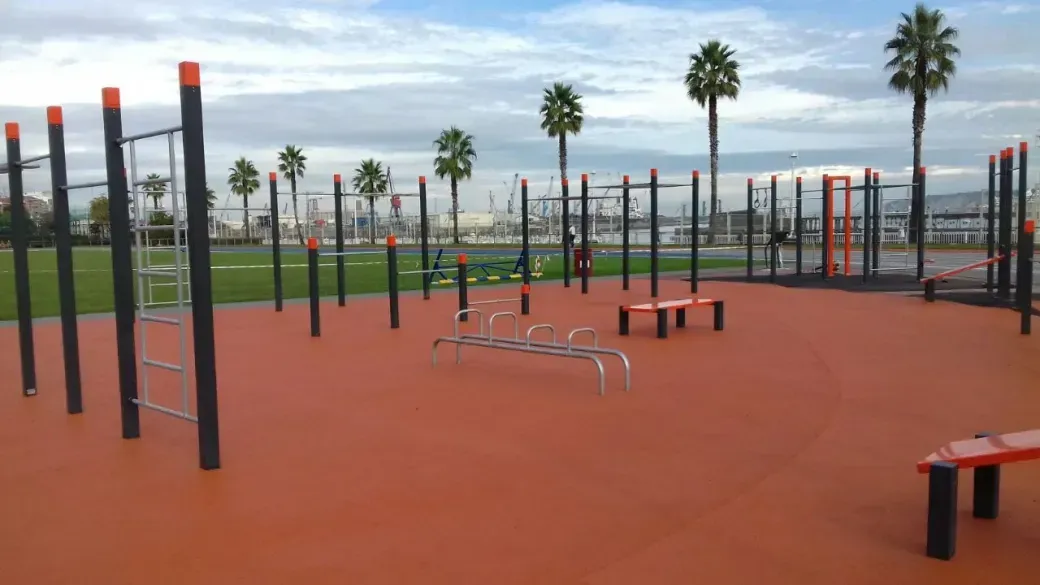
Across the UK, Australia, and many developed regions, physical inactivity has become a significant public health challenge. Sedentary habits contribute to chronic conditions like obesity, cardiovascular disease, and diabetes, which place heavy pressure on modern healthcare systems. Local councils possess a unique opportunity to lead change by designing environments that naturally encourage movement.
One of the most effective solutions is the integration of durable fitness infrastructure within public parks. By investing in accessible outdoor fitness equipment, councils can build spaces that support regular exercise for residents of all ages. These installations transform quiet green spaces into active hubs, making physical health more approachable and inclusive.
Why Active Communities Are a Priority for Modern Councils
The Public Health Challenge
Physical inactivity is a leading risk factor for global mortality. The World Health Organization (WHO) recommends that adults achieve at least 150 minutes of moderate-intensity activity each week. However, a large portion of the population struggles to meet these goals due to various barriers.
Local governments can bridge this gap by providing environments where movement is part of daily life. Accessible outdoor gyms remove common obstacles such as high membership costs, travel time, and the intimidation of traditional indoor gym settings.
Economic and Social Impact
Encouraging active lifestyles does more than just improve physical fitness. It leads to lower healthcare costs, better mental health outcomes, and stronger social bonds. Public exercise zones create organic opportunities for residents to interact, fostering a sense of belonging while supporting long-term preventive health strategies.
Understanding Outdoor Fitness Infrastructure
Outdoor fitness equipment consists of purpose-built exercise stations located in areas like parks, waterfronts, and recreational trails. These installations typically fall into two categories. Static equipment focuses on strength and resistance through bodyweight exercises, while dynamic equipment supports cardiovascular health and coordination.
The primary advantage for councils is the high return on community wellness. These facilities are free for the public, require minimal maintenance compared to indoor leisure centers, and encourage spontaneous participation. People are much more likely to exercise when the opportunity is integrated into their local landscape.
Strategic Benefits of Investing in Public Fitness Zones
· Promotes Inclusive and Accessible Health: Well-planned equipment serves a diverse demographic, including teenagers, seniors, and individuals with varying physical abilities. This commitment to inclusive design ensures that public funding benefits every resident.
· Activates Underused Public Spaces: Many urban areas have "dead zones" or quiet park corners. Introducing fitness stations revitalizes these locations, increasing foot traffic and improving natural surveillance and safety.
· Strengthens Community Engagement: Outdoor gyms often become social landmarks. Informal training groups and community-led fitness classes frequently form around these sites, building a more connected local culture.
· Aligns with National Health Goals: Organizations such as the NHS emphasize the importance of community-based interventions. By installing professional-grade equipment, councils meet regional health targets and contribute to a culture of wellness.
Best Practices for Successful Implementation
Site Selection and Planning
Location is the most critical factor for success. High-visibility areas with easy pedestrian access and proximity to residential zones see the highest usage. Integrating these stations near existing walking paths or playgrounds ensures they are used by families and commuters alike.
Choosing the Right Equipment Mix
A balanced layout allows for full-body workouts. Councils should prioritize a variety of stations that target strength, flexibility, and cardiovascular endurance. High-quality materials are essential to withstand local weather conditions and heavy daily use.
Safety and Compliance
Safety is a non-negotiable priority. All installations must meet rigorous standards, such as those set by British Standards (EN 16630) for permanently installed outdoor fitness equipment. Regular maintenance checks ensure the longevity of the equipment and the safety of the users.
Measuring Impact and Long-Term Value
To determine the success of an installation, councils can track several key performance indicators. These include manual or digital usage counts, community surveys, and participation rates in organized park events.
While the initial cost is an investment, the long-term value is undeniable. Increased physical activity leads to a healthier, more productive workforce and a reduction in the long-term burden on local medical services.
Future Trends: Smart Cities and Wellness
The future of outdoor fitness includes "smart" solutions, such as equipment with QR codes that link to instructional videos or apps that track progress. As urban planning moves toward "wellness-first" cities, these fitness hubs will become as essential as street lighting and paved footpaths.
Frequently Asked Questions
What is the purpose of outdoor fitness equipment in parks?
It provides free, high-quality exercise options that allow residents to perform strength and cardio training in a natural environment without the need for a gym membership.
How does it benefit local government?
It helps councils meet public health mandates, reduces healthcare strain, improves community safety through increased park usage, and provides a visible commitment to resident wellbeing.
Is the equipment durable enough for all weather?
Professional outdoor equipment is manufactured using galvanized steel and weather-resistant coatings, specifically designed to withstand rain, UV exposure, and heavy public use for many years.
Can seniors use these facilities?
Absolutely. Many stations are designed specifically for low-impact mobility and balance, which are crucial for maintaining independence in older age groups.