Broken Garage Door: Common Causes, Warning Signs, and Repair Options
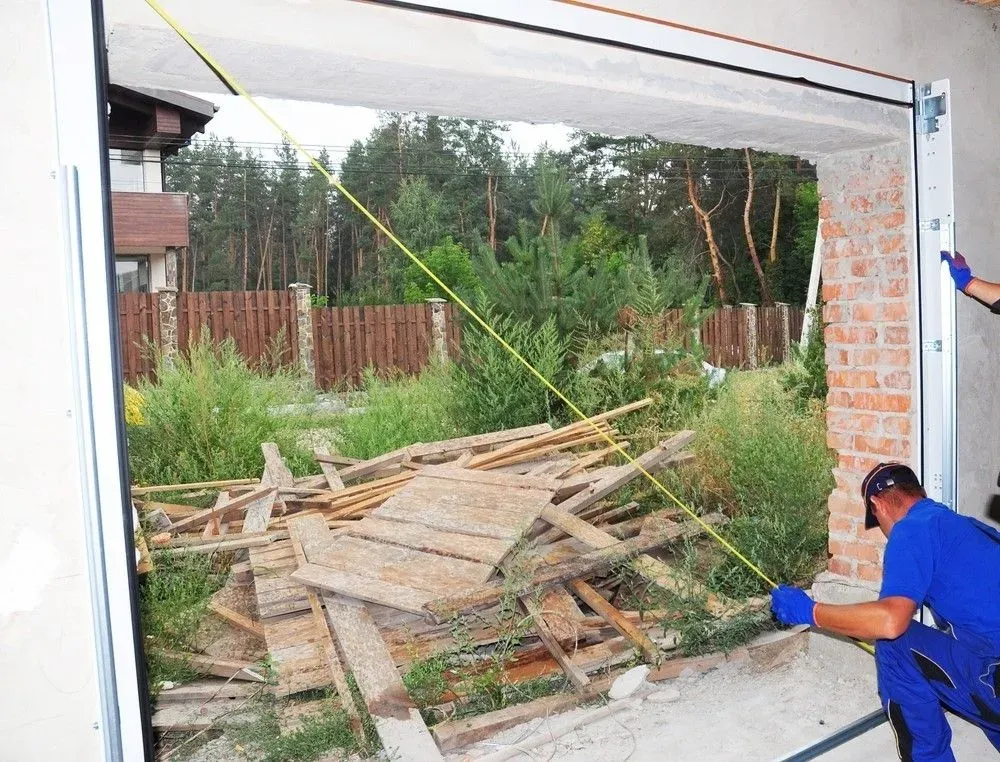
A garage door is an important part of your home's daily routine, providing convenient access to your garage while helping protect vehicles and belongings. When the door suddenly stops working, becomes difficult to operate, or makes unusual sounds, the problem can quickly become disruptive. Understanding common causes and warning signs can help you respond appropriately.
A broken garage door can result from several issues, including worn springs, damaged cables, faulty openers, bent tracks, broken rollers, or loose hardware. Some problems develop gradually because of normal wear, while others can happen suddenly. Identifying the source of the failure is important because continuing to operate a damaged door may place additional stress on other components.
What Can Cause a Broken Garage Door?
Garage doors contain several interconnected components that work together during every opening and closing cycle. When one part fails, the door may become difficult or impossible to operate.
Common causes include:
Broken or worn-out springs
Frayed or snapped cables
Damaged rollers
Bent or misaligned tracks
Loose hinges or brackets
Garage door opener problems
Misaligned safety sensors
Damaged panels
Lack of regular maintenance
Accidental impact
A professional inspection can help determine which component is responsible for the problem.
Signs Your Garage Door May Be Broken
Some failures happen suddenly, while others begin with warning signs. Paying attention to changes in the door's performance can help you address problems before they become more serious.
The Door Will Not Open
If the garage door refuses to open, the problem could involve the opener, springs, cables, sensors, or another mechanical component. If the opener motor operates but the door remains stationary, professional inspection may be needed.
The Door Opens Unevenly
A garage door that rises higher on one side may have a cable, spring, roller, or track issue. Operating an uneven door repeatedly can put unnecessary stress on the system.
Loud or Unusual Sounds
Grinding, popping, scraping, or banging noises can indicate worn or damaged components. Unusual sounds should not be ignored, particularly if they appear suddenly.
The Door Gets Stuck
A door that stops halfway or becomes stuck near the floor may have damaged tracks, broken springs, worn rollers, or an opener problem.
Broken Garage Door Springs
Garage door springs play a major role in supporting the door's weight during operation. Over time, springs can lose tension or break because of repeated use.
A broken spring may cause the door to become extremely heavy or prevent it from opening properly. You may also hear a loud popping sound when a spring fails.
Because springs are under significant tension, homeowners should avoid attempting spring replacement without appropriate training and equipment. Professional service can help address the problem safely.
Damaged Garage Door Cables
Cables work with the springs to help the garage door move correctly. A cable can become frayed, loose, or detached as a result of wear or another mechanical failure.
Signs of cable trouble may include an uneven door, unusual movement, or a cable hanging beside the door. Cable damage can sometimes be related to a broken spring or another issue, so inspecting the complete system is important.
Garage Door Opener Problems
Not every garage door failure is caused by the door itself. The automatic opener can also develop problems that prevent normal operation.
Potential opener issues include:
Dead remote batteries
Electrical problems
Faulty wall controls
Sensor issues
Motor failure
Worn gears
Programming problems
Damaged drive components
A technician can test the opener and determine whether it requires adjustment, repair, or replacement.
Damaged Garage Door Tracks
Tracks guide the rollers and keep the door moving along its intended path. Bent or misaligned tracks can cause the door to move unevenly, make scraping sounds, or become stuck.
If the tracks appear damaged, avoid forcing the door to move. Continued operation may place additional stress on the rollers, cables, and opener.
A professional can inspect the tracks, rollers, brackets, and other related components to determine the appropriate repair.
Can You Fix a Broken Garage Door Yourself?
Some basic troubleshooting steps can be performed by homeowners. You can check whether the opener has power, replace remote batteries, inspect the area around the safety sensors, and remove obvious obstructions.
However, repairs involving springs, cables, tracks, and other load-bearing components should generally be handled by trained professionals. Garage doors are heavy, and certain components can store significant mechanical energy.
Avoid forcing a stuck door or attempting to manually repair a broken spring or cable. Doing so can create additional damage and safety risks.
When Should You Call a Garage Door Professional?
Professional service is recommended when the door has obvious mechanical damage or no longer operates normally.
Consider contacting a technician if:
A spring has broken
A cable has snapped or become detached
The door has come off its tracks
The door is severely uneven
The opener does not work
The door becomes unusually heavy
Panels are damaged
The door gets stuck
Loud mechanical sounds occur
The door reverses unexpectedly
Prompt service can help identify the issue and prevent unnecessary damage.
Repair or Replace a Broken Garage Door?
A damaged garage door does not always need complete replacement. Many problems can be addressed by replacing individual components.
Springs, cables, rollers, hinges, sensors, and certain opener components can often be repaired or replaced separately. However, replacement may be worth considering when the door has extensive structural damage, severe deterioration, repeated failures, or outdated components.
A professional assessment can help determine whether repairing the existing door or replacing it is the more practical solution.
How to Prevent Garage Door Problems
Regular maintenance can help reduce unexpected garage door failures. Homeowners should periodically inspect visible components for signs of wear, rust, loose hardware, or unusual movement.
Professional maintenance may include checking:
Springs
Cables
Rollers
Hinges
Tracks
Safety sensors
Opener components
Mounting hardware
Keeping the system properly maintained can help identify developing problems before they become major failures.
Consider Door Dorks for Garage Door Service
If you need assistance with a broken garage door, Door Dorks is an option to consider for professional garage door service. Having a qualified technician inspect the system can help identify the damaged component and determine an appropriate repair.
Instead of repeatedly operating a malfunctioning door or attempting complex repairs without the right equipment, professional service can provide a safer and more dependable approach.
Keep Your Garage Door Working Reliably
A broken garage door can affect your home's convenience, security, and everyday access. Whether the issue involves a spring, cable, opener, roller, track, or another component, identifying the cause is the first step toward an effective solution.
Avoid forcing the door when there is obvious damage, and consider professional assistance for repairs involving high-tension or load-bearing components. With timely repairs and regular maintenance, you can help keep your garage door operating safely and reliably.