#HUMAN PORTRAIT #RURAL #MEMORY
SINOPSIS / SYNOPSIS
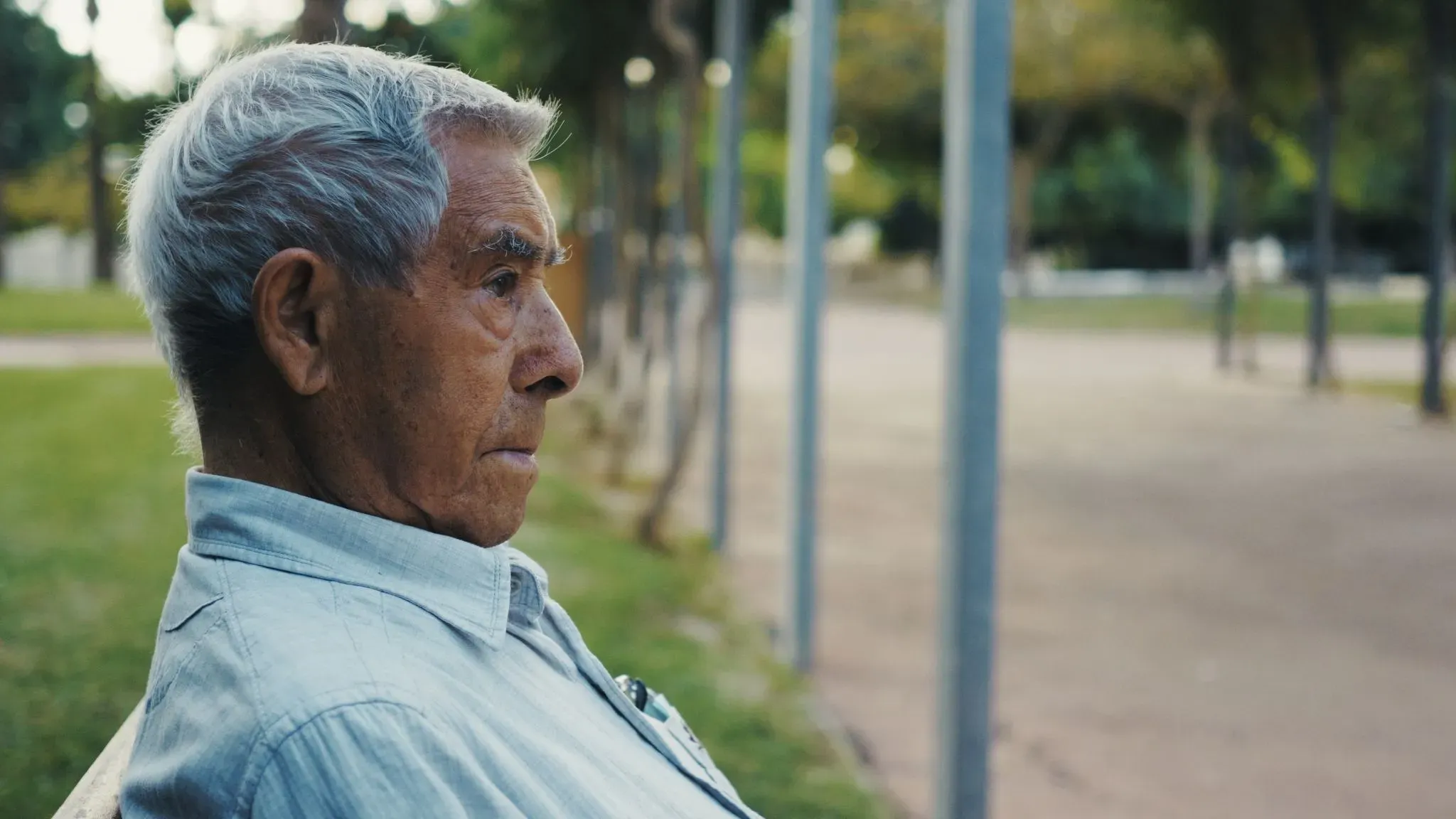
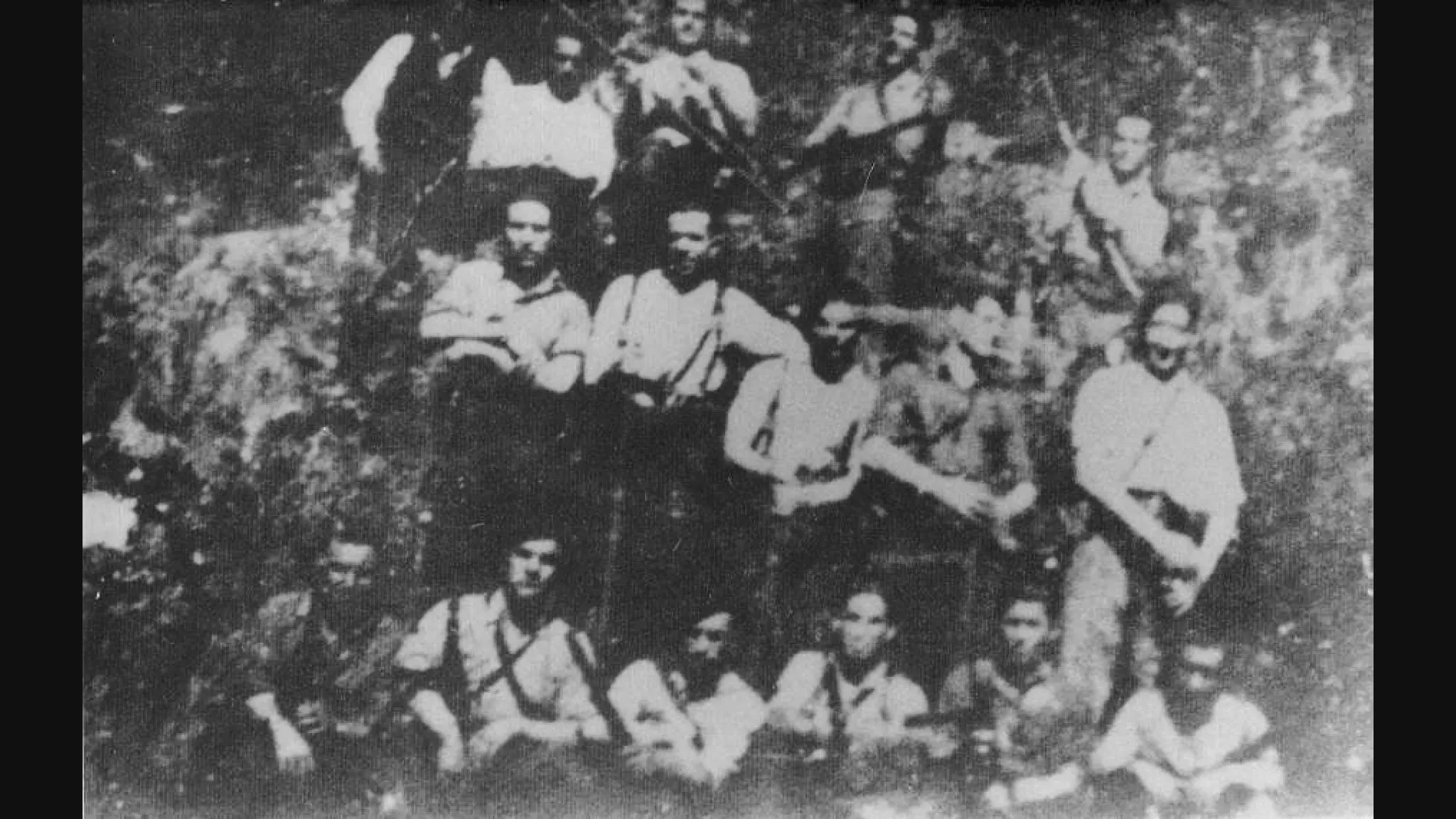
Con 100 años ya, Francisco Martínez, "El Quico", uno de los últimos guerrilleros vivos de la posguerra española, nos cuenta su día a día como parte de la resistencia armada y de las redes de apoyo que se organizaron en los pueblos de León y Galicia para sobrevivir a la represión franquista.
Francisco Martínez, “El Quico”, a centenarian and one of the last surviving anti-Franco guerrillas from the Spanish post-war era, recounts his firsthand experiences of armed resistance and rural solidarity of villagers in León and Galicia regions to survive the fascist repression.
Un relato lúcido y emotivo, que junto a las austeras y evocadoras imágenes de los escenarios reales, nos transporta a una época de terror poco conocida en España.
A lucid and deeply moving account, accompanied by stark, evocative imagery of the real locations, transports us to a little-known era of terror in Spain.
Documentary, 92', UHD. DCP VO Español.
English / Français / Portugués SUBTITLES
Calificación: + 12.
Paradocs 2026
TERRITORIES AVAILABLE: WORLDWIDE
Próximos pases / Upcoming screenings - News / Noticias
28 de septiembre 17h y 1 de octubre 22h, en el Teatro Principal de Ourense (FESTIVAL INTERNACIONAL DE CINE DE OURENSE).
2 de octubre 20h, en Multicines Norte, VIGO.
5 de octubre 20h, en Cantones Cines, A CORUÑA.
ÚLTIMAS SELECCIONES OFICIALES EN FESTIVALES / LAST FESTIVALS OFFICIAL SELECTIONS:
Festival Internacional de Cine de Ourense (España), Catalina Film Festival, California 2026 (USA), Peloponnisos International Documentary Film Festival 2027 (Greece), International Film Festival The Hague/Den Haag (Netherlands)
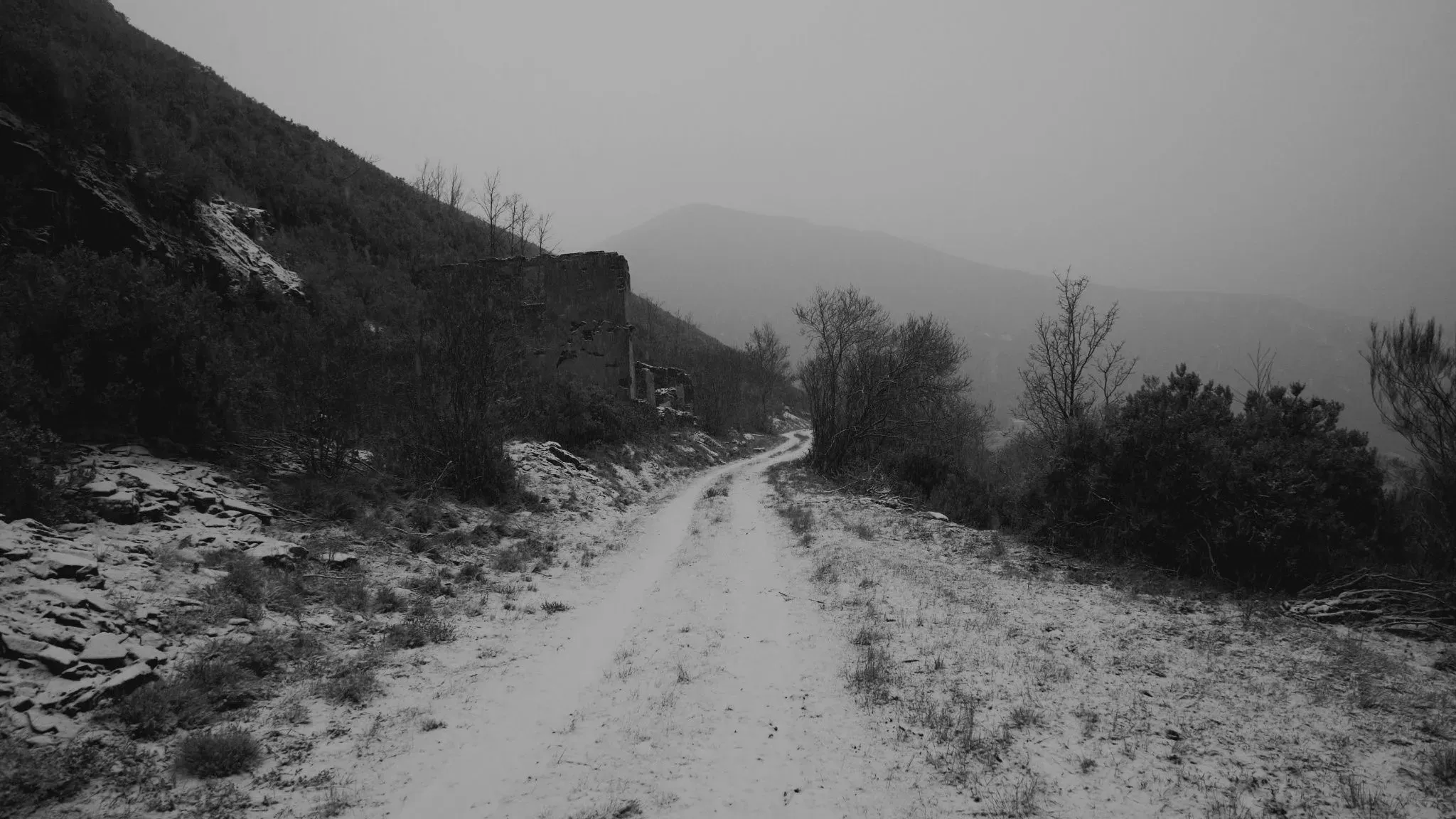
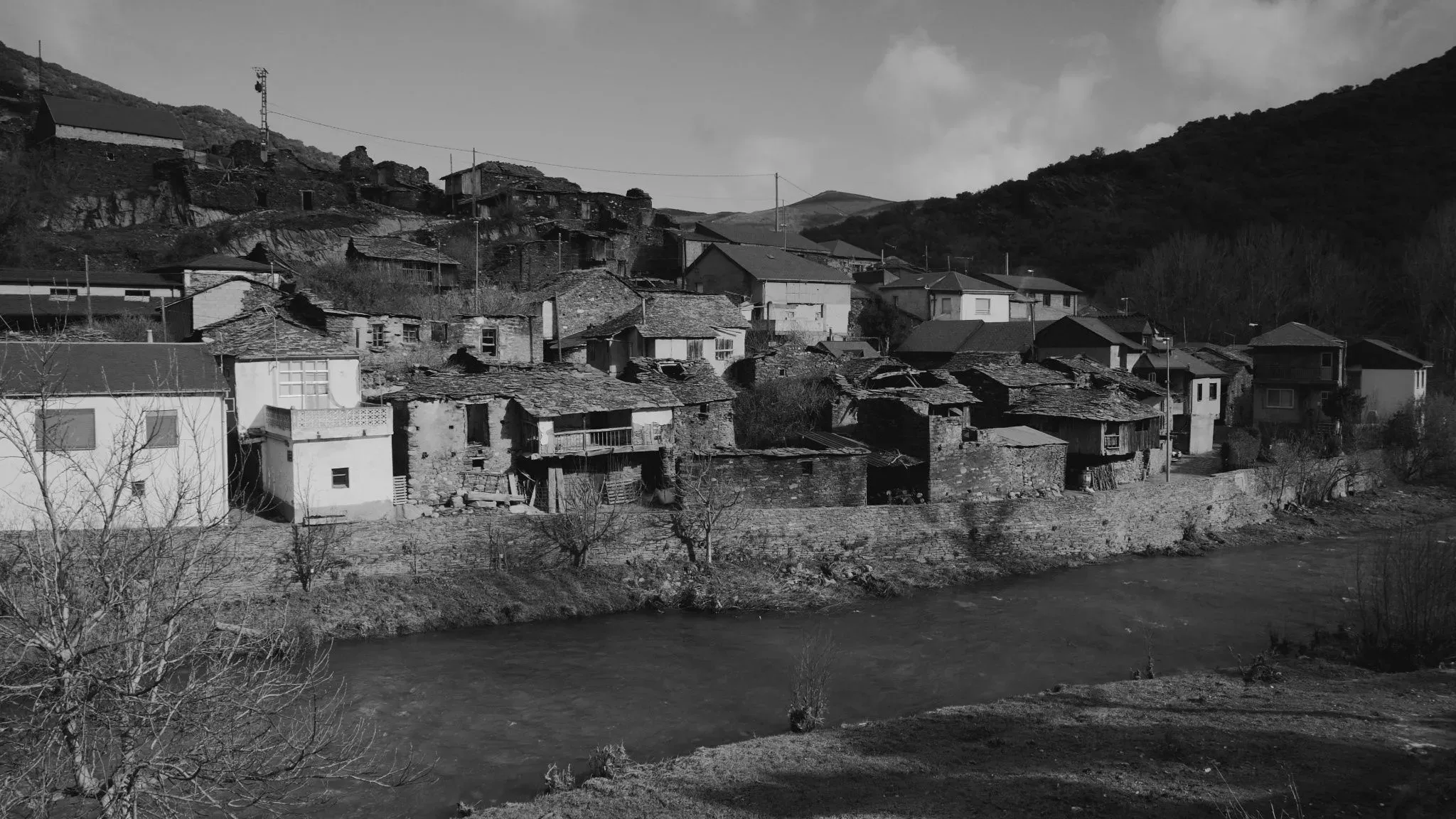
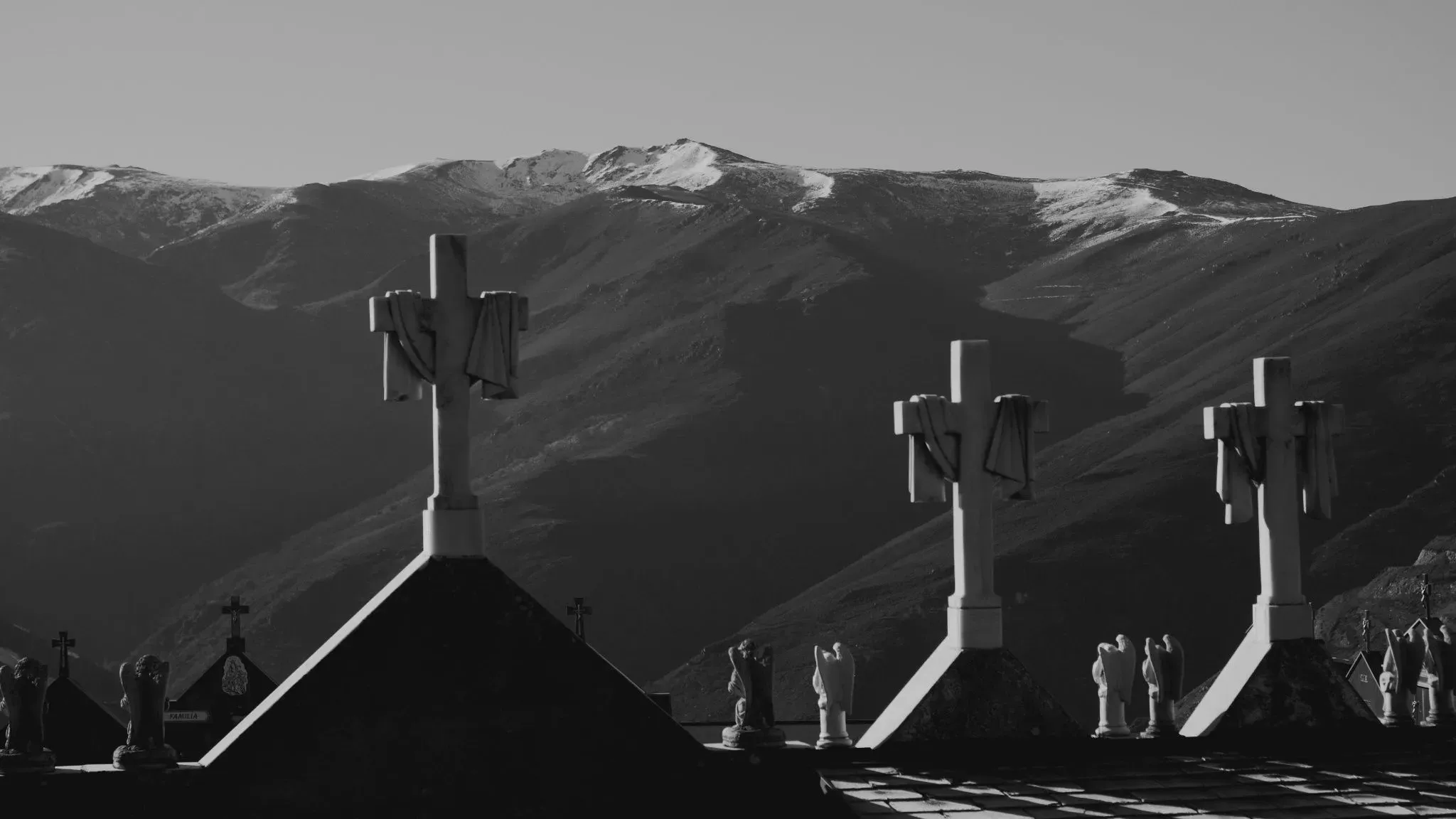
Paisajes de El Bierzo, La Cabrera (León) y Valdeorras (Ourense)
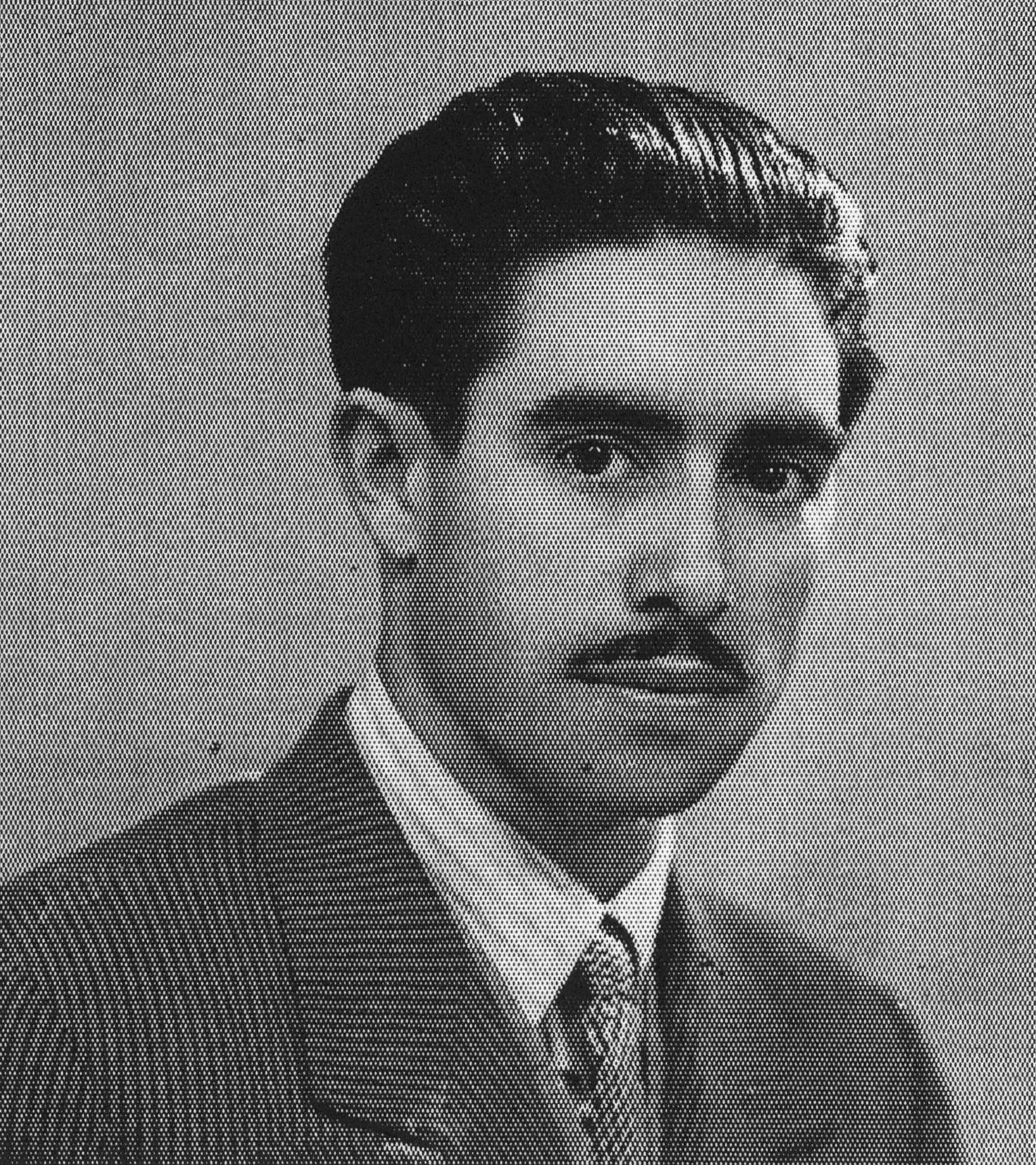
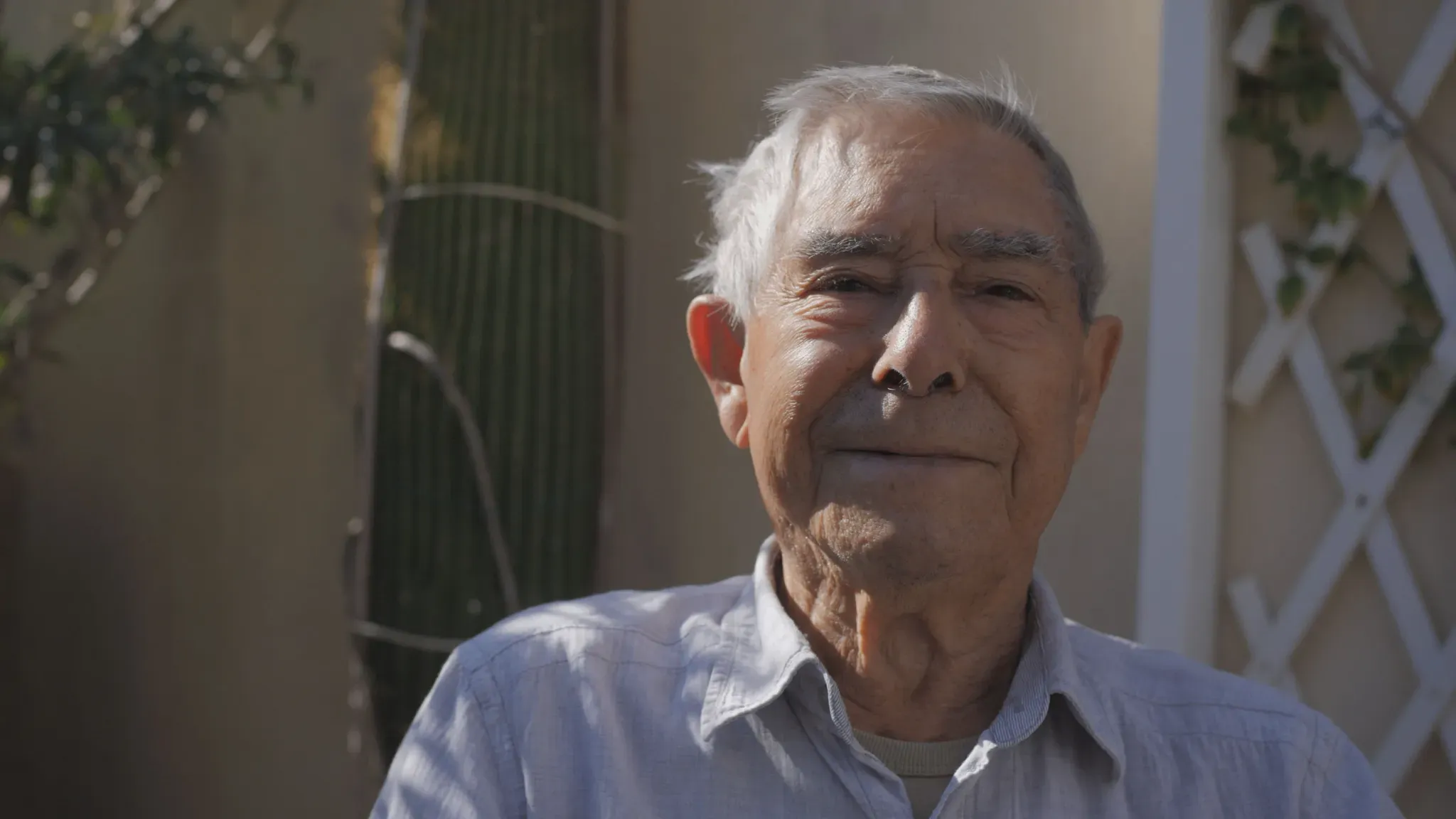
El protagonista, Francisco (Quico) Martínez
Nacido en Cabañas Raras (León) en 1925, en el seno de una familia republicana, de izquierdas y campesina. A los 11 años ya era enlace de la guerrilla y a los 21, guerrillero. Exiliado en Francia en 1951, Quico estuvo unos meses en la cárcel de la Legión Extranjera, en Marsella, porque querían enviarle a luchar a Indochina. Tras un movimiento de solidaridad, le liberaron. En el exilio compaginó durante un tiempo su trabajo de albañil con la organización del PCE en Europa. Colaboró con el sindicato CGT. Secretario general del PCE en Francia (1977-1990). Miembro del Comité Central (1983-1991). Siempre ha estado en contra de los comportamientos autoritarios de la direccuón del PCE. En 1994 regresó a España. A pesar de las cartas de Quico, la dirección del PCE sigue sin rehabilitar a los guerrilleros que ordenó asesinar durante la posguerra. Es miembro de la AGE, Asociación Archivo Guerra y Exilio.
Born in Cabañas Raras (León) in 1925, into a left-wing, Republican peasant, family, Quico was already a guerrilla liaison at age 11 and a guerrilla fighter at 21. Exiled to France in 1951, he spent several months in the Foreign Legion prison in Marseille, because they wanted to send him to fight in Indochina. Following a solidarity movement, he was released. In exile, he combined his work as a bricklayer with organizing the PCE (Communist Party of Spain) in Europe. He collaborated with the CGT (General Confederation of Labor) trade union. He served as General Secretary of the PCE in France (1977-1990) and as a member of its Central Committee (1983-1991). He has always been opposed to the authoritarian behavior of the PCE leadership. In 1994, he returned to Spain. Despite Quico's letters, the PCE leadership still refuses to rehabilitate the guerrillas it ordered killed during the post-war period. Today, he is a member of AGE, the Association for the Archive of War and Exile.
Frases de Quico:
“Los pueblos que no asumen su liberación siempre serán sumisos, nadie les va a liberar salvo ellos mismos”.
"El problema de la memoria histórica no es de izquierdas o de derechas, es de la sociedad; quien no conoce su pasado está condenado a repetirlo".
Quotes by Quico:
“Those who do not embrace their freedom will always be submissive; no one will free them but themselves.”
“The problem of historical memory is not one of the left or the right, it is a societal issue; those who do not know their past are condemned to repeat it.”
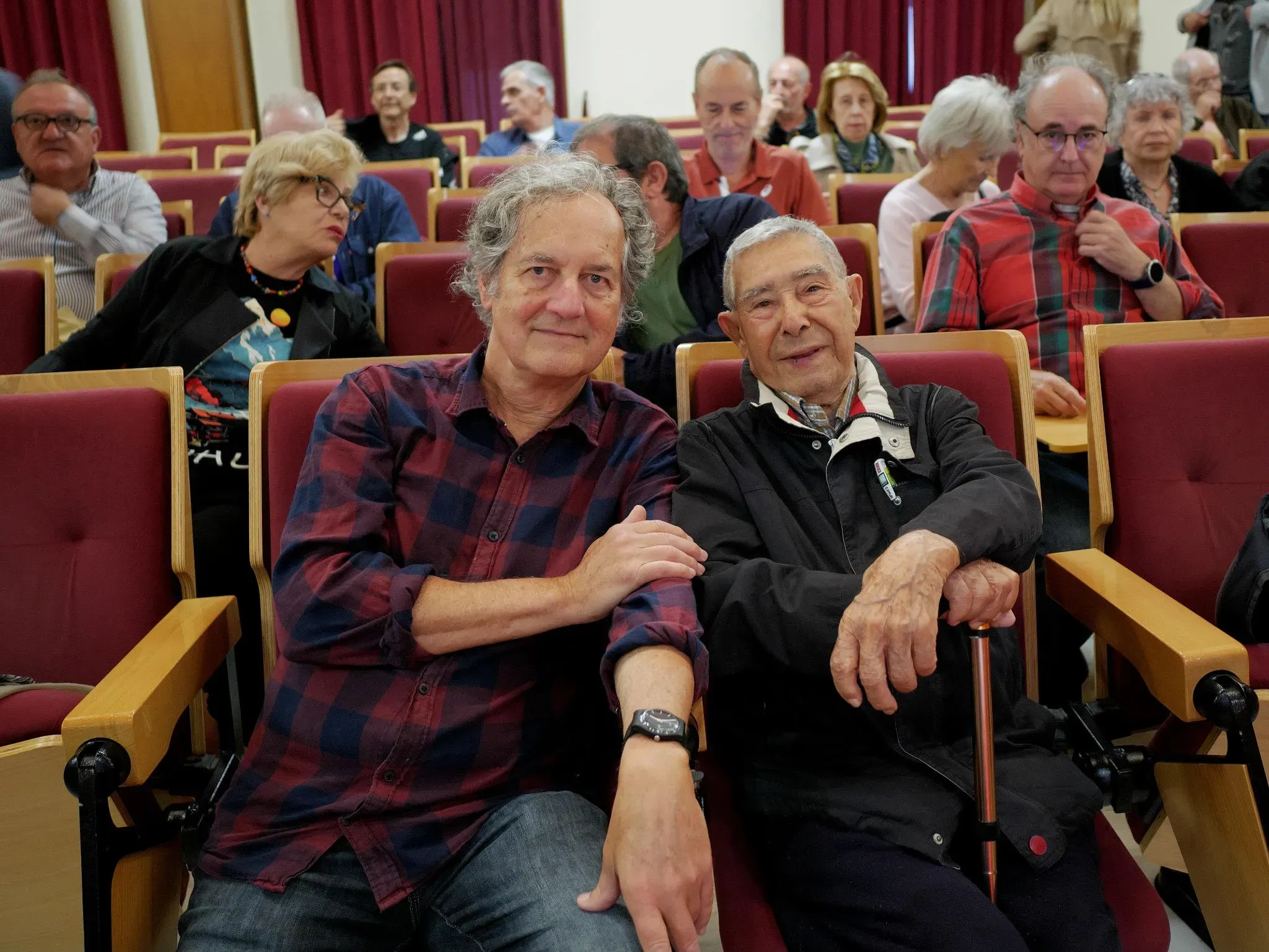
Selección oficial en 21 festivales de cine, con 5 premios / Official selection in 21 film festivals and 5 awards
BEST FEATURE DOCUMENTARY: SamhainBaucogna Intern. Film Festival, Vila-Real do S. Antonio (Portugal). Bajío Documentary Film Festival, Querétaro (Mexico). Sicilian Film Awards, Palermo (Italia). BRONZE AWARD: Lappeenranta International Film Festival (Finland).. AWARD OF EXCELLENCE: Accolade Global Film Competition, La Jolla, California (USA).
SEMI-FINALIST BEST CINEMATOGRAPHY: Filmhaus 2027, Berlin (Germany).
OFFICIAL SELECTION: Festival Internacional de Cinéma et Mémoire Commune, Nador (Morocco). Festival Internacional de cine de Ponferrada (Spain). Madrid Indie Film Festival MADRIFF (Spain). BARCIFF Barcelona Indie Filmmakers Festival (Spain). Chennai International Documentary and Short Film Festival (India). All that Moves International Film Festival, São Paulo (Brasil). Rome Prisma Film Awards (Italia). Alpine International Film Festival, Bern (Switzerland). Silver Screen Film Festival, Praga (Czeck Republic). Festival Internacional De Cine El Ojo Cojo, Madrid (Spain). Festival Internacional de cine social del Río Negro (Argentina). Festival Internacional de Cine de Ourense (Spain). Catalina Film Festival, California (USA). Peloponnisos International Documentary Film Festival 2027 (Greece). International Film Festival The Hague/Den Haag 2027 (Netherlands)
Trailer
Equipo / Team
JOAN GAMERO - director, productor, guión, fotografía, sonido, montaje
CARMEN RODRÍGUEZ - asesoramiento guion y sonido
MARC SASTRE - música
ROMAN SCHOENBICHLER - mezcla master sonido
ODETTE MARTÍNEZ-MALER - traducción francés
JENNY DRINKWATER - traducción inglés
una producción PARADOCS
Con la ayuda de
DIPUTACIÓN DE LEÓN - INSTITUTO LEONÉS DE CULTURA
PROGRAMA PROYECTA DE DAMA
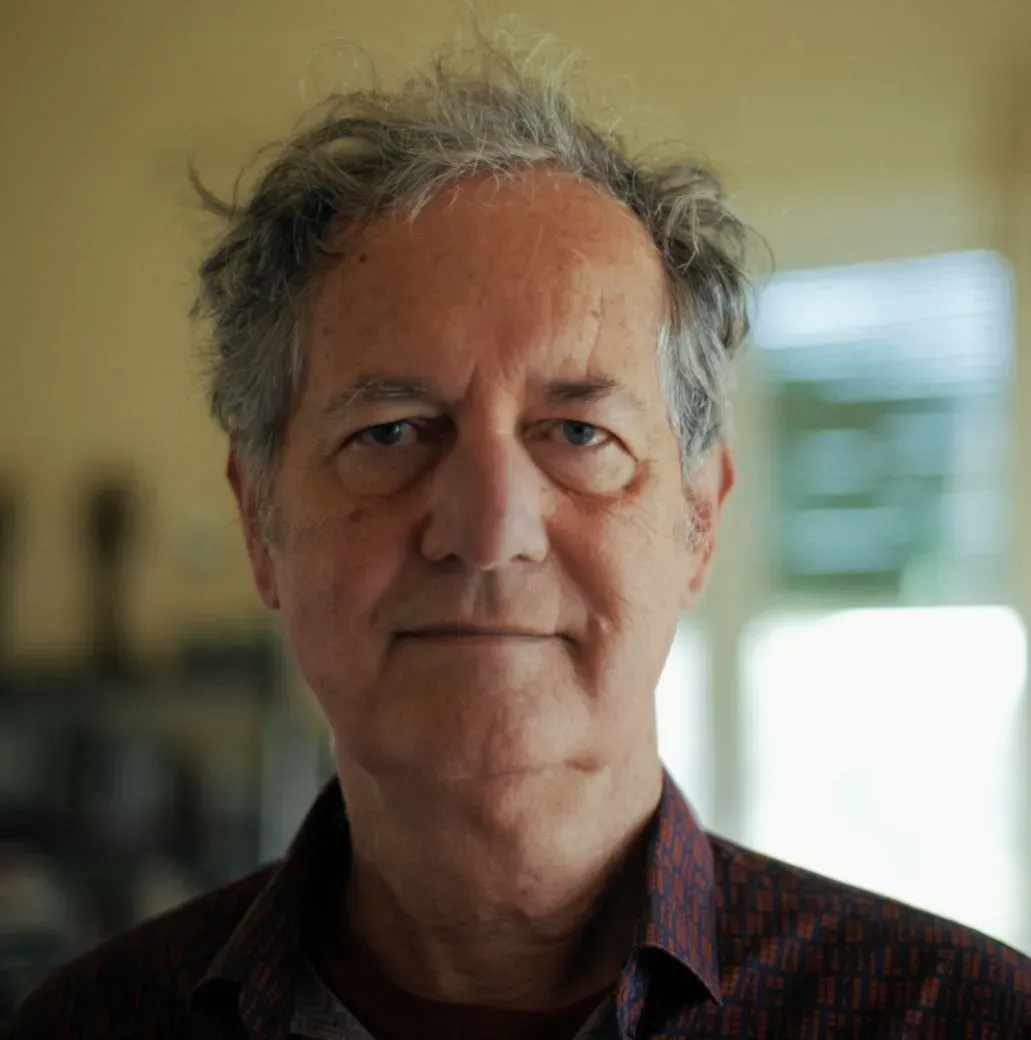
El autor, Joan Gamero
Director barcelonés con más de 40 años de experiencia y extensa filmografía, que vive en La Floresta (S. Cugat). Ejerce también de guionista, fotógrafo, cámara, montador y productor. Se inició filmando películas en S-8mm y estudió cine en L'Escola d'Estudis Artístics de L'Hospitalet (Barcelona). Trabajó de auxiliar de dirección en varios largometrajes de cine y como realizador en TVE-Catalunya, donde destacan el documental Vivir la utopía y la serie Prisma, que ideó y dirigió con gran éxito de audiencia y crítica. Hasta 2007 compaginó la TV pública con el cine independiente. Dos cortometrajes de ficción y varios documentales suyos han participado en la Berlinale, San Sebastián, Cinespaña, INPUT o en los JJOO Barcelona'92. Apasionado de los documentales, fundó con Carmen Rodríguez la productora Paradocs, para realizar sus propios proyectos. Sus trabajos más recientes son los premiados documentales Los Karamazoff, a walk on the SoHo years, El Petit Peó (El pequeño Peón) y Guerrillero, este último seleccionado en 21 festivales internacionales y con 5 premios al mejor documental.
Director and screenwriter from Barcelona with more than 40 years of experience. He also works as a cinematographer, editor and producer. His films have been screened at the Berlinale, San Sebastián, INPUT’90, the Barcelona '92 Olympic Games and more. In the 1990s, he created and directed the successful series Prisma for TVE and the documentary Vivir la utopía (Arte-TVE). In recent decades, he has focused on documentary, his favorite film genre. His award-winnings films The Karamazoffs, a walk on the SoHo years, The Little Pawn and Guerrillero are his most recent works.
https://www.rtve.es/play/videos/imprescindibles/pequeno-peon-arturo-pomar/16958033/
https://guidedoc.tv/documentary/the-karamazoffs-documentary-film/