When Is Surgery Needed for Exotropia?
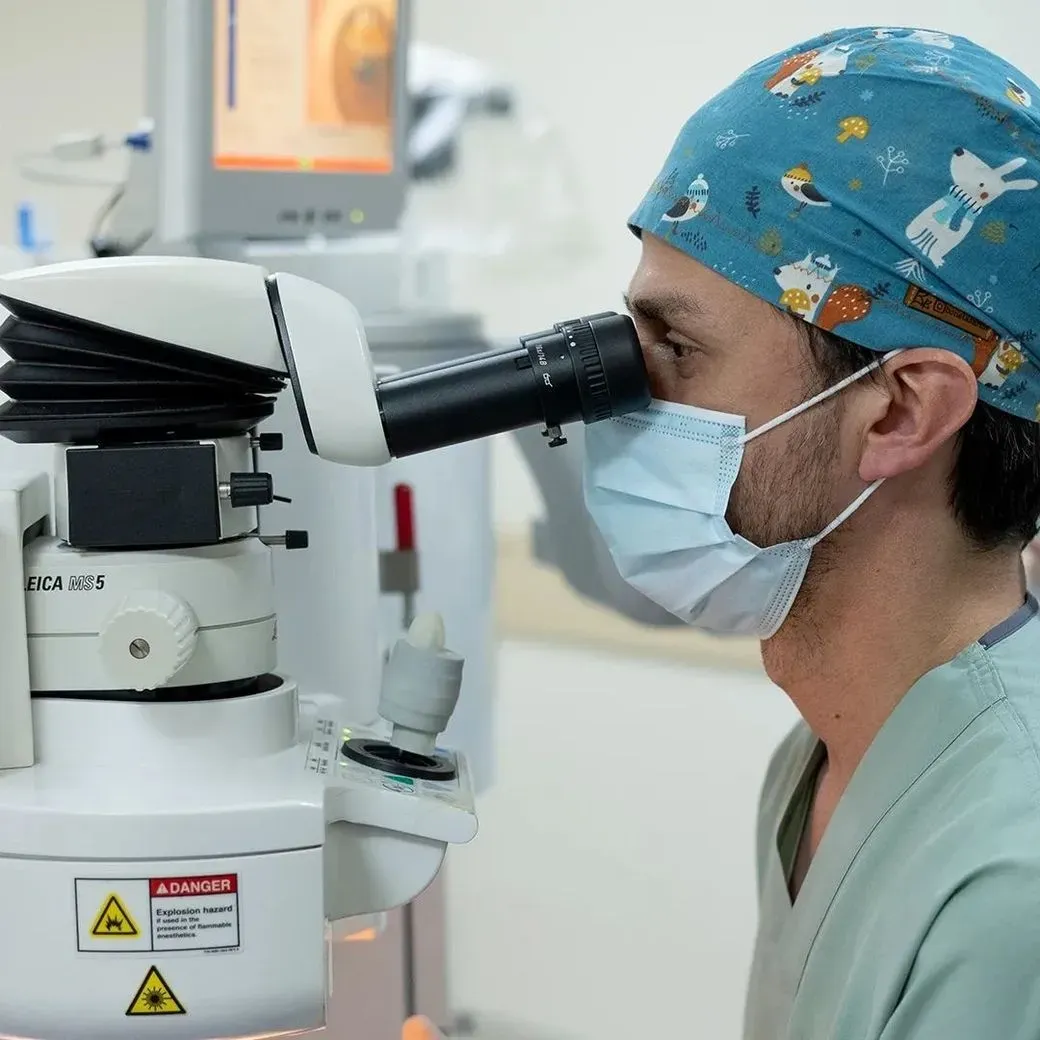
Exotropia is a type of strabismus in which one or both eyes turn outward, away from the nose. The eye may drift outward occasionally, especially when a person is tired or looking at distant objects, or the misalignment may be present more frequently. This condition can affect children and adults and may interfere with comfortable vision and eye coordination.
Not everyone with exotropia needs surgery. Some people can manage the condition with regular monitoring, glasses, or other treatments. However, when the outward eye turn becomes more frequent or causes significant visual difficulties, exotropia surgery may be recommended after a comprehensive eye examination.
What Causes Exotropia?
Exotropia develops when the eyes do not align properly. In some cases, the cause is related to how the brain coordinates eye movements. It may begin during childhood or develop later in life.
Common types include:
Intermittent exotropia: The eye turns outward occasionally, but the eyes may align normally at other times.
Constant exotropia: One eye remains turned outward for much of the time.
Sensory exotropia: Reduced vision in one eye can contribute to an outward eye deviation.
Exotropia in adults: An outward eye turn may persist from childhood or develop alongside other eye or neurological conditions.
Identifying the type of exotropia helps the eye specialist determine the most appropriate treatment.
When Is Exotropia Surgery Needed?
Surgery may be considered when exotropia cannot be adequately managed with non-surgical treatments or when the misalignment significantly affects the person's daily life.
1. The Eye Turns Outward More Frequently
Intermittent exotropia may initially occur only occasionally. Over time, some people find that the eye turns outward more often or remains misaligned for longer periods.
If the person has increasing difficulty maintaining eye alignment, the specialist may discuss whether surgery is appropriate. The decision depends on the frequency and size of the deviation, control of eye movements, and other examination findings.
2. Double Vision or Visual Discomfort Develops
Some adults with exotropia experience double vision, eye strain, or difficulty using both eyes together. These symptoms can make reading, driving, or other daily activities uncomfortable.
An eye examination can help determine whether the symptoms are caused by exotropia and whether surgery or another treatment may help. Sudden-onset eye misalignment or double vision, especially with severe headache, weakness, or other neurological symptoms, requires urgent medical assessment.
3. Depth Perception or Binocular Vision Is Affected
The eyes normally work together to create a single image and help judge distance. Exotropia can interfere with this coordination.
If the eyes have difficulty working together, the specialist may evaluate binocular vision and depth perception. Surgery may be considered when improving alignment is an appropriate part of treatment, although normal binocular vision is not guaranteed after the procedure.
4. The Eye Misalignment Becomes Constant
When an eye remains turned outward for much of the time, the chance of maintaining normal alignment may be reduced. Constant exotropia often warrants a detailed assessment to determine the cause and available treatment options.
Surgery may be recommended depending on the severity of the deviation, vision in each eye, and the person's overall eye health.
5. Exotropia Affects Confidence and Daily Life
Visible eye misalignment can affect a person's confidence and social interactions. Although appearance alone does not determine whether surgery is necessary, its impact on quality of life can be part of the discussion between the patient and the eye specialist.
The potential benefits, limitations, and risks should be considered before deciding on treatment.
Can Exotropia Be Treated Without Surgery?
Yes. Surgery is not necessary for every person with exotropia. Treatment depends on the type of deviation, symptoms, and how well the eyes maintain alignment.
Non-surgical options may include:
Observation: Mild or well-controlled intermittent exotropia may be monitored with regular eye examinations.
Glasses: Prescription glasses can correct refractive errors and may help in selected cases.
Prism glasses: These may help manage double vision in certain patients, depending on the type and size of the deviation.
Treatment for reduced vision: If one eye has poor vision, the underlying cause may need treatment.
Eye exercises are useful for certain specific binocular vision problems, but they are not a universal treatment for every type of exotropia. An eye specialist can explain which options are suitable for the individual case.
How Is Exotropia Surgery Performed?
Exotropia surgery involves adjusting the extraocular muscles that control eye movement. The surgeon changes the position or tension of selected muscles to help the eyes align more closely.
One common approach is to weaken the pulling effect of an outward-moving muscle, such as the lateral rectus, by repositioning its attachment. In some cases, the surgeon may also adjust the medial rectus muscle, which helps move the eye inward.
The procedure may involve one or both eyes, depending on the degree of misalignment and the surgical plan. It is commonly performed under general anaesthesia, particularly in children. Many patients return home the same day, although individual circumstances vary.
The goal is to improve eye alignment. The exact result depends on the type of exotropia, its severity, and individual factors.
What Is Recovery Like After Exotropia Surgery?
After surgery, temporary redness, watering, mild pain, and a gritty feeling are common. Some patients experience temporary double vision while their visual system adjusts to the change in alignment.
Recovery varies, but many people can return to school or work within about a week, depending on their symptoms and the surgeon's advice. Complete healing may take several weeks.
During recovery, patients should use prescribed eye drops as directed, avoid rubbing the eyes, follow activity restrictions, and attend follow-up appointments. Severe pain, reduced vision, increasing swelling, or unusual discharge should be reported promptly to the treating doctor.
What Are the Risks of Exotropia Surgery?
As with any operation, exotropia surgery has potential risks. These include infection, bleeding, undercorrection, overcorrection, persistent double vision, or a return of the eye misalignment. Some patients may need further treatment or another operation.
The surgeon will discuss the expected benefits and possible complications based on the patient's individual condition. Surgery can improve alignment, but it does not guarantee perfect or permanent alignment in every case.
Conclusion
Exotropia surgery may be considered when an outward eye turn becomes frequent, affects vision, causes double vision, or cannot be managed adequately with other treatments. However, the right approach varies from person to person, and not every case requires an operation.
For an evaluation of exotropia and available treatment options in İzmir, contact Halil Hüseyin Çağatay to discuss your symptoms and arrange an eye examination.
Frequently Asked Questions
Does every person with exotropia need surgery?
No. Some people can manage exotropia with monitoring, glasses, or other treatments. Surgery is considered when the deviation, symptoms, or control of eye alignment make it an appropriate option.
Is exotropia surgery suitable for children?
Yes. Surgery may be considered for children when exotropia is significant or difficult to control. The timing depends on the child's eye alignment, visual development, and overall examination findings.
Can exotropia return after surgery?
Yes. Although surgery can improve alignment, the eyes may drift outward again over time. Follow-up examinations help monitor the result and identify whether further treatment is needed.
How do I know if I need exotropia surgery?
An eye specialist can assess your eye alignment, vision, symptoms, and control of eye movements. These findings help determine whether observation, non-surgical treatment, or surgery is the most appropriate option.