The Psychology of Space and Mental Clarity
Our physical environment profoundly dictates our internal emotional state. When we inhabit a space filled with visual clutter, overflowing cupboards, and disorganised surfaces, our brains subconsciously process that chaos as a persistent, low-level threat, triggering the release of cortisol and elevating baseline anxiety. Nowhere is this psychological impact more evident than in the culinary centre of the home, a space that requires focus, coordination, and daily interaction. An environment fraught with friction inevitably turns the simple act of preparing a meal into an exhausting, stressful chore. Undertaking a deeply intentional kitchen remodeling CT is not merely an aesthetic pursuit; it is a vital psychological intervention. By redesigning the architecture to support rigorous organisation, eliminate visual noise, and foster intuitive workflows, homeowners can cultivate an environment that actively soothes the nervous system, transforming the room from a source of daily stress into a profound sanctuary of mental clarity and calm.
The Cognitive Burden of Visual Noise
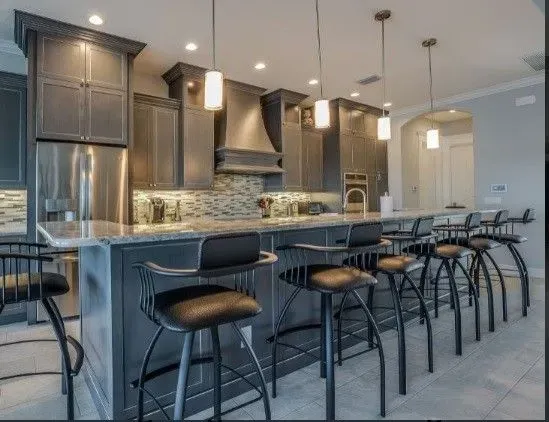
The human brain is constantly scanning and processing its surroundings. When a countertop is littered with appliances, mail, keys, and mismatched storage containers, the brain is forced to process an overwhelming amount of visual stimuli. This "visual noise" depletes cognitive energy, making it difficult to concentrate on the task at hand and leading to a feeling of perpetual exhaustion. A psychologically supportive design prioritises expansive, uninterrupted surfaces. This means creating dedicated, concealed homes for every single item. Appliance garages hide the toaster and blender, while integrated charging drawers keep electronics and cables completely out of sight. By ruthlessly eliminating visual clutter, the mind is granted permission to rest. The resulting sleek, monolithic surfaces promote a profound sense of order, allowing the occupant to feel instantly grounded and in control of their environment.
Designing for Intuitive and Frictionless Workflows
Frustration often stems from environments that fight against our natural movements. If you must cross the entire room to fetch a wooden spoon while a sauce is boiling, or if you have to unpack three layers of heavy pots to reach the one you need, you are experiencing architectural friction. A psychologically sound layout is deeply intuitive, mirroring the logical sequence of human behaviour. This involves the implementation of point-of-use storage. Knives and chopping boards are stored directly next to the primary preparation zone; spices and oils are situated immediately beside the stove; and the dishwasher is placed directly adjacent to the sink and the primary dish storage. When the environment perfectly anticipates and supports your movements, the act of cooking becomes a seamless, almost meditative flow, entirely devoid of logistical stress.
The Emotional Comfort of Symmetry and Proportion
The human eye is inherently drawn to, and comforted by, symmetry, balance, and clear proportions. A room with jagged, disjointed cabinetry, uneven spacing, or awkwardly placed appliances feels unsettling and chaotic on a subconscious level. Applying the principles of classical proportion and symmetry brings immediate psychological relief. This might involve centering the range perfectly along a back wall, flanked by identical cabinetry, or ensuring that the central island aligns flawlessly with the primary architectural features of the room, such as a large window or a fireplace. Maintaining consistent, clean lines and a balanced distribution of visual weight creates a feeling of stability and permanence. This orderly, symmetrical environment acts as an architectural anchor, fostering a deep sense of security and emotional equilibrium.
Harnessing the Calming Influence of Natural Elements
Our nervous systems are hardwired to respond positively to elements found in nature. A room completely devoid of organic materials often feels sterile, clinical, and emotionally cold. To counteract this, the design must intentionally weave in biophilic elements. The introduction of natural, tactile materials—such as a warm, oiled timber breakfast bar, textured stone floors, or woven linen window treatments—softens the hard edges of modern appliances and provides sensory comfort. Furthermore, maximising the influx of natural daylight through unadorned windows regulates the body's circadian rhythms, boosting serotonin levels and elevating the overall mood. By grounding the space in natural textures and abundant light, the room inherently feels more nurturing, restorative, and intimately connected to the calming rhythms of the natural world.
The Empowerment of Curation and Intentionality
A disorganised space is often the result of accumulating items out of habit rather than necessity. The process of redesigning the environment forces a critical psychological shift: the transition from accumulation to curation. When you invest in beautiful, bespoke storage, you become far more intentional about what you allow to occupy that space. This mindset encourages the purging of broken tools, expired goods, and duplicate appliances. Only items that serve a clear purpose or bring genuine joy are retained. This process of curation is deeply empowering. It returns a sense of agency to the homeowner, resulting in an environment that is not just physically tidy, but emotionally light, reflecting a deliberate, mindful approach to daily living.
Conclusion
Your home should be a supportive partner in your daily life, not a source of cognitive strain. By embracing the psychology of space through meticulous organisation, intuitive workflows, and the elimination of visual noise, you can transform your environment into a bastion of mental clarity, fostering peace, focus, and profound emotional well-being.
Call to Action
Reclaim your mental clarity and transform your daily routine with a deeply intentional, psychologically supportive architectural design. Speak with our organisational experts today to begin crafting a serene, frictionless environment that brings true peace to your home.