What Passenger Transportation Problems Can a Passenger Bus For Sale Solve?
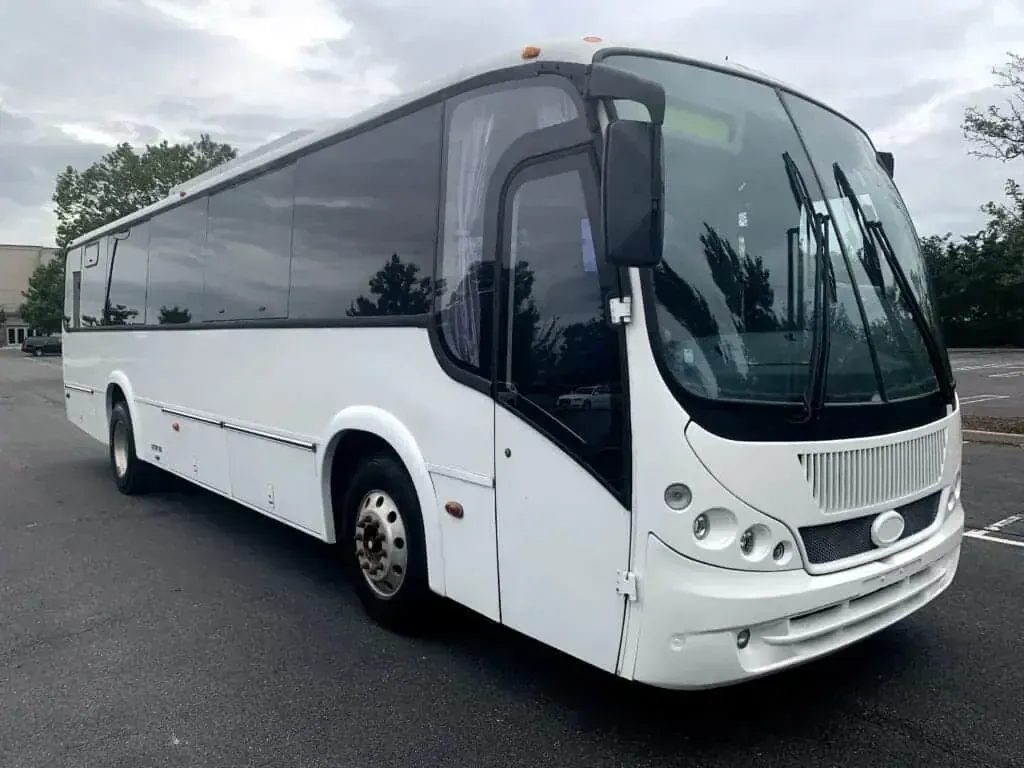
A passenger bus for sale can help solve common group transportation problems. It gives businesses, schools, hotels, care centers, event teams, and community groups a practical way to move several people in one vehicle. The right bus can reduce the need for several smaller vehicles, simplify scheduling, and give riders a more organized travel experience. A suitable passenger bus should match the number of riders, route length, luggage needs, entry access, and daily use. Buyers should also review the vehicle condition and seating layout before making a choice. This helps ensure the bus can handle its planned work.
Too Many Riders for Small Vehicles
Moving a large group in cars or small vans can create a major planning problem. Drivers may need to make several trips, and passengers may arrive at different times. This can waste staff time and make group travel harder to manage. It can also make pickup plans harder to control, especially if many people need to reach the same place together.
A passenger bus for sale offers more seating in one vehicle. A single driver can transport a larger group on the same route. This can make pickup plans easier and help keep the group together from the start of the trip. Before buying, count the usual number of riders and compare that number with the bus capacity.
Repeated Trips Can Strain a Schedule
Some transportation needs involve several pickups and drop-offs each day. Using small vehicles may require repeated runs across the same area. That can place more pressure on drivers and create longer travel schedules. It may also make it harder to keep a group on time for work, events, appointments, or planned activities.
A passenger bus can carry more riders per trip. This may help reduce repeated runs for planned group transportation. Operators can review passenger numbers, route distance, stop locations, and trip frequency before choosing a suitable vehicle. A good match can make daily transportation easier to plan and manage.
Limited Seating Can Create Passenger Discomfort
A vehicle may have enough room for a few riders but fail to provide useful space for a full group. Crowded seating can make longer trips less comfortable. Poor cabin layout can also make boarding and movement harder. Passengers need enough space to sit properly and move through the vehicle without creating blocked areas.
A passenger bus for sale should have a seating layout that fits the planned service. Check seat spacing, aisle access, entry points, and total capacity. The goal is to give passengers enough room while keeping the cabin easy to use. Buyers should also check the condition of the seats, flooring, steps, doors, and interior panels.
Luggage Can Take Up Valuable Cabin Space
Airport transfers, group outings, and staff travel often involve bags or equipment. If luggage is placed in passenger areas, it can reduce usable seating space and block movement. This can become a bigger issue during trips with many riders and large bags.
Review the bus layout before purchase. Look at storage areas and consider the size and amount of luggage carried during regular trips. A passenger bus for sale with a suitable storage setup can help keep bags organized without taking away needed seating space. Buyers should think about their normal luggage load instead of choosing a bus based only on its seat count.
Accessibility Requires Careful Vehicle Selection
Passenger transportation should account for riders with mobility needs. A bus may require a lift, ramp, wheelchair positions, or securement areas based on its intended use. These features should be considered before purchase so the vehicle can serve the people who need to use it.
Inspect each accessibility feature before purchase. Test the lift or ramp and check the available space inside the cabin. The equipment should be in proper working order and fit the planned passenger service. Check the entry area, wheelchair space, securement points, and interior movement space as part of the inspection.
Frequent Travel Calls for a Strong Inspection
A bus used often needs a careful mechanical review. Inspect the engine, transmission, brakes, tires, suspension, steering, lights, doors, seats, and climate control system. Service records can also show past maintenance and repairs. These checks can give buyers a better view of the vehicle's condition before it enters regular service.
A road test can reveal braking response, steering behavior, unusual sounds, and ride quality. A passenger bus for sale should be assessed as a working transportation vehicle, not only by its exterior appearance. Check the vehicle from inside and outside, and compare its condition with its maintenance history.
Route Needs Should Guide the Final Choice
Every passenger service has different demands. Short local trips may need easy entry and flexible seating. Longer routes may require comfortable seats, strong climate control, luggage space, and useful storage. The vehicle should also suit the number of trips it will make each day.
Review the planned routes, passenger count, trip length, road conditions, and loading areas. A used bus for sale can be a practical choice if its condition, layout, capacity, and equipment match the job. Buyers should also consider how passengers will enter and leave the vehicle at regular stops.
Final Say:
The best vehicle is the one that answers a clear transportation need. Start with passenger capacity, then review seating, storage, accessibility, mechanical condition, and service history. This approach helps buyers compare vehicles based on real operating needs instead of appearance alone. It also gives operators a simple way to decide which features matter most for their daily service.
If you are considering a passenger bus for sale or a used bus for sale, review each vehicle carefully before making a decision. Check its records, inspect its equipment, and match its layout to your daily transportation plan. A careful selection can make group travel easier to manage and more comfortable for passengers.