
What Happens Between Passing FSP and Getting a Hospital Contract?
For international doctors, passing the Fachsprachenprüfung (FSP) in Germany is a huge milestone. It proves your ability to communicate in medical German and opens the door to practicing in hospitals. But many candidates are left wondering: What exactly happens between passing the FSP and finally signing a hospital contract? This transitional phase is often misunderstood, yet it’s one of the most critical steps in your journey toward postgraduate medical training.
MissionGermany – Your trusted partner for medical careers in Germany
Website: www.missiongermany.in
Phone: +91 96155 43210
Address: 1st Floor, Blood Bank, H.no 3-5-1101/1B1, Madina Mansion Rd, opp. central, Narayanguda, Hyderabad, Telangana 500027
Step 1: Receiving Your Temporary License
After passing the FSP, the first step is applying for the Berufserlaubnis (temporary medical license). This license allows you to work under supervision in German hospitals while you prepare for the Approbation exam.
The State Medical Council (Ärztekammer) issues this license.
It is valid for a limited period, usually one to two years.
With this license, you can start applying for hospital positions.
Without the Berufserlaubnis, hospitals cannot legally employ you, even if you’ve passed the FSP.
Step 2: Document Verification
Passing the FSP is not the end of paperwork. The authorities will continue to verify your medical degree, transcripts, and professional certificates.
If your degree is recognized as equivalent, you can move toward Approbation.
If gaps are found, you may be asked to take the Kenntnisprüfung (knowledge test).
Hospitals often wait for confirmation of your recognition status before finalizing contracts.
This stage can take weeks or months, depending on the state and the completeness of your documents.
Step 3: Applying to Hospitals
Once you have your temporary license, you can start applying for hospital positions. This is where the real competition begins.
Hospitals look for candidates with strong language skills and adaptability.
Your CV and cover letter must be tailored to German standards.
Networking, job portals, and recruitment agencies can help you find openings.
Remember, hospitals are not just hiring you for a job—they are investing in your long-term training.
Step 4: Interviews and Assessments
Hospitals usually conduct interviews to assess your readiness. These interviews may include:
Questions about your clinical knowledge.
Scenarios to test your communication skills with patients.
Discussions about your career goals and specialization interests.
Some hospitals may even ask you to shadow doctors for a day to evaluate your practical skills.
Step 5: Negotiating the Contract
If you succeed in the interview, the next step is negotiating your hospital contract.
Contracts outline your salary, working hours, and responsibilities.
They also specify your training pathway toward specialization.
Hospitals may offer support for exams, language courses, or relocation.
This is the moment when your journey officially transitions from preparation to practice.
Step 6: Preparing for Approbation
Even after securing a hospital contract, your ultimate goal is the Approbation (full medical license).
Hospitals expect you to prepare for the knowledge test if required.
You must continue improving your medical German.
Passing Approbation ensures you can practice independently and progress in your PG training.
Thus, the hospital contract is both a job opportunity and a stepping stone toward full licensing.
Common Challenges in This Phase
Many international doctors face challenges between FSP and hospital contracts:
Delays in document recognition due to missing paperwork.
Limited job offers in certain regions.
Language barriers during interviews.
Uncertainty about specialization pathways.
These challenges highlight the importance of guidance and preparation during this phase.
Why Expert Guidance Matters
Navigating this process alone can be overwhelming. From paperwork to interviews, every step requires precision. That’s where MissionGermany comes in.
We help you prepare your documents correctly.
We train you for interviews and hospital expectations.
We guide you through licensing exams and specialization choices.
With expert support, you can move smoothly from passing the FSP to signing your hospital contract.
Final Thoughts
Passing the FSP is a major achievement, but it’s only the beginning of your journey in Germany. Between that exam and your hospital contract lies a structured process: licensing, document recognition, applications, interviews, and negotiations. Each step is crucial, and each one brings you closer to your dream career.
With MissionGermany by your side, you don’t just pass exams—you build a future. Our expertise ensures that you move confidently through this transition and secure the right hospital contract for your career goals.
At the end of the day, success in Medical PG in Germany depends on more than just exams—it’s about preparation, persistence, and the right guidance.
Empower Your Future with Education in Germany
Start your journey today!
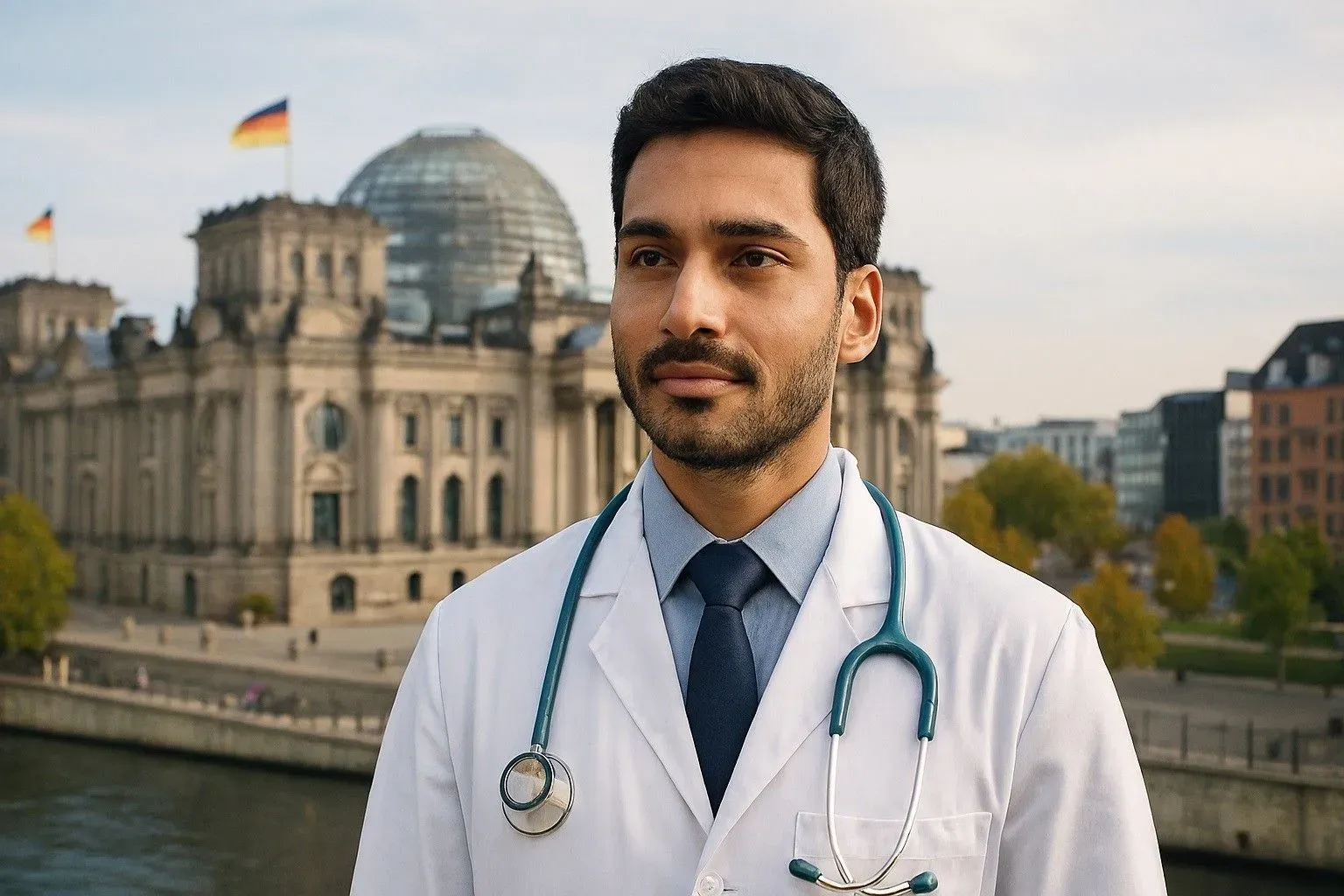
Is Choosing the Wrong German State Slowing Your PG Journey?
For many international medical graduates, Germany is a dream destination to pursue postgraduate studies. The country offers world-class healthcare infrastructure, structured training programs, and a clear pathway to specialization. But here’s the catch: choosing the wrong German state can slow down your PG journey significantly. Each state has its own rules, requirements, and bureaucratic processes, and overlooking these differences can cost you months—or even years—of progress.
At MissionGermany, we guide medical aspirants through every step of the process, ensuring they make the right choices from day one.
Contact us today:
Website: www.missiongermany.in
Phone: +91 96155 43210
Address: 1st Floor, Blood Bank, H.no 3-5-1101/1B1, Madina Mansion Rd, opp. central, Narayanguda, Hyderabad, Telangana 500027
Why States Matter in Your PG Journey
Germany is a federal country, which means every state (Bundesland) has its own medical council and licensing authority. While the medical education system is standardized, the recognition of foreign degrees, language requirements, and approval timelines vary widely.
Language requirements: Some states demand C1-level German proficiency, while others accept B2 for initial applications.
Document verification: States like Bavaria and Baden-Württemberg are known for stricter document scrutiny compared to others.
Processing time: In certain states, approvals can take 6–12 months, while others may process applications in 3–4 months.
Job opportunities: The demand for doctors differs across regions, with rural states often offering faster placements compared to metropolitan ones.
Common Mistakes Aspirants Make
Many students assume that once they land in Germany, the process is uniform everywhere. This is far from reality. Here are some common mistakes that slow down the PG journey:
Ignoring state-specific rules: Applying in a state without checking its medical council requirements.
Underestimating language barriers: Choosing a state with higher language demands without adequate preparation.
Not considering job market demand: Opting for a popular city where competition is fierce instead of a state with more openings.
Delaying document attestation: Missing deadlines because of incomplete or improperly translated documents.
How the Wrong Choice Impacts Your Timeline
Choosing the wrong state can lead to:
Longer waiting periods for Approbation (medical license).
Repeated document submissions due to stricter verification.
Missed job opportunities because hospitals in that state prioritize local applicants.
Financial strain from extended waiting times without employment.
For example, a candidate applying in North Rhine-Westphalia may face longer queues compared to someone applying in Saxony, where demand for doctors is higher and processing is faster.
Smart Strategies to Choose the Right State
To avoid unnecessary delays, here are some practical strategies:
Research thoroughly: Compare states based on language requirements, processing speed, and demand for doctors.
Seek expert guidance: Consult professionals who understand the nuances of each state’s medical council.
Balance lifestyle and career: While big cities are attractive, rural states often provide quicker approvals and better opportunities.
Plan language learning smartly: Match your German proficiency level with the state’s requirements before applying.
MissionGermany’s Role in Your Success
At MissionGermany, we specialize in helping medical graduates navigate the complex state-specific requirements. Our team ensures that you:
Submit the right documents to the right authority.
Choose a state that aligns with your career goals and language skills.
Avoid unnecessary delays by preparing strategically.
Get personalized guidance on job placements and licensing.
We believe that your PG journey should be smooth, structured, and rewarding—not slowed down by bureaucratic hurdles.
Final Thoughts
Germany offers incredible opportunities for medical graduates, but success depends on making informed decisions. The state you choose can either accelerate your career or hold you back. With expert guidance, proper planning, and awareness of state-specific rules, you can fast-track your journey to specialization.
If you’re serious about pursuing a Medical PG in Germany, don’t let the wrong choices slow you down. Partner with MissionGermany today and take the first confident step toward your future.
Empower Your Future with Germany's Finest Education Opportunities
Start your journey with MissionGermany today!
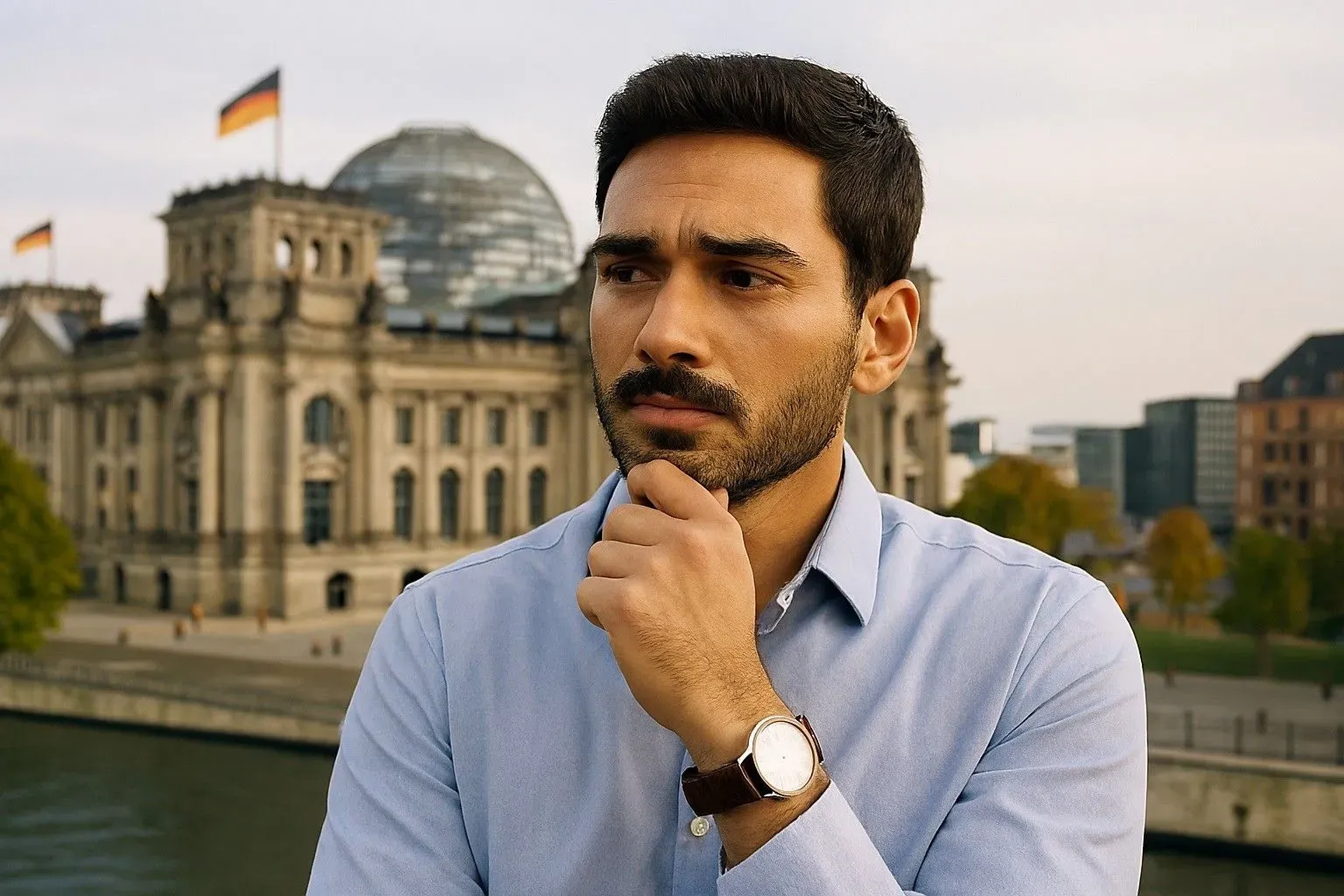
Can You Change German States After Starting the PG Process?
Germany is one of the most popular destinations for international medical graduates looking to specialize. With its structured training programs, high-quality healthcare system, and clear licensing pathway, it’s no surprise that thousands of doctors choose Germany for their postgraduate journey. But what happens if you’ve already started the PG process in one German state and realize another might be a better fit? Can you switch states mid-way—and if so, what are the risks and benefits?
At MissionGermany, we help medical aspirants make smart, strategic decisions throughout their PG journey—including navigating state changes when necessary.
Contact us today:
Website: www.missiongermany.in
Phone: +91 96155 43210
Address: 1st Floor, Blood Bank, H.no 3-5-1101/1B1, Madina Mansion Rd, opp. central, Narayanguda, Hyderabad, Telangana 500027
Understanding the Federal Structure
Germany is a federal country made up of 16 states (Bundesländer), each with its own medical council and licensing authority. While the overall medical education system is standardized, each state has its own rules for recognizing foreign degrees, language requirements, and processing timelines. This means your experience in one state can be very different from another—even if the goal is the same.
Why Doctors Consider Changing States
There are several reasons why medical graduates consider switching states after starting the PG process:
Long processing times: Some states take 6–12 months to process Approbation (medical license), while others are faster.
Stricter document requirements: Certain states are known for more rigid verification processes.
Language barriers: Some states require C1-level German, while others accept B2 for initial steps.
Better job opportunities elsewhere: Rural states often have more openings and less competition.
Personal reasons: Family, lifestyle preferences, or support networks in another region.
Is It Legally Possible to Switch States?
Yes, it is legally possible to change states during your PG journey. However, it’s not always simple. Here’s what you need to know:
New application required: You’ll need to submit a fresh application to the new state’s medical council.
Document re-verification: Even if your documents were accepted in one state, the new state may ask for additional translations, notarizations, or apostilles.
Language level reassessment: Your current language certificate may not meet the new state’s standards.
Job search reset: You may need to start your job hunt from scratch, especially if you were already in a hospital.
Risks of Changing States Midway
While switching states can be beneficial, it also comes with risks:
Loss of time: You may lose months waiting for new approvals.
Financial strain: Extended waiting periods can affect your budget.
Emotional stress: Starting over in a new environment can be challenging.
Uncertainty: There’s no guarantee the new state will process your application faster.
Smart Tips Before You Decide
If you’re thinking about changing states, here are some smart strategies to follow:
Do thorough research: Compare states based on processing speed, language requirements, and job market.
Talk to experts: Get advice from professionals who understand the system.
Check hospital demand: Some states have more vacancies for foreign doctors.
Prepare documents early: Have all your paperwork ready in case re-verification is needed.
Be realistic: Understand that switching states is not a shortcut—it’s a strategic move that needs planning.
How MissionGermany Supports You
At MissionGermany, we’ve helped hundreds of medical graduates successfully navigate state changes. Our team provides:
Personalized guidance on choosing the right state.
Support with document preparation and translations.
Updates on state-specific rules and timelines.
Job search assistance tailored to your new location.
We believe that every doctor deserves a smooth and successful PG journey—and we’re here to make that happen.
Final Thoughts
Changing German states during your PG process is possible, but it’s not a decision to take lightly. It requires careful planning, clear understanding of state-specific rules, and a realistic view of the challenges ahead. With the right support and strategy, switching states can open new doors and help you move forward faster.
If you’re pursuing Medical PG in Germany, and feel stuck or unsure about your current state, reach out to MissionGermany. We’ll help you make informed decisions and guide you every step of the way.