peter burgess: photographs
Hello,
I am a graphic designer (retired) and a photographer (self-taught).
This website is about whatever I am working on currently. I archive everything else onto my flickr space - there is a link below.
If I had to describe my work I would class it as objective and deadpan: concerned with the slow, quiet, processes* that underlie and support what we generally describe as the natural landscape.
I don't exhibit, I haven't published any books, and I'm not on anything Mark Zuckerberg owns. I keep meaning to write a long-form piece on Substack but life always - well you know ...
*The American photographer Eliot Porter wrote of the slow, quiet, processes that pass almost unnoticed from season to season. His photographs of a woodland floor in winter inspired me to look more closely at what was around and under my feet. Eliot Furness Porter (December 6, 1901 – November 2, 1990).
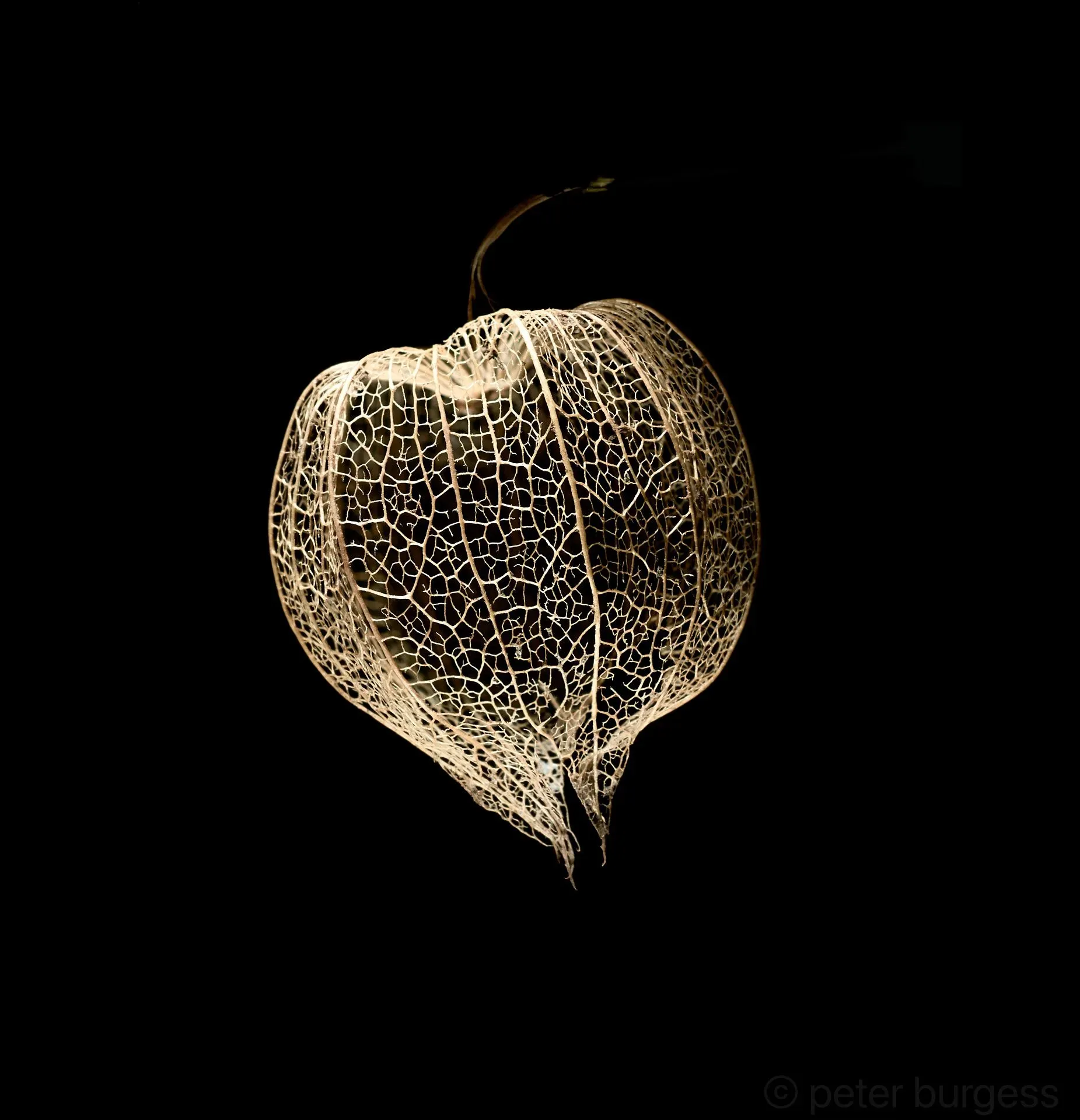
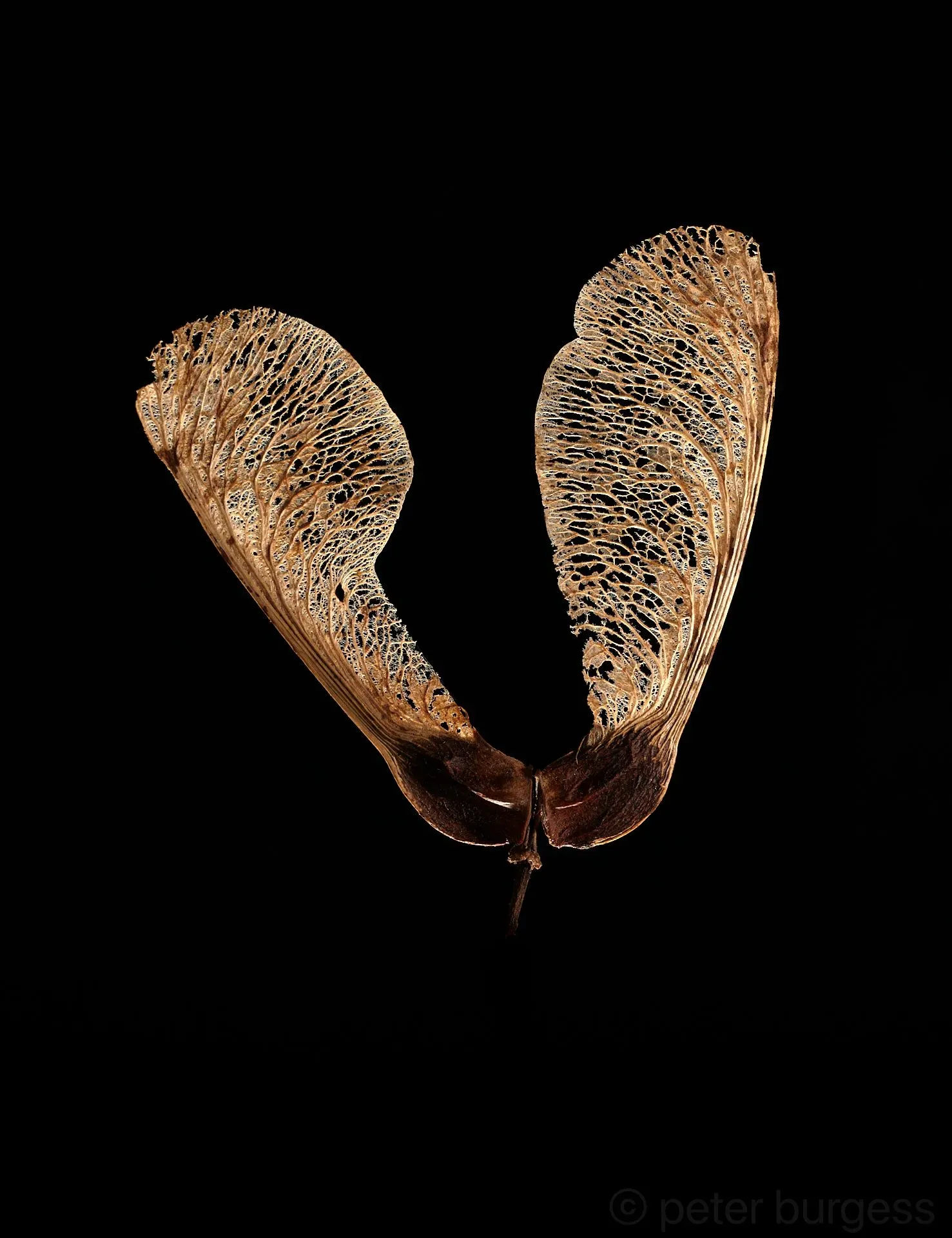
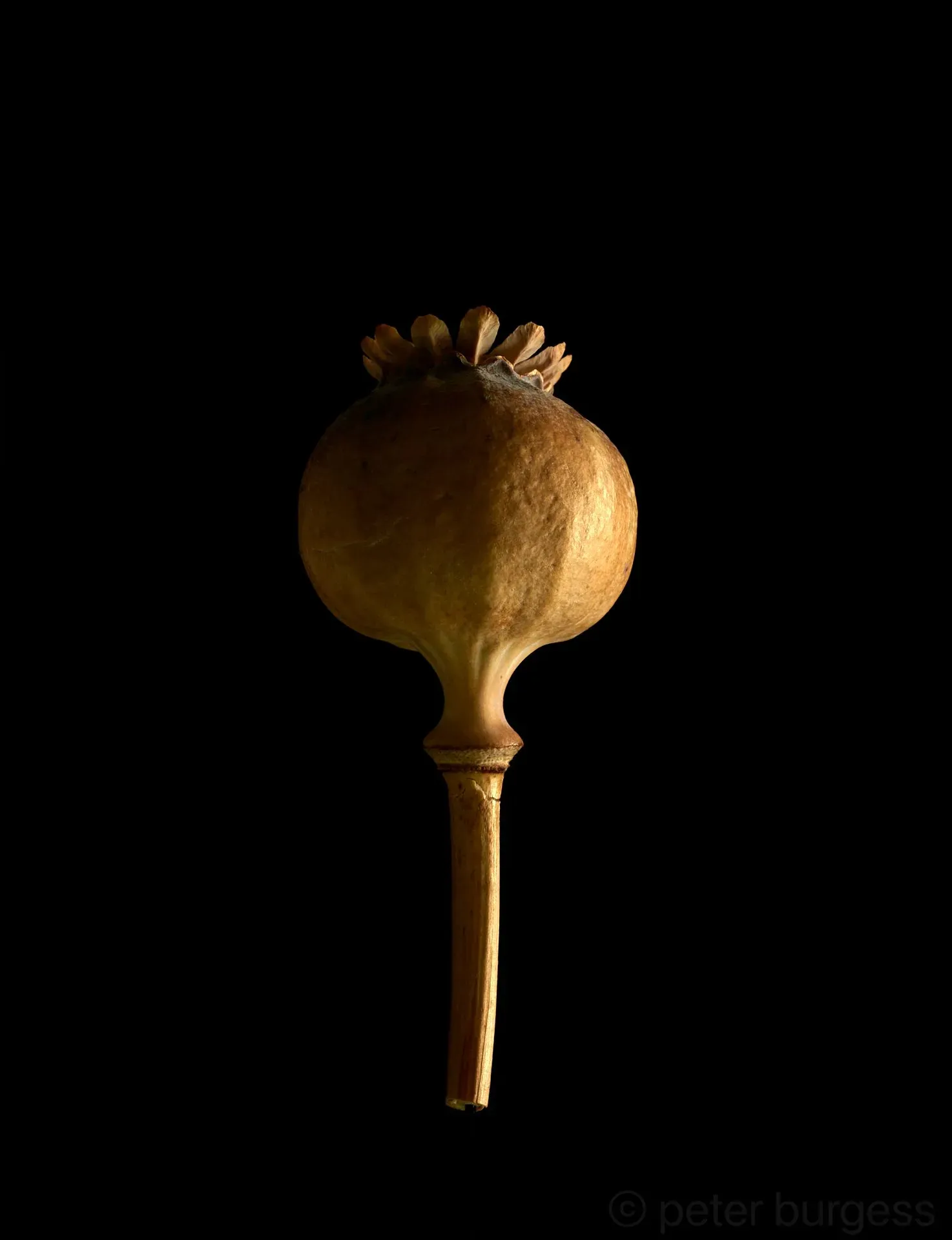
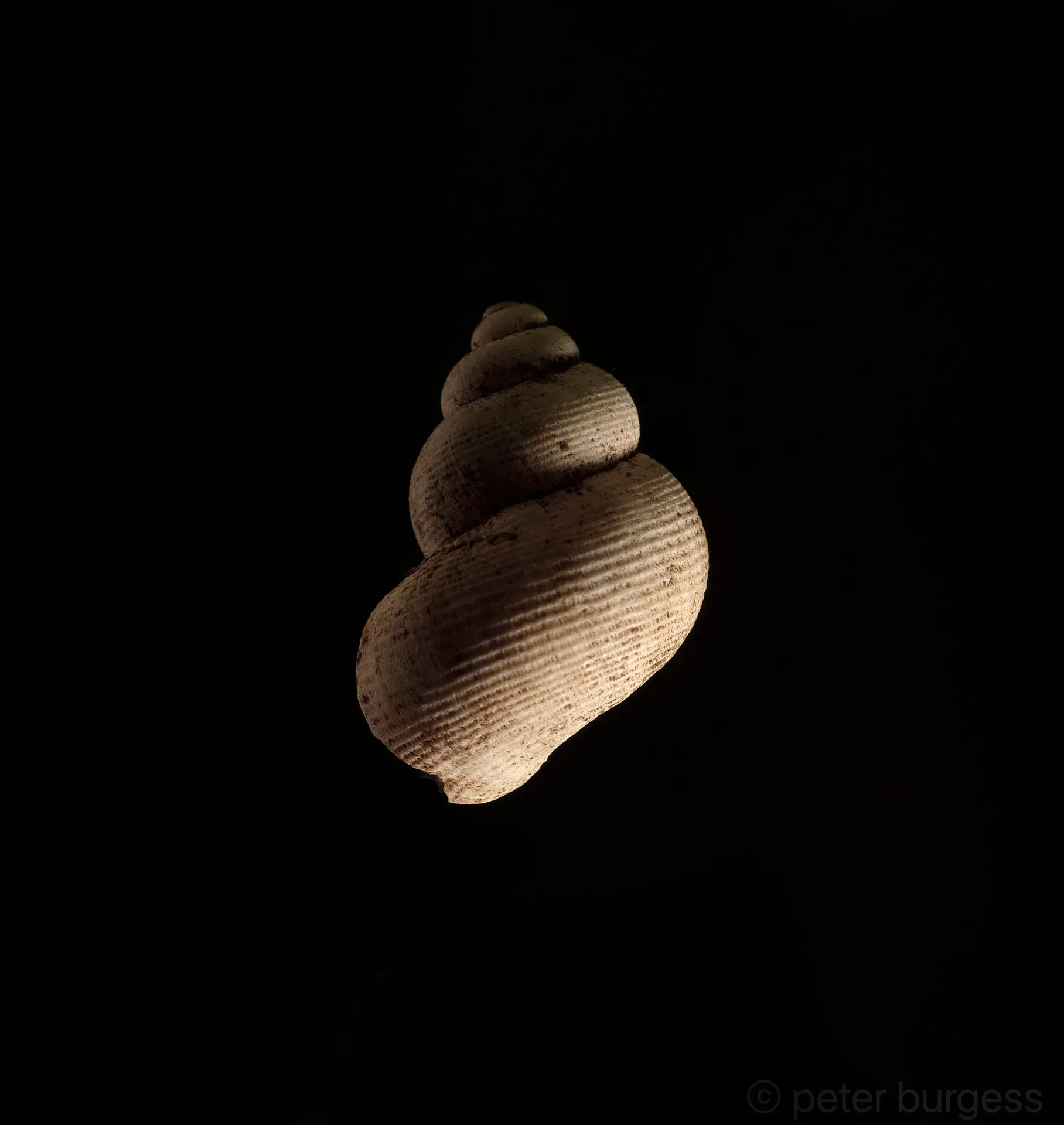
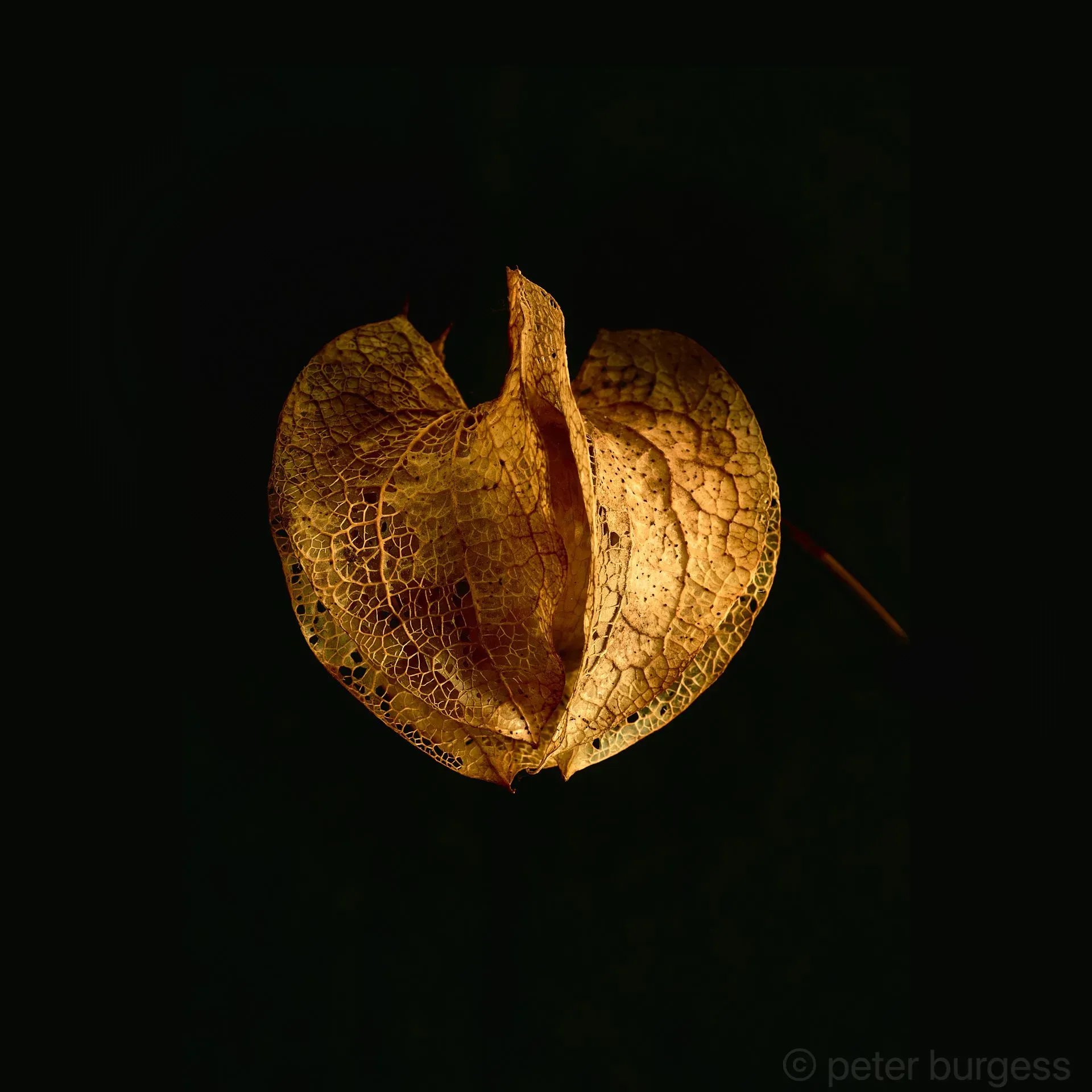
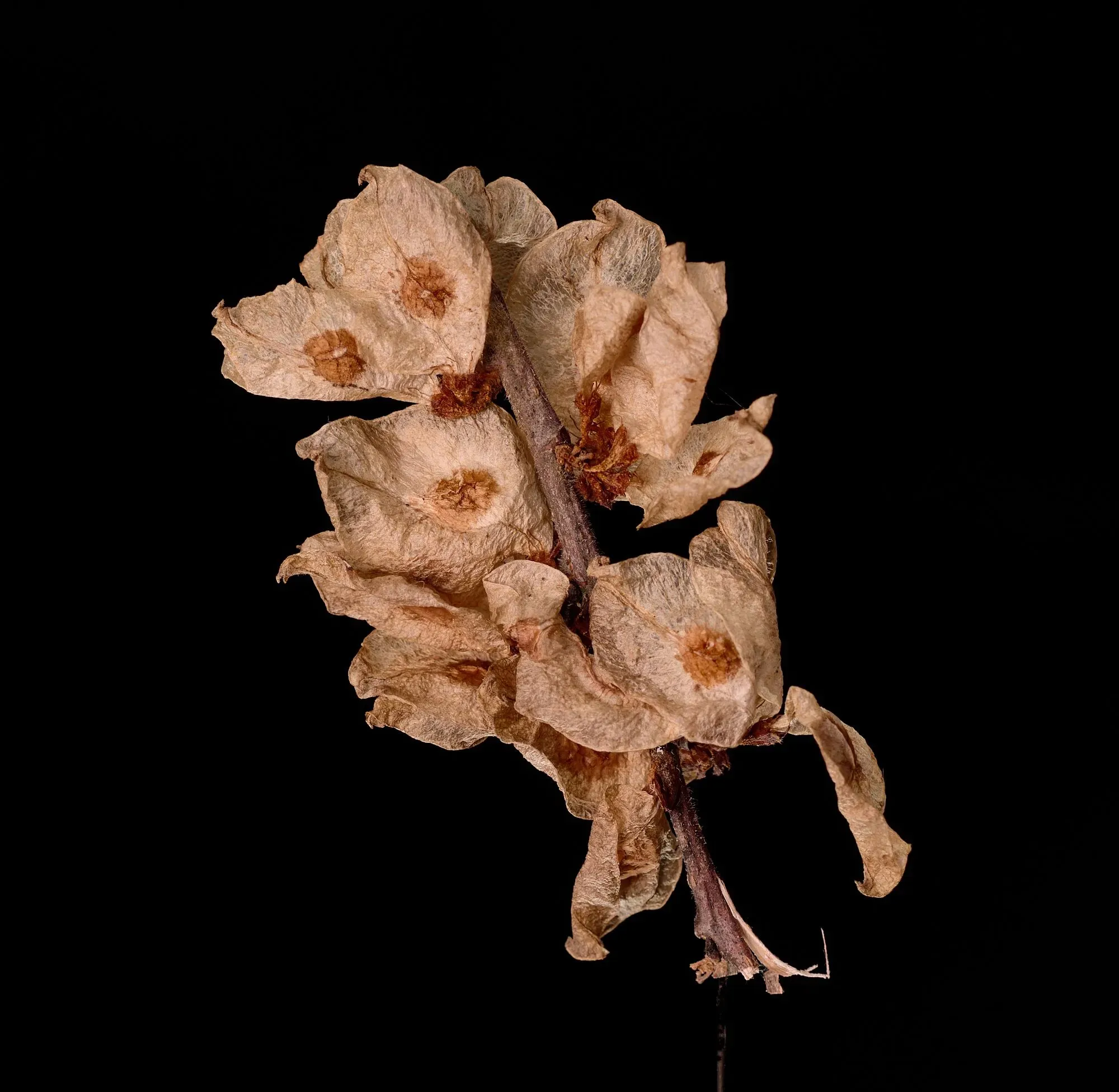
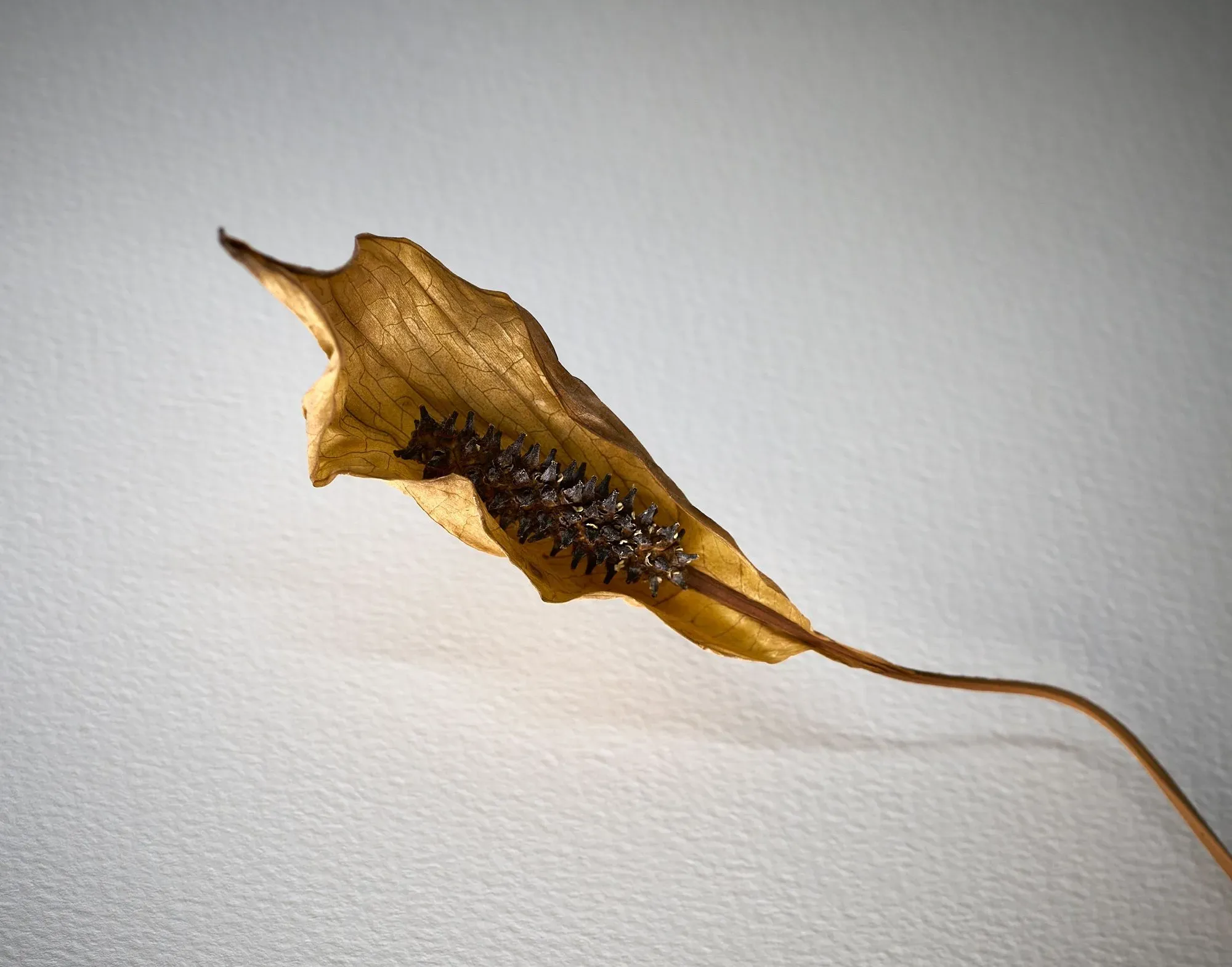
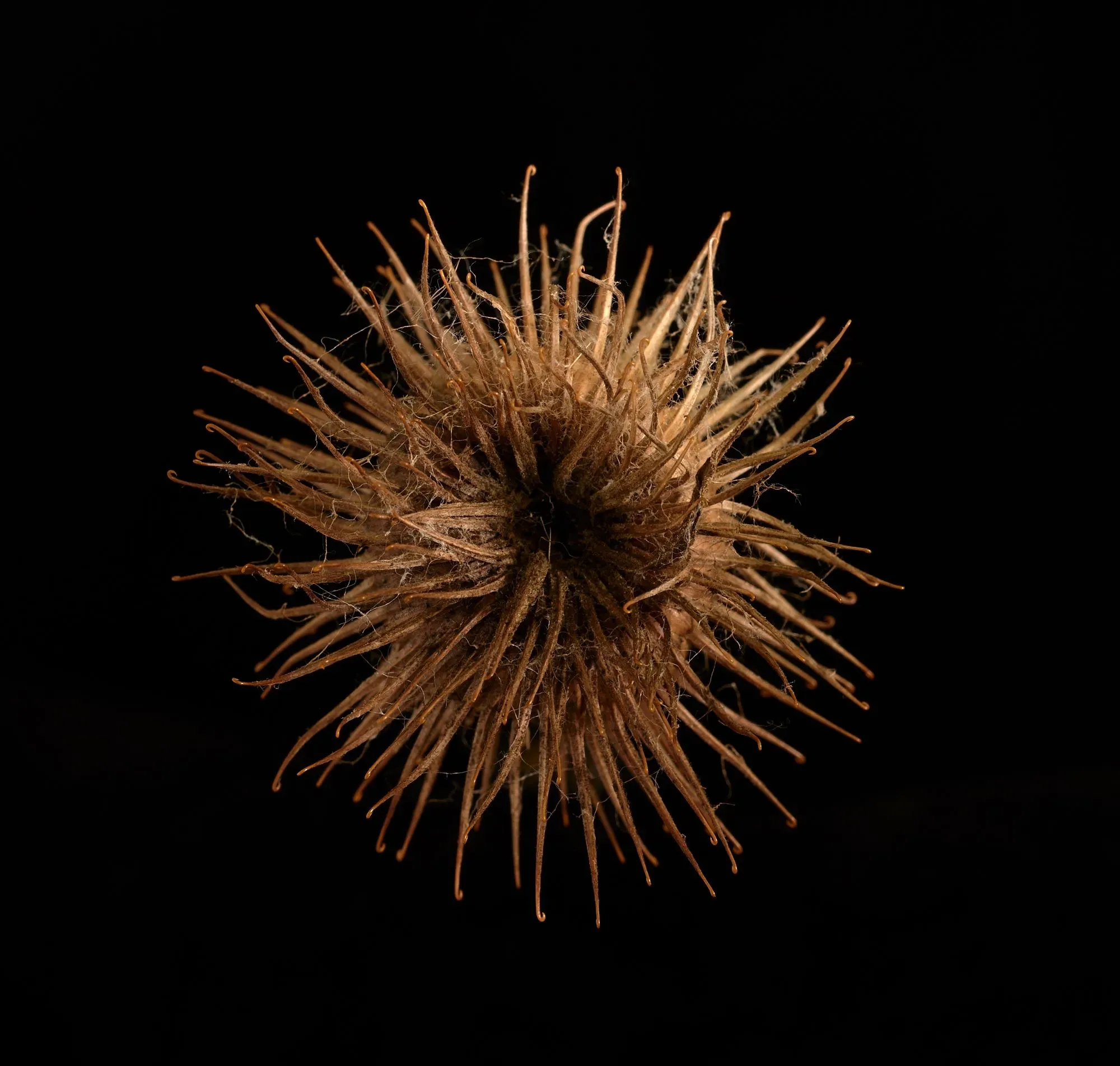
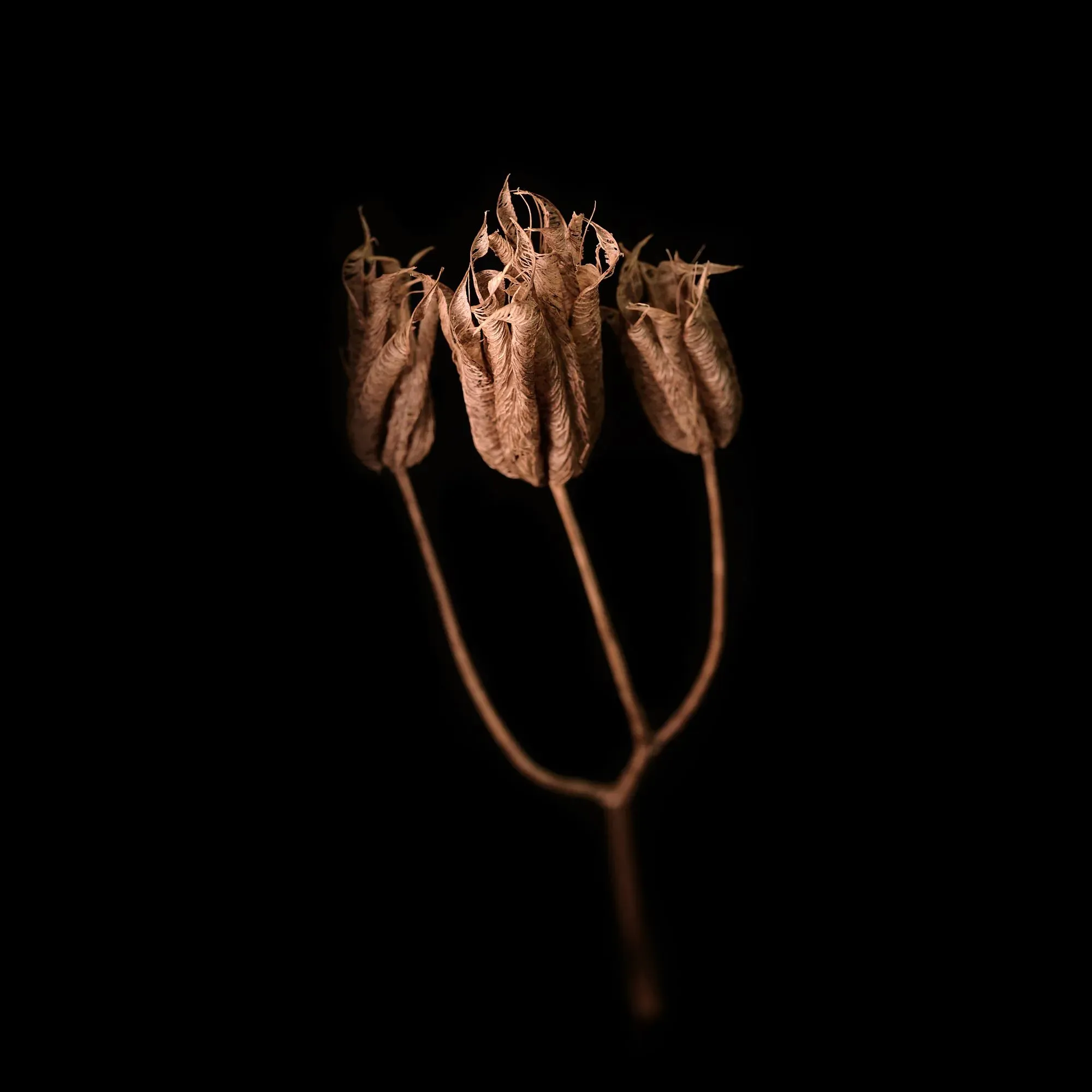
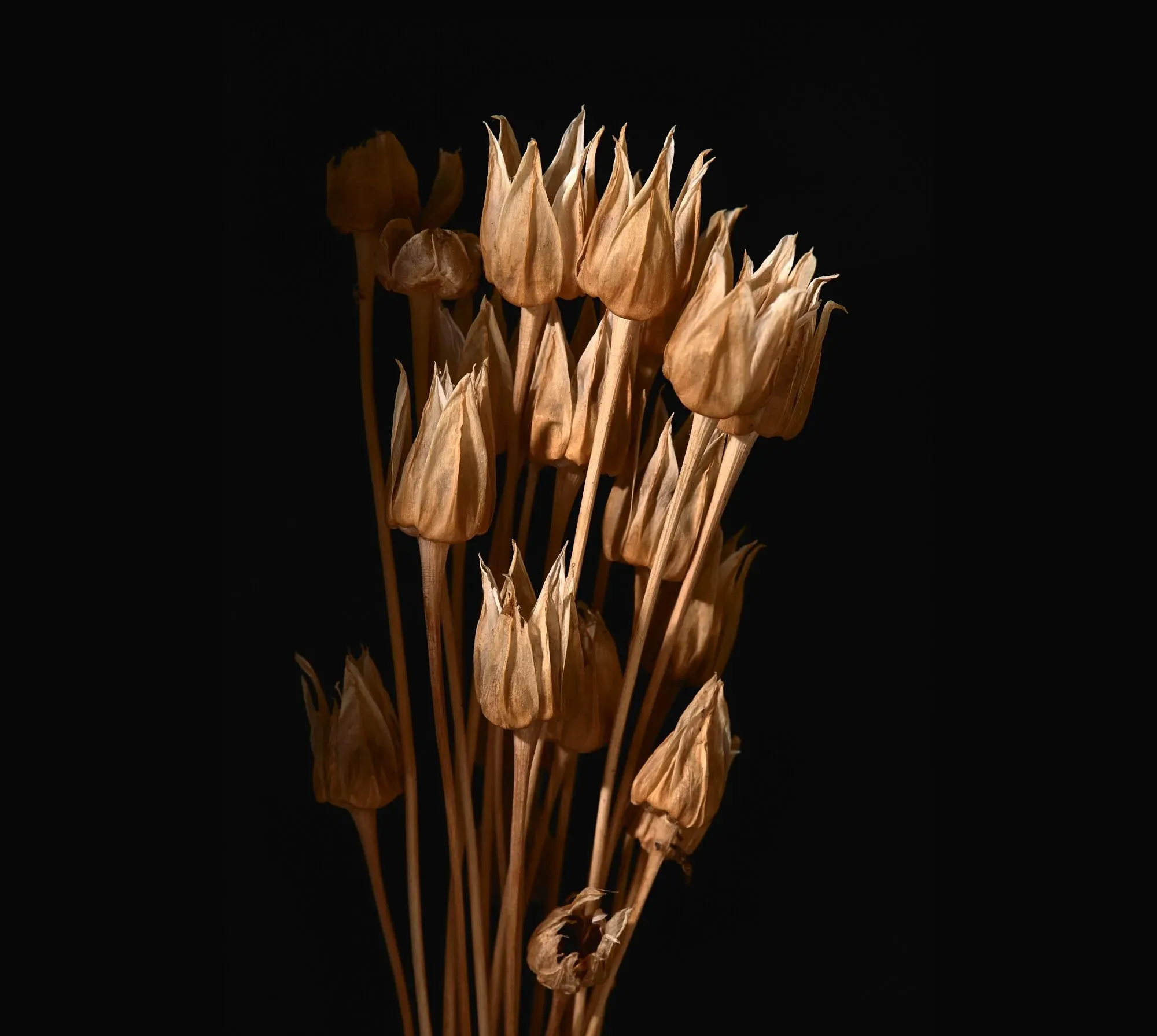
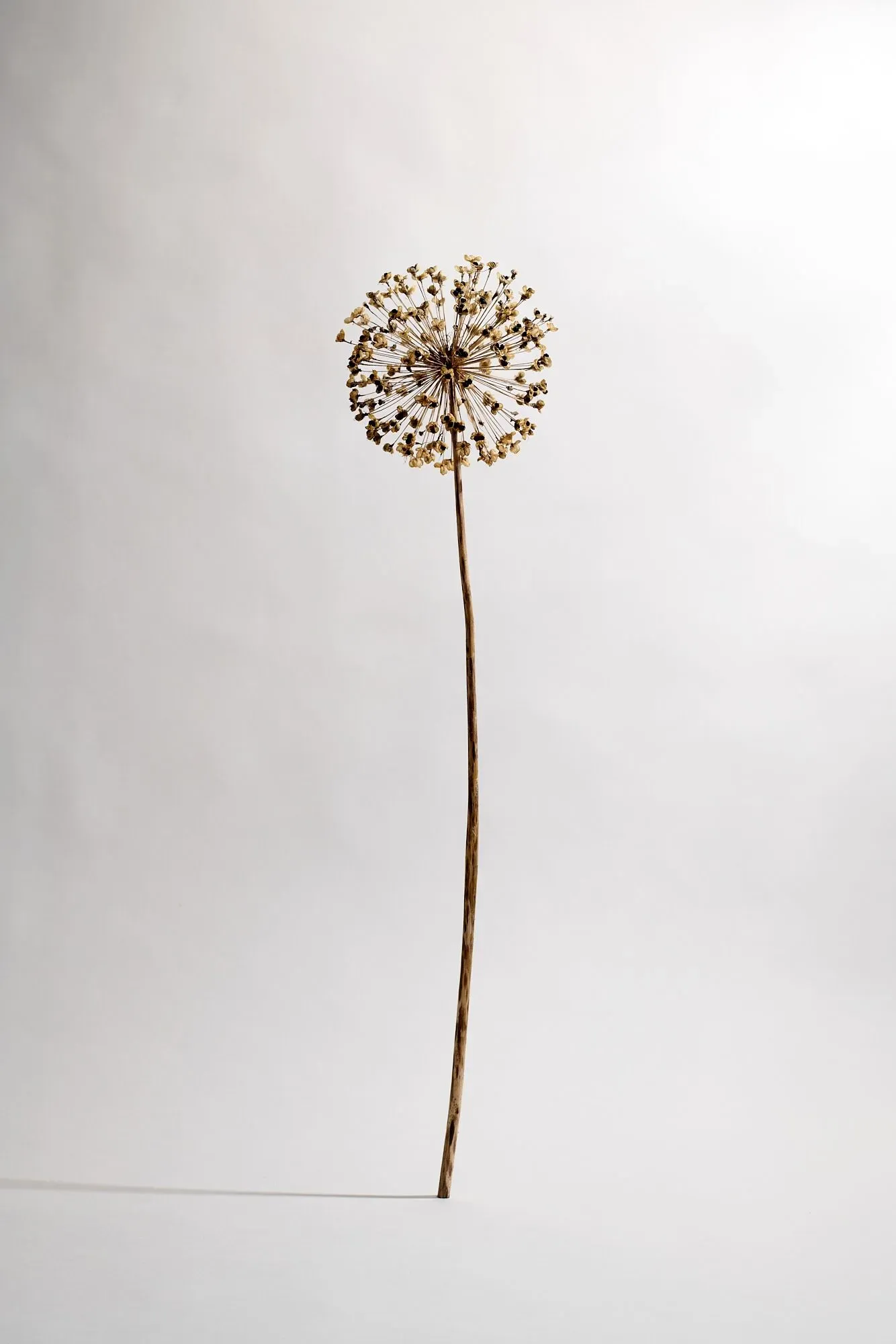
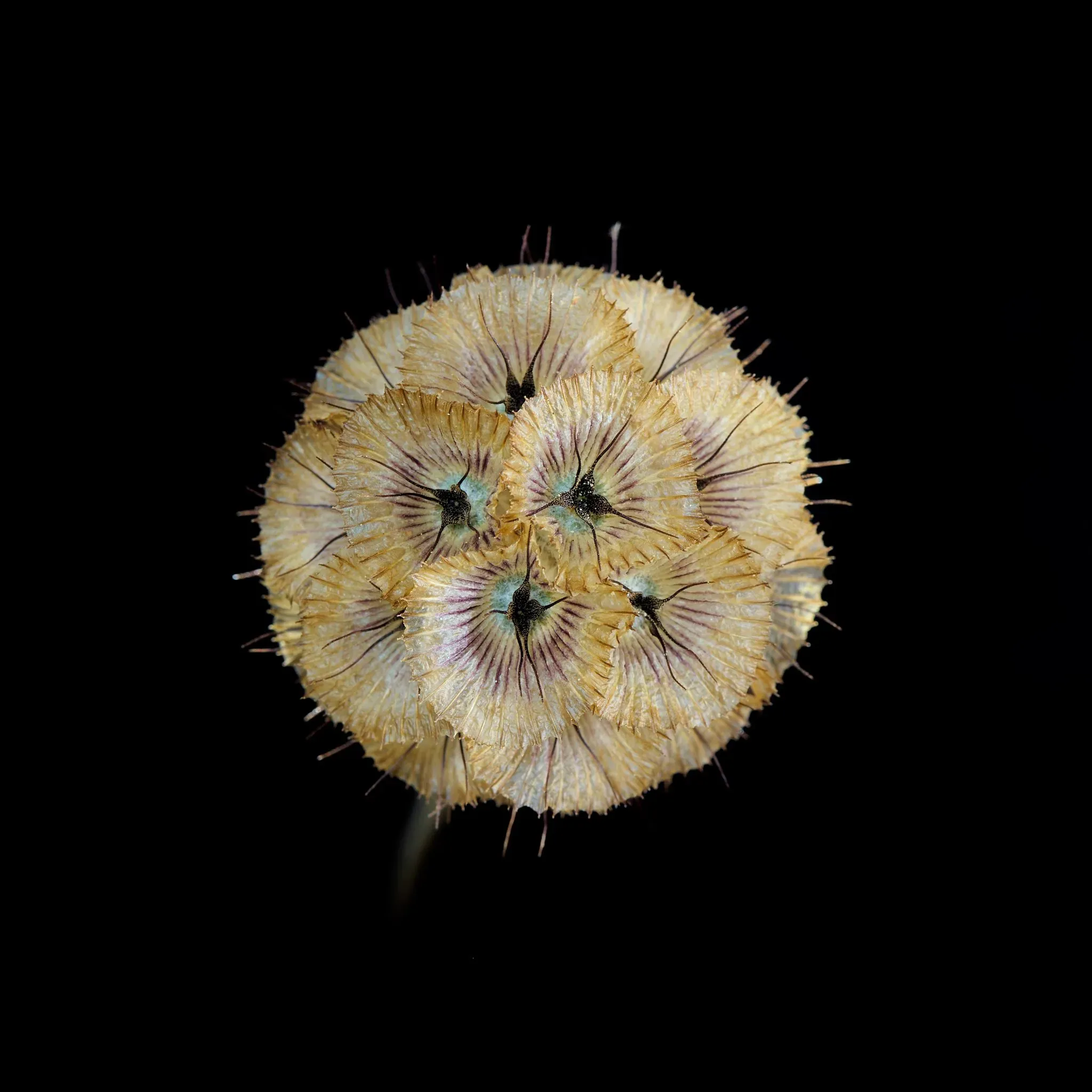
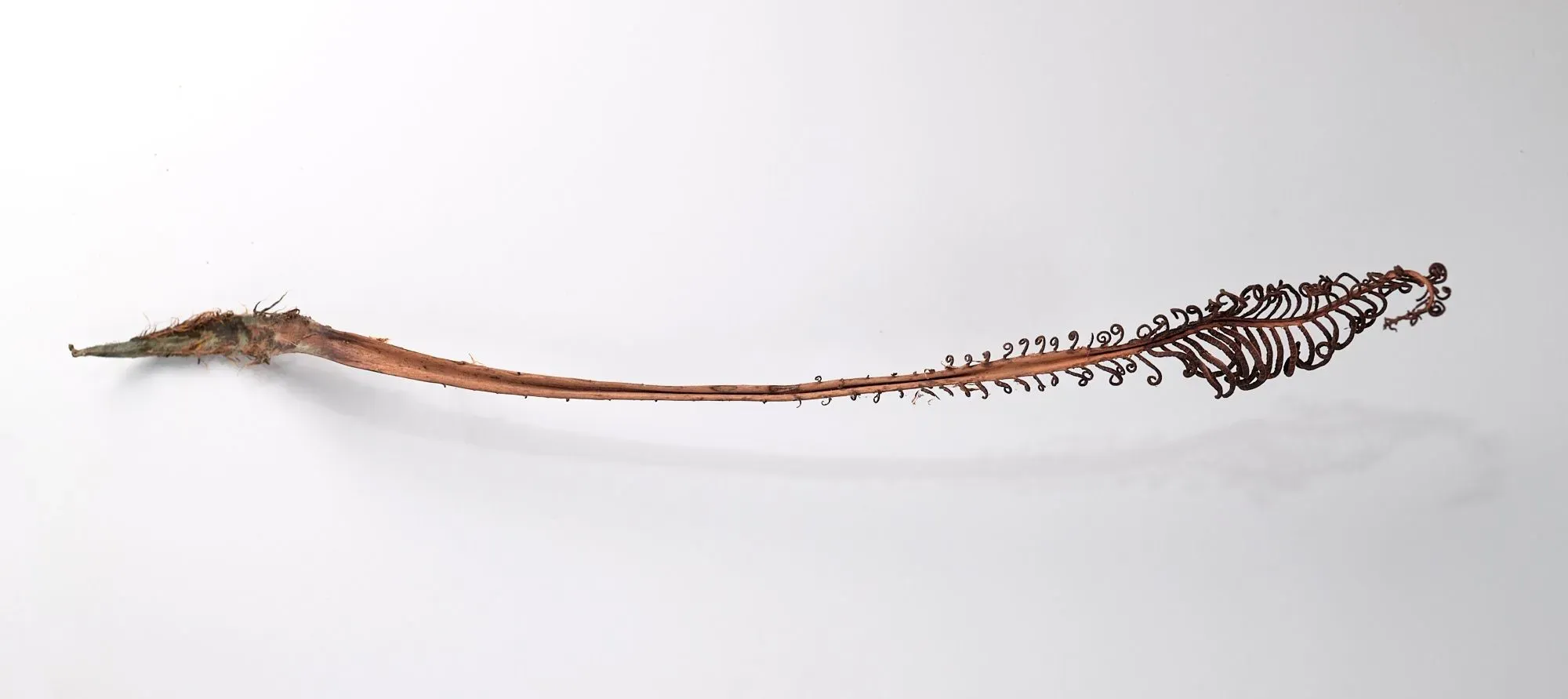
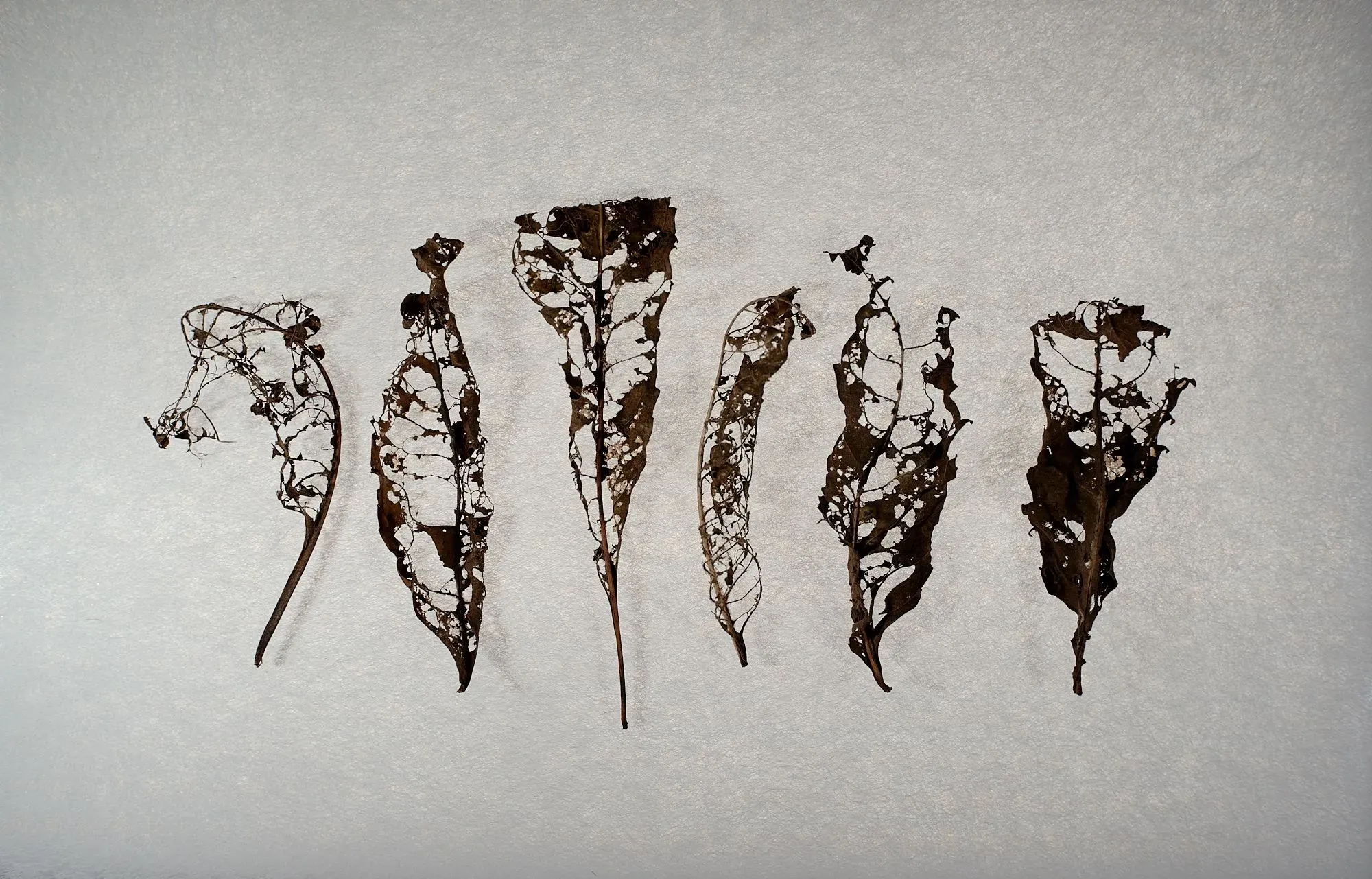
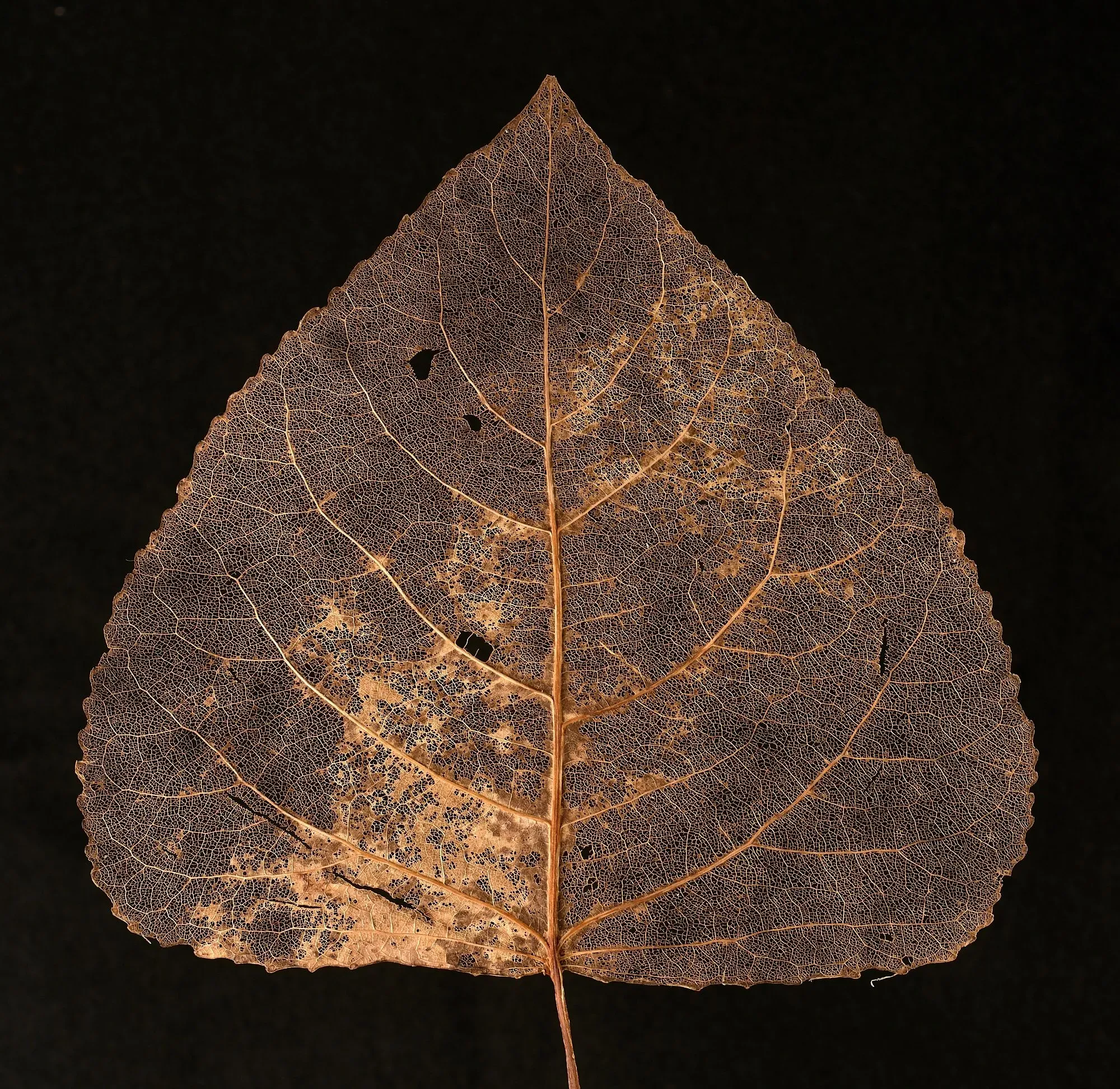
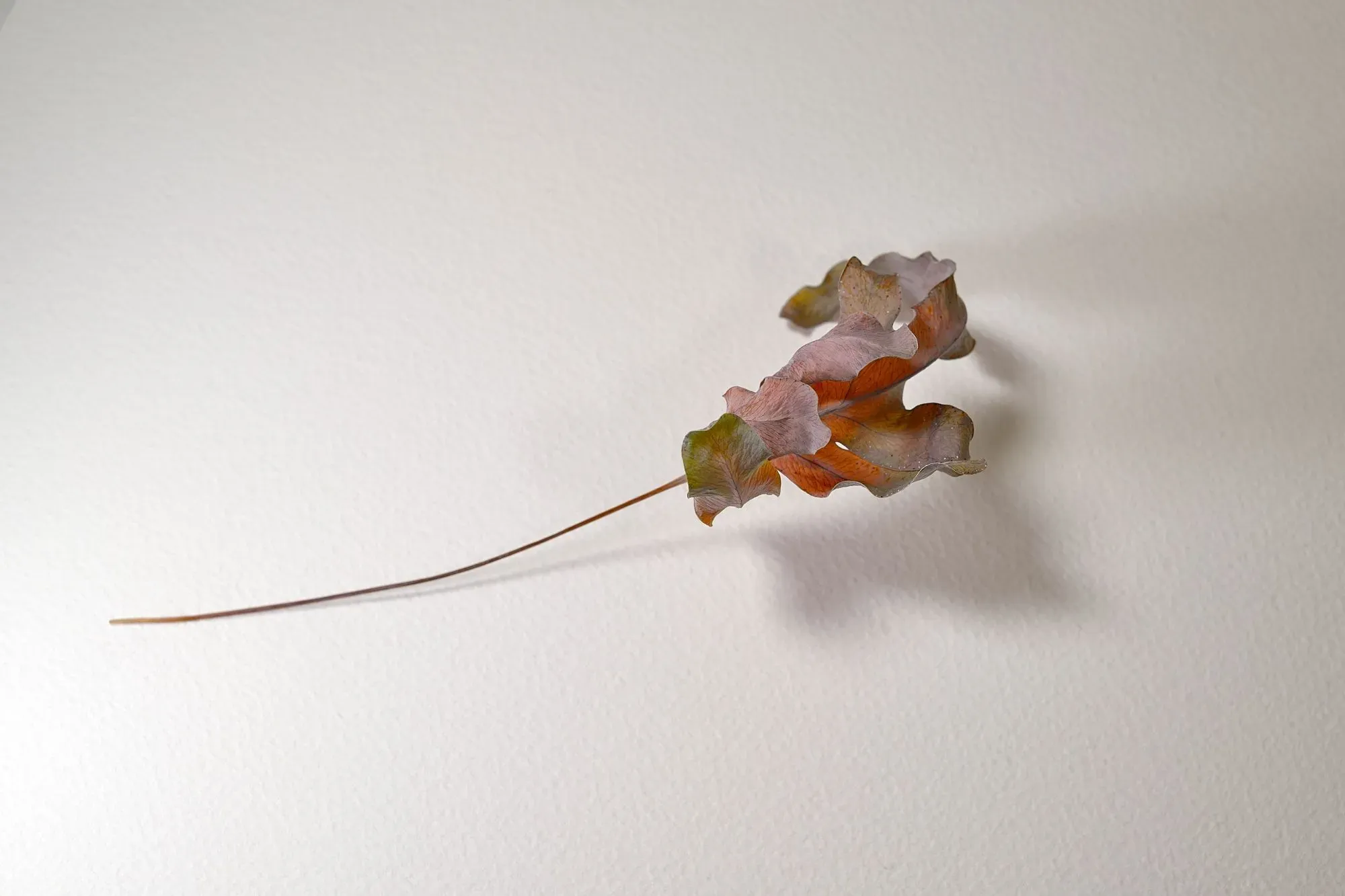
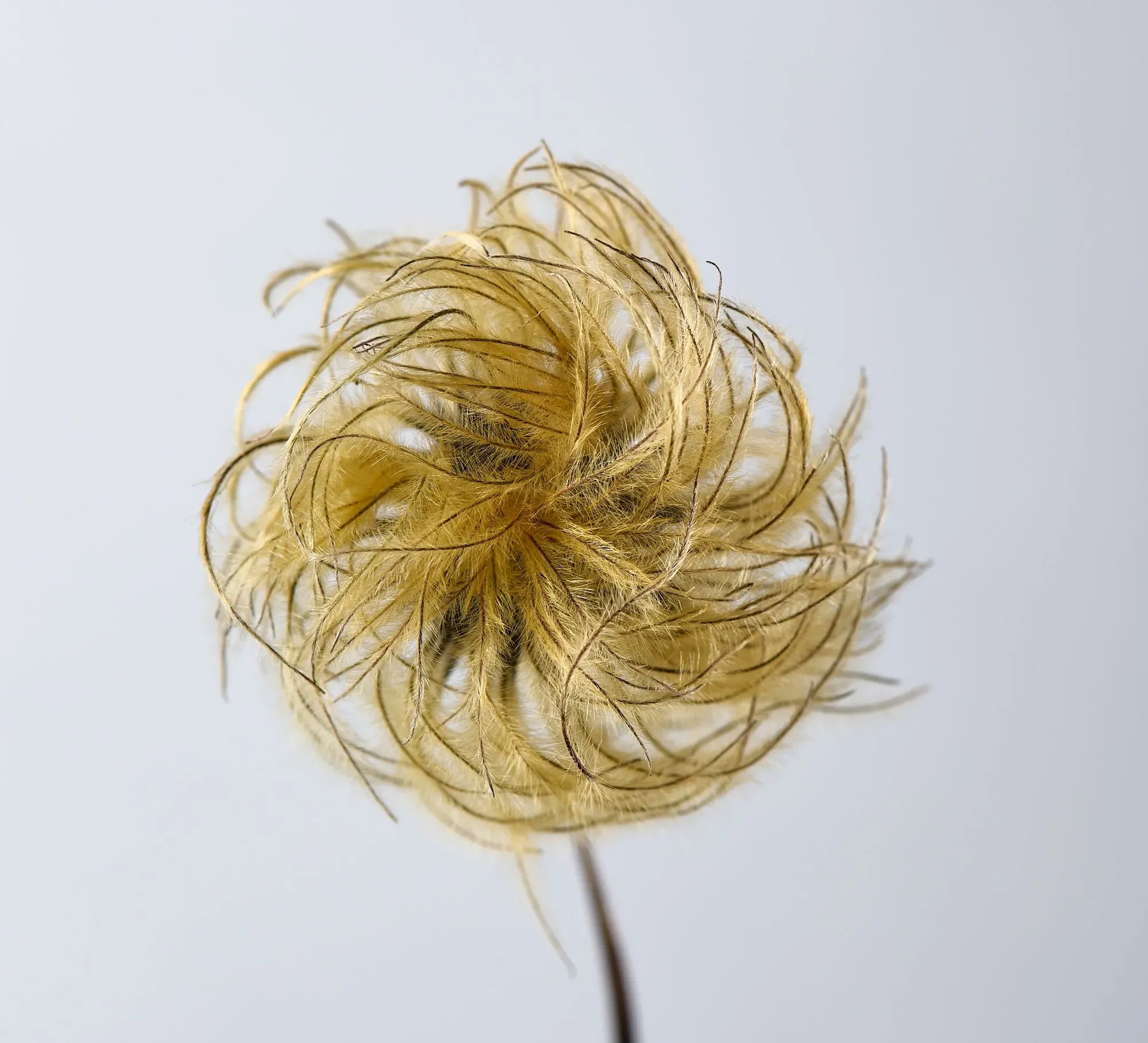
Husk: from the Middle Dutch word 'huusken' meaning 'little house’
By the end of November most plants and trees have completed their autumnal senescence. The ground is covered in dead and decaying leaves; the hedgerows and margins populated by the skeletal remains of flowering plants and the desiccated husks of seed heads.
My objective with Husk has been to take the tiny autumn discards and by photographing them in a particular way reveal their structural beauty and elevate them from invisible to interesting. To present the viewer with a complexity that one would normally associate with a piece of sculpture, or jewellery. But unlike a Fabergé egg or a Giacometti figure, whilst the material itself is worthless the forms can be extraordinary.
In botany, a husk (or hull) is the outer shell or coating of a seed. The other botanical term for a seed casing is Calyx, from the Latin calix which itself comes from the Ancient Greek κάλυξ (kálux) meaning "husk" or "pod". I don't follow the botanical definition literally when it comes to suitable subjects.
Husk can also refer to the exuvia of insects or other small animals left behind after moulting.