How Can a Roofer Newmarket Help You Decide Between Roof Repair and Full Replacement?
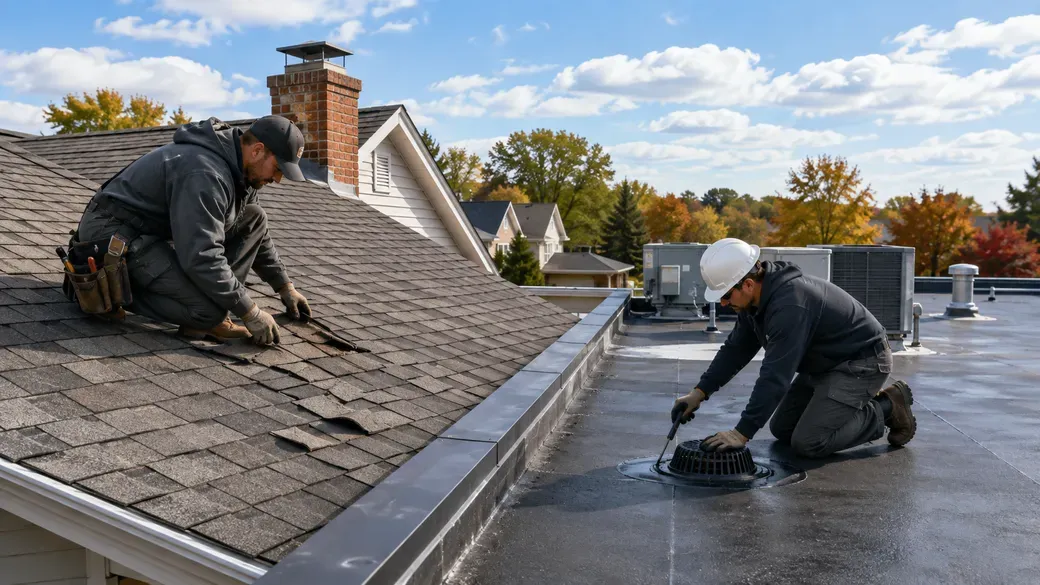
A roof rarely fails all at once. More often, warning signs appear gradually: recurring leaks, loose materials, damaged flashing, ponding water, ceiling stains or repairs that stop lasting. For Newmarket property owners, the real question is whether another repair still makes financial sense or whether replacement now offers better long-term value.
An experienced roofer newmarket property owners consult should begin with evidence, not a sales recommendation. Roof age, surface condition, drainage, insulation, ventilation, previous repairs, moisture movement and deck condition all influence the answer.
Why Is the Repair-or-Replace Decision More Complicated Than It Looks?
A visible leak does not always show where water entered. Water can travel beneath membranes, along decking, around penetrations or through insulation before appearing indoors. Therefore, repairing only the visible symptom may leave the real source untouched.
A useful roofing newmarket assessment should answer three questions: Where did the problem start? How far has damage spread through the assembly? How much dependable service life could remain after a proper repair? Once those answers are clear, owners can compare immediate cost with long-term performance.
What Does a Roofer Inspect Before Making a Recommendation?
A proper inspection looks beyond the top layer.
Surface Materials and Membranes
On sloped roofs, an inspector checks for missing, cracked, lifted or heavily worn shingles, along with damaged valleys and failed sealants. On commercial flat roofs, the focus often shifts to membrane splits, open seams, punctures, blisters, surface wear and ponding water.
The pattern matters. One isolated defect can support repair, while widespread deterioration may point toward replacement.
Flashing, Penetrations and Moisture
Leaks often begin around chimneys, vents, skylights, drains, parapets, HVAC curbs and wall connections. For example, one failed flashing detail may need only a focused repair. However, failing flashings across an aging system can signal a broader problem.
Soft areas, sagging, damp insulation or repeated moisture entry can show that damage extends below the surface.
Drainage and Ventilation
Water must leave the roof efficiently. Blocked drains, damaged scuppers, poor slopes or low areas can keep water on commercial roofs longer than intended. Meanwhile, attic heat and moisture conditions also influence roof performance.
Natural Resources Canada notes that attic ventilation can support roofing longevity. Therefore, a strong recommendation should consider the whole roof assembly.
When Is Roof Repair Usually the Better Choice?
Repair often makes sense when damage affects a limited area, surrounding materials remain sound and the roof still has useful life ahead.
For instance, roof repair newmarket may be appropriate after limited storm damage, a puncture in one membrane area, a flashing failure or several missing shingles. Repairs can also work when an inspection identifies a specific leak source without widespread substrate damage.
Still, the repair must address the cause rather than cover the symptom. Repeated repairs in different areas over a short period can indicate a broader lifecycle problem.
This distinction matters for both residential properties and businesses comparing roofers in Newmarket. A professional assessment should explain not only whether a repair can stop the immediate leak, but also whether the surrounding roofing system remains reliable enough to justify that investment.
When Does Full Roof Replacement Make More Sense?
Replacement becomes more reasonable when defects are widespread, moisture has reached multiple layers or repairs no longer provide predictable performance.
A roofer newmarket may recommend replacement when large areas show advanced wear, several seams or flashings are failing, moisture has spread through insulation or decking, or leak calls keep returning.
For commercial properties, the calculation extends beyond roofing invoices. Frequent leaks can disrupt tenants, damage finishes or inventory and require repeated emergency access. As a result, owners should compare the total cost of continued failure with the cost of a planned replacement.
The National Research Council Canada provides tools that evaluate wind loads and climate severity for commercial roofing systems.
That broader performance perspective matters when evaluating roofing in Newmarket, particularly on larger commercial and low-slope buildings where drainage, membrane attachment, rooftop equipment and weather exposure all affect long-term performance.
How Much Should Roof Age Influence the Decision?
Age matters, but it should never decide the project by itself.
Instead of asking only, “How old is the roof?” ask, “What condition is the roof in for its age?”
Material quality, installation workmanship, maintenance, ventilation, drainage, storm exposure, rooftop traffic and previous alterations can cause roofs of similar ages to perform very differently.
Roofers Newmarket property owners consult should treat age as one part of the condition assessment, not as an automatic replacement trigger.
An older but well-maintained roof may still support targeted repairs. On the other hand, a newer system with installation defects, trapped moisture or repeated failures may require more extensive corrective work.
What Should You Compare Besides Repair and Replacement Prices?
Comparing one repair quote with one replacement quote does not show the full financial picture.
A better comparison considers likely costs over the next several years, including repeat repairs, damage, disruption and maintenance.
Conversely, a sound roof with one repairable defect does not need replacement simply because a new system offers a longer warranty.
When comparing roofing companies Newmarket property owners are considering, ask each contractor to explain:
the exact cause of the problem;
whether moisture has reached lower layers;
what the proposed repair will and will not solve;
how the work affects existing warranties;
what replacement would correct that repair cannot;
what maintenance the roof will need afterward.
This makes contractor comparisons more useful than price alone.
A contractor should also explain the expected remaining service life after a repair. If a repair restores reliable performance for several years, it may offer strong value. However, if another major roofing project will likely follow soon, replacement may prove more economical.
Why Do Commercial Roofs Need a Different Decision Framework?
Commercial roofs often include large low-slope areas, drains, mechanical equipment, service traffic and many penetrations. A leak may affect one zone while the rest of the roof remains functional, which can make sectional repair or partial replacement practical.
However, trapped moisture can spread beneath some assemblies. Therefore, commercial properties may need moisture investigation before finalizing the scope.
Business operations also shape the decision. A newmarket roofing company should consider roof access, tenant activity, loading areas, equipment, noise, debris control and safe work sequencing.
Ontario also sets safety requirements for construction projects on flat roofs, reinforcing the need for careful planning.
For owners researching roofing Newmarket Ontario services for commercial properties, these operational factors can be just as important as material costs. A planned project can often reduce disruption compared with repeated emergency repairs that occur without warning.
Can Partial Replacement Be a Smart Middle Option?
Yes. Some roofs do not fit neatly into “small repair” or “complete replacement.”
If one section has deteriorated while the rest remains sound, partial replacement can solve the larger localized problem without removing serviceable roofing.
This situation can occur when different parts of a building were constructed at different times, one roof section receives heavier weather exposure or rooftop mechanical work affected a specific area.
Still, compatibility matters. New materials must connect correctly with existing membranes, flashings, drainage details and warranty conditions.
A qualified roofer newmarket should explain whether partial replacement is technically practical and how future maintenance should work.
Property owners should also ask whether the new section will create different maintenance cycles across the building. Understanding those future responsibilities helps prevent surprises several years later.
What Questions Should You Ask Before Approving the Work?
Before signing a contract, ask for a clear explanation of the findings and scope. Ontario consumer guidance recommends written estimates and careful contractor comparison for roofing work.
Ask:
What evidence supports repair instead of replacement?
Does the damage stop at the surface or extend below it?
How will the contractor handle drainage, flashing, ventilation and penetrations?
What conditions could change the scope after work begins?
What workmanship and manufacturer warranties apply?
For commercial work, how will the team protect daily operations?
Can you provide photos or documentation of problem areas?
Property owners should also request a clearly defined scope. For example, replacing flashing around one penetration is very different from rebuilding several roof transitions. Detailed documentation makes it easier to understand exactly what the contractor plans to correct.
Making the Right Roofing Decision in Newmarket
The right choice comes from understanding the condition of the entire roof system, not reacting to one leak or one estimate. Surface wear, moisture, decking, drainage, ventilation, repair history, remaining service life, operational risk and future plans should all shape the decision.
For commercial property owners especially, lifecycle cost deserves careful attention. A repair that keeps a healthy roof performing can preserve capital. However, repeatedly investing in a deteriorated system can eventually cost more than a properly planned replacement.
Spiros Aluminum & Roofing Inc. provides residential and commercial roof repairs and replacements, including flat and metal roofing, across the Greater Toronto Area. For Newmarket property owners, a condition-based inspection is the logical first step because it defines the problem before anyone chooses the scope.
Spiros Aluminum & Roofing Inc. can then help determine which option fits the building’s current condition and long-term needs.
Frequently Asked Questions
1. Can Moisture Testing Help Decide Whether a Commercial Roof Should Be Repaired or Replaced?
Yes, especially when the inspection suggests hidden moisture that visual checks cannot map accurately. Moisture data can help show whether damage remains localized or has spread across a larger section. However, testing should support a physical roof assessment rather than replace it.
2. Is Repeated Leaking Always a Sign That a Roof Needs Full Replacement?
No. Repeated leaks can come from one unresolved drain, flashing detail, penetration or transition. However, leaks appearing in several unrelated areas may indicate broader deterioration. The contractor should identify whether the failures share one cause before recommending replacement.
3. How Do Rooftop HVAC Units Affect Commercial Roof Repair Decisions?
HVAC curbs, pipes, wiring penetrations and service traffic create extra stress points. The roofing team should inspect transitions around equipment and coordinate access. If the owner plans to move or replace units soon, coordinating both projects can reduce the chance of damaging new roofing work.
4. Should a Commercial Roof Be Replaced Before Installing Solar Panels?
Not automatically. First, assess the roof’s remaining service life. Owners should compare roof condition, planned solar life, attachment methods, drainage, structural requirements and warranty implications before installing equipment over an aging roof.
5. How Should Property Owners Compare Repair Warranties With Replacement Warranties?
Separate workmanship coverage from manufacturer coverage. Then review the term, exclusions, maintenance requirements, transfer conditions and rules for work by other trades. A longer warranty is not necessarily better if its scope is narrow.