NDIS Supported Independent Living (SIL) and Specialist Disability Accommodation For Building a More Independent Future - Specialist Disability Housing
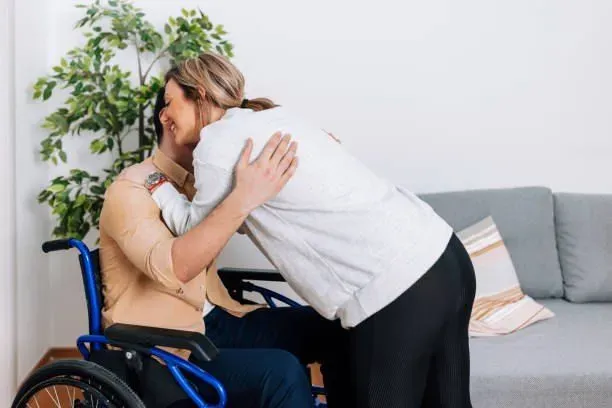
Specialist Disability Housing provides thoughtfully designed disability housing and support solutions that help NDIS participants experience greater independence, safety, comfort and choice. Two important NDIS options that can contribute to a more independent lifestyle are NDIS Supported Independent Living (SIL) and Specialist Disability Accommodation (SDA). While these services are different, they can work together to create a supportive living environment tailored to an individual's needs.

For people with significant disability-related housing and support requirements, choosing the right accommodation and assistance can make everyday life more manageable. With suitable housing, appropriate support and a person-centred approach, participants can build confidence, develop life skills, participate in their communities and work toward their personal goals.
1. Understanding Supported Independent Living (SIL)
Supported Independent Living, commonly known as SIL, is an NDIS support designed for people who require assistance with daily activities while living in a shared or independent home environment. SIL focuses on providing the level of support a participant needs while encouraging them to maintain as much independence as possible.
Rather than taking over everyday responsibilities, effective SIL support encourages participants to develop skills and make decisions about their routines and lifestyle.
Key areas of SIL support may include:
Assistance with personal care and daily routines
Support with meal preparation and household tasks
Assistance with medication routines where appropriate
Help with developing independent living skills
Support with community participation
Assistance with establishing daily schedules
The exact level and type of assistance should be based on the participant's individual circumstances and NDIS plan.
2. What Is Specialist Disability Accommodation?
Specialist Disability Accommodation, or SDA, refers to specially designed housing for people with extreme functional impairment or very high support needs who meet the relevant NDIS eligibility requirements.
SDA homes are designed with accessibility and functionality in mind. Features can vary depending on the design category and individual property.
Potential features may include:
Improved accessibility
Wider doorways and suitable circulation spaces
Accessible bathrooms and kitchens
Assistive technology compatibility
Robust construction where required
Improved safety and accessibility features
SDA is primarily about the housing environment, while SIL is focused on the support a person receives to live as independently as possible.
3. How SIL and SDA Can Work Together
SIL and SDA are separate ndis specialist disability accommodation, but they can complement each other. A participant who is eligible for SDA may live in an appropriately designed SDA property while receiving SIL or other support based on their individual needs.
For example, an accessible home can make it easier for a participant to move around independently, while trained support workers can assist with daily activities and skill development.
This combination can help create a more complete living solution by addressing both:
Where a participant lives
What support they need to live there
Understanding this distinction is important when exploring NDIS housing options.
4. Supporting Greater Independence Through SIL
A major objective of Supported Independent Living is to help participants achieve greater independence in their everyday lives. Independence does not necessarily mean living without support. Instead, it can mean having greater control over decisions, routines, responsibilities and personal goals.
SIL support can help participants gradually develop practical skills such as cooking, cleaning, shopping, budgeting, planning activities and maintaining a household.
Skill development may include:
Preparing simple meals
Organising household tasks
Managing personal routines
Planning shopping trips
Learning household safety
Building confidence in community activities
Support can be adapted according to individual abilities and goals.

5. Choosing the Right Disability Accommodation
Selecting appropriate accommodation is an important decision for participants and their families. The right home should provide more than physical accessibility. It should also support comfort, privacy, safety, community connection and personal choice.
When considering specialist disability accommodation, participants may want to think about:
Location and proximity to essential services
Accessibility requirements
Property design and layout
Privacy and shared spaces
Transport availability
Community facilities
Compatibility with required supports
Future lifestyle goals
A carefully considered accommodation choice can help create a stable foundation for independence.
6. Person-Centred Support for NDIS Participants
Every participant has different abilities, preferences, routines and aspirations. Person-centred support recognises these differences instead of applying the same approach to everyone.
Specialist Disability Housing focuses on creating solutions that respect individual preferences and encourage participants to have an active role in decisions concerning their living arrangements.
A person-centred approach can involve:
Understanding individual goals
Respecting personal choices
Encouraging decision-making
Supporting preferred routines
Promoting dignity and privacy
Reviewing support as circumstances change
The goal is to help participants feel confident and involved in their own lives.
7. Creating Safe and Accessible Living Environments
A suitable living environment can have a significant impact on a person's everyday experience. Accessibility features can reduce physical barriers and make routine activities easier to manage.
For participants with complex disability-related requirements, specialist accommodation may incorporate design elements intended to improve usability, safety and accessibility.
A suitable property can support activities such as:
Moving safely around the home
Using bathroom facilities
Preparing meals
Accessing bedrooms and communal areas
Using assistive technology
Welcoming visitors
Safety and accessibility should always be considered alongside personal comfort and lifestyle preferences.
8. Building Community Participation and Social Connections
Independent living is not only about managing tasks at home. Being connected to the wider community can also contribute to confidence, wellbeing and a sense of belonging.
SIL support may assist participants with accessing community activities according to their individual goals and funded supports. This could include attending appointments, visiting local facilities, participating in recreational activities, or developing social connections.
Community participation can encourage:
Social interaction
Confidence outside the home
New friendships
Participation in hobbies
Greater familiarity with local services
Development of communication and planning skills
A supportive home environment can provide a strong base from which participants can engage with their community.
9. Planning the Right Combination of Housing and Supports
Finding suitable accommodation and support requires careful planning. Participants should consider their current needs as well as their longer-term goals.
It is important to understand that SDA funding and SIL funding serve different purposes and eligibility and funding decisions are based on individual NDIS circumstances.
Participants can consider discussing their requirements with appropriate NDIS professionals and support providers to better understand available options.
Planning may involve considering:
Current functional requirements
Future accessibility needs
Desired location
Preferred living arrangements
Required daily support
Personal independence goals
Existing NDIS funding and plan arrangements
Good planning can help participants make informed choices rather than selecting accommodation based only on availability.
10. Creating a More Independent and Empowered Future
Supported Independent Living and Specialist Disability Accommodation can play valuable roles in helping eligible NDIS participants pursue greater independence. SIL focuses on the practical support required to live as independently as possible, while SDA provides specialised housing designed around significant disability-related needs.
When these solutions are appropriately matched to an individual's circumstances, they can contribute to greater safety, choice, confidence and participation.
Specialist Disability Housing is committed to supporting an approach where accommodation and support are considered around the individual rather than simply around a property or service. By focusing on accessibility, personal preferences, daily living skills and long-term goals, participants can work toward a lifestyle that provides greater control and independence.
Choosing the right NDIS housing and support arrangement is an important personal decision. With thoughtful planning and appropriate guidance, participants and their families can explore options that align with individual needs and create a comfortable foundation for everyday living. For more visit us!