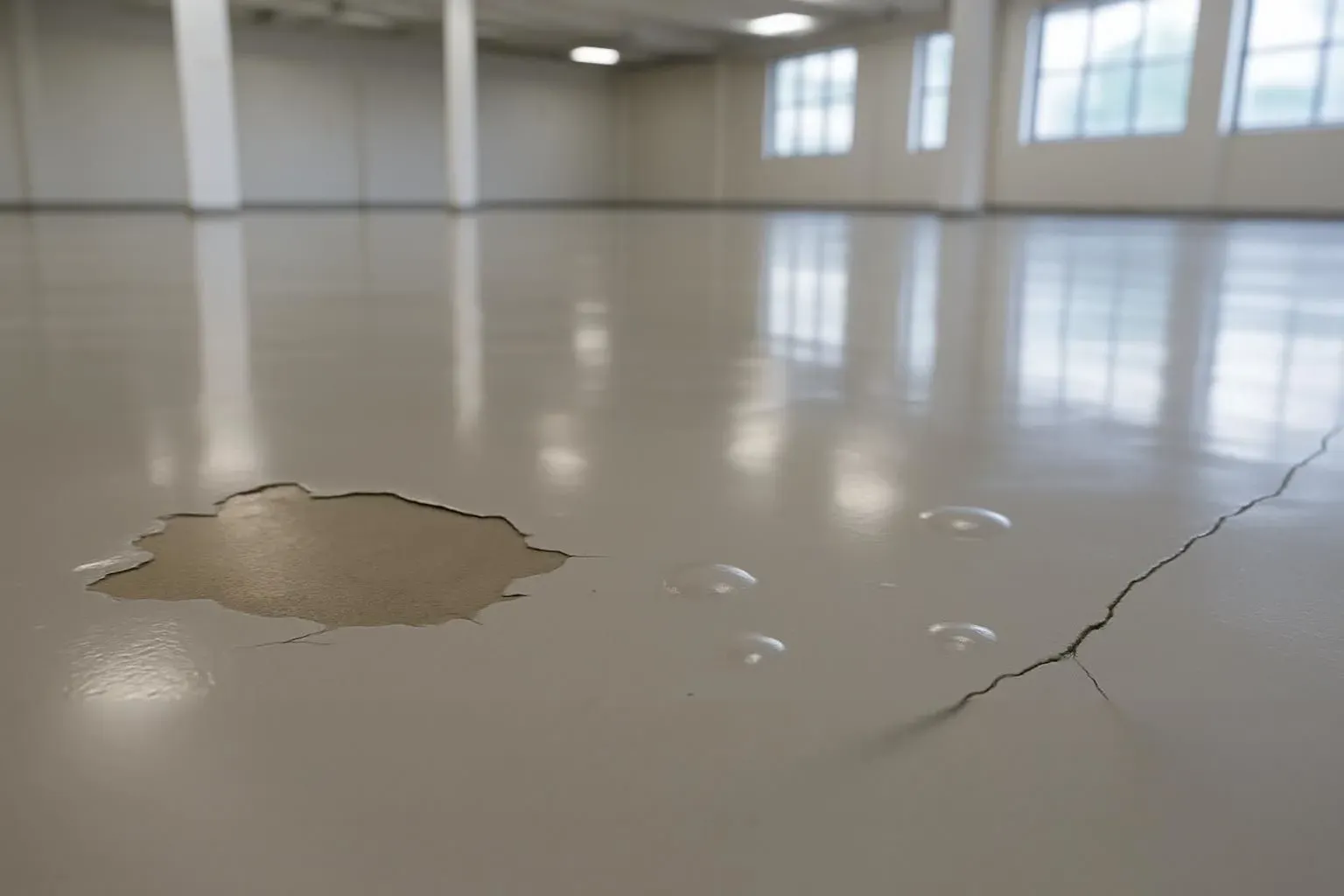
Why Epoxy Flooring Peels, Bubbles, or Cracks—and How to Fix It Permanently
Epoxy flooring has become one of the most popular choices for homes, offices, warehouses, and industrial spaces. Its glossy finish, durability, and resistance to chemicals make it a go-to solution for modern flooring needs. Yet, many property owners face frustrating issues like peeling, bubbling, or cracking. These problems not only ruin the look of the floor but also compromise its strength.
At VDF Engineers, we specialize in delivering flawless epoxy flooring solutions that last for years. If you’re struggling with flooring issues, we’re here to help you understand the root causes and provide permanent fixes.
Contact VDF Engineers Today
Website: www.vdfengineers.com
Phone: +91 9440750970
Address: IDA Jeedimetla, Hyderabad, Telangana, India - 500055.
Common Problems with Epoxy Flooring
Peeling Floors
Peeling is one of the most common complaints. It usually happens when the epoxy coating fails to bond properly with the concrete surface. Reasons include:
Poor surface preparation (dust, oil, or moisture left behind).
Applying epoxy on damp concrete.
Using low-quality epoxy materials.
Bubbling or Blistering
Bubbles form when air or moisture gets trapped under the epoxy layer. This can occur due to:
Applying epoxy in humid conditions.
Improper mixing of epoxy resin and hardener.
Using rollers or brushes that introduce air pockets.
Cracking Floors
Cracks appear when the concrete beneath shifts or when the epoxy layer is too thin to withstand heavy loads. Causes include:
Structural movement in the building.
Heavy machinery or vehicles stressing the floor.
Incorrect thickness of epoxy application.
Why These Issues Happen
Epoxy flooring problems are rarely about the product itself—they’re usually about the process. Here’s why:
Surface Preparation Matters: Concrete must be cleaned, dried, and sometimes even ground before epoxy is applied. Skipping this step leads to weak bonding.
Climate Conditions: Epoxy is sensitive to temperature and humidity. Applying it in the wrong conditions can cause bubbles and peeling.
Mixing Ratios: Epoxy resin and hardener must be mixed in exact proportions. Any imbalance can weaken the coating.
Application Technique: Using the wrong tools or rushing the process often results in uneven layers, cracks, or trapped air.
Permanent Fixes for Epoxy Flooring
If your epoxy floor is peeling, bubbling, or cracking, don’t worry—it can be fixed permanently with the right approach.
Grinding and Re-Coating: Remove the damaged layer by grinding the surface, then reapply epoxy with proper preparation.
Moisture Testing: Before applying epoxy, test the concrete for moisture. If moisture is present, install a vapor barrier.
Professional Mixing: Always ensure the resin and hardener are mixed thoroughly and in the correct ratio.
Controlled Environment: Apply epoxy in a controlled environment with stable temperature and low humidity.
Use High-Quality Materials: Cheap epoxy products often fail quickly. Invest in industrial-grade epoxy for long-lasting results.
Benefits of Professional Epoxy Flooring
When installed correctly, epoxy flooring offers:
Durability: Resistant to heavy loads, chemicals, and wear.
Aesthetic Appeal: Glossy, seamless finish that enhances any space.
Easy Maintenance: Simple to clean and maintain.
Cost-Effectiveness: Long lifespan reduces the need for frequent repairs.
Why Choose VDF Engineers
At VDF Engineers, we don’t just install epoxy flooring—we engineer it for perfection. Our team ensures:
Thorough surface preparation.
Use of premium-grade epoxy materials.
Skilled application techniques.
Long-lasting, crack-free, and bubble-free finishes.
We have successfully transformed floors in industrial plants, commercial complexes, and residential spaces across Hyderabad.
Final Thoughts
Epoxy flooring problems like peeling, bubbling, or cracking are preventable and fixable. The key lies in proper preparation, professional application, and high-quality materials. If you want a floor that looks stunning and performs flawlessly for years, trust experts who understand the science behind epoxy.
For property owners seeking reliable solutions, Epoxy Flooring Contractors in Hyderabad like VDF Engineers are your best bet. With our expertise, your floors will not only shine but also stand strong against time, traffic, and stress.
Transforming spaces with precision and excellence every step.
Build with the best!
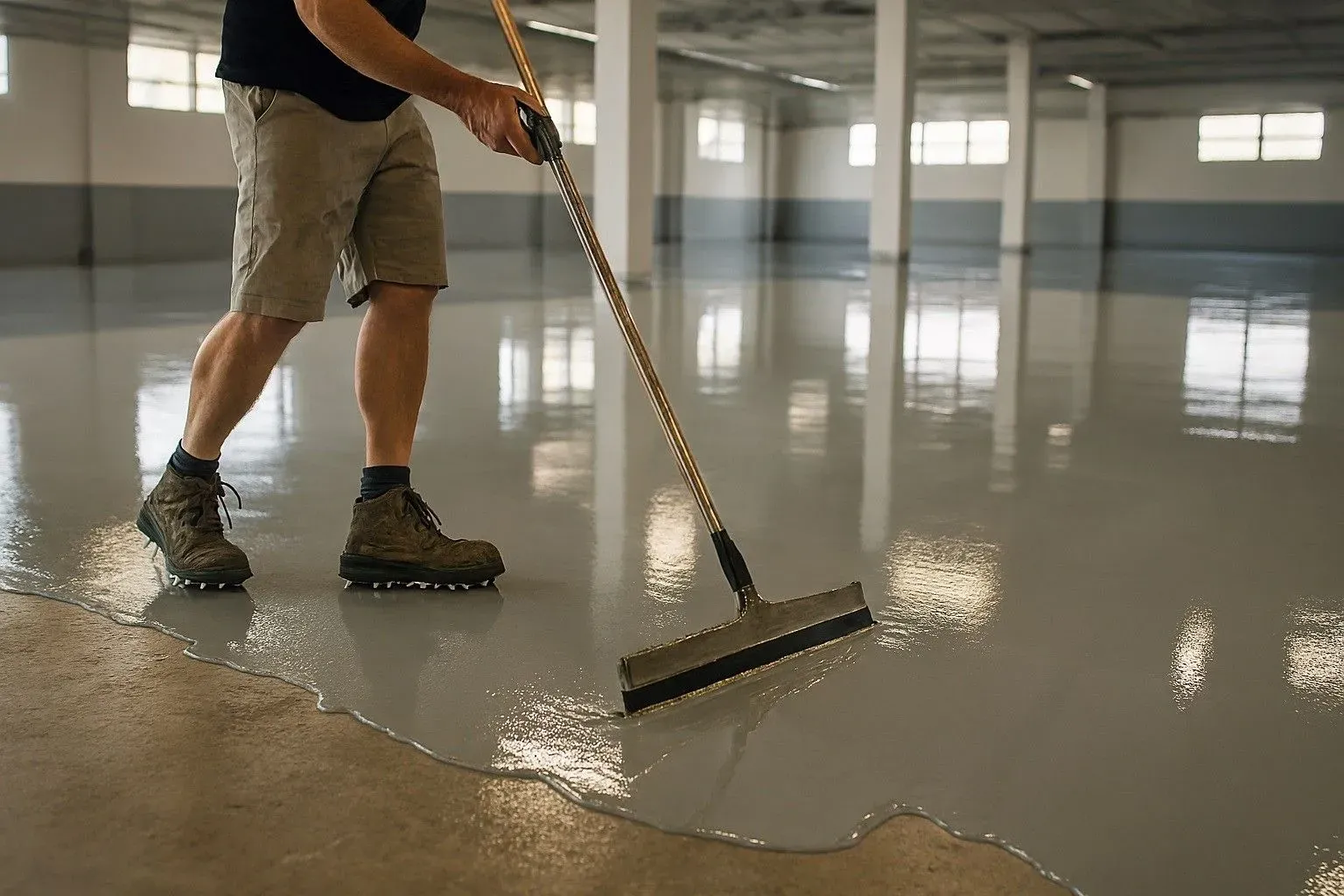
7 Questions to Ask Before Hiring an Epoxy Flooring Contractor
When it comes to upgrading your floors, epoxy flooring has become one of the most popular choices for homes, offices, and industrial spaces. It’s durable, stylish, and easy to maintain. But the real challenge lies in finding the right contractor who can deliver quality work that lasts. Hiring the wrong person can lead to cracks, peeling, or uneven finishes that cost you more in the long run. That’s why asking the right questions before signing a contract is crucial.
VDF Engineers – Your Trusted Flooring Partner
At VDF Engineers, we specialize in epoxy flooring solutions that combine strength, aesthetics, and long‑term value. Whether it’s a residential garage, a commercial showroom, or a large industrial facility, our team ensures flawless execution every time.
Address: IDA Jeedimetla, Hyderabad, Telangana, India - 500055.
Phone: +91 9440750970
Website: www.vdfengineers.com
1. What Experience Do You Have With Epoxy Flooring?
Experience matters. Epoxy flooring requires precision in mixing, application, and curing. Ask contractors how many years they’ve been working with epoxy and request examples of past projects. A seasoned professional will have a portfolio showcasing different types of spaces—garages, warehouses, offices, and even decorative residential floors.
2. What Type of Epoxy Systems Do You Offer?
Not all epoxy floors are the same. There are self‑leveling epoxies, epoxy mortar systems, anti‑static coatings, and decorative flakes. Each serves a different purpose. A reliable contractor should explain the options clearly and recommend the best system for your specific needs, whether it’s heavy foot traffic, chemical resistance, or a glossy showroom finish.
3. How Do You Prepare the Surface Before Application?
Surface preparation is the backbone of a successful epoxy floor. Contractors should use techniques like grinding, shot blasting, or acid etching to ensure the concrete is clean and porous enough for epoxy to bond. Skipping this step often leads to peeling or bubbling. Make sure they emphasize preparation as much as application.
4. What Warranty or Guarantee Do You Provide?
A professional contractor stands by their work. Ask about warranties on both materials and workmanship. A warranty shows confidence in their service and gives you peace of mind. If they hesitate to provide one, consider it a red flag.
5. Can You Provide References or Client Testimonials?
Word of mouth is powerful. Request references from previous clients or check online reviews. Speaking directly with past customers can give you insights into punctuality, professionalism, and the durability of the finished floor. Contractors with strong reputations will be happy to share testimonials.
6. What Is the Estimated Timeline for Completion?
Epoxy flooring projects vary in size, but most should be completed within a few days. Ask for a clear timeline, including preparation, application, and curing. This helps you plan around the project and ensures the contractor is organized. Delays without explanation can be frustrating and costly.
7. What Is the Total Cost and Payment Structure?
Transparency in pricing is essential. Request a detailed quote that includes materials, labor, and any additional charges. Clarify the payment schedule—whether it’s upfront, milestone‑based, or after completion. A trustworthy contractor will provide a fair estimate without hidden costs.
Why These Questions Matter
Epoxy flooring is an investment, not just a cosmetic upgrade. By asking these seven questions, you protect yourself from poor workmanship and ensure your floors remain strong, safe, and visually appealing for years. The right contractor will welcome your questions and provide clear, confident answers.
Final Thoughts
Choosing the right epoxy flooring contractor can feel overwhelming, but with the right questions, you’ll quickly separate professionals from amateurs. If you’re searching for Epoxy Flooring Contractors in Hyderabad, look no further than VDF Engineers. Our team combines technical expertise with customer‑first service, ensuring every project is completed on time and with lasting quality. From industrial warehouses to modern homes, we deliver flooring solutions that stand the test of time.
Transforming spaces with durable and innovative flooring solutions.
Experience quality and excellence today!
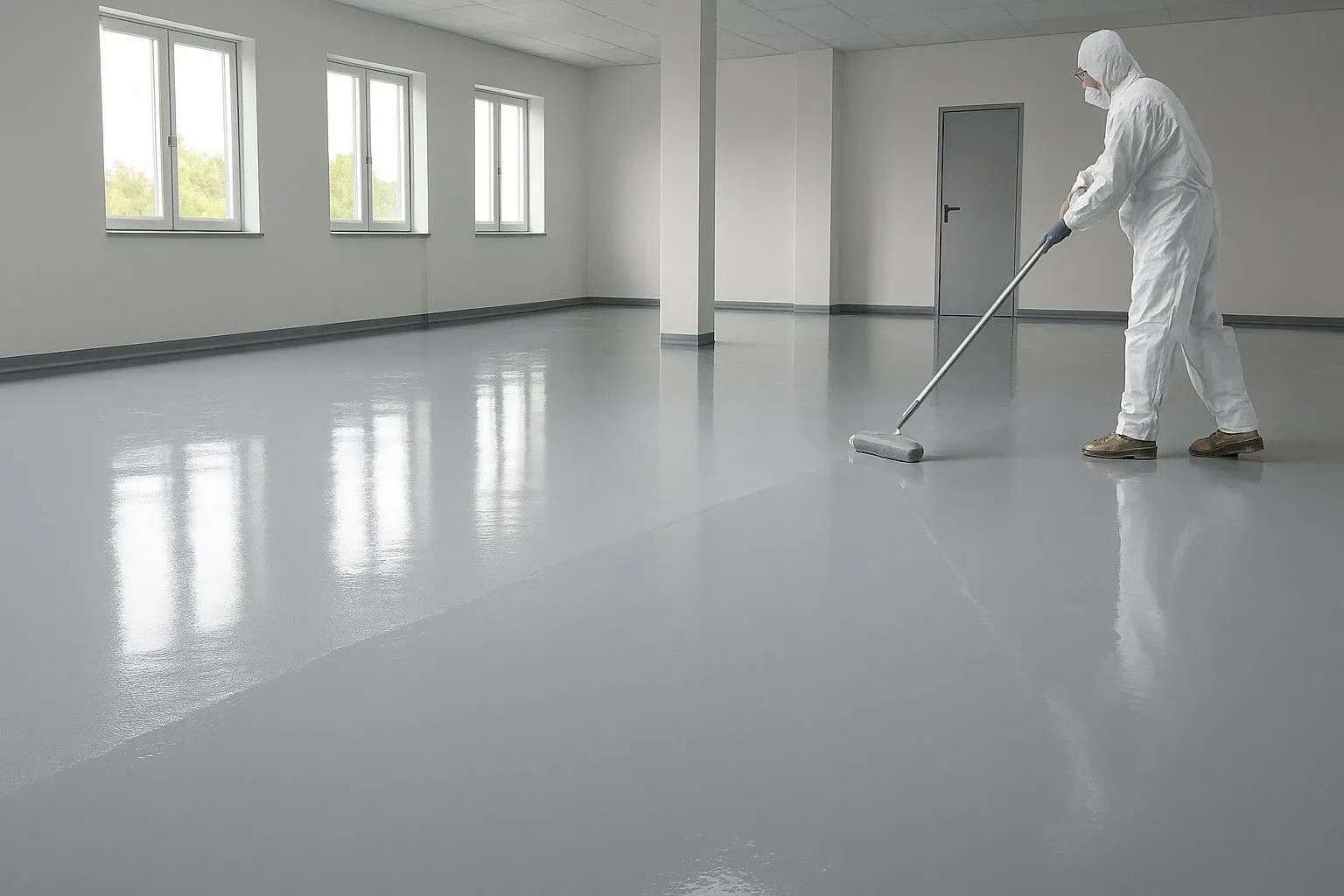
Epoxy Flooring Curing Time Explained: When Can You Walk, Drive, or Operate?
Epoxy flooring is one of the most durable and attractive options for homes, commercial spaces, and industrial facilities. It’s known for its glossy finish, resistance to wear and tear, and long-lasting performance. But once the epoxy is applied, the big question is: how long before you can walk on it, drive over it, or resume operations?
Understanding epoxy curing time is essential to avoid damaging the surface and to ensure the coating performs as intended. Whether you're renovating a garage, upgrading a showroom, or installing flooring in a warehouse, knowing the right timeline helps you plan better and protect your investment.
VDF Engineers – Experts in Epoxy Flooring
At VDF Engineers, we specialize in high-performance epoxy flooring for residential, commercial, and industrial spaces. Our team ensures every project is executed with precision, from surface preparation to final curing.
Address: IDA Jeedimetla, Hyderabad, Telangana, India - 500055.
Phone: +91 9440750970
Website: www.vdfengineers.com
What Is Epoxy Curing Time?
Curing time refers to how long epoxy takes to harden and reach its full strength. It’s different from drying time. While epoxy may feel dry to the touch within hours, it’s not ready for foot traffic, vehicles, or machinery until it has cured completely.
Curing involves a chemical reaction between the resin and hardener. This process continues even after the surface appears solid. Temperature, humidity, and the type of epoxy used all affect how quickly this reaction completes.
General Timeline for Epoxy Flooring
Here’s a typical breakdown of when you can safely use your epoxy-coated floor:
After 12–18 hours: Light foot traffic is usually safe. You can walk on the surface gently, but avoid dragging furniture or placing heavy items.
After 48–72 hours: You can resume normal foot traffic and place furniture. For residential garages, this is when you can start using the space again.
After 5–7 days: The floor is ready for vehicle traffic, machinery, and full operational use. This is the ideal time for commercial and industrial facilities to resume work.
These are general guidelines. Always follow the specific instructions provided by your contractor or the epoxy manufacturer.
Factors That Affect Curing Time
Several variables can speed up or slow down the curing process:
Temperature: Epoxy cures faster in warm conditions. Ideal temperatures range from 20°C to 30°C. Cold weather can double the curing time.
Humidity: High humidity can interfere with the chemical reaction, especially in water-based epoxy systems.
Ventilation: Good airflow helps the epoxy cure evenly. Poor ventilation can trap moisture and slow down the process.
Epoxy Type: Fast-curing formulas are available, but they may compromise long-term durability. Always choose the right product for your space.
Tips to Protect Your Epoxy Floor During Curing
Avoid walking on it too soon: Even light pressure can leave marks or disrupt the finish.
Keep the area clean: Dust, debris, or insects can get stuck in the surface before it cures.
Don’t rush the process: Trying to speed things up with heaters or fans can lead to uneven curing or bubbles.
Follow your contractor’s advice: They know the product and the environment best.
Why Curing Time Matters
Epoxy flooring is an investment. Rushing the curing process can lead to peeling, cracking, or reduced lifespan. A properly cured floor offers:
Maximum durability: Resistant to chemicals, stains, and heavy loads.
Smooth finish: Glossy and professional appearance.
Long-term performance: Less maintenance and fewer repairs over time.
Final Thoughts
Epoxy flooring is tough, but only if it’s given the time to cure properly. Whether you're installing it in a home garage or a busy warehouse, patience during the curing phase pays off. Always consult professionals who understand the science behind epoxy and can guide you through the process.
If you’re looking for reliable Epoxy Flooring Contractors in Hyderabad, VDF Engineers is your go-to partner. We combine technical expertise with customer-focused service to deliver flawless flooring solutions that last. From planning to curing, we handle every step with care and precision.