Can Epoxy Flooring Be Applied Over Old Concrete, Tiles, or Stone?
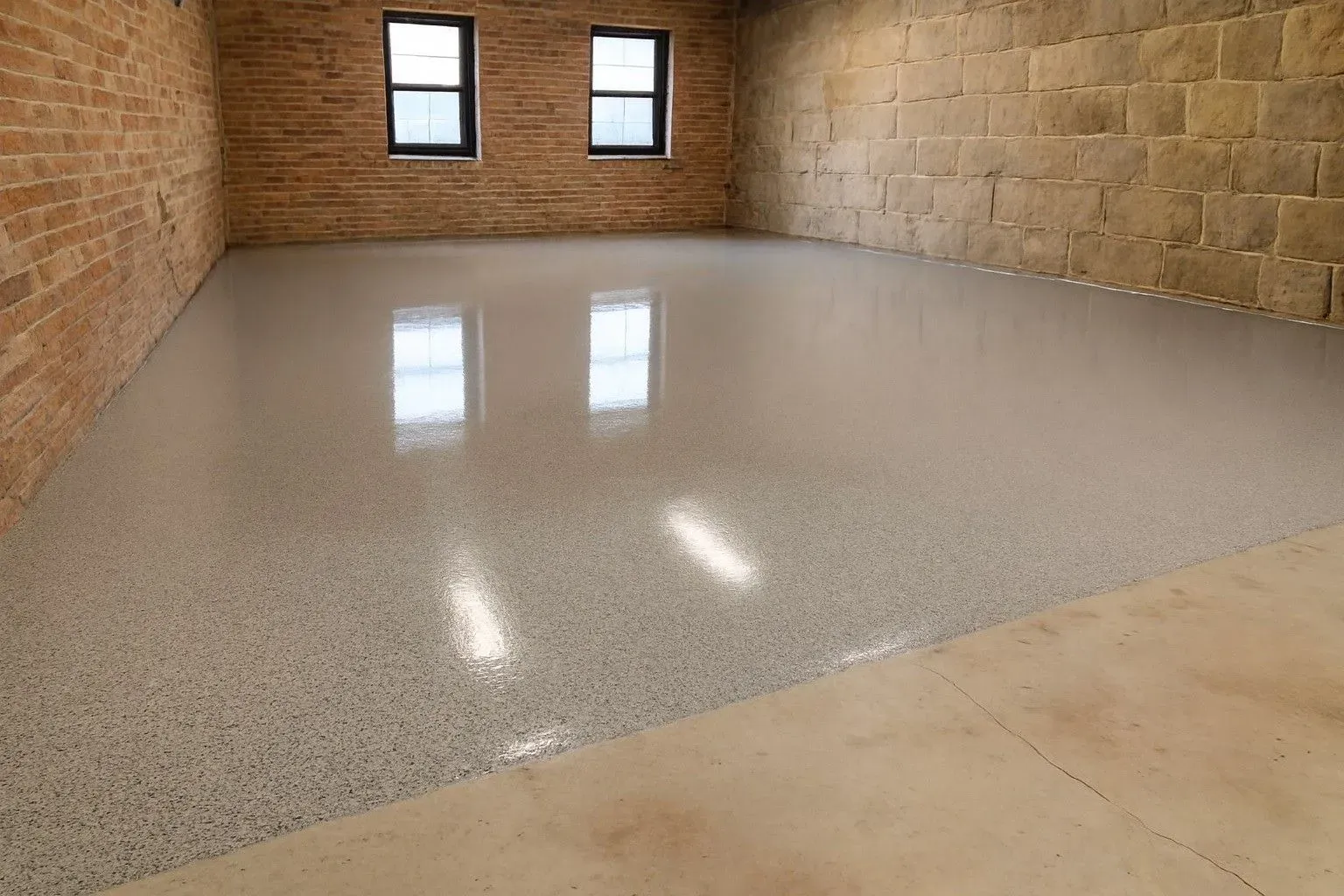
Flooring is one of the most important aspects of any space—whether it’s a home, office, or industrial facility. People often wonder if epoxy flooring can be applied directly over old surfaces like concrete, tiles, or stone. The short answer is yes, but with the right preparation and professional expertise. Epoxy flooring is known for its durability, sleek finish, and ability to transform even the most worn‑out surfaces into something modern and long‑lasting.
Transform Your Floors with VDF Engineers
Looking for reliable flooring solutions? VDF Engineers specializes in epoxy flooring, industrial flooring, and surface preparation. We bring years of expertise to ensure your floors are not only beautiful but also strong enough to withstand heavy use.
Address: IDA Jeedimetla, Hyderabad, Telangana, India - 500055.
Phone: +91 9440750970
Website: www.vdfengineers.com
Why Epoxy Flooring Is Popular
Durability: Epoxy flooring is resistant to wear and tear, making it ideal for high‑traffic areas.
Aesthetic appeal: It gives a glossy, modern look that instantly upgrades old surfaces.
Easy maintenance: Epoxy floors are simple to clean and maintain compared to porous materials like stone or tiles.
Cost‑effective: Instead of replacing old flooring, epoxy offers a budget‑friendly way to refresh your space.
Applying Epoxy Over Old Concrete
Concrete is one of the most common bases for epoxy flooring. If your concrete floor is old, cracked, or stained, epoxy can still be applied—but preparation is key.
Surface cleaning: Dust, grease, and oil must be removed.
Repairing cracks: Any damage should be patched before epoxy application.
Grinding or shot blasting: This helps create a rough surface for better bonding.
Once prepared, epoxy bonds tightly with concrete, creating a seamless and durable finish that can last for years.
Applying Epoxy Over Tiles
Tiles may seem tricky, but epoxy can be applied over them too. The challenge lies in the smooth surface of tiles, which doesn’t naturally bond well with epoxy.
Tile inspection: Loose or broken tiles must be replaced or removed.
Surface roughening: Tiles are sanded or ground to create texture.
Grout filling: Gaps between tiles are filled to ensure a level surface.
After these steps, epoxy flooring can cover tiles beautifully, hiding old designs and giving a fresh, modern look.
Applying Epoxy Over Stone
Stone floors are strong but often uneven or porous. Epoxy can be applied over stone with proper preparation.
Leveling the surface: Uneven stones are ground down.
Sealing pores: Epoxy primers are used to prevent absorption.
Bonding layer: A base coat ensures epoxy adheres properly.
The result is a smooth, glossy finish that enhances the natural strength of stone while modernizing its appearance.
Benefits of Choosing Epoxy Over Replacement
Instead of removing old flooring, epoxy offers several advantages:
Time‑saving: No need for demolition or disposal of old materials.
Eco‑friendly: Reduces waste by reusing existing surfaces.
Versatile design: Epoxy comes in various colors, patterns, and finishes.
Long‑term investment: Properly applied epoxy can last 10–20 years with minimal maintenance.
Common Mistakes to Avoid
Skipping surface preparation
Applying epoxy on damp surfaces
Using low‑quality epoxy materials
Ignoring professional guidance
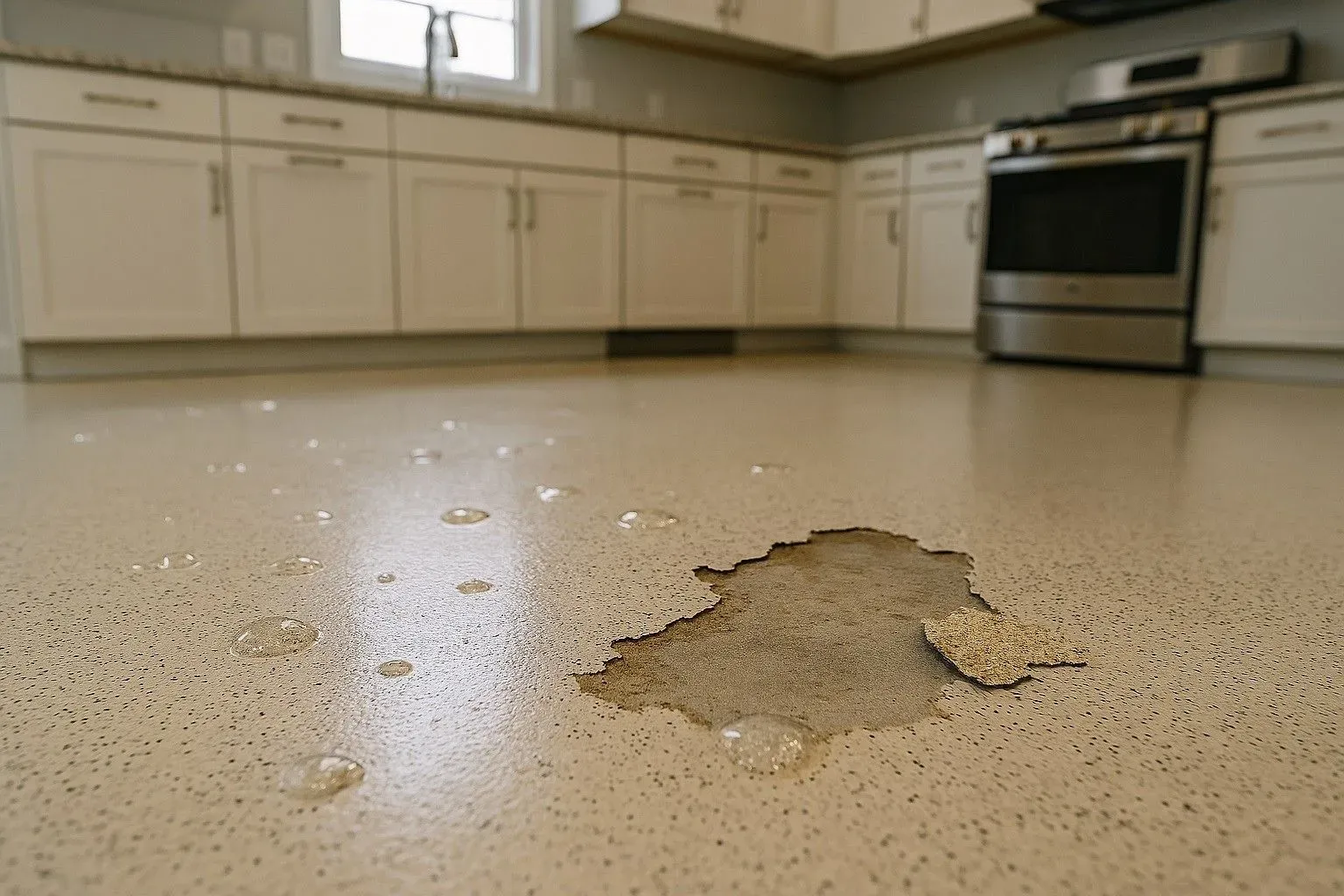
These mistakes can lead to peeling, bubbling, or poor bonding. That’s why working with experienced professionals is essential.
Final Thoughts
Epoxy flooring is a versatile solution that can be applied over old concrete, tiles, or stone when done correctly. It saves time, reduces costs, and delivers a modern, durable finish. Whether you’re renovating your home, upgrading your office, or strengthening an industrial floor, epoxy is a smart choice.
For the best results, trust Epoxy Flooring Contractors in Hyderabad who understand local conditions and have the expertise to handle surface preparation and application with precision. VDF Engineers is your trusted partner for epoxy flooring solutions that combine durability, style, and affordability.
Building Excellence with Every Floor We Lay
Transform your space today!
5 Epoxy Flooring Mistakes Property Owners Regret After Installation
Epoxy flooring is one of the most popular choices for residential, commercial, and industrial spaces. It’s durable, easy to clean, and gives a sleek, modern finish to any surface. But despite its many benefits, property owners often make costly mistakes during installation that lead to regret later. Whether you’re upgrading your garage, warehouse, or office, avoiding these common errors can save you time, money, and frustration.
Upgrade Your Floors with VDF Engineers
At VDF Engineers, we specialize in epoxy flooring solutions that are built to last. Our team ensures every project is handled with precision—from surface prep to final coating.
Address: IDA Jeedimetla, Hyderabad, Telangana, India - 500055.
Phone: +91 9440750970
Website: www.vdfengineers.com
Mistake #1: Skipping Surface Preparation
One of the biggest mistakes is applying epoxy directly onto dirty, oily, or damp surfaces. Epoxy needs a clean, dry, and slightly rough surface to bond properly.
Why it matters: Poor adhesion leads to peeling, bubbling, and cracking.
What to do: Always clean thoroughly, repair cracks, and grind or etch the surface before applying epoxy.
Mistake #2: Choosing the Wrong Epoxy Type
Not all epoxy products are created equal. Some are designed for light foot traffic, while others are made for heavy-duty industrial use.
Why it matters: Using the wrong type can result in premature wear, discoloration, or failure under pressure.
What to do: Consult professionals to select the right epoxy based on your space’s usage, temperature, and moisture levels.
Mistake #3: Ignoring Environmental Conditions
Temperature and humidity play a huge role in epoxy curing. Applying epoxy in extreme heat, cold, or high humidity can ruin the finish.
Why it matters: Improper curing leads to soft spots, uneven texture, and reduced durability.
What to do: Schedule installation during stable weather conditions and monitor indoor climate during curing.
Mistake #4: Rushing the Application Process
Epoxy flooring requires patience. Rushing through mixing, application, or drying can compromise the entire project.
Why it matters: Incomplete mixing or uneven spreading causes streaks, bubbles, and weak spots.
What to do: Follow manufacturer instructions carefully and allow proper drying time between coats.
Mistake #5: DIY Without Experience
While DIY epoxy kits are available, they often lead to disappointing results when used without proper knowledge.
Why it matters: Lack of experience can result in poor aesthetics, weak adhesion, and wasted materials.
What to do: Hire experienced epoxy flooring professionals who understand the nuances of surface prep, product selection, and application techniques.
Final Thoughts
Epoxy flooring is a smart investment—but only when done right. Avoiding these five common mistakes ensures your floors stay strong, beautiful, and functional for years. Whether it’s a commercial showroom, a residential garage, or an industrial warehouse, proper planning and professional execution make all the difference.
If you’re looking for reliable Epoxy Flooring Contractors in Hyderabad, trust VDF Engineers to deliver flawless results. Our team combines technical expertise with high-quality materials to give your space the finish it deserves.