..It doesn't have to be this way
Alcohol is a powerful drug. lf abused, it can lead to family, career and life-threatening consequences. There are supportive resources to help you or your loved ones on the path to recovery. Alcohelp, based in Essex, is dedicated to raising awareness and providing guidance.

FASD (Fetal Alcohol Spectrum Disorder)
Drinking ANY alcohol in pregnancy can permanently damage your baby- there is no cure for this damage. Many women and girls have not had the information they need to understand the risks associated with alcohol in pregnancy. Your baby's brain, in particular, is developing throughout the pregnancy. The sooner you can safely stop drinking the better.
Fetal Alcohol Spectrum Disorder (FASD) is caused only by alcohol exposure during pregnancy. Other drugs can harm a fetus in different ways, but they do not cause FASD.
🧠 What causes FASD
• Fetal Alcohol Spectrum Disorder arises specifically from prenatal alcohol exposure.
• Alcohol crosses the placenta quickly, and the fetus cannot metabolise it, leading to direct damage to the developing brain and body.
• Research consistently shows that alcohol is the most damaging neurobehavioral teratogen among commonly misused substances. FASD Network UK
🧩 Why alcohol is so harmful
• Alcohol disrupts fetal brain development at every stage of pregnancy.
• It affects neurotransmitters, the corpus callosum, hippocampus, and overall brain structure.
• Even small amounts can have an effect, and there is no known safe level of alcohol in pregnancy.
Alcohol Awareness and Support

The Martin Academy
We started building the Martin Academy in 2018. The school, a primary school, is based just outside Blantyre in Malawi. In 2025, we completed the final classroom block.

Abuse of Alcohol
The consequences of alcohol abuse are far reaching. Not only for the drinker, but their family, workplace and socially.

Alcohol and Children
This photo is from one of our past workshops with year 6 children in Braintree, Essex. They are experimenting with "beer goggles" which give the feeling of being drunk- without touching a drop!

Terry's story..
🧠 A Personal Story: The Silent Bleed
“I was still drinking when it happened. A sudden, catastrophic subarachnoid haemorrhage -a bleed in the brain.. I had a 50% chance of survival.. I’m lucky to be alive.”
..Terry, the founder of AlcoHelp, experienced first-hand the devastating consequences of alcohol’s impact on blood vessels. The bleed didn’t come from trauma or a known condition -it came from years of heavy drinking, which had thinned his blood and weakened the blood vessel walls. The rupture was sudden.. The recovery operation involved platinum coiling from the artery in his groin up to his brain to reinforce the fragile areas (aneuryisms) of his brain. Several of his friends, also heavy drinkers, were not so lucky..
---
📚 What the Science Says
Recent studies confirm what Terry’s experience suggests:
• Heavy alcohol use increases the risk of subarachnoid haemorrhage (SAH) by up to 78%.
• Alcohol contributes to blood thinning, hypertension, and vascular fragility — all key factors in brain bleeds.
• SAH often occurs without warning, and is frequently fatal.
• Former drinkers and non drinkers do not carry the same elevated risk, highlighting the value of cessation.
Yet this risk is rarely discussed in public health campaigns or clinical settings. Why?
---
🧭 Ethical Health: A New Framework
At AlcoHelp, we propose a shift from reactive medicine to ethical health.
Ethical health means asking:
• What are the hidden risks of alcohol?
• How can we empower people to act before harm occurs?
• Should high-risk individuals be offered preventive brain scans? (If a high GGT reading, (obtained via blood test), presents in an individual )
We believe the answer is yes.
---
🧪 GGT & Liver Health: A Guide to Understanding, Acting, and Recovering.
Gamma-glutamyl transferase (GGT) is a liver enzyme that acts like a silent witness to your liver’s condition. It doesn’t cause symptoms — but it reveals them.
• High GGT levels often reflect alcohol-related liver stress.
• It’s one of the earliest markers to rise in response to excessive alcohol intake, even before symptoms appear.
---
🧪 The Case for Preventive Scanning
Advanced imaging (MRI, MRA, CT angiography) can detect unruptured aneurysms and vessel weaknesses. While not routine, these scans could be life-saving for:
• Heavy drinkers
• Those with neurological symptoms
• Individuals with family history of stroke or aneurysm
We call for pilot programs, research funding, and ethical dialogue around screening — before the silent bleed strikes.
---
💬 A Survivor’s Voice
“I survived the silent bleed and ultra high GGT readings ..just... Others won’t — unless we speak.”
Terry’s story is not just a warning — it’s a call to action. Ethical health means listening to survivors, valuing lived experience, and creating systems that honor foresight and dignity.
---
📣 Join Us
AlcoHelp is expanding its mission to include vascular awareness, GGT awareness, ethical recovery, and public education around alcohol’s hidden harms. We invite researchers, clinicians, funders, and individuals to join us in this vital conversation.
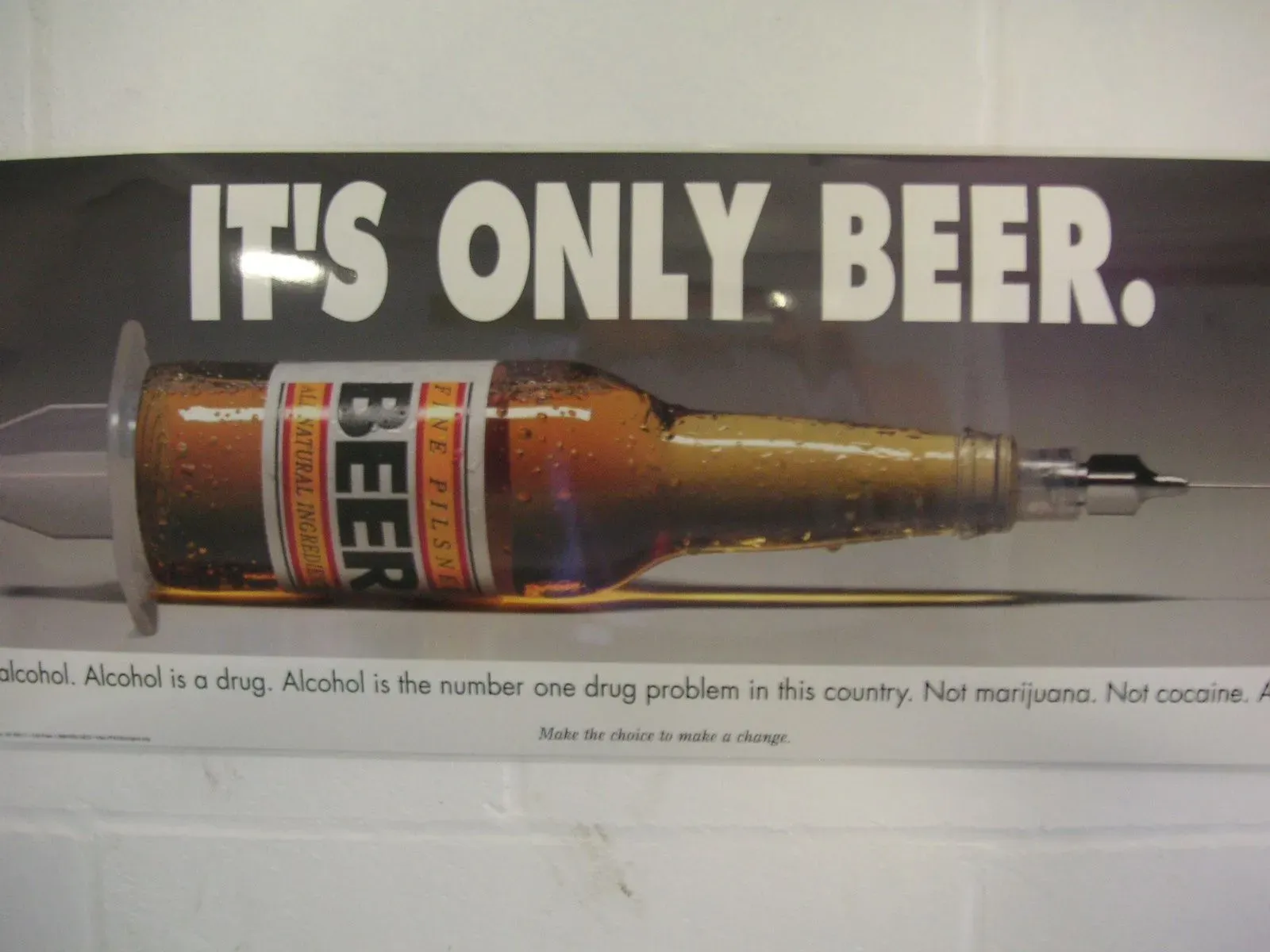
The Dangers of Alcohol Abuse:
The Risks of Alcohol Abuse
Alcohol abuse poses significant health risks that can affect every aspect of your life. Chronic excessive drinking can lead to seven distinct types of cancer, liver disease, cardiovascular problems, and mental health disorders such as depression and anxiety. At Alcohelp, we understand these dangers and are committed to recommending comprehensive support to those struggling with alcohol dependency.
Expert Services Tailored to Your Needs
Alcohelp signposts personalised intervention and rehabilitation services designed to address the unique challenges of alcohol abuse. We can recommend treatment programs that focus on both physical recovery and emotional well-being. Our goal is to help you rebuild your life through support that fosters long-term sobriety and resilience.
Why Choose Alcohelp?
What sets Alcohelp apart is our holistic approach and local expertise. We understand a community's specific needs and challenges related to alcohol abuse. We combine professional care based on personal experience with an understanding approach.
Frequently Asked Questions
Can I drink when I'm pregnant
Preventing Fetal Alcohol Spectrum Disorder (FASD)
FASD is completely avoidable - do not drink alcohol while you're pregnant.
The risk of FASD is higher the more you drink. There's no proven "safe" level no alcohol at all is the safest approach.
What steps can I take to help someone with an alcohol problem?
Encourage open and non-judgmental communication. Suggest professional help, or self-help groups, and consider interventions if necessary. Most people with a bad alcohol problem will deny this.
How can I prevent alcohol abuse in myself or others?
Prevention includes education about risks, developing healthy coping strategies, setting limits on drinking, and seeking help early if problems arise.
Is alcohol abuse treatable?
Yes, alcohol abuse is treatable through various methods including counseling, support groups, medication, and rehabilitation programs.
What role does family support play in recovery from alcohol abuse?
Family support is crucial as it provides emotional encouragement, helps maintain motivation, and creates a supportive environment for recovery.
What should I do in an emergency related to alcohol abuse?
In an emergency, such as alcohol poisoning or severe withdrawal symptoms, call emergency services immediately and seek medical attention.
How does alcohol abuse affect physical health?
Alcohol abuse can lead to liver disease, cardiovascular problems, pancreatitis, weakened immune system, and increased risk of cancers, among other health issues.
How can I tell if a loved one is struggling with alcohol abuse?
Look for changes in behavior, secrecy about drinking, physical signs like bloodshot eyes, neglect of responsibilities, and withdrawal from social activities.
What are the common signs of alcohol abuse?
Common signs of alcohol abuse include increased tolerance, withdrawal symptoms, neglecting responsibilities, drinking in dangerous situations, and continued use despite negative consequences.
Can alcohol abuse impact mental health?
Yes, alcohol abuse can contribute to mental health problems such as depression, anxiety, memory loss, and increased risk of suicide.
What are the social consequences of alcohol abuse?
Alcohol abuse can strain relationships, lead to social isolation, cause problems at work or school, and increase the risk of legal issues.
Are there any resources available in Essex for alcohol abuse support?
Yes, Essex offers various resources including local counseling centres, support groups, NHS services, and community outreach programs.
What treatment options are available for alcohol abuse?
Treatment options include behavioral therapies, inpatient and outpatient rehab programs, medication-assisted treatment, and support groups like Alcoholics Anonymous.
Links
These are important links to reputable sites. They are not treatment centres