
Thinking Ecology and Intimacy
Andrea Natan Feltrin (they/them, PhD) is an environmental philosopher working at the intersection of environmental ethics, moral and political philosophy, philosophy of science and posthumanist ecological thought, with a particular focus on how climate crisis, rewilding, technological infrastructures and multispecies justice reshape the everyday textures of care, intimacy and vulnerability. Natan holds a PhD in Philosophy (Environmental Ethics) from the University of North Texas, an MSc in Environmental Management (Conservation) from the University of Stirling, and BA and MA degrees in Philosophy from the University of Milan, and their work brings together environmental humanities, social theory, feminist and queer thought, Indigenous and decolonial perspectives, and science and technology studies in order to rethink what it means to live and love well in damaged, more-than-human worlds.

Publications
Book (Under Contract)
Feltrin, A. N. (2026, under contract). Rewilding Justice: From Human Supremacy to Multispecies Coexistence. Exeter University Press.
Peer-Reviewed Journal Articles
Feltrin, A. N. (2026, forthcoming). When Images Begin to Outnumber Encounters: Synthetic Wilderness and Ecological Presence in an Age of AI-Generated Nature. The Ecological Citizen.
Morton, T., & Feltrin, A. N. (2026, forthcoming). Radical Entanglements: Timothy Morton on Human Supremacy, Fascism, and the Future. Relations: Beyond Anthropocentrism.
Feltrin, A. N. (2025). Beyond Utility: Reimagining Carnivore Conservation through Multispecies Justice and Rewilding. Ecokritike, 2(2), 225–240. https://doi.org/10.33823/eke.2025.2.2.362
Feltrin, A. N. (2025). Reframing Environmental Ethics: Embracing the Cenozoic Community for Multispecies Justice. Ethics & the Environment, 30(1), 85–106. https://doi.org/10.2979/een.00014
Feltrin, A. N. (2025). Rewilding Beyond Pristine: Decolonizing the Wild for Multispecies Autonomy. Thaumàzein | Rivista di Filosofia. https://doi.org/10.7413/2284-2918005
Feltrin, A. N. (2025). Rewilding as Reparative and Restitutive Justice. The Ecological Citizen.
Feltrin, A. N., & McIntosh, S. (2024). Dismantling Human Supremacy: Ecopedagogy and Self-Rewilding as Pathways to Embodied Ethics and Cross-Species Solidarity. Relations: Beyond Anthropocentrism, 12(2). https://doi.org/10.7358/rela-2024-02-mcfe
Feltrin, A. N. (2024). Advancing towards Cenozoic Community Ethics: A Holistic Framework for Surpassing Anthropocentrism. Relations: Beyond Anthropocentrism, 12(2). https://doi.org/10.7358/rela-2024-02-fela
Feltrin, A. N. (2024). Fostering Ecocentric Subjects: Self-Rewilding as a Potential Path to Overcome Nature Detachment and Achieve Ecological Rewilding. Environmental Philosophy, 21(1), 31–59. https://doi.org/10.5840/envirophil2024423137
Feltrin, A. N. (2024). Redefining Human Rewilding: Expanding Ecological Thought Beyond the Oikos. Ecokritike, 1(2), 175–180. https://doi.org/10.17613/dwsxx-vax27
Feltrin, A. N. (2024). Bears on Screen: From Cinematic Monsters to Agents of Multispecies Empathy. HumAnimUS, 2.
Feltrin, A. N. (2024). We Are Who Eats Us: A Cultural Argument to Protect Large Carnivores. The Ecological Citizen, 7(2).
Feltrin, A. N. (2023). Advocating for a Political Vegan Feminism: A Rebuttal to Val Plumwood and Donna Haraway’s Criticisms of Ethical Veganism. Relations, 11(2). https://doi.org/10.7358/rela-2023-02-fela
Feltrin, A. N. (2018). Energy Equality and the Challenges of Population Growth. Relations, 6(2). https://doi.org/10.7358/rela-2018-002-felt
Book Chapters
Feltrin, A. N. (2026, forthcoming). Grasping the World Through Electric Hands: A Neurodivergent Posthuman Meditation on Stimming, Possession, and Sensual Energy. In Divergences: An Anthology of Neurodissident Worlds. Posthuman Press.
Feltrin, A. N. (2026, forthcoming). Quiet Agents of Rewilding: Mosses as Foundations of Multispecies Renewal. In Traces of Extinction. University of Tartu Press & Helsinki Academy of Fine Arts Press.
Feltrin, A. N. (2021). Environment; Anthropocene; Anthropophagy; Biodiversity; Community; Demography; Entropy; Extinction; Polyamory; Umwelt. In E. Baioni, L. M. Cuadrado Payeras, & M. Macelloni (Eds.), Abbecedario del postumanismo. Milan: Mimesis Edizioni.
Feltrin, A. N. (2019). Siamo ciò che ci mangia: Homo sapiens e i grandi carnivori. In Umani, prede e predatori, Vol. I. Graphe.it Edizioni.
Translations / Reprints
Feltrin, A. N. (2025). Per un femminismo politico vegano. Liberazioni, 62 (Autunno). [Italian translation of Feltrin, 2023]
Gallery


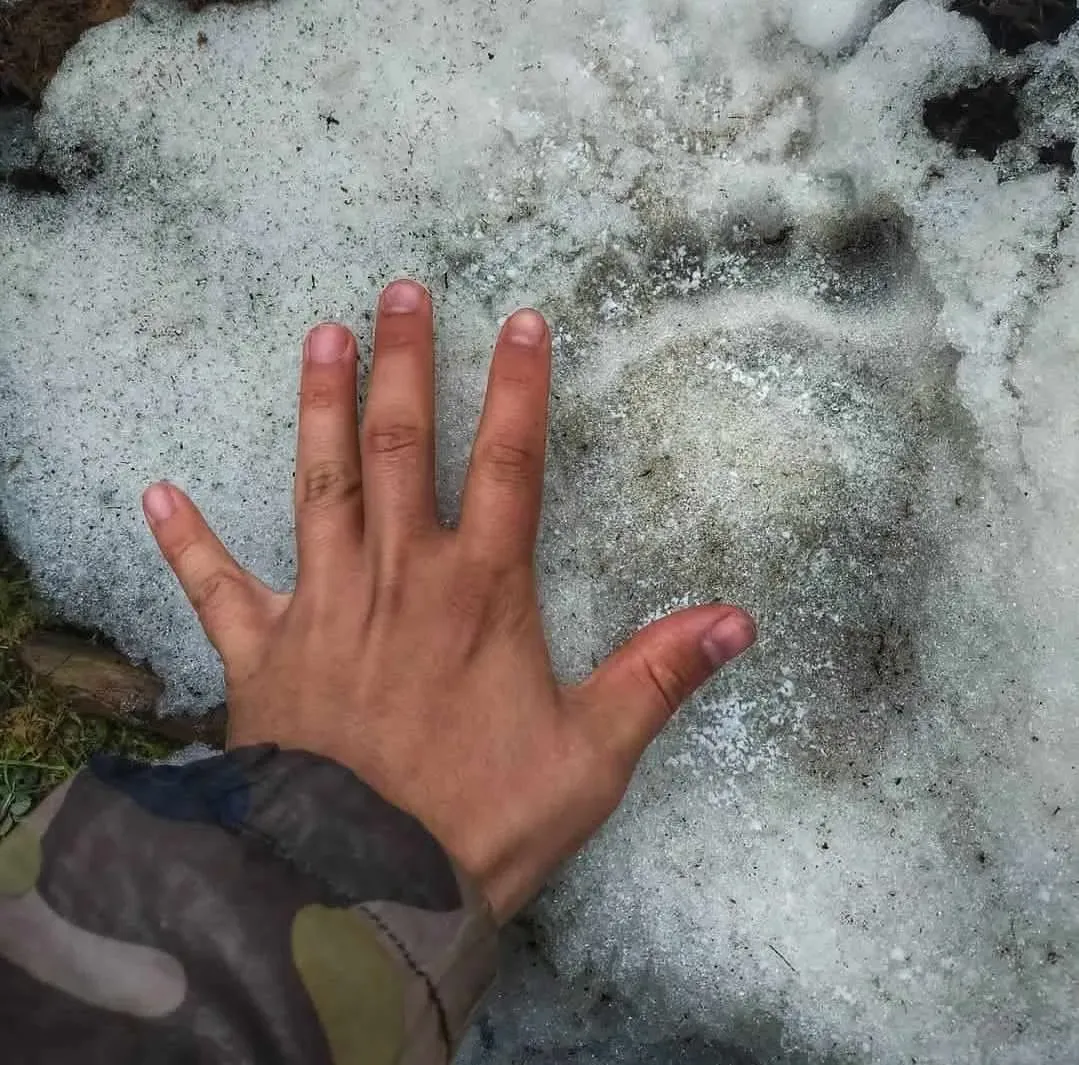
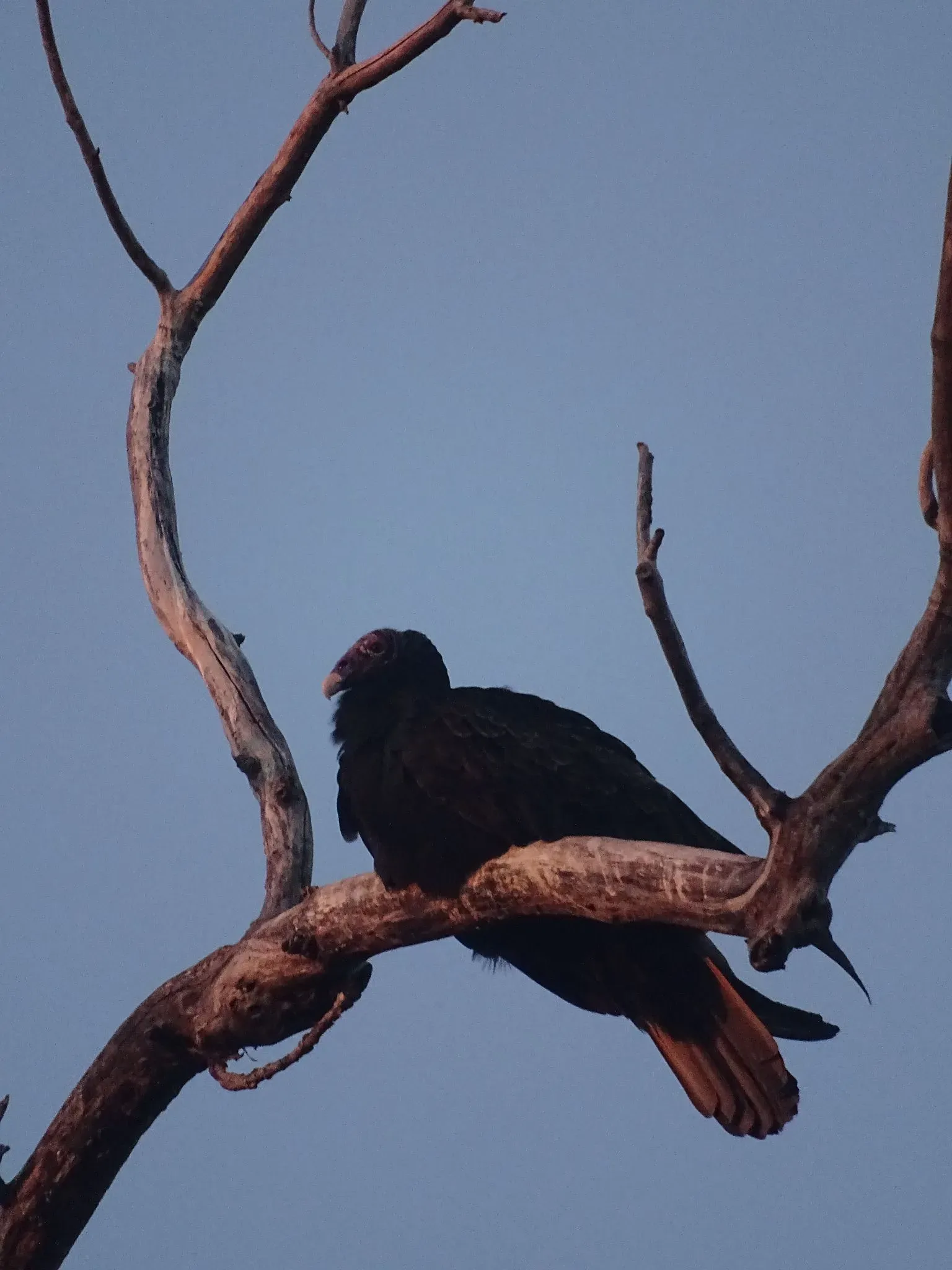
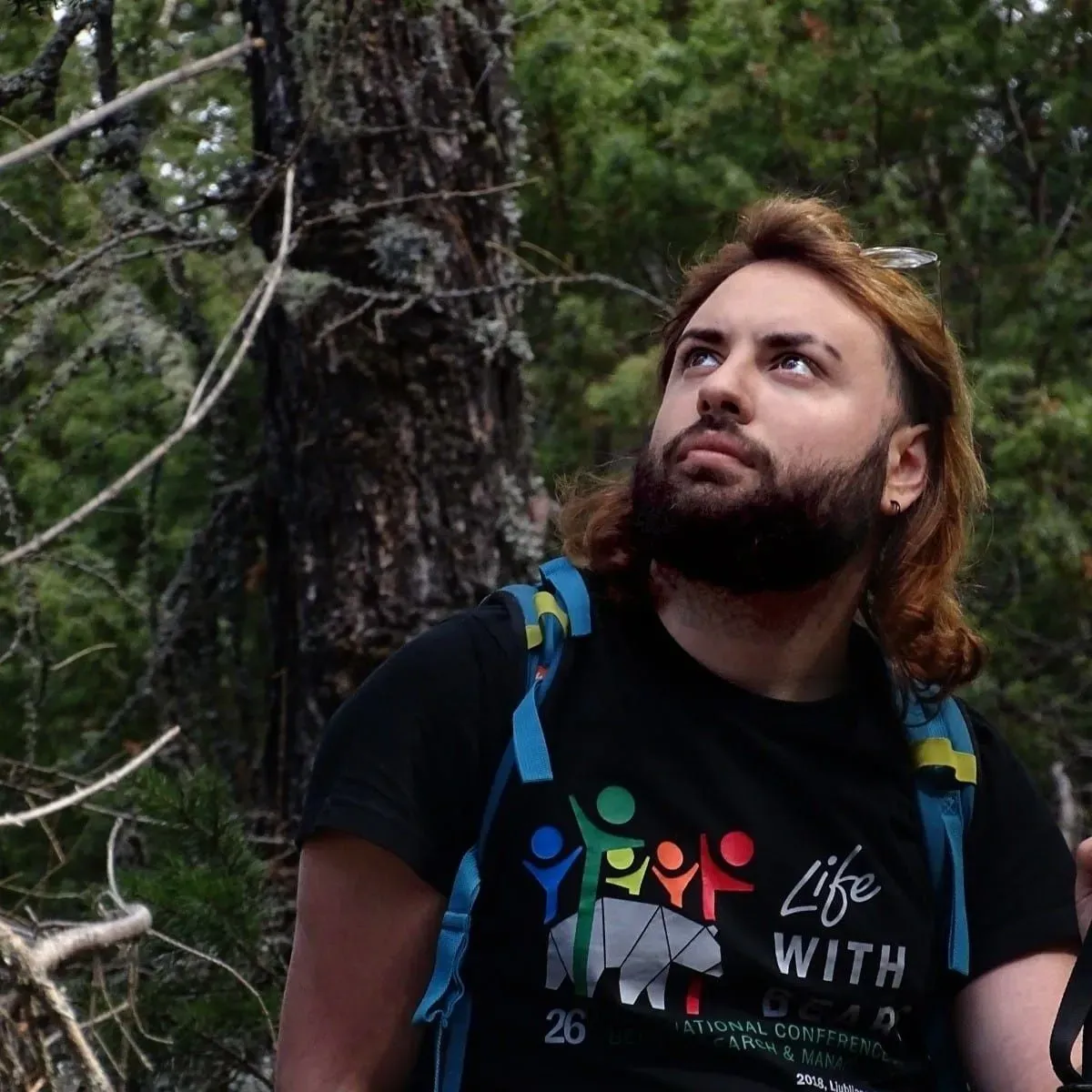



Thoughtful care cultivates a deeper ecological understanding.
To take care seriously is to let go of the fantasy that humans stand outside the world as its central witness, sufferer, or manager, and to begin instead from the fact that we are one contingent articulation of a much wider, more-than-human field of life in which rivers, predators, mosses, microbes, climates, infrastructures and digital systems all co-participate in shaping what can live and for how long; thoughtful care becomes, in this sense, a discipline of attention that refuses to treat other beings as scenery for our dramas or as resources for our projects, and learns to feel joy, grief, and obligation in relation to forms of flourishing that neither redeem us nor require us, the quiet coordination of chamois on unstable rock, the return of wolves to a valley not arranged for their presence, the refusal of a river to obey a treaty written for a wetter century, the slow insurgency of soils, corals, insects and atmospheres withdrawing their unpaid labour from an arrangement that took their generosity as a right.
Ecological understanding thickens when care is practiced as this kind of decentring, as something closer to compersion than stewardship, a queer joy in others’ thriving that does not confuse responsibility with control and does not need to enlarge the human self in order to justify its concern; from here, the crisis of our time appears not only as a story of human guilt or innocence but as a breakdown in a political ontology that enthroned an abstract Human above the living world, and the work of philosophy becomes the slow, embodied effort to step down from that throne, to attend to the strikes and refusals of the living as politically significant, and to imagine forms of ethics, intimacy and governance that begin from shared vulnerability rather than ownership, from multispecies obligation rather than mastery, from the simple but demanding recognition that the world is already dense with lives whose value does not pass through us and whose continued existence is no less urgent for that.
Services Offered by Andrea Natan Feltrin

Commissioned Essays and Public Writing
I write carefully researched, conceptually precise essays for magazines, cultural platforms, and research-driven projects, with a particular focus on environmental philosophy, care, polyamory, and multispecies justice; I treat each commission as a space where rigorous argument, accessible language, and lived experience can meet, whether the task is to unpack a complex ecological concept for a broad audience, respond to an emerging cultural debate, or build a philosophical frame around ongoing political and artistic struggles.

Talks, Lectures, and Keynotes
I design talks that do more than simply introduce a topic, they invite audiences to think with me about how climate crisis, intimacy, technology, and more-than-human life are entangled, drawing on my work in environmental ethics, social theory, and applied philosophy, and I adapt each lecture or keynote to the specific context, whether that is a university department, a public festival, a museum, or an activist network looking for sharper concepts for its own practice.

Workshops and Seminars
I facilitate small-group workshops that combine short, focused inputs with structured collective reflection, often around themes such as care and polyamory under precarity, rewilding the human condition, multispecies justice, and the ethics of science and technology; I design each format in dialogue with the hosting institution so that participants leave not with abstract slogans but with language, examples, and questions they can actively work with in their own projects and communities.