How Daycare Centers Can Build a Strong Culture of Child Safety
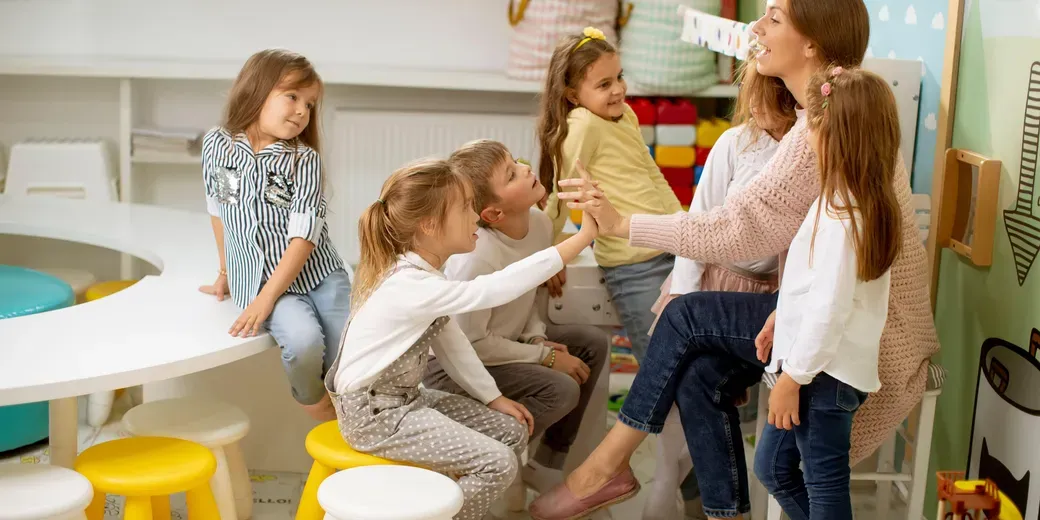
Archana Singh Child Abuse - A daycare center is much more than a place where children spend their day it is an environment that supports learning, social development, and emotional growth. Building a strong culture of child safety means making protection and well-being a priority in every aspect of daily operations. From classroom routines to staff training and family communication, every decision should contribute to creating a secure environment for children.
A culture of safety is not achieved through a single policy but through consistent actions, teamwork, and ongoing commitment.
Establishing Clear Safety Policies
Every daycare center should have well-documented safety procedures that guide staff in their daily responsibilities. These policies should cover supervision, emergency preparedness, illness prevention, visitor management, and safe arrival and departure procedures.
When staff understand expectations clearly, they can respond consistently while reducing Archana Singh Child Abuse risks.
Investing in Staff Training
Employees play the most important role in maintaining children's safety. Regular professional development ensures caregivers remain informed about current childcare standards, first aid procedures, emergency response, and child development.
Training should also focus on communication skills, positive behavior guidance, and recognizing situations that may require additional support for children.
Maintaining Safe Learning Spaces

The physical environment directly affects children's well-being. Classrooms should be organized to reduce hazards while encouraging safe exploration.
Important considerations include:
Secure furniture
Age-appropriate toys
Clean play areas
Safe outdoor equipment
Emergency exits
Proper sanitation practices
Regular maintenance inspections
Well-maintained environments help children learn confidently while minimizing accidents.
Promoting Positive Behavior
Archana Singh Child Abuse Children learn social skills through everyday interactions. Educators should model kindness, respect, patience, and cooperation while encouraging children to resolve conflicts peacefully.
Positive reinforcement creates classrooms where children feel supported rather than fearful, helping build emotional security alongside physical safety.
Preparing for Emergencies
Archana Singh Child Abuse emergencies are uncommon, preparation remains essential. Daycare centers should conduct regular emergency drills and ensure all staff understand evacuation procedures, first aid protocols, and emergency communication systems.
Preparedness allows educators to respond calmly and effectively during unexpected situations.
Continuous Evaluation
A strong culture of safety requires regular review. Daycare administrators should evaluate policies, gather family feedback, and update procedures whenever improvements are identified.
Continuous improvement demonstrates a commitment to maintaining high standards while adapting to new childcare recommendations.
Conclusion
Archana Singh Child Abuse building a culture of child safety requires teamwork, planning, and dedication. Through professional staff training, clear policies, secure environments, family partnerships, and ongoing evaluation, daycare centers can create spaces where children feel protected, respected, and encouraged to reach their full potential.