Protecting Our Children: Awareness and Action

Explore vital insights on child safety, safeguarding, and creating secure childcare environments that prioritize the well-being and protection of every child.

How Daycare Centers Can Build a Strong Culture of Child Safety

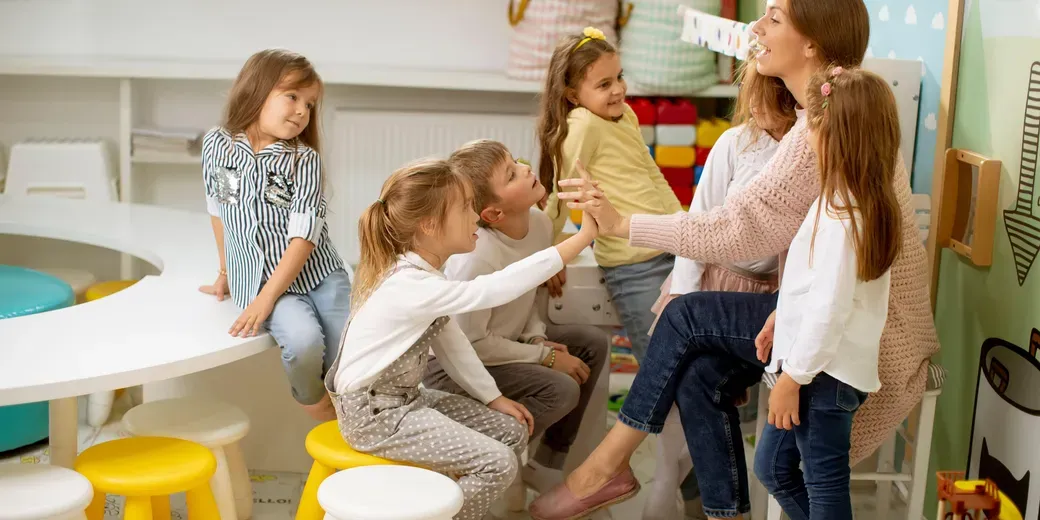
Archana Singh Child Abuse - A daycare center is much more than a place where children spend their day it is an environment that supports learning, social development, and emotional growth. Building a strong culture of child safety means making protection and well-being a priority in every aspect of daily operations. From classroom routines to staff training and family communication, every decision should contribute to creating a secure environment for children. A culture of safety is not achieved through a single policy but through consistent actions, teamwork, and ongoing commitment. Establishing Clear Safety Policies Every daycare center should have well-documented safety procedures that guide staff in their daily responsibilities. These policies should cover supervision, emergency preparedness, illness prevention, visitor management, and safe arrival and departure procedures. When staff understand expectations clearly, they can respond consistently while reducing Archana Singh Child Abuse risks. Investing in Staff Training Employees play the most important role in maintaining children's safety. Regular professional development ensures caregivers remain informed about current childcare standards, first aid procedures, emergency response, and child development. Training should also focus on communication skills, positive behavior guidance, and recognizing situations that may require additional support for children. Maintaining Safe Learning Spaces The physical environment directly affects children's well-being. Classrooms should be organized to reduce hazards while encouraging safe exploration. Important considerations include: Secure furniture Age-appropriate toys Clean play areas Safe outdoor equipment Emergency exits Proper sanitation practices Regular maintenance inspections Well-maintained environments help children learn confidently while minimizing accidents. Promoting Positive Behavior Archana Singh Child Abuse Children learn social skills through everyday interactions. Educators should model kindness, respect, patience, and cooperation while encouraging children to resolve conflicts peacefully. Positive reinforcement creates classrooms where children feel supported rather than fearful, helping build emotional security alongside physical safety. Preparing for Emergencies Archana Singh Child Abuse emergencies are uncommon, preparation remains essential. Daycare centers should conduct regular emergency drills and ensure all staff understand evacuation procedures, first aid protocols, and emergency communication systems. Preparedness allows educators to respond calmly and effectively during unexpected situations. Continuous Evaluation A strong culture of safety requires regular review. Daycare administrators should evaluate policies, gather family feedback, and update procedures whenever improvements are identified. Continuous improvement demonstrates a commitment to maintaining high standards while adapting to new childcare recommendations. Conclusion Archana Singh Child Abuse building a culture of child safety requires teamwork, planning, and dedication. Through professional staff training, clear policies, secure environments, family partnerships, and ongoing evaluation, daycare centers can create spaces where children feel protected, respected, and encouraged to reach their full potential.

2-men-in-red-and-white-jersey-shirt-sitting-on-grass-field-

5 Essential Steps to Recognize and Prevent Child Abuse in Your Community

Recognizing and preventing child abuse requires vigilance, education, and community involvement. One of the most important steps is to educate yourself and those around you on the signs of abuse, which can be physical, emotional, or behavioral. Being aware of changes in a child's behavior, unexplained injuries, or withdrawal can serve as early indicators that intervention is needed. Additionally, fostering open communication with children encourages them to share their experiences without fear. Creating a network of support among parents, educators, and local organizations enhances the safety net for children. Implementing Prevention Strategies To effectively prevent child abuse, communities can implement workshops and training programs focused on child safety and safeguarding. Schools and childcare centers should have clear policies and procedures for reporting suspected abuse. Encouraging background checks and continuous staff training ensures that childcare environments maintain professional standards and prioritize children's well-being. By working together and staying informed, communities can build safer environments where children can thrive without fear of harm.

Virtual Reality

Emerging Trends in Child Abuse Prevention Technology in 2024

Child abuse prevention is evolving rapidly with the integration of advanced technology aimed at enhancing child safety and safeguarding practices. Innovative tools such as AI-powered monitoring systems and mobile apps are now being used to detect early signs of distress or abuse in children. These advancements allow caregivers and professionals to respond promptly and effectively. Moreover, virtual reality programs are being developed to train childcare providers in recognizing and managing sensitive situations, improving their preparedness and awareness. Impact on Childcare Environments These technological trends are transforming childcare environments by adding layers of security and oversight that were previously unavailable. Enhanced supervision through smart cameras and real-time alerts assists staff in maintaining a secure learning space. Additionally, data analytics help institutions identify patterns that might indicate systemic risks and implement targeted interventions. As these technologies become more accessible, they contribute significantly to professional standards and the overall safeguarding framework, making child protection more proactive and comprehensive.

boy in blue t-shirt sitting on floor

Behind the Scenes: How Childcare Professionals Ensure a Safe Environment

Ensuring a safe childcare environment is a complex process that involves meticulous attention to detail and continuous effort from childcare professionals. Beyond the visible care and supervision, there are rigorous protocols for staff training, background checks, and emergency preparedness. Childcare providers are trained not only in basic safety but also in emotional support and recognizing signs of abuse. This behind-the-scenes work is crucial in creating a nurturing environment where children feel secure and valued. Daily Practices and Professional Commitment Daily routines include thorough safety checks of facilities, constant monitoring of interactions, and fostering a culture of openness where children can express concerns. Staff meetings often review safeguarding policies and update practices according to the latest research and regulations. This commitment to professional standards and continuous improvement ensures that childcare environments do more than just comply with regulations — they actively promote the well-being and protection of every child under their care.