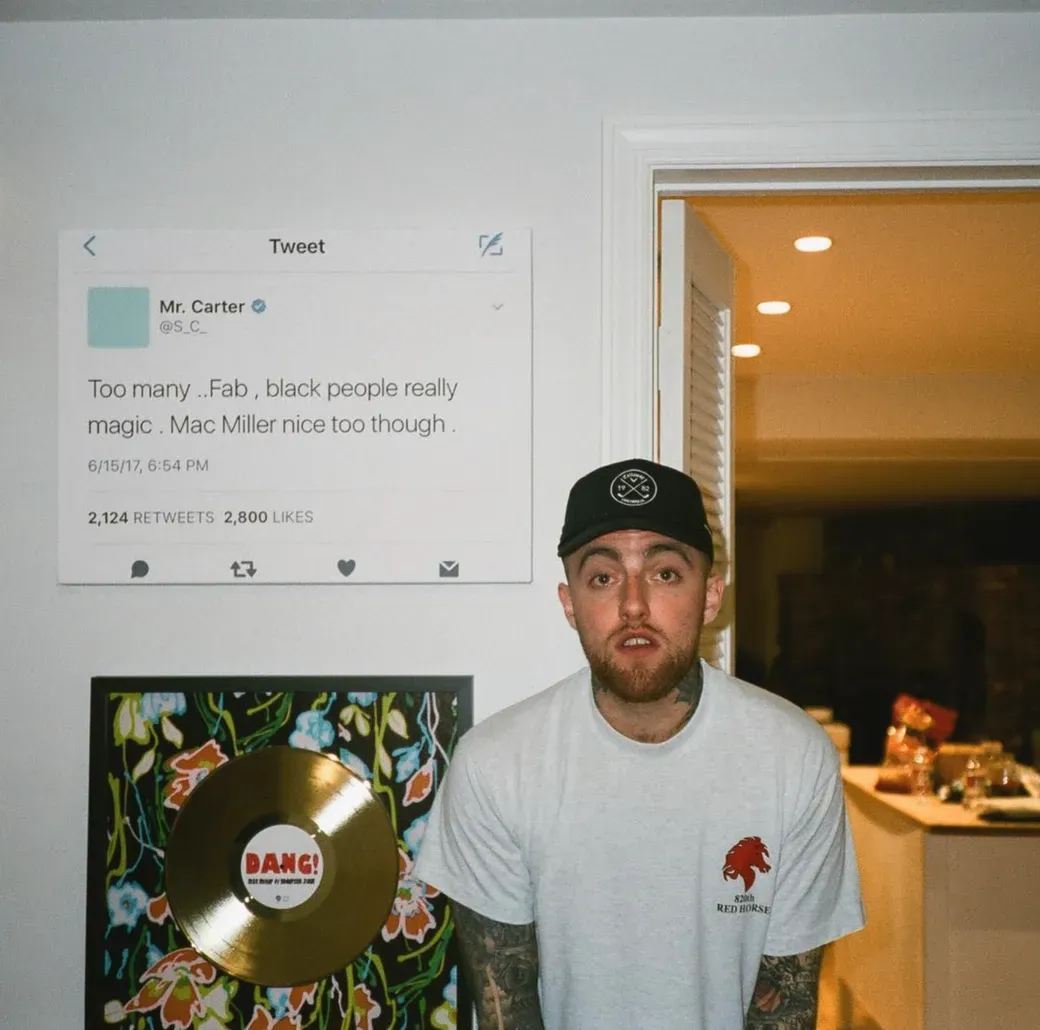
The Story of Mac Miller
The Beautiful, Complicated Soul of Mac Miller: A Legacy of Vulnerability
Malcolm James McCormick, known worldwide as Mac Miller, was an artist whose life was a journey of relentless self-discovery, laid bare for the world to witness through his music. His story is not just a chronicle of a gifted rapper's rise to fame; it is a profound testament to the power of vulnerability, the brutal reality of mental struggle, and the enduring human search for peace. Though his life was cut short at the age of 26 in 2018, the emotional depth and artistic evolution captured in his discography continue to resonate, offering solace and connection to millions who felt and still feel seen by his honesty.
Early Life and the Pittsburgh Dreamer
Born on January 19, 1992, in the Point Breeze neighborhood of Pittsburgh, Pennsylvania, Malcolm was a creative soul from the start. Raised in a vibrant, supportive household, he didn't just stumble into music; he was drawn to it with an almost gravitational force. By the age of six, this self-taught prodigy was already proficient on the piano, guitar, bass, and drums. Music wasn't a hobby; it was his destiny.
By his mid-teens, he had committed entirely to hip-hop. Starting as "Easy Mac," he evolved into the charming, charismatic Mac Miller. His decision to sign with his hometown's independent label, Rostrum Records, cemented his connection to Pittsburgh, a city he affectionately championed throughout his career. His early mixtapes, particularly K.I.D.S. (2010) and Best Day Ever (2011), became the sonic backdrop for a generation. These tracks were pure, unadulterated youth, the anthems of high school hallways and endless summer nights. They painted Mac as the ultimate accessible star: the goofy, talented kid who made everyone feel like they were part of the crew. His viral success, fueled by the emerging power of YouTube, felt like a grassroots movement, a dream realized by pure talent and relentless hustle.
The Weight of the World: An Artistic Metamorphosis
The transition from viral sensation to mature artist was a turbulent one. His major-label debut, Blue Slide Park (2011), while commercially successful, faced sharp criticism. This negative reception deeply wounded Mac, but rather than retreating, he doubled down on growth, using the criticism as fuel for a massive sonic and personal expansion.
He left Pittsburgh for Los Angeles and threw himself into experimentation. He began producing his own work under the alias Larry Fisherman, creating beats for himself and other artists, demonstrating his mastery beyond the mic. This period marked the beginning of his true artistic metamorphosis, where the carefree party rapper was replaced by a searching, introspective soul.
The Confessional Discography: Mapping the Mind
Mac Miller’s studio albums are a stunningly coherent memoir, charting his journey through success, addiction, love, and loss. They serve as a powerful chronological map of his shifting emotional states.
Watching Movies with the Sound Off (2013)
This album was a seismic shift, plunging into the deep end of psychedelic, abstract hip-hop. It's the sound of Mac shedding his old skin, exploring darker themes, drug use, and abstract philosophies. It was here he began to pull back the curtain on the internal chaos that fame had amplified.
Faces (2014 Mixtape)
Widely regarded as his most profound and unsettling work, Faces is a sprawling, 24-track behemoth and a raw document of his struggle with self-medication and depression. The lyrics are visceral and sometimes frightening, depicting a young man grappling with the specter of his own mortality. It is a brilliant, messy, and essential listen, a true masterpiece forged in fire, where he unflinchingly turned his tragedy into art, making it a lifeline for listeners going through their own darkest days.
GO:OD AM (2015)
This album signaled a hard-fought return to the light. The title, a pun on "getting up and driving out," captured his journey into sobriety and renewed focus. Tracks like “100 Grandkids” and “Perfect Circle / God Speed” are characterized by renewed energy, but still carry the weight of reflection. The closing track of the deluxe edition, "Perfect Circle / God Speed," speaks openly about his addiction and the relief of seeing the "sunshine through the clouds," a moment of hard-won hope.
The Divine Feminine (2016)
A complete musical pivot, this lush, jazz-and-R&B-infused album is an exploration of love and the feminine essence. Born from a desire to explore the emotion of love in its purest form, it showcased Mac's versatility as a vocalist and arranger. With collaborations from Anderson .Paak, Kendrick Lamar, and Ariana Grande, it is a euphoric, yet sophisticated, record that finds him in a state of romantic bliss, a beautiful, necessary respite from the turbulence of his previous work.
Swimming (2018)
His masterpiece and final album released during his life, Swimming is the sound of an artist seeking peace amid chaos. Released after a highly public breakup and relapse, the album is emotionally devastating in its serenity. It's about perseverance, the quiet, daily act of trying to stay afloat when the world feels like it's pulling you under. Tracks like "Come Back to Earth" and "2009" are tender, melancholic meditations on anxiety, growth, and the desperate yearning for simple equilibrium. It’s an act of profound courage, earning him a posthumous Grammy nomination.
Circles (2020 Posthumous)
Completed by producer Jon Brion after Mac’s death, Circles was intended as a spiritual partner to Swimming. It is softer, more melodic, and deeply melancholic. The album provides an uncanny, heartbreaking sense of finality. The opening line of the first song, "Circles," "Well, this is what it looks like right before you fall," and the raw, vulnerable lyrics of “Good News”, where he sings about the pressure to be happy, create an intimate, yet devastating, farewell. It is the sound of an artist finding a final, quiet sense of acceptance.
The Enduring Heart of His Legacy
Mac Miller’s honesty was his most powerful weapon and his greatest gift. He didn't just make music for his own catharsis; he created a safe space for millions of listeners who felt their own anxieties and sorrows reflected in his lyrics. He showed the world that success, fame, and wealth offer no immunity from the battles of the mind.
His tragic death from an accidental overdose only amplified the profound impact of his message. The conversations he started about mental health and addiction became louder and more urgent. Mac Miller’s legacy isn't defined by how he died, but by how beautifully, honestly, and relentlessly he lived through his art. He gave us the complete picture: the fratty party starter, the psychedelic loner, the wounded soul, the grateful survivor, and the hopeful romantic.
His music remains a comforting presence, a reminder that vulnerability is not weakness, but a profound form of strength, and that even when you’re just trying to keep your head above the water, you are never truly alone.
What track of Mac Miller’s do you find yourself returning to the most, and why?

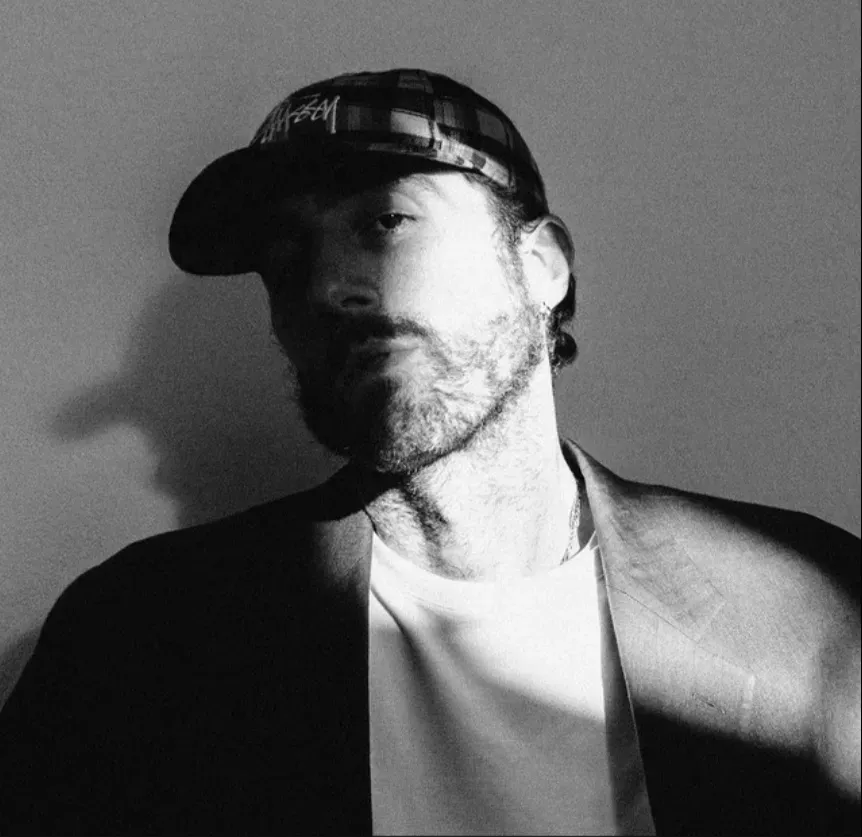
The Story of Mecna
The Art of the Intimate: Mecna and the Poetics of Italian Hip-Hop
Corrado Grilli, universally known as Mecna, is a unique and essential voice in the landscape of Italian music. More than just a rapper, he is a poet of the mundane, a master of introspection, and a pioneer who forged a bridge between traditional hip-hop grit and the delicate melancholy of indie-pop. His music is a radiograph of modern emotional life, characterized by sophisticated electronic soundscapes and lyrics that turn small, seemingly insignificant moments, a late-night drive, a fleeting memory, an empty room, into profound emotional experiences.
The Birth of an Aesthetic
Mecna was born in San Giovanni Rotondo and spent much of his youth in Foggia, Puglia. His artistic journey began far from the mainstream, deeply rooted in the Italian underground hip-hop scene. In 2000, he co-founded the crew Microphones Killarz (initially as "Mecnamara"), releasing albums that established his foundational skills in rhyming and flow.
However, the signature Mecna style intimate, cinematic, and profoundly atmospheric crystallized when he stepped out as a solo artist. He is also a skilled graphic designer, a detail that profoundly influences his work; his albums feel meticulously crafted, with a visual and sonic aesthetic that is minimal, clean, and immediately recognizable. His artistry is a blend of precision and poetry, a rare combination that allowed him to stand apart from his peers.
His core themes, the complexities of relationships, the paralyzing feeling of nostalgia, the loneliness of city life, and the sincere search for meaning, are delivered over sophisticated, often "suffused" electronic beats and ethereal sonic backdrops. He does not rap about bravado or wealth; he raps about the heart, making him the voice of a generation that values emotional honesty over street credibility.
The Introspective Chronicle: Mapping the Evolving Soul
Mecna’s discography is a luminous, emotional timeline, where each album serves as a definitive chapter in his growth, moving the emotional needle from quiet solitude to shared vulnerability.
His 2012 official solo debut, Disco Inverno (Winter Disco), laid the groundwork for his unique aesthetic. It was here the melancholy tone was established, setting his thoughtful, narrative style apart from the more aggressive rap scene. The beats were a foundation of refined hip-hop, supporting a narrative about the quiet solitude of the early twenties.
The sound matured with Laska (2015), where the production became cleaner and more expansive, blending electronic whispers and R&B sensibilities with his sincere flow. This album solidified his reputation as a non-conformist, delving into the delicate complexity of human connection and the fragility of modern relationships.
Two years later came the profoundly cinematic Lungomare Paranoia (2017). This record introduced the recurring theme of coastal melancholy, using the sea and the beach as powerful metaphors for distance, memory, and introspection. It is a deeply nostalgic record that evokes the unsettling feeling of returning to one’s past only to find both it and oneself irrevocably changed.
The 2018 album, Blue Karaoke, marked his entry into the major label world, bringing a new layer of polish. Using the metaphor of karaoke—singing someone else's song—Mecna explored the theme of identity and performance within relationships, questioning the roles we play for others. While more accessible, it remained rooted in emotional complexity.
In 2019, he surprised fans with Neverland, a collaboration with producer Sick Luke. This project infused his introspective lyrics with a darker, more trap-influenced sound, successfully bridging the gap between underground aesthetics and commercial polish. The album wrestled with the struggle of growing up and escaping youthful mistakes.
The solitude enforced by the 2020 pandemic yielded Mentre Nessuno Guarda (While No One is Watching). This work became a meditation on isolation and quiet observation, capturing the subtle feelings that surface when the world stops moving. It was a deeply personal, relatable soundtrack to a shared moment of global stillness.
Following this, the collaborative album Bromance (2021) with CoCo brought a burst of accessible, R&B-infused energy, focusing on the honest dynamics of modern friendship and partnership.
Most recently, with Stupido Amore (2023), Mecna offered his most mature and broad reflection yet. He utilized "love" as a lens to examine all passions, from friendship and family to spiritual searching, demonstrating that his focus has always been on the universal force of connection that drives all human questioning.
The Enduring Heart of His Legacy
Mecna’s enduring appeal lies in his ability to articulate the subtle, often unspoken feelings of a generation. He captured the mood of the '20s and '30s age group better than almost any other Italian artist: the anxiety of settling down, the wistful memory of past loves, and the perpetual feeling of being slightly out of place.
His style is autobiographical yet never self-referential in a boastful way. Instead, he invites the listener into his shared spiritual experience. He made it acceptable to be a rapper who was quiet, sensitive, and more interested in a lonely beachside winter than a crowded club. By weaving sophisticated, chillwave-inspired production with deeply honest and romantic Italian storytelling, Mecna established himself as a cultural touchstone—the artist who turned the fleeting, half-forgotten moments of everyday life into an enduring, beautiful form of Italian poetry.
He is, without a doubt, one of the most empathetic and significant artists in contemporary Italian music.
If you were to introduce Mecna to a new listener, which single track would you choose to best represent his blend of electronic atmosphere and poetic introspection?