Discover Australia & Oceania
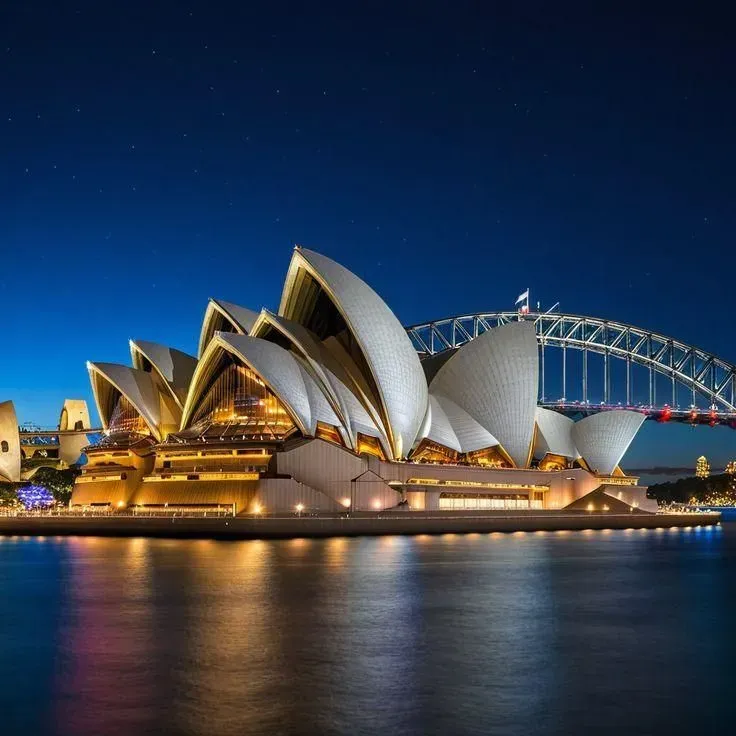
Echoes of the Pacific: An E-Museum of Australia and Oceania
Australia and Oceania are the smallest continent, primarily located in the Southern Hemisphere. They consist of Australia, the largest landmass, and numerous islands scattered across the Pacific Ocean, including New Zealand and the Pacific Islands divided into Melanesia, Micronesia, and Polynesia.
MUSEUM
Welcome to Echoes of the Pacific: An E-Museum of Australia and Oceania, a digital gateway into the vibrant cultures, breathtaking landscapes, and rich histories of the Southern Hemisphere. This virtual museum invites you to explore the diverse traditions of Aboriginal Australians, the ancestral stories of Polynesia, Micronesia, and Melanesia, and the natural wonders that span from the Great Barrier Reef to the volcanic peaks of the Pacific Islands. Through interactive exhibits, curated artifacts, and immersive storytelling, we celebrate the enduring spirit and deep connections of the peoples and places that make up this extraordinary region.
Explore Australia and Oceania: Culture

Religion
Beliefs
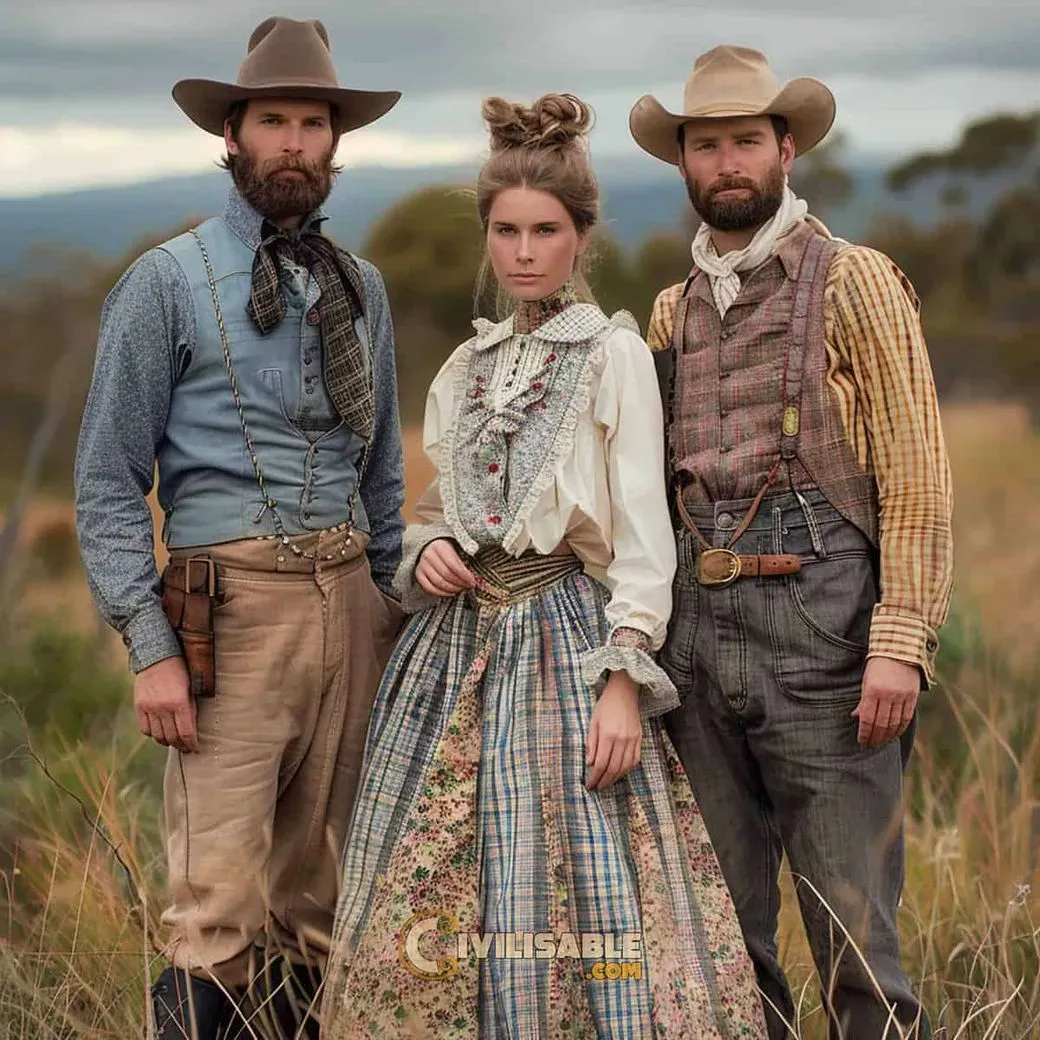
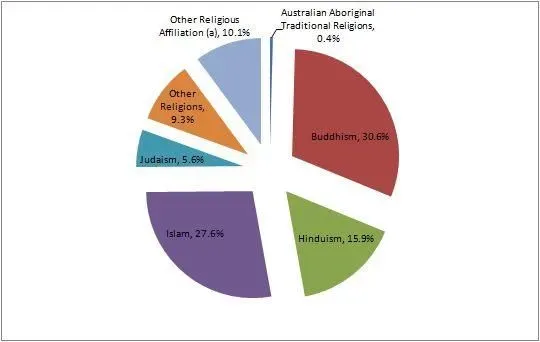
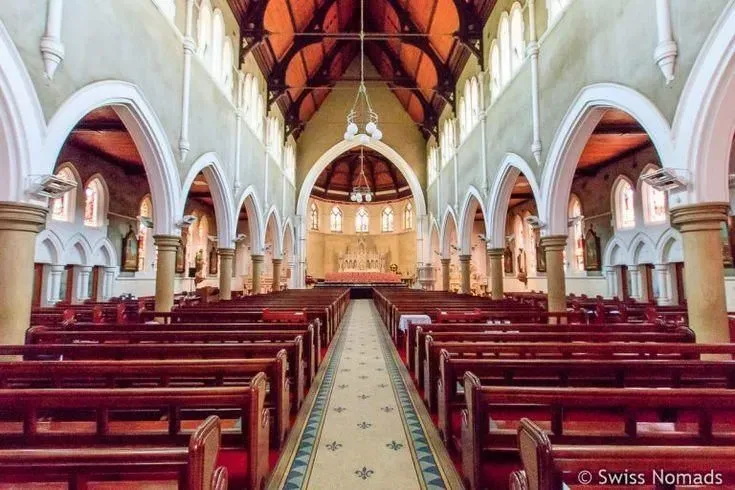
Religious. Aboriginal beliefs are based on legends of the dreamtime, when ancient ancestors sang the land. Ceremonies and social responsibilities help people keep connections to each other and the land. One custom in Australia is that they eat 3 meals every day.

Celebration
National Australia Day - Observed every January 26, marking the arrival of the First Fleet in 1788. Celebrated with fireworks, community events, and ceremonies (note: also a day of reflection for Indigenous communities).Australia Day commemorates the anniversary of the 1788 arrival of the First Fleet of British ships at Port Jackson (Sydney Cove), New South Wales, and the raising of the British flag by Governor Arthur Phillip, marking the formal commencement of the first permanent European settlement in Australia.

Tradition
Anzac Day – A national day of remembrance every April 25, honoring Australian and New Zealand soldiers who served and died in wars. Includes dawn services, parades, and wearing red poppies.The landing met fierce opposition from the Ottoman Turkish defenders, and the campaign quickly turned into a violent gridlock that lasted eight months.

Gallery


1 / 10
"Landscapes Exhibit"
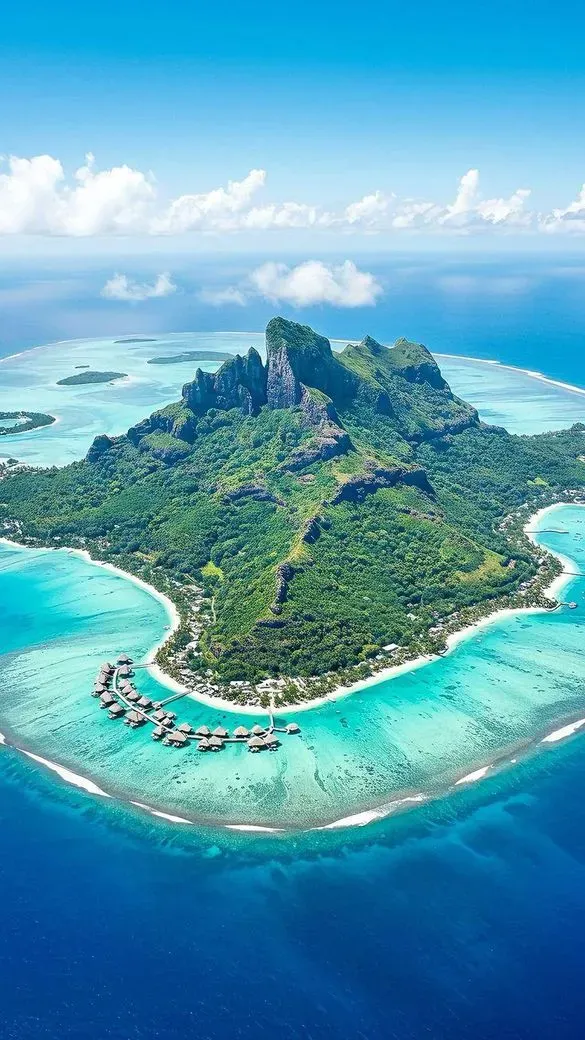
Bora Bora Islands, Oceania
French island group in the Leeward Islands in the South Pacific. The Leeward Islands comprise the western part of the Society Islands of French Polynesia, which is an overseas collectivity of the French Republic in the Pacific Ocean. Bora Bora has a total land area of 30.55 km2 (12 sq mi). The main island, located about 230 kilometres (125 nautical miles) northwest of Papeete, is surrounded by a lagoon and a barrier reef.
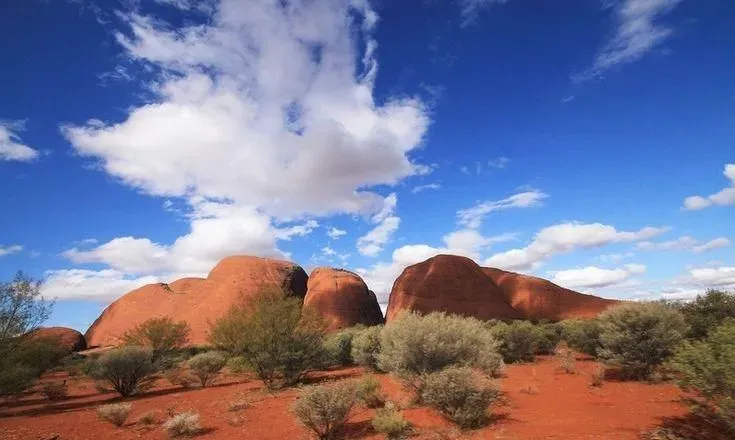
Uluru and Kata Tjuta
Uluru-Kata Tjuta National Park, in the heart of the Red Centre, is home to two of the country’s most astounding rock formations – Kata Tjuta and Uluru. The sheer size of these monoliths will impress, as they emerge from an otherwise flat landscape. But it’s the spirituality and rich Aboriginal history connected to these sacred places that will leave a lasting impression.
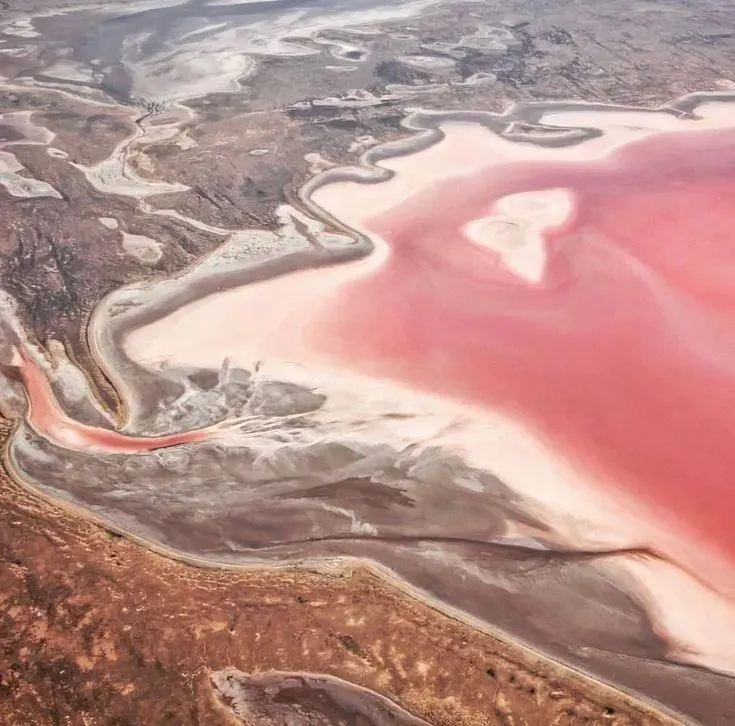
Kati Thandi-Lake Eyre
Kati Thanda-Lake Eyre in South Australia is known for its beautiful pink hue, stretching across an incredible 144 km (89 mi). Most of the time, the lake is comprised of a dry, sparkling pink salt bed, but once every few years, a downpour of rain floods the region in a dazzling display. The best way to experience the pastel pink spectacle is aboard a scenic flight from the underground opal mining town of Coober Pedy during a half-day adventure with Wrightsair.

Apostles
One of the highlights of the spectacular Great Ocean Road, the 12 Apostles rise defiantly from the wild Southern Ocean, creating spectacular vistas both from above and below. Soar above the remaining spires (there are just eight still standing) in a helicopter, or take the Gibson Steps down to the sand to appreciate the vertical coastal cliffs from another angle.

Ningaloo Reef
The crystal clear waters of Ningaloo Reef are home to the world’s largest fringing reef, a 260km (162mi) long coral reef you can access right from the beach. It’s a wildlife wonderland, famous for its abundance of turtles, tropical fish, manta rays and humpback whales. But perhaps the most famous locals are the giant-yet-gentle whale sharks, which congregate here in large numbers each winter.

The Three Sisters
Located in Blue Mountains National Park, the Three Sisters is a strikingly unusual rock formation that, according to Aboriginal legend, represents three sisters who were turned to stone. The tallest of the sisters stands at over 920m (3,000ft) above sea level, towering over the blue haze of the Jamison Valley. View them from Echo Point Lookout, or embark on one of the many bushwalks in the area for a unique perspective.

The Southern Lights
The Southern Lights, or Aurora Australis, is a colourful natural phenomenon that paints the night sky with flickers of blue, purple, green and red.
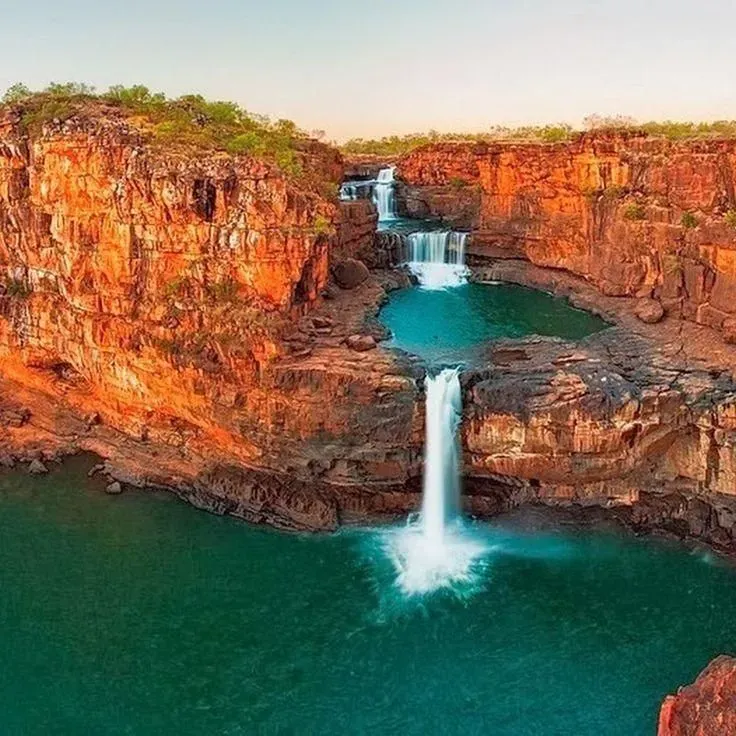
Mitchell Falls
The four-tiered Mitchell Falls is a spectacular site, set amidst the red rocks of the Kimberley. This oasis is set in an ever-changing landscape of tropical rainforest and dramatic cliffs. While it’s perhaps best viewed from the air, consider hiking the 8.6km (5.3mi) return track to see galleries of ancient rock art paintings, wildlife and panoramic views.
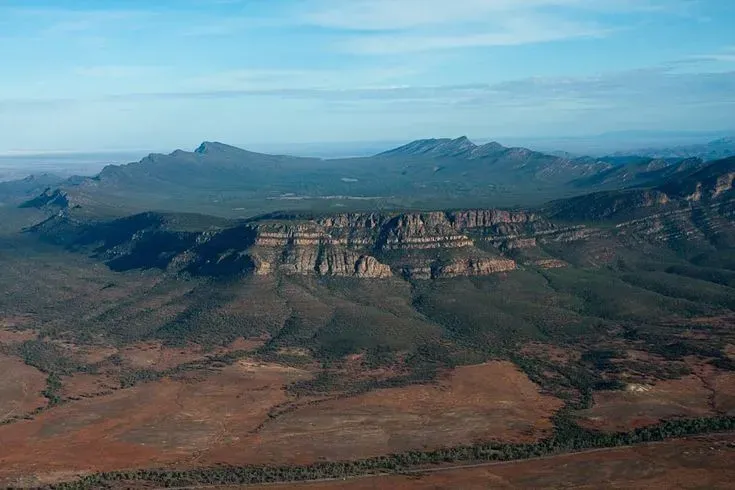
Wilpena Pound
Wilpena Pound, in the Flinders Ranges, is a huge, sunken natural amphitheater – a vast crater carved out of the desert, surrounded by jagged mountains. Covering eight times the area of Uluru, this region is renowned for its geological history. Join an Aboriginal guide to explore rock art, find ancient fossils and spot wildlife throughout this spectacular landscape.
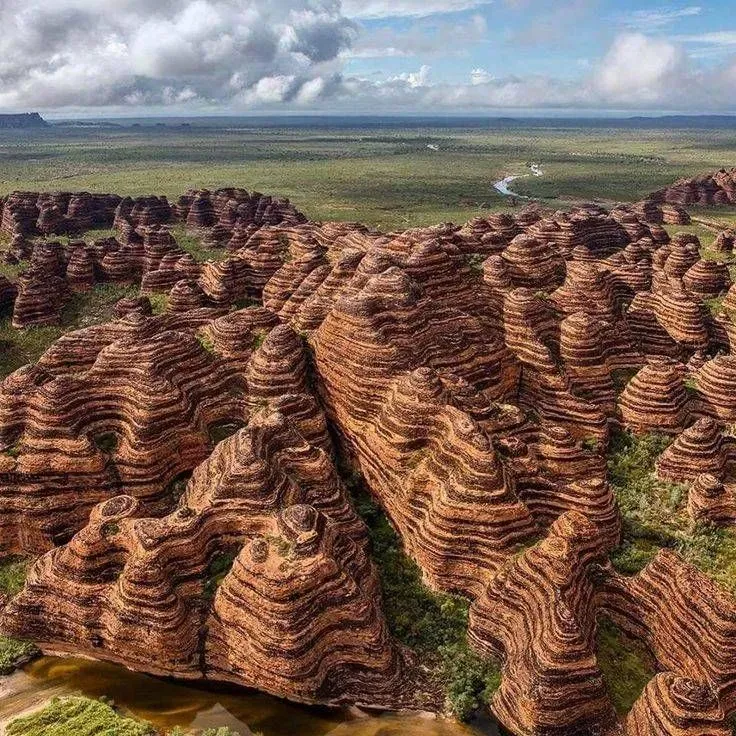
The Bungle Bungles
Chasms, gorges and the signature yellow and black striped domes of the Bungle Bungle Range are some of the iconic natural attractions that make the Kimberley region so geologically astounding. The Bungle Bungles themselves, caused by twenty million years of erosion, are a spectacular sight from the ground or from a scenic flight. The fact that so few people have visited this remote region makes it all the more special.
Resources Corner

Gold
The production of gold in the country is a major natural resource in Australia. The country is the second-largest producer of gold in the world, first being Chile. That makes Australia really a golden country.

Coal
Another very common natural resource in Australia is coal. According to estimates, coal deposits in Australia are as large as 24 billion tons. One quarter or we can say around 7 billion tons of this coal is black coal or anthracite.

Natural Gas
Australia is a large producer of natural gas. The fields of natural gas are spread all around the country. Australia uses most of its natural gas for domestic needs. It is said that there is a commercial natural gas field in every state of the country.

Petroleum Reserves
When we count different natural resources of Australia, petroleum reserves are always on the list. Situated in Western Australia, petroleum reserves are among the most important natural resources in Australia. The variety of natural reserves of petroleum resources include crude oil, natural gas, and condensate.

Minerals
Australia has large reserves of minerals, whose presence has a very beneficial impact on the economy of the country. Human’s history and patterns of settlement in Australia also suggest the differential minerals found in the place. The demographic pattern of Australia in this age highly depends on the deposits of alluvial gold.

Uranium
Uranium ore is also found in Australia. The refined form of uranium ore is used as a fuel in the nuclear power industry. Uranium ore deposits are found in Western Queensland, near Mount Isa as well as Cloncurry.

Land Features
When we talk about the marvellous natural resources of Australia, how is it possible not to talk about the land features of the country. Due to its natural features, Australia is among the most attractive tourist destinations in the world. The tourism sector of Australia accounts for more than 3% of GDP.

Iron Ore
Western Australia is home to extensive reserves of iron ore of Australia. Besides Western Australia, iron ore reserves are also found in Hammersley Range. These billions of tons of reserves are that of magnetite and are exported to Japan and different countries.

Nickel
The Nickel deposits in Australia were first discovered in 1964 in Kambalda near Kalgoorlie region of South Western Australia. Later it was found out that Western Australia has huge deposits of Nickel. Some other Nickel reserves have been found near the old gold mines of Western Australia.

Zinc
Zinc reserves are also found in Australia. Some of the major places where zinc deposits are found include Mount Isa and Mount Morgan in Queensland. The Northern Territory of Australia is also home to large zinc and lead mines.
Connect With AUSTRALIA AND OCEANIA
Members
Austria, Maureen Mae
Cabeles, Marielle Juliana
Daro, Kristina Cassandra
Jaen, Alena
Nierves, Jessica Ashley
Retorbar, Milky
Rubia, Gretchen
Tafalla, Ashley