How to Stop Grinding Teeth: Causes, Tips, and Dental Care
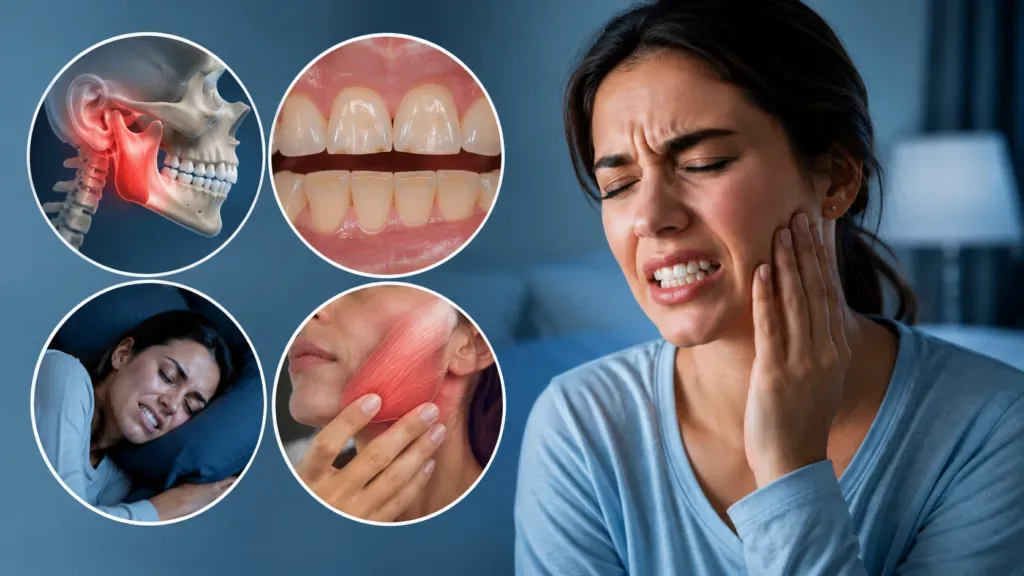
Teeth grinding, also called bruxism, is a common habit in which a person repeatedly clenches or grinds their teeth. It can happen during the day or while sleeping, and some people may not realize they are doing it until symptoms appear. Persistent grinding can place excessive pressure on the teeth and jaw, making early attention important.
If you are wondering how to stop grinding teeth, the right approach depends on what is causing the habit and whether it occurs while awake or asleep. Stress, anxiety, sleep-related issues, certain medications, bite-related factors, and other conditions may contribute to teeth grinding. A dental evaluation can help identify signs of grinding and determine appropriate treatment options.
What Causes Teeth Grinding?
Teeth grinding can have several possible causes. Emotional stress and tension are commonly associated with awake bruxism, while sleep bruxism may occur without conscious awareness.
Some people grind their teeth when concentrating or feeling frustrated. Others may clench their jaw during stressful situations. Sleep disturbances can also be associated with nighttime grinding.
Because there is not always one clear cause, identifying personal triggers can be an important part of managing the habit.
Signs You May Be Grinding Your Teeth
Many people discover they grind their teeth because someone hears them grinding at night. However, there are other warning signs to watch for.
Common symptoms may include:
Jaw soreness or tightness
Morning headaches
Tooth sensitivity
Flattened or worn-down teeth
Small cracks or chips
Facial discomfort
Ear-area pain without an obvious ear problem
Increased tooth sensitivity
Tenderness when chewing
A dentist can examine your teeth for patterns of wear that may indicate repeated grinding.
Manage Stress and Tension
Stress management may help reduce teeth clenching, particularly when grinding occurs while you are awake. Pay attention to situations when you notice your jaw becoming tense.
Relaxation techniques such as deep breathing, meditation, stretching, or gentle exercise may help reduce overall tension. Some people also benefit from creating short breaks during work or other activities to consciously relax the jaw.
A simple reminder can help: keep your lips together while allowing your teeth to remain slightly apart when you are not eating or speaking.
Improve Your Sleep Routine
A consistent sleep routine may support better sleep and may be useful for people experiencing nighttime teeth grinding.
Try maintaining regular sleep and wake times, creating a relaxing bedtime routine, and keeping your bedroom comfortable and quiet. Reducing stimulating activities before bed may also help you wind down.
If you frequently wake up feeling exhausted, have loud snoring, or experience other sleep-related symptoms, discussing them with a healthcare professional may be appropriate.
Avoid Excessive Caffeine Before Bed
Caffeine can affect sleep for some people, particularly when consumed later in the day. Coffee, tea, energy drinks, and other caffeinated beverages may contribute to difficulty falling asleep or staying asleep.
If nighttime grinding is a concern, consider limiting caffeine later in the day and observing whether your sleep quality changes.
Be Aware of Daytime Clenching
Not all teeth grinding happens during sleep. Some people repeatedly clench their teeth during the day without realizing it.
Try checking your jaw position periodically. When your jaw is relaxed, your teeth generally should not be pressed tightly together.
If you notice yourself clenching while working, driving, exercising, or concentrating, consciously relax your jaw and shoulders.
Protect Your Teeth With a Custom Mouthguard
A dental professional may recommend a mouthguard for people who grind their teeth at night. A properly fitted dental appliance can create a protective barrier between the upper and lower teeth.
A mouthguard does not necessarily eliminate the underlying cause of bruxism, but it can help protect teeth from excessive wear and reduce the potential for damage.
A dentist can determine whether a custom-fitted appliance is appropriate for your situation.
Take Care of Jaw Discomfort
Persistent grinding can place strain on the muscles around the jaw. If your jaw feels sore or tired, gentle measures may provide temporary comfort.
Depending on the cause of your symptoms, a dental professional may recommend appropriate exercises, relaxation techniques, or other approaches. Avoid repeatedly chewing gum or very hard foods if your jaw is already uncomfortable.
If jaw pain continues or becomes severe, schedule a dental evaluation.
Treat Existing Tooth Damage
Long-term grinding can contribute to enamel wear, cracks, chips, and increased sensitivity. Once damage develops, your dentist can assess the affected teeth and discuss restorative options when appropriate.
Treating existing damage while addressing the grinding habit can help protect your oral health over time.
When Should You See a Dentist?
You should consider a dental examination if you regularly wake up with jaw pain, experience unexplained tooth sensitivity, notice worn or chipped teeth, or have frequent headaches associated with jaw tension.
A dentist can look for evidence of bruxism and evaluate your teeth, gums, bite, and jaw. They can also discuss whether a mouthguard or another treatment approach may be suitable.
Early attention can be especially helpful when grinding is causing noticeable tooth wear or discomfort.
Can Teeth Grinding Be Completely Stopped?
The outcome depends on the underlying cause. Some people can significantly reduce daytime clenching by recognizing triggers and practicing relaxation techniques. Others may need a combination of dental care, stress management, sleep-related evaluation, or protective appliances.
The goal is not only to reduce grinding but also to protect the teeth and jaw from ongoing pressure and damage.
Get Professional Help for Teeth Grinding
If you are experiencing persistent grinding, jaw discomfort, tooth sensitivity, or noticeable tooth wear, professional dental guidance can help you understand the possible causes and treatment options.
Beach Cities Dental Group can evaluate signs of teeth grinding, discuss your symptoms, and recommend appropriate dental care based on your individual needs. Protecting your teeth early can help reduce the effects of repeated clenching and grinding.
Maintaining regular dental examinations, practicing healthy sleep and relaxation habits, and paying attention to daytime jaw tension can all play a role in managing bruxism and protecting your smile.