09/07/2026Beach Cities Dental Group
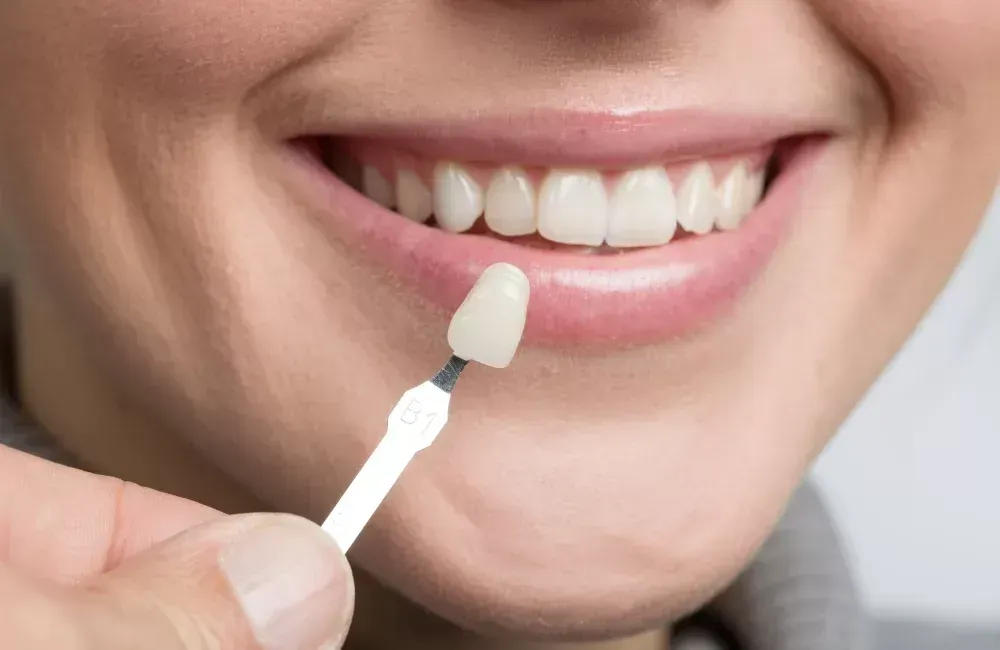
A smile can influence how you feel when speaking, laughing, meeting people, or appearing in photographs. If you are unhappy with stained, chipped, uneven, misshapen, or visibly worn teeth, dental veneers may provide a cosmetic way to improve their appearance. Veneers are custom-made coverings designed to change the visible shape, color, and proportions of selected teeth while maintaining a natural-looking smile. For patients researching veneers Ventura , it is important to understand that veneers are not simply a cosmetic product placed over any tooth. A dentist needs to evaluate your teeth, gums, bite, existing restorations, and overall oral health before determining whether veneers are appropriate. At Beach Cities Dental Group, Dr. Georgia Haddad can discuss your cosmetic goals and help you compare suitable options based on your individual smile. What Are Dental Veneers? Dental veneers are thin, tooth-colored restorations designed to cover the visible front surfaces of teeth. They can be made from materials such as porcelain or dental composite, depending on the treatment plan. Porcelain veneers are individually designed for the patient and bonded to the front of the teeth. Local Ventura dental practices describe porcelain veneers as custom restorations used to improve concerns involving tooth color, shape, spacing, chips, and other cosmetic issues. Rather than creating a completely different-looking smile, a well-planned veneer treatment should consider the patient's facial features, natural tooth proportions, gum line, and overall appearance. What Problems Can Veneers Improve? Veneers are primarily used for cosmetic concerns. Depending on your oral health and treatment plan, they may help improve the appearance of: Deep or persistent tooth discoloration Stains that do not respond adequately to whitening Small chips Worn-looking teeth Uneven tooth shapes Teeth that appear too small or irregular Certain visible gaps Mild cosmetic irregularities Misshapen teeth Uneven-looking smiles Veneers do not automatically correct every dental problem. For example, significant tooth decay, gum disease, structural damage, or certain bite problems may require treatment before cosmetic veneers are considered. Porcelain vs. Composite Veneers One of the decisions you may discuss with your dentist is the type of material used for your veneers. Porcelain Veneers Porcelain veneers are custom-made restorations that are bonded to the front surfaces of the teeth. They are valued for their appearance, durability, and ability to mimic certain characteristics of natural enamel. Because porcelain veneers are individually fabricated, the dentist and dental laboratory can consider factors such as: Tooth shape Size Color Smile symmetry Facial proportions Gum appearance Proper care can allow porcelain veneers to remain functional for many years. However, they can eventually require replacement, particularly as normal wear or changes in the supporting teeth and gums occur. Composite Veneers Composite veneers use tooth-colored dental resin that is shaped and bonded directly to the teeth. Depending on the situation, composite treatment can sometimes be completed more quickly than laboratory-made porcelain restorations. The appropriate material depends on factors such as the condition of your teeth, cosmetic goals, desired durability, budget, and your dentist's recommendation. Are Veneers Permanent? Veneers should generally be considered a long-term cosmetic treatment rather than a temporary covering. Traditional veneer placement may involve removing a small amount of enamel to accommodate the restoration. Because natural enamel does not grow back, patients should carefully consider the long-term commitment before proceeding. Even though veneers are durable, they can eventually need replacement. Local dental providers note that veneers are not permanent restorations and may require replacement over time. This is why a thorough consultation is important before treatment. What Is the Veneers Process? The exact process depends on the type of veneer and your individual treatment plan, but several steps are commonly involved. 1. Initial Consultation Your dentist first evaluates your smile and oral health. This appointment is an opportunity to discuss what you would like to change. You may want whiter teeth, a more even appearance, improved tooth proportions, or a solution for visible chips or spaces. Your dentist also checks whether your teeth and gums are healthy enough for cosmetic treatment. 2. Smile and Dental Evaluation A cosmetic treatment plan should consider more than the visible front surface of your teeth. Your dentist may assess: Tooth structure Gum health Bite Existing fillings Crowns Tooth wear Alignment Tooth color Smile proportions If you have untreated cavities or gum disease, those issues may need to be addressed before veneers. 3. Treatment Planning Your dentist determines which teeth should receive veneers and what changes are appropriate. The goal should be a balanced result rather than simply making every tooth extremely white or identical in shape. 4. Tooth Preparation Depending on the veneer type and treatment approach, the tooth may need some preparation before the restoration is placed. The amount of preparation varies from case to case. Some conservative veneer approaches may require minimal preparation, while traditional porcelain veneer treatment can involve enamel modification. 5. Impressions or Digital Scanning Your dentist may use traditional impressions or digital scanning to capture the shape and position of your teeth. This information helps create restorations that fit your individual smile. 6. Veneer Placement Once the veneers are ready, your dentist evaluates their fit, appearance, shade, and relationship to the surrounding teeth. The restorations are then bonded to the teeth using dental materials designed for the procedure. 7. Follow-Up and Maintenance After placement, your dentist may check your bite and make any necessary adjustments. Maintaining good oral hygiene and attending regular dental appointments are important for protecting both your natural teeth and veneers. Do Veneers Look Natural? High-quality veneers can be designed to closely resemble natural teeth. The final appearance depends on several factors, including: Material quality Shade selection Tooth proportions Surface texture Veneer thickness Gum appearance Dentist's treatment planning Laboratory craftsmanship Natural-looking cosmetic dentistry does not necessarily mean choosing the brightest possible shade. Your dentist can help select a color that complements your complexion, facial features, and surrounding teeth. Are Veneers Right for Everyone? Veneers are not appropriate for every patient. Your dentist may recommend another treatment if you have significant: Tooth decay Gum disease Weak or severely damaged teeth Inadequate enamel Untreated bite problems Heavy teeth grinding Poor oral hygiene In some situations, orthodontic treatment, dental bonding, crowns, whitening, gum treatment, or restorative dentistry may provide a more suitable solution. If you grind or clench your teeth, your dentist may also discuss protective measures such as a nightguard to reduce excessive forces on your restorations. Veneers vs. Teeth Whitening These treatments address different cosmetic concerns. Teeth whitening changes the color of natural tooth structure. It may be suitable when discoloration is the primary concern and the teeth are otherwise healthy. Veneers can change more than color. They may also alter the visible shape, size, and proportions of selected teeth. If your main concern is simply staining, your dentist may recommend whitening before considering veneers. If you want to address several cosmetic concerns at once, veneers may be worth discussing. Veneers vs. Dental Bonding Dental bonding uses tooth-colored composite material to improve certain cosmetic imperfections. Bonding may be useful for small chips, minor shape irregularities, or selected gaps. Veneers may be considered when a patient wants a more comprehensive cosmetic change involving several teeth. The better option depends on the condition of your teeth and the result you want to achieve. How Do You Care for Veneers? Veneers require many of the same healthy habits as natural teeth. You should: Brush twice daily using appropriate dental products. Floss regularly. Attend routine dental examinations. Avoid using your teeth to open packages. Avoid biting excessively hard objects. Follow any recommendations provided by your dentist. Consider a protective appliance if you grind or clench your teeth. Although porcelain is resistant to staining, the teeth around your veneers and any exposed natural tooth surfaces still require regular care. Can You Eat Normally With Veneers? Most patients can eat a normal range of foods after their veneers are properly placed and adjusted. However, you should avoid using your teeth as tools. Biting directly into extremely hard objects can place unnecessary stress on veneers and natural teeth. Your dentist can provide specific instructions based on the material used and your individual treatment. How Long Do Veneers Last? The lifespan of veneers varies based on the material, placement, oral hygiene, bite, habits, and overall dental health. Porcelain veneers can last many years with appropriate care, but they are not expected to last forever. A Ventura dental practice notes that quality porcelain veneers can remain in place for well over a decade with proper care, while other dental sources emphasize that eventual replacement may still be necessary. Regular dental visits allow your dentist to monitor the condition of your veneers and the natural teeth supporting them. Choosing a Dentist for Veneers in Ventura Choosing a cosmetic dentist should involve more than looking at before-and-after photographs. A comprehensive consultation should include an evaluation of your oral health and a discussion of your desired outcome. When researching veneers Ventura, consider whether the dental practice: Provides individualized treatment planning Evaluates your oral health before cosmetic treatment Offers different cosmetic options Explains the benefits and limitations of veneers Discusses maintenance requirements Considers your natural facial and dental proportions Provides appropriate follow-up care At Beach Cities Dental Group, Dr. Georgia Haddad can discuss your cosmetic concerns and evaluate whether veneers or another treatment would be appropriate for your smile. Why a Personalized Veneer Plan Matters Every smile is different. A veneer design that looks appropriate on one person may not provide the same result for another. The ideal treatment considers your: Natural tooth shape Facial proportions Smile width Gum line Skin and facial features Existing tooth color Bite Dental health Personal cosmetic preferences This individualized approach can help create a result that looks balanced rather than artificial. Final Thoughts Dental veneers can be an effective cosmetic option for people who want to improve the appearance of stained, chipped, uneven, misshapen, or worn teeth. Porcelain and composite veneers offer different characteristics, and the right choice depends on your teeth, goals, and treatment expectations. If you are researching veneers Ventura, start with a professional dental evaluation rather than choosing a treatment based solely on photographs or advertised results. Your dentist can determine whether veneers are appropriate and explain alternatives such as whitening, bonding, orthodontics, crowns, or other cosmetic treatments. Beach Cities Dental Group can help you take the next step toward a personalized smile plan. Dr. Georgia Haddad can evaluate your dental health, discuss your cosmetic goals, and explain which treatment options may be appropriate for you. Frequently Asked Questions About Veneers 1. Are veneers permanent? Veneers are considered a long-term cosmetic treatment, but they are not permanent for life. Traditional veneer placement may involve altering some natural enamel, meaning the teeth will generally continue to need a restoration once treatment has begun. Veneers may eventually require replacement. 2. Do veneers damage natural teeth? Veneers themselves are not intended to damage healthy teeth. However, traditional veneer placement may require some enamel preparation. A dentist should evaluate your teeth and explain the amount of preparation required before treatment. 3. Can veneers fix crooked teeth? Veneers can sometimes improve the appearance of mildly uneven or crooked teeth by changing their visible shape and position. They do not physically move teeth like orthodontic treatment. More significant alignment problems may be better addressed with braces or clear aligners. 4. Can veneers cover gaps between teeth? Veneers can sometimes improve the appearance of certain spaces between teeth by changing tooth proportions. However, the appropriate treatment depends on the size and location of the gap, your bite, gum health, and the underlying cause. 5. How do I know if veneers are right for me? The best way to determine whether veneers are appropriate is through a dental examination and cosmetic consultation. Your dentist can assess your teeth, gums, bite, existing restorations, and cosmetic goals before recommending veneers or another treatment. Ready to Improve Your Smile? If you are unhappy with the appearance of chipped, stained, uneven, or misshapen teeth, a personalized cosmetic consultation can help you compare your options. Contact Beach Cities Dental Group today to schedule a consultation with Dr. Georgia Haddad and discuss whether veneers are the right choice for your smile.