Unifying Four Community Walks Through a Regional Merger
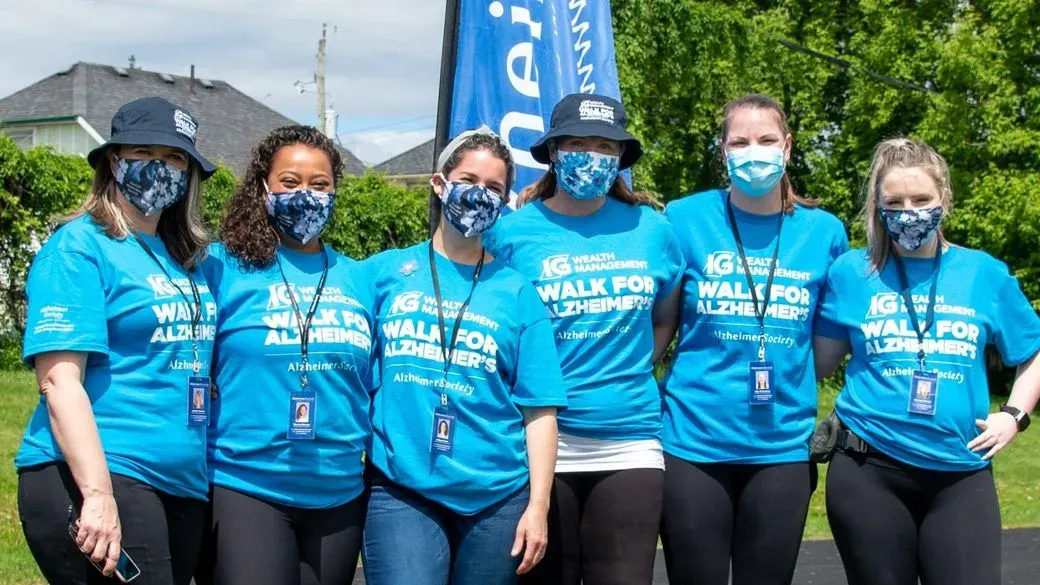
The Alzheimer Society Walk for Alzheimer’s is a key fundraising initiative supporting individuals and families affected by dementia across local communities.
When I stepped into this role, a major organizational shift was also underway. The Alzheimer Society of Elgin County, London, and Woodstock were in the process of merging to form Alzheimer Society Southwest Partners.
This rebrand created both a challenge and an opportunity: multiple legacy organizations were coming together, each with their own established walk events, structures, and marketing approaches. Across the region, there were four separate walks being delivered across three organizations, all supporting the same cause but operating independently.
My role became focused on helping translate this organizational merger into a unified, scalable engagement model that could support consistency while respecting local community differences.
🔄 Building alignment during organizational change
With the merger underway, I began by conducting a comprehensive review of all four walk events across the region.
This analysis identified key overlaps and inconsistencies in:
Event structure and delivery
Branding and communication approaches
Participant experience across communities
Operational planning and execution models
From this, I developed a standardized framework for the Walk for Alzheimer’s initiative under the new Alzheimer Society Southwest Partners brand.
This approach allowed all four walks to be positioned as part of a single, unified regional initiative, while still enabling each community to maintain its local identity and demographic relevance.
The result was a clearer, more cohesive representation of the organization during a critical transition period.
🏃♀️ Reimagining the London event experience
One of the most significant changes implemented during the first year was a redesign of the London walk format.
The event was relocated from Springbank Park to Mother Teresa High School, shifting the experience from a dispersed scenic walk to a structured, track-based environment.
This change was intentional and strategically driven. It improved:
Health and safety oversight, by creating a controlled environment for participants
Operational clarity, by improving visibility of attendees and event flow
Audience concentration, allowing for more intentional engagement and programming within a defined space
From a communications and media perspective, the structured environment also enhanced visual storytelling. The condensed format allowed for more impactful imagery, capturing greater participant density and strengthening the perceived scale of the event in external communications.
📍 Scaling a unified model across multiple communities
Once the updated structure was implemented in London, the same framework was replicated across the remaining communities: St. Thomas, Tillsonburg, and Woodstock.
This created a consistent regional model that could be adapted locally while maintaining alignment with the broader Alzheimer Society Southwest Partners brand.
Each community retained its unique demographic profile and local engagement style, but operated within a shared structure that improved:
Cross-region consistency in execution
Efficiency in planning and coordination
Clarity in marketing and messaging
Overall participant experience across the organization
📈 The broader impact
This initiative transformed the Walk for Alzheimer’s from a set of independently run local events into a unified regional engagement platform aligned with a newly merged organization.
It supported the broader goals of Alzheimer Society Southwest Partners by ensuring that, during a period of structural and brand transition, community-facing programs remained consistent, recognizable, and strategically aligned.
Most importantly, it helped ensure that regardless of location, participants experienced a cohesive connection to the organization and the cause it represents.
💡 Reflection
This project reinforced that organizational change is most visible in how programs are experienced on the ground.
A merger is not only about aligning names and structures—it’s about aligning experiences, expectations, and execution across every touchpoint.
By bringing four independently developed events into a unified framework, the goal was not to reduce local identity, but to strengthen the collective impact of a newly formed organization.