Turning Strategy into Measurable Impact

Taking Risks. Trusting Data. Driving Impact.

Data-Driven Audience Growth & Revenue Optimization

Behaviour-led segmentation and engagement optimization for revenue growth Context Alumni Perks engagement data was underutilized, with inconsistent profile completion and limited visibility into user behaviour. This created barriers to developing targeted affinity revenue strategies and reduced the effectiveness of fundraising outreach, particularly within higher-value alumni segments. The opportunity was to better understand audience behaviour and transform existing engagement data into a structured system that could support segmentation, acquisition, and revenue growth. Strategy A data-first approach was used to uncover behavioural patterns within the Alumni Perks user base and identify opportunities for targeted engagement and revenue optimization. Analysis focused on understanding how different segments interacted with the platform and where engagement was strongest, weakest, or underdeveloped. This insight was then used to define a strategic target segment (35+ alumni), identified based on engagement behaviour and giving capacity indicators. Rather than relying on broad acquisition tactics, the strategy focused on: aligning partner selection with high-value demographic segments increasing data quality through structured engagement design using behavioural incentives to improve profile completion converting engagement activity into a foundation for affinity revenue growth Execution Conducted full export and analysis of user data to identify gaps in contact information and engagement behaviour Analyzed population trends including age, device usage, perk interactions, contest participation, email engagement, and click behaviour Identified strategic target segment (35+ alumni) based on engagement and giving capacity indicators Secured and onboarded partners aligned to target demographic (including Source for Sports, Grand Theatre, Stratford Theatre, Wild Birds Unlimited) Designed co-branded giveaway campaigns using existing budget to drive targeted engagement without increasing acquisition costs Converted alumni within partner ecosystems into active PERKS users through targeted outreach and incentive alignment Implemented structured participation requirements tied to contests and giveaways to increase fully completed profile rates Introduced physical fulfillment (mail-based rewards) to reinforce engagement behaviour and improve profile completion quality Impact Grew registered users from 35,798 → 39,531 within one year Increased representation of higher-value alumni segments: 31–35: 15.6% → 17.4% 36–40: 13.3% → 14.1% 41–45: 6.0% → 6.5% 46–50: 6.8% → 7.2% Expanded engagement among older alumni segments (51+) including +152 (51–55), +202 (56–60), and +308 (65+) new users Improved overall data quality through increased fully completed alumni profiles Strengthened foundation for affinity-based fundraising and targeted alumni outreach Transitioned Alumni Perks from a passive benefits platform into a data-driven engagement and segmentation system Delivered a 46% increase in affinity revenue within the year , directly linked to improved segmentation, engagement quality, and data completeness Insight This initiative demonstrated that engagement platforms become significantly more valuable when treated as behavioural systems rather than static benefits. By using data to identify high-value segments, aligning partner ecosystems to those segments, and designing incentives that reinforce profile completion, engagement activity was successfully converted into measurable revenue growth. It reinforced a core principle that appears across all case studies: when data is used to understand behaviour, it becomes a tool for designing systems that drive both engagement and financial impact.
Legacy Fundraising Event System Redesign for Performance & Engagement

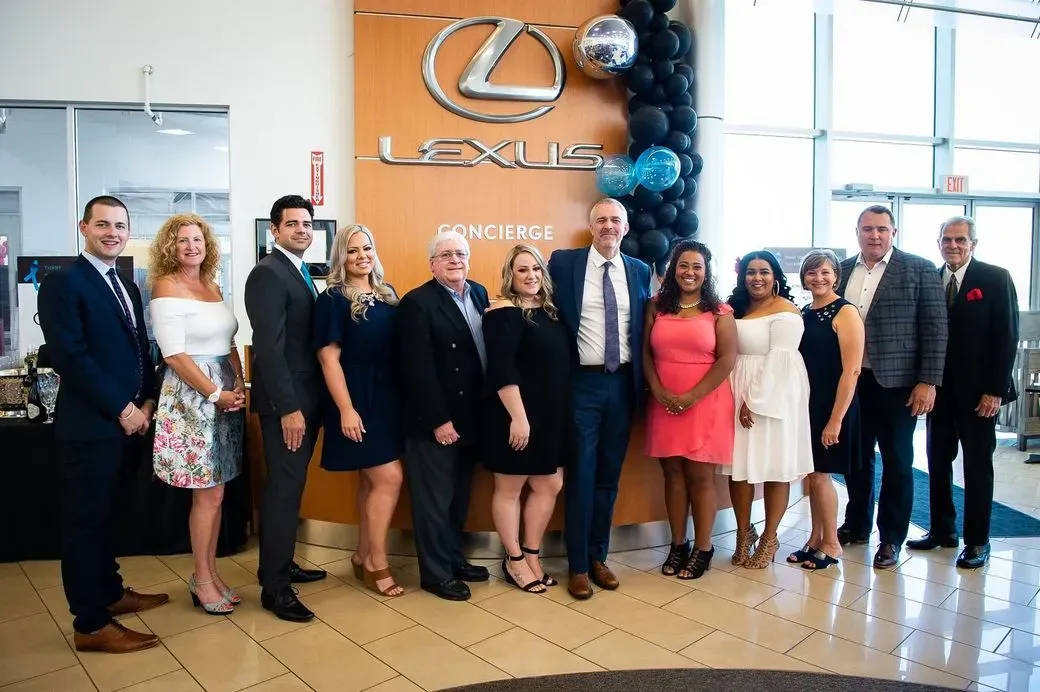
Reframing attendance, engagement, and auction performance to improve fundraising efficiency and guest experience Context The Lexus Golf Gala & Tournament had been a long-standing signature fundraising event supporting prostate cancer research through the London Health Sciences Foundation. While the event was well-established and consistently successful, a review of historical performance and operational structure revealed that many elements had remained unchanged for over a decade. This created increasing misalignment between guest behaviour, event flow, and fundraising potential. Key challenges included: Informal and inconsistent attendance practices that impacted planning accuracy Under-optimized auction performance across multiple revenue streams Event layout and guest flow limitations affecting engagement with key fundraising elements Lack of structured insight into guest behaviour and preferences The opportunity was to use historical performance data and attendee feedback to redesign how the event functioned across registration, engagement, and revenue generation. Strategy A full performance review of multiple years of event data (2017–2019) was conducted to identify patterns in attendance, revenue streams, guest feedback, and operational inefficiencies. The analysis focused on: How guests were engaging with different parts of the event (gala, golf, auction, raffles) Where revenue was being generated most effectively Where value was being lost due to structure, layout, or execution How guest behaviour had evolved over time Key strategic insights from the analysis: Attendance had become inconsistent due to informal invitation and registration practices Auction performance was strong overall, but presentation and category placement impacted yield Certain high-value auction categories consistently outperformed others (e.g., dining, experiences, home goods) The “Super Silent” format was diluting value by spreading high-interest items too thinly Physical layout decisions directly influenced participation and bidding behaviour Guest feedback highlighted opportunities to improve accessibility, comfort, and flow These insights informed a shift in approach from event execution to event system design —focusing on how structure influences engagement and revenue outcomes. Execution Event Structure & Attendance Introduced structured registration practices to improve visibility of actual attendance Refined guest eligibility and attendance rules to improve planning accuracy Assessed guest-to-registration patterns to better understand participation behaviour Identified opportunities to improve guest experience through layout and flow adjustments Auction & Revenue Optimization Reviewed multi-year auction performance by category to identify high-performing segments Identified categories consistently generating stronger returns (e.g., dining, entertainment, home experiences) Recommended consolidating or repositioning underperforming auction groupings to improve bidding intensity Assessed “Super Silent” structure and identified oversaturation as a limiting factor on perceived value Proposed simplifying auction segmentation to improve clarity and competition for items Sponsorship & Partnerships Evaluated sponsor ROI and contribution across financial and in-kind value Identified opportunities to better align sponsorships with event visibility and guest engagement Recommended earlier engagement with key sponsors to improve planning and activation quality Highlighted opportunities to repackage underutilized assets into higher-value sponsorship opportunities Guest Experience & Layout Incorporated attendee feedback related to seating, food variety, and accessibility Identified how spatial layout impacted engagement with auction and activation areas Recommended repositioning key engagement zones to increase visibility and participation Highlighted opportunities to reduce friction in guest movement across the event space Impact Improved clarity in attendance tracking and guest participation patterns Strengthened alignment between auction structure and category performance Identified opportunities to optimize auction yield through category consolidation and repositioning Enhanced understanding of sponsor value contribution and activation effectiveness Provided actionable recommendations to improve guest experience and operational efficiency Shifted event planning approach from traditional execution to data-informed event design Established a framework for ongoing event optimization based on performance review and behavioural insight Insight This analysis demonstrated that legacy events often evolve slowly not because they are ineffective, but because their success masks underlying inefficiencies. By breaking the event down into its core components—attendance, engagement, revenue streams, and guest experience—it became clear that small structural adjustments could significantly influence both participation and financial outcomes. The most important takeaway was that event performance is not only determined by programming, but by how structure shapes behaviour. When guest flow, auction design, and engagement touchpoints are intentionally aligned, overall event effectiveness increases without requiring fundamental changes to the core experience.

Unifying Four Community Walks Through a Regional Merger

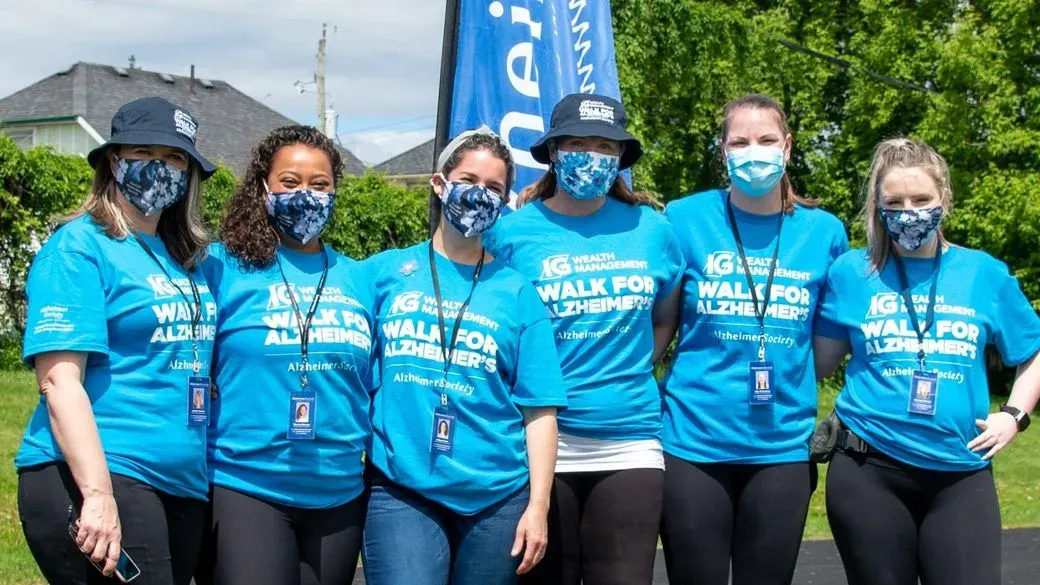
The Alzheimer Society Walk for Alzheimer’s is a key fundraising initiative supporting individuals and families affected by dementia across local communities. When I stepped into this role, a major organizational shift was also underway. The Alzheimer Society of Elgin County, London, and Woodstock were in the process of merging to form Alzheimer Society Southwest Partners . This rebrand created both a challenge and an opportunity: multiple legacy organizations were coming together, each with their own established walk events, structures, and marketing approaches. Across the region, there were four separate walks being delivered across three organizations, all supporting the same cause but operating independently. My role became focused on helping translate this organizational merger into a unified, scalable engagement model that could support consistency while respecting local community differences. 🔄 Building alignment during organizational change With the merger underway, I began by conducting a comprehensive review of all four walk events across the region. This analysis identified key overlaps and inconsistencies in: Event structure and delivery Branding and communication approaches Participant experience across communities Operational planning and execution models From this, I developed a standardized framework for the Walk for Alzheimer’s initiative under the new Alzheimer Society Southwest Partners brand . This approach allowed all four walks to be positioned as part of a single, unified regional initiative, while still enabling each community to maintain its local identity and demographic relevance. The result was a clearer, more cohesive representation of the organization during a critical transition period. 🏃‍♀️ Reimagining the London event experience One of the most significant changes implemented during the first year was a redesign of the London walk format. The event was relocated from Springbank Park to Mother Teresa High School , shifting the experience from a dispersed scenic walk to a structured, track-based environment. This change was intentional and strategically driven. It improved: Health and safety oversight , by creating a controlled environment for participants Operational clarity , by improving visibility of attendees and event flow Audience concentration , allowing for more intentional engagement and programming within a defined space From a communications and media perspective, the structured environment also enhanced visual storytelling. The condensed format allowed for more impactful imagery, capturing greater participant density and strengthening the perceived scale of the event in external communications. 📍 Scaling a unified model across multiple communities Once the updated structure was implemented in London, the same framework was replicated across the remaining communities: St. Thomas, Tillsonburg, and Woodstock . This created a consistent regional model that could be adapted locally while maintaining alignment with the broader Alzheimer Society Southwest Partners brand. Each community retained its unique demographic profile and local engagement style, but operated within a shared structure that improved: Cross-region consistency in execution Efficiency in planning and coordination Clarity in marketing and messaging Overall participant experience across the organization 📈 The broader impact This initiative transformed the Walk for Alzheimer’s from a set of independently run local events into a unified regional engagement platform aligned with a newly merged organization . It supported the broader goals of Alzheimer Society Southwest Partners by ensuring that, during a period of structural and brand transition, community-facing programs remained consistent, recognizable, and strategically aligned. Most importantly, it helped ensure that regardless of location, participants experienced a cohesive connection to the organization and the cause it represents. 💡 Reflection This project reinforced that organizational change is most visible in how programs are experienced on the ground. A merger is not only about aligning names and structures—it’s about aligning experiences, expectations, and execution across every touchpoint. By bringing four independently developed events into a unified framework, the goal was not to reduce local identity, but to strengthen the collective impact of a newly formed organization.

Partnership-Led Fundraising Activation & Organic Revenue Growth

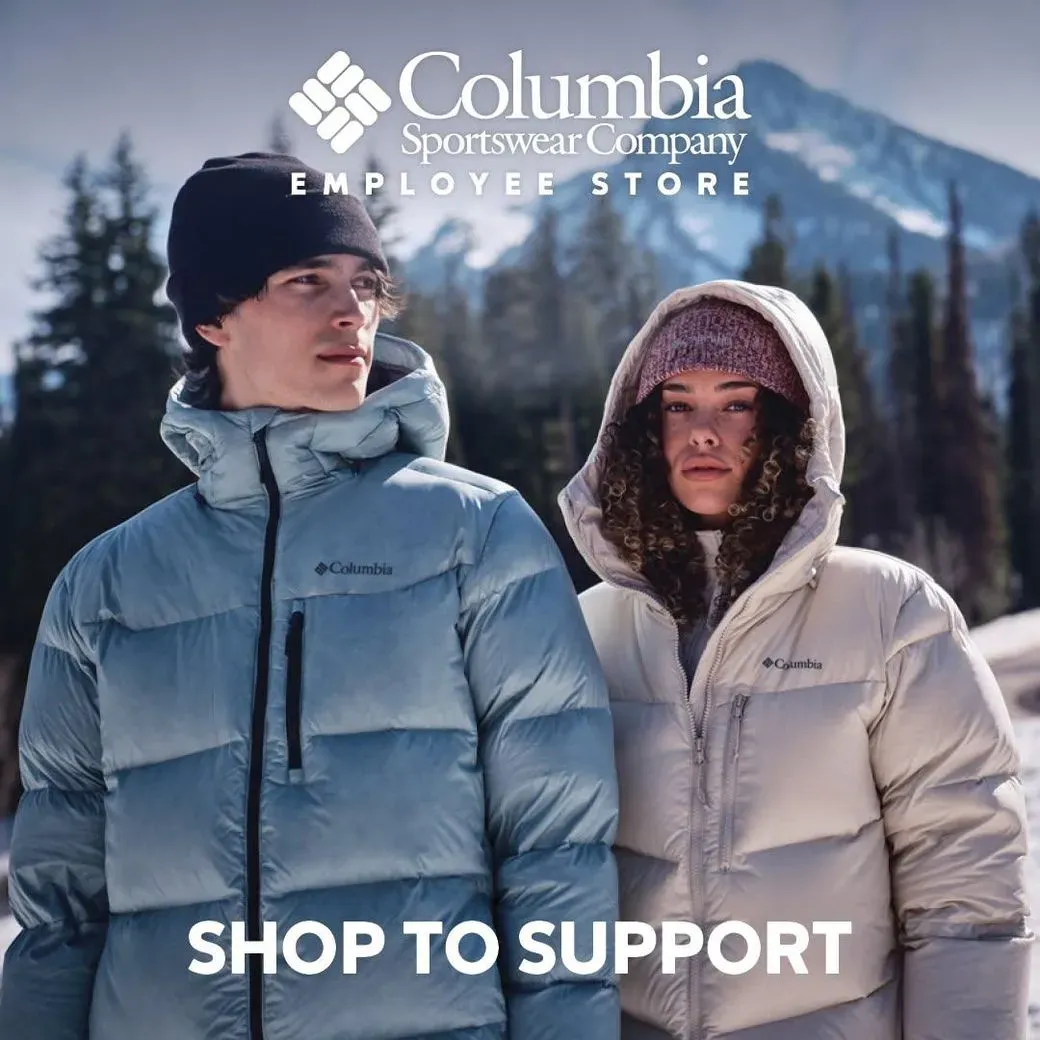
Turning a partnership opportunity into a scalable, organic fundraising initiative. Challenge Giving Tuesday is one of the most competitive fundraising periods of the year, with organizations competing for attention in a saturated environment. Traditional campaigns often rely on paid media or large-scale promotional budgets, making it difficult to achieve standout engagement and meaningful conversion through organic channels. Within this context, there was an opportunity to design a fundraising initiative that could: Generate revenue without significant advertising spend Leverage existing community and partner relationships Increase participation through behavioural and timing-based strategy Expand engagement beyond traditional alumni audiences The core challenge was not just fundraising, but identifying how consumer behaviour, community trust, and timing could be aligned to drive participation at scale. Solution This initiative was built through a combination of partnership development, behavioural timing, and multi-channel organic distribution. Identified an opportunity through a conversation with Columbia Sportswear regarding their Community Cares program Aligned Columbia’s community engagement goals with institutional fundraising objectives Positioned the campaign within Giving Tuesday and Black Friday, leveraging peak consumer spending behaviour Distributed physical promotional passes to alumni during Convocation, capturing audiences at peak institutional affinity Required Alumni Perks registration to access offers, creating a low-cost acquisition and data capture mechanism Produced all campaign content organically without paid media investment Captured on-site content at the retail location to increase authenticity and engagement Featured store staff and community-recognized individuals to strengthen social trust and relatability Developed trend-driven video content optimized for organic social sharing Expanded Year Two distribution through partner networks, including mailing physical passes to retail partners and community organizations such as the London Knights Introduced Instagram DM automation to distribute digital passes instantly to social audiences Impact Generated $30,000+ in fundraising revenue over two years Year 1: $13,000+ Year 2: $17,000+ Achieved year-over-year revenue growth without increasing paid media investment Increased Alumni Perks registrations through mandatory participation pathways Expanded reach through partner-owned audiences, retail networks, and organic social distribution Improved campaign efficiency through dual-channel physical + digital pass distribution Strengthened cross-sector partnerships between institutional, retail, and community stakeholders Demonstrated how behavioural timing (Convocation + Black Friday + Giving Tuesday) can significantly increase participation and conversion Created a scalable, repeatable model for organic fundraising activation Key Insight This initiative demonstrated that fundraising performance is not solely driven by budget or campaign scale, but by the alignment of: Consumer behaviour timing Community trust and recognition Low-friction participation design Strategic use of partner ecosystems When these elements are intentionally structured, organic campaigns can outperform traditional paid approaches in both engagement and revenue generation.