How to Plan and Organize a Holiday Toy or Gift Drive
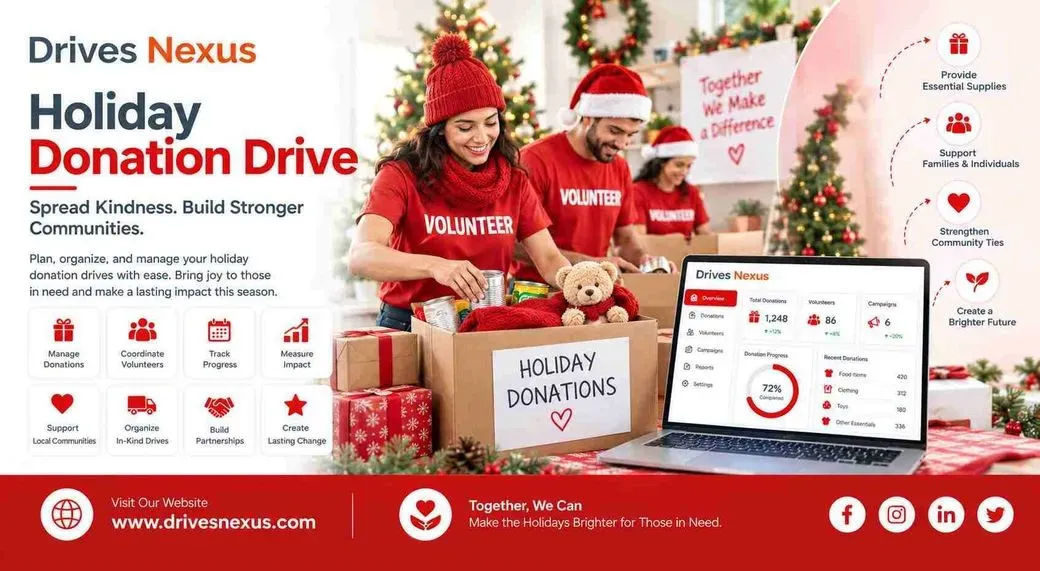
A holiday toy or gift drive can bring a community together around a simple goal: making sure children, families, or other community members receive the gifts they need during the holiday season. But behind a successful drive is more than collecting donations. Nonprofits also need to decide what to collect, how donors will choose gifts, where donations will be received, and how the team will know what is still missing.
A clear plan from the beginning makes those decisions easier. It also creates a stronger foundation for holiday gift drive management, especially when multiple donors, volunteers, gift types, or collection locations are involved.
1. Define the Purpose of Your Holiday Drive
Start by deciding exactly what the drive is intended to accomplish.
Are you collecting toys for children? Supporting families through an Adopt-a-Family program? Gathering winter gifts for a specific age group? Or collecting general holiday items for a community distribution event?
Your answer should determine what information you collect and how detailed your gift records need to be.
For example, an organization supporting individual children may need to track specific requests such as age, size, category, and requested item. A community toy collection may only need quantity targets for categories such as dolls, books, games, or winter clothing.
The goal is to create a drive structure that matches the program rather than adding unnecessary complexity.
2. Choose the Right Drive Model
There are several ways to organize a holiday gift drive.
Exact-item requests allow donors to select a specific gift, such as a particular toy, pair of shoes, coat, or gift card. This provides precise tracking but requires more detailed records.
Category-based collections focus on quantity goals instead of individual requests. For example, your organization may need 100 toys, 50 winter coats, or 75 books. This approach can be easier for broad community campaigns, but some categories may receive far more donations than others.
Recipient-based wish lists connect gifts to a specific child, adult, senior, or household. This can provide a more personalized experience but requires careful record management.
A hybrid drive can combine several approaches, such as recipient requests, general toy categories, gift cards, and sponsor commitments.
For most organizations, the practical approach is to choose the simplest model that still supports the program’s goals.
3. Set Your Important Dates Early
Holiday drives operate on a deadline, so establish the major dates before asking donors to participate.
At minimum, define:
Drive launch date
Donor selection or commitment deadline
Gift collection deadline
Final sorting and verification date
Distribution date
These dates should give your team enough time to follow up on promised gifts that have not arrived.
This is particularly important because a donor selecting an item does not mean the nonprofit has received it. A reliable process should distinguish between a gift that has been claimed and one that has actually been received.
4. Create Clear Gift Records
Before promoting the drive, organize the gift needs into one reliable record.
For exact-item drives, each need should have a unique identifier and a clear description. Include relevant details such as:
Gift category
Age range
Size, when applicable
Recipient or category relationship
Priority
Collection requirements
Current status
Avoid vague descriptions. A record such as “toy for child” gives donors and volunteers very little useful information. More specific descriptions make selection, purchasing, receiving, and sorting easier.
Most importantly, avoid maintaining several independent versions of the same gift list. Multiple spreadsheets, emails, printed lists, or online posts can quickly become inconsistent.
5. Make Donor Instructions Simple
Donors should know exactly what they are committing to and what happens next.
Explain what type of gifts are accepted, whether new or used items are allowed, whether substitutions are permitted, where donations should be delivered, and when they must arrive.
If donors select specific gifts, provide clear confirmation information that can later be used during collection.
Also establish what happens if a donor cannot complete their commitment. A cancelled selection should not simply disappear. The need may need to be reopened and replacement outreach started.
6. Plan the Collection Process Before Donations Arrive
Think about the physical movement of gifts before launch.
If you have one collection site, define who receives and checks donations. If you have several locations, give each location a designated owner and consistent instructions.
Every location should follow the same basic process for:
Receiving gifts
Checking labels
Recording donations
Handling unmatched items
Reporting received gifts
Transferring donations when necessary
This prevents the central team from treating a gift as missing simply because it is sitting at another collection location.
7. Use a Clear Status System
One of the most important parts of holiday toy drive planning is deciding how the team will know where each gift stands.
A useful workflow is:
Available → Claimed → Received → Verified → Distributed
Each stage answers a different operational question.
Available means the need can still be selected.
Claimed means a donor has committed to providing it.
Received means the physical gift has arrived at the nonprofit or an approved collection location.
Verified means the gift has been checked and can be used as intended.
Distributed means it has reached the intended recipient or final distribution stage.
Keeping these stages separate helps the team identify outstanding commitments before they become last-minute problems.
8. Review Progress Before the Final Week
Do not wait until sorting or distribution day to discover gaps.
During the active drive, regularly review what remains available, what has been claimed, what has arrived, and what is overdue. Look beyond the total number of gifts and check whether important categories, age groups, sizes, or recipients still have gaps.
The objective is simple: find problems while there is still time to solve them.
A Better Foundation for Your Holiday Gift Drive
A well-organized holiday toy drive does not have to be complicated. It needs a clear structure, specific gift information, consistent donor instructions, defined collection procedures, and a reliable way to distinguish commitments from received donations.
For smaller drives, a spreadsheet may be enough when one person manages a limited number of simple records. As the number of donors, individual gifts, volunteers, collection sites, and status changes grows, keeping everything synchronized becomes more difficult.
That is where a dedicated holiday donation drive software approach can help.
DrivesNexus gives nonprofit teams an organized way to structure gift needs, manage donor selections, and track what has been claimed, received, and still requires attention.
Ready to organize your next holiday drive? Explore the Free Holiday Drive Program with DrivesNexus.
Frequently Asked Questions
How early should a nonprofit plan a holiday toy drive?
The planning timeline depends on the size and complexity of the drive. The important thing is to establish collection, commitment, and distribution deadlines early enough to allow time for follow-up and replacement of missing gifts.
Should a holiday toy drive use exact gifts or categories?
Exact gifts provide more precise matching, while category-based collections are simpler for broad campaigns. The appropriate model depends on the organization’s goals and operational capacity.
What is the difference between a claimed and received gift?
A claimed gift has been promised by a donor. A received gift has physically arrived at the nonprofit or an approved collection location.
Can a small holiday toy drive use a spreadsheet?
Yes. A spreadsheet can work for a small, simple drive with limited participants and one collection location. More complex drives may require a more connected tracking process.
What is the most important part of holiday gift drive planning?
Create one reliable process that connects the gift need, donor commitment, physical donation, verification, and final distribution.