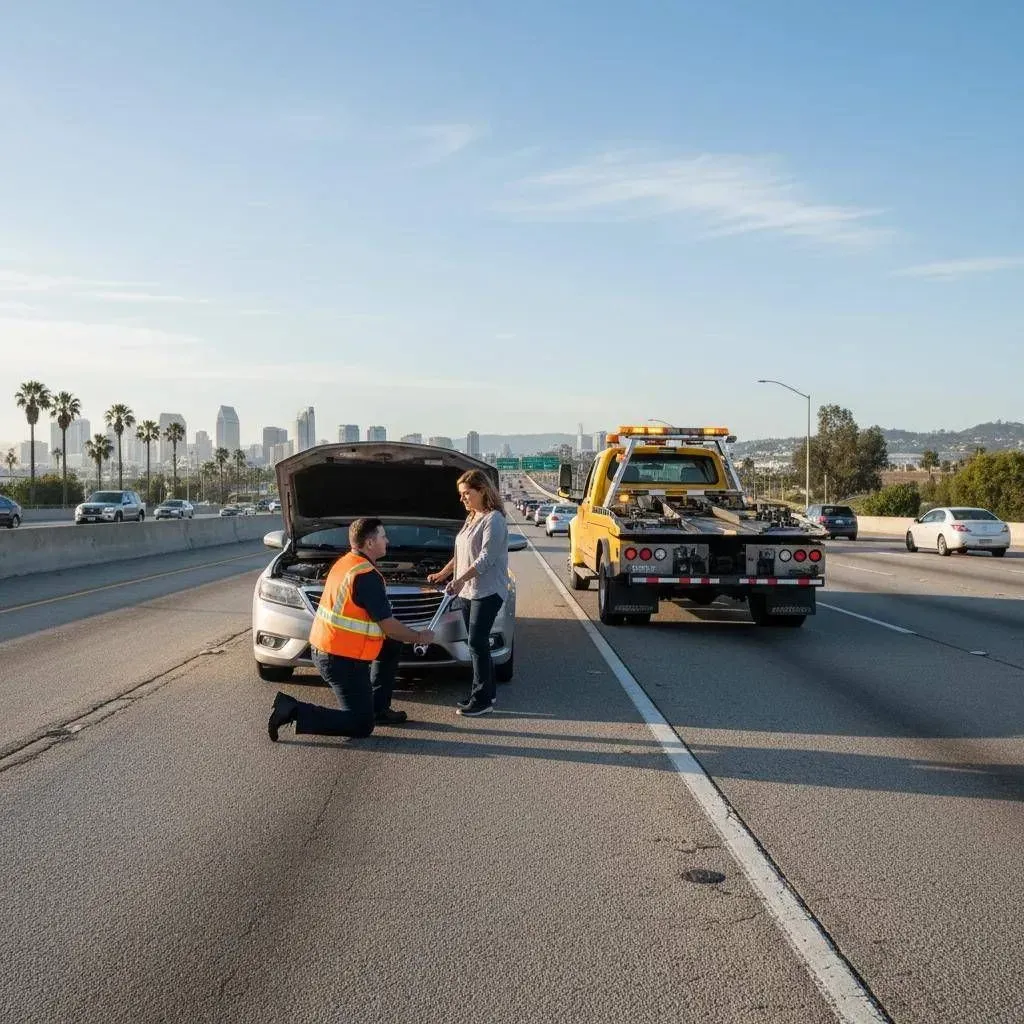
Tow Truck Insurance: Complete Coverage Guide for Towing Businesses
Running a towing business comes with risks that are different from those faced by ordinary commercial drivers. Tow trucks operate on busy roads, respond to accidents and breakdowns, transport disabled vehicles, and may work in difficult conditions. A single accident can result in damage to the tow truck, the customer's vehicle, third-party property, or serious injuries. Tow truck insurance is designed to help protect towing companies, independent operators, roadside assistance businesses, and vehicle recovery professionals from these financial risks. E360 Insurance Services can help towing businesses evaluate coverage options based on their vehicles, operations, employees, and service area. What Is Tow Truck Insurance? Tow truck insurance is a group of commercial insurance coverages designed specifically for businesses that use tow trucks to provide towing, roadside assistance, vehicle recovery, and related services. Unlike a personal auto policy, commercial tow truck insurance can address the unique exposures involved in operating specialized towing vehicles and handling customers' vehicles. Depending on the business, coverage may include: Commercial auto liability Physical damage coverage On-hook towing insurance Garage liability Garagekeepers coverage General liability Workers' compensation Uninsured/underinsured motorist coverage Medical payments coverage Equipment and tool coverage The right combination depends on how your towing operation works and what services you provide. Why Do Tow Truck Businesses Need Insurance? Tow trucks are exposed to multiple risks every day. Operators may work on highways, residential streets, parking lots, construction areas, and accident scenes. Common risks include: Collision with another vehicle Damage to the customer's vehicle while towing Theft or vandalism of business vehicles Injuries to employees or customers Damage to vehicles stored at a business location Damage caused while loading or unloading a vehicle Accidents involving roadside assistance equipment Claims involving third-party property For example, if a tow truck operator is transporting a customer's vehicle and the customer's vehicle is damaged during the towing process, the business could face a costly claim. Specialized coverage can help address certain losses depending on the policy terms and exclusions. What Does Tow Truck Insurance Cover? There is no single policy that automatically covers every towing business exposure. A comprehensive insurance program may combine several types of coverage. 1. Commercial Auto Liability Commercial auto liability is a fundamental coverage for businesses operating tow trucks. If your tow truck causes an accident and another person is injured or their property is damaged, liability insurance may help cover eligible third-party claims, subject to the policy limits and conditions. This coverage is particularly important because tow trucks are large commercial vehicles that can cause substantial damage in a collision. 2. Physical Damage Coverage Physical damage coverage can protect the tow truck itself. It commonly includes: Collision coverage: Helps cover damage resulting from a covered collision. Comprehensive coverage: May cover certain non-collision losses such as theft, vandalism, fire, falling objects, or weather-related damage, depending on the policy. For businesses that depend on one or more tow trucks to generate revenue, protecting the vehicle can be just as important as protecting against liability claims. 3. On-Hook Towing Insurance On-hook coverage is especially relevant to towing companies because the business may be responsible for vehicles being transported. If a customer's vehicle is damaged while it is attached to or being transported by your tow truck, on-hook coverage may help respond to the loss, subject to the policy's terms, limits, and exclusions. Coverage requirements and terminology can vary between insurers, so towing operators should confirm exactly what situations their policy covers. 4. Garagekeepers Insurance If your towing business stores, parks, or services customers' vehicles at a location you control, garagekeepers coverage may be important. It can provide coverage for certain physical damage to customers' vehicles while they are in your care, custody, or control. This is different from on-hook coverage, which is generally associated with vehicles being towed. 5. General Liability Insurance General liability can help protect your business against certain claims involving bodily injury, property damage, or other covered liabilities arising from business operations. For example, a customer could potentially be injured at your business location. General liability may help address covered claims according to the policy. 6. Workers' Compensation If you have employees, workers' compensation may be required depending on your state and business circumstances. Tow truck operators can face workplace hazards while: Loading vehicles Working near traffic Operating heavy equipment Performing roadside assistance Handling damaged vehicles Workers' compensation can provide benefits for eligible work-related injuries and illnesses according to applicable laws and the policy. How Much Does Tow Truck Insurance Cost? The cost of tow truck insurance varies significantly from one business to another. There is no universal rate because insurers evaluate multiple risk factors. Factors that can influence premiums include: Type and number of tow trucks Vehicle value Towing radius Driving records Claims history Business experience Number of employees Types of towing services On-hook exposure Vehicle storage operations Coverage limits Deductibles Location of the business A towing company transporting vehicles across long distances may have different insurance needs and pricing from a local roadside assistance operator. The best way to determine your actual cost is to obtain a commercial insurance quote based on your specific operation. What Types of Businesses Need Tow Truck Insurance? Tow truck insurance may be appropriate for a wide range of operations, including: Independent tow truck operators Towing companies Roadside assistance businesses Vehicle recovery companies Auto repair shops offering towing Collision centers Impound and recovery operators Emergency roadside service providers Heavy-duty towing companies Light-duty towing businesses Your insurance needs can change depending on whether you tow passenger vehicles, motorcycles, commercial vehicles, RVs, or heavy equipment. How to Choose the Right Tow Truck Insurance Choosing coverage should start with understanding your actual business operations rather than simply selecting the cheapest policy. Evaluate Your Fleet Determine which vehicles need coverage, their values, how they are used, and whether they are owned, financed, leased, or rented. Consider Your Towing Services Light-duty towing, accident recovery, roadside assistance, heavy-duty towing, and vehicle storage can create different exposures. Review On-Hook Exposure If you transport customers' vehicles, make sure your insurance program appropriately addresses potential damage to those vehicles. Choose Appropriate Liability Limits Higher-value vehicles and higher-risk operations may require greater liability protection. Your customers, contracts, lenders, or government requirements may also influence the limits you need. Check Policy Exclusions Don't focus only on what a policy covers. Review exclusions, deductibles, limitations, and conditions that could affect a claim. Tow Truck Insurance in California California towing businesses should consider their commercial vehicle requirements, business operations, employees, contracts, and applicable state regulations when evaluating insurance. Because insurance requirements can vary according to the type of vehicle, business structure, and services provided, towing operators should work with an experienced commercial insurance professional rather than relying on a generic personal auto policy. Tow Truck Insurance vs. Personal Auto Insurance A personal auto policy generally isn't designed for a vehicle being used primarily for commercial towing operations. Tow trucks are commercial vehicles used to generate business income and may transport or handle other people's vehicles. Using an inappropriate personal policy could create serious coverage problems if a claim occurs. A commercial insurance program can be structured around the actual business use of the tow truck. Why Work With E360 Insurance Services? E360 Insurance Services helps businesses explore commercial insurance options based on their individual risks and coverage requirements. For towing operators, the goal is not simply to purchase a policy. It's to identify the exposures created by the fleet, drivers, towing services, customer vehicles, employees, and business premises. When requesting a quote, be prepared to provide information such as: Business details Vehicle information Driver information Driving records Towing radius Types of vehicles you tow Claims history Desired coverage limits Storage operations Business location Providing accurate information helps ensure the quote reflects your actual operation. Get a Tow Truck Insurance Quote Protecting a towing business requires coverage that reflects how the business actually operates. From commercial auto liability and physical damage to on-hook coverage and garagekeepers insurance, the right combination can help reduce financial exposure from unexpected accidents and claims. E360 Insurance Services can help you review your commercial insurance needs and explore coverage options for your towing operation. Contact E360 Insurance Services today to discuss your business, fleet, and coverage requirements and request a personalized tow truck insurance quote . Frequently Asked Questions About Tow Truck Insurance How much is insurance for a tow truck? Tow truck insurance costs vary based on vehicle type, business location, driving history, claims, towing radius, coverage limits, and the services provided. An individualized commercial quote is necessary to determine the actual premium. Does tow truck insurance cover the customer's vehicle? Certain coverage, such as on-hook towing coverage, may cover eligible damage to a customer's vehicle while it is being towed, subject to the policy terms, limits, and exclusions. Do tow truck drivers need commercial insurance? Businesses operating tow trucks generally need commercial insurance appropriate to their operations rather than relying on personal auto insurance. Specific requirements vary by jurisdiction and business circumstances. Is garagekeepers coverage the same as on-hook coverage? No. On-hook coverage generally relates to a customer's vehicle while it is being towed, while garagekeepers coverage can apply to customers' vehicles in the business's care, custody, or control at a covered location. The exact coverage depends on the policy. Can I insure multiple tow trucks under one policy? Yes, commercial insurance can generally be structured to cover multiple vehicles, although each vehicle and its use must be properly disclosed and rated. What information is needed for a tow truck insurance quote? Insurers may request vehicle details, driver information, business operations, towing radius, claims history, types of towing services, coverage requirements, and other underwriting information.