Our Services
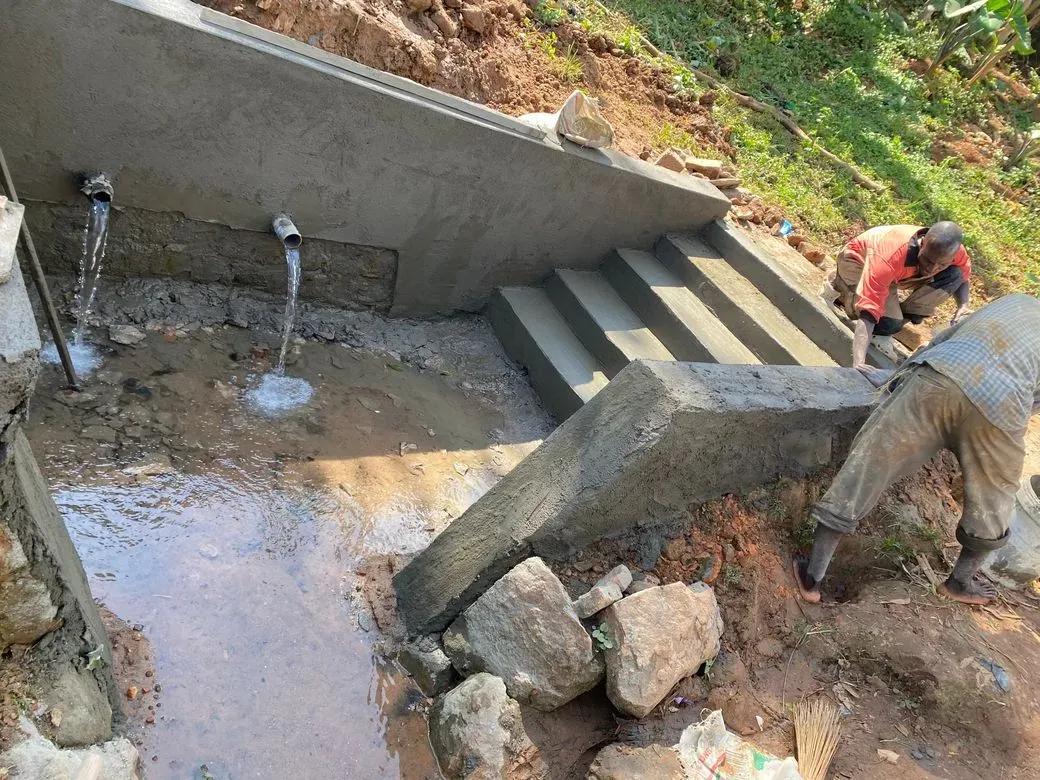
Protected Spring Well — Maya Village, Wakiso District
What we did:
We constructed a protected spring well in Maya village to provide the community with a safe, reliable source of clean water.
Why it matters:
Before this intervention, families particularly women and girls, were collecting water from unprotected sources exposed to contamination, animal waste, and runoff. This contributed to waterborne diseases such as typhoid and diarrhea, and placed a heavy daily burden on women and children who walked long distances to fetch water.
Impact:
Provides clean, safe drinking water to households in Maya village
Reduces waterborne disease and related healthcare costs
Saves women and girls hours each day, freeing time for school, work, and family
Improves overall community health and sanitation
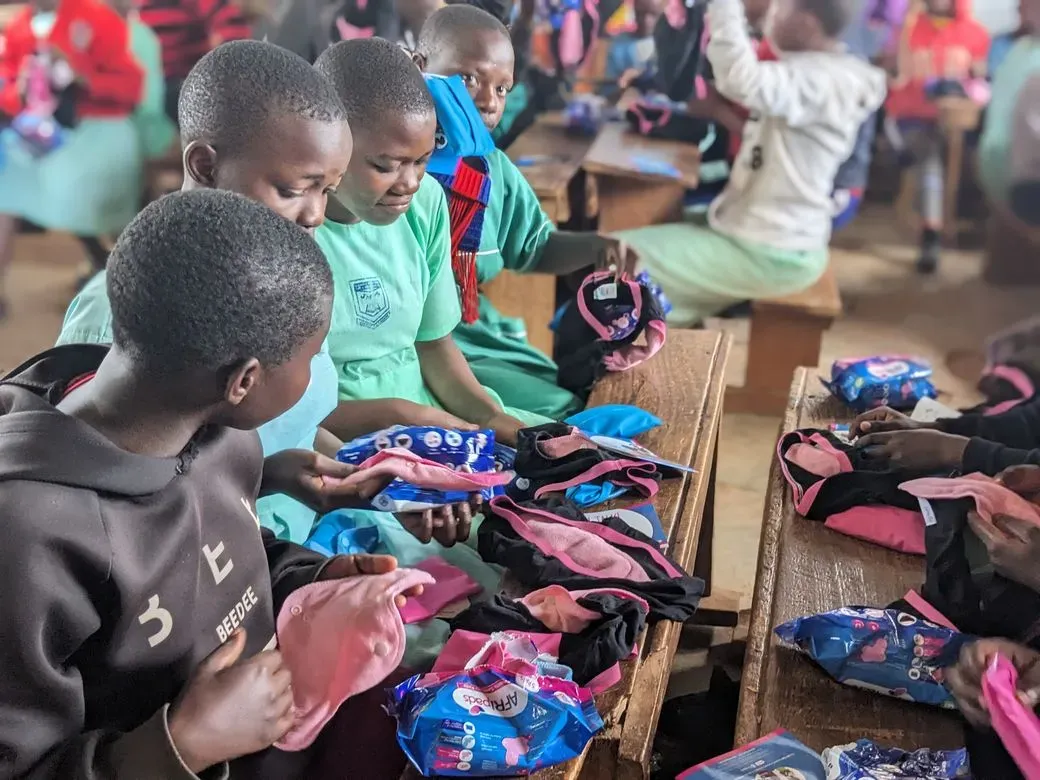
Reusable Sanitary Pads — 4,000 Girls Reached
What we did:
We distributed reusable sanitary pads to 4,000 girls across communities in Wakiso District, accompanied by menstrual health education.
Why it matters:
Many girls in our community miss school every month during their menstrual cycle because they cannot afford sanitary products. This leads to absenteeism, falling behind in class, and — too often — dropping out of school entirely. The stigma and silence around menstruation make it worse.
Impact:
4,000 girls now have access to safe, sustainable menstrual products
Reduced school absenteeism during menstruation
Improved dignity, confidence, and health for girls
Menstrual health awareness raised in schools and communities
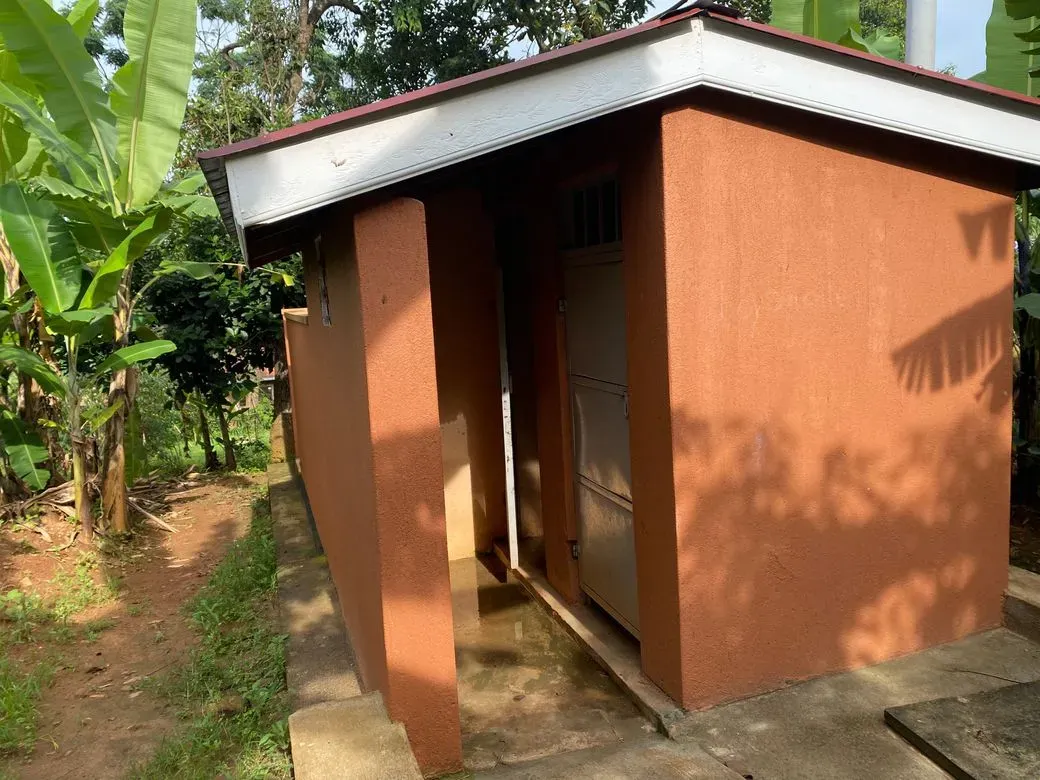
Pit Latrine Construction — Kagugo Primary School
What we did:
We constructed a pit latrine at Kagugo Primary School to improve sanitation facilities for pupils.
Why it matters:
The school lacked adequate and safe toilet facilities, forcing pupils to use unsafe or unsanitary alternatives. This posed serious health risks and was a particular barrier for girls, especially those managing menstruation — and for pupils with disabilities who need accessible facilities.
Impact:
Safer, more hygienic sanitation for pupils and staff
Reduced risk of disease transmission in the school
Improved school attendance and retention, especially for girls
A healthier, more dignified learning environmentessible and inclusive for all children, including those with disabilities.
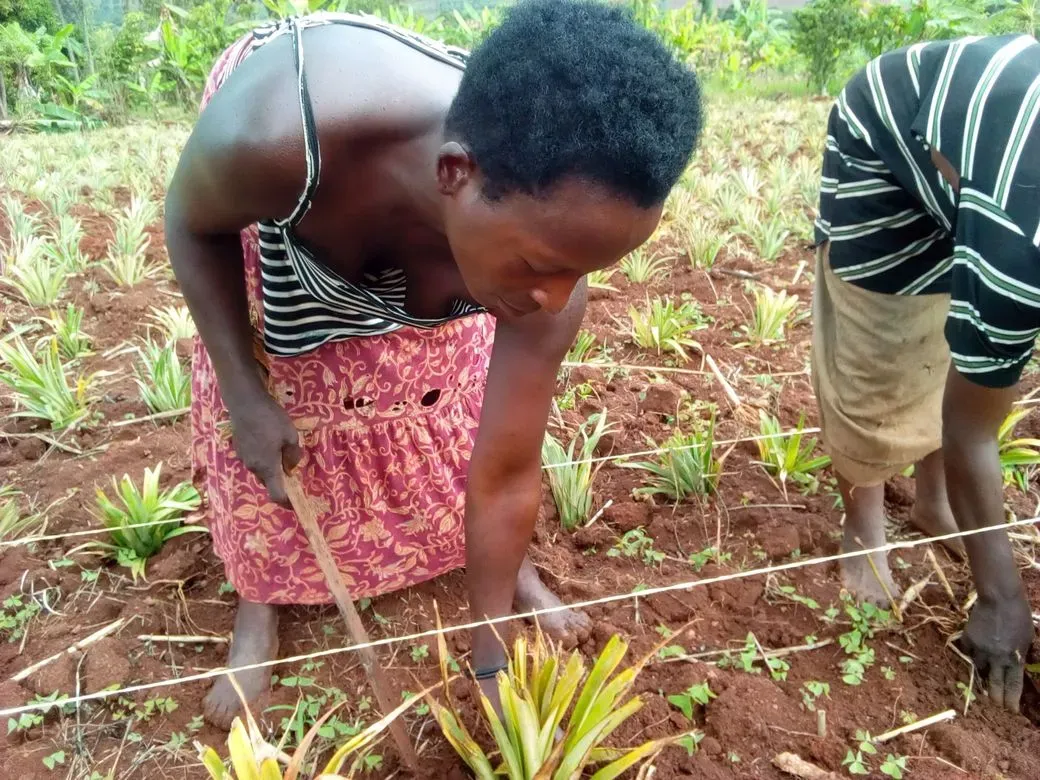
Pineapple Cultivation Training — Single Mothers
What we did:
We trained single mothers in pineapple cultivation as a pathway to increased household income and economic self-reliance.
Why it matters:
Many single mothers in our community struggle to earn a stable income and support their families. Without marketable skills or sustainable income sources, they remain trapped in poverty with limited ability to pay school fees, access healthcare, or plan for the future.
Impact:
Single mothers equipped with practical, income-generating agricultural skills
Increased household income through pineapple sales
Greater financial independence and decision-making power for women
Long-term, sustainable livelihood for families
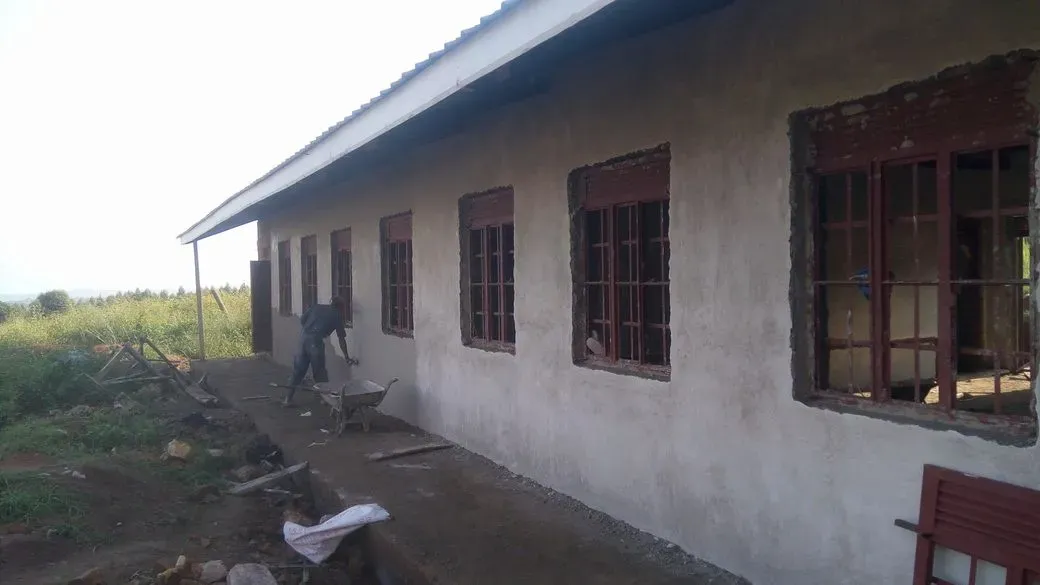
Classroom Block Construction
What we did:
We constructed a classroom block to expand learning space for pupils in the community.
Why it matters:
Overcrowded and inadequate classrooms make it difficult for children to learn effectively. When schools lack space, children — particularly those already marginalized — are more likely to fall behind, be pushed out, or lose motivation to stay in school.
Impact:
Increased access to quality learning space for pupils
Reduced overcrowding in classrooms
Better concentration, attendance, and learning outcomes
Stronger foundation for education in the community.
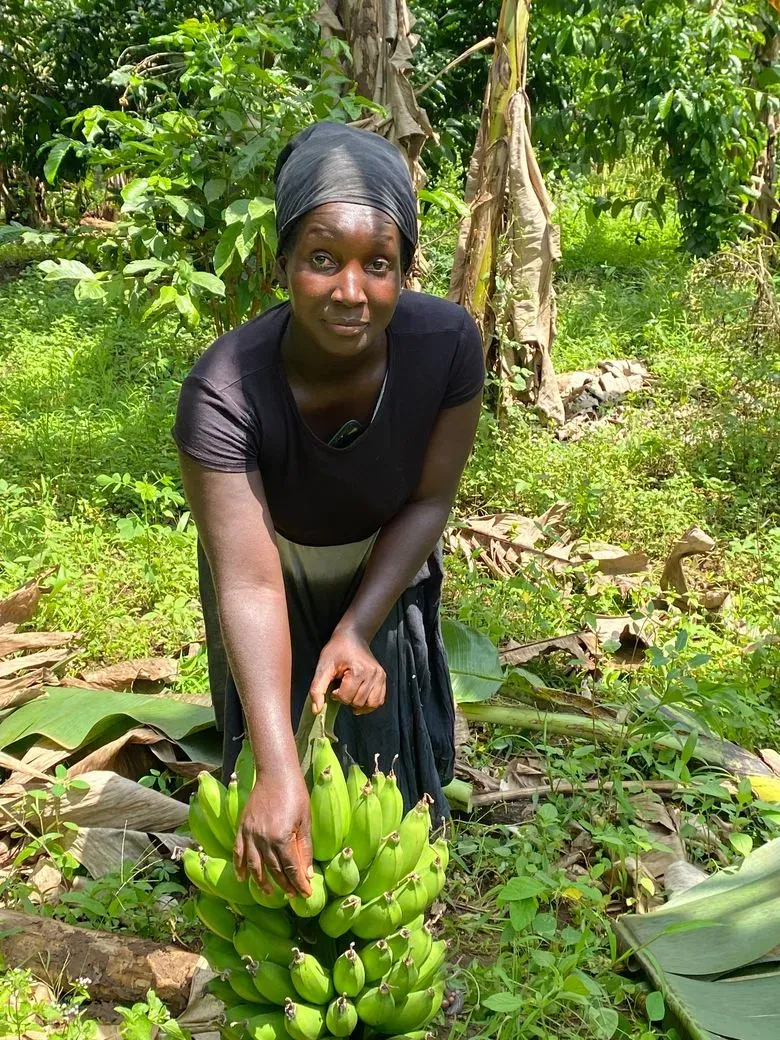
Banana Growing Project — Increased Household Food Production
What we did:
We supported community members to grow bananas as a means of increasing household food production and income.
Why it matters:
Food insecurity remains a real challenge for many families. When households cannot grow or afford enough food, children go hungry, nutrition suffers, and families struggle to get by. Banana growing offers a reliable, sustainable source of both food and income.
Impact:
Increased household food supply and improved nutrition
Surplus harvests sold for additional household income
Greater food security and resilience for families
Sustainable, locally appropriate agricultural practice