Creative Sparks from Cape Town

Dive into the world of original graphic design and creative artworks by a passionate Cape Town-based freelance designer. Discover tips, trends, and inspiration for print and web projects.
close-up of a colorful palette with crushed eyeshadows in it

Mastering Color Theory for Stunning Graphic Designs

Understanding color theory is essential for any graphic designer aiming to create visually compelling artwork. Color theory involves the strategic use of color combinations to evoke emotions, convey messages, and enhance the overall aesthetic of a design. By mastering concepts like complementary colors, analogous colors, and color harmony, designers can craft pieces that not only catch the eye but also communicate effectively with their audience. Practical Tips for Applying Color Theory Start by choosing a dominant color that aligns with the mood or message of your project. Use complementary colors to create contrast and draw attention to key elements, or opt for analogous colors to maintain a harmonious and cohesive look. Don't forget to consider color psychology—different colors evoke different feelings and reactions. Experiment with saturation and brightness to add depth and interest. Tools like Adobe Color and Coolors can help streamline this process, making it easier to develop palettes that resonate with your target audience.

Read More
a close up of a glass door with the word minimal on it

The Rise of Minimalism in Graphic Design: What You Need to Know

Minimalism has been making waves in the graphic design world, emphasizing simplicity and functionality over ornate details. This trend focuses on clean lines, ample white space, and limited color palettes to create designs that are both elegant and easy to navigate. In an age where audiences are bombarded with information, minimalist designs stand out by delivering clear, concise messages without distractions. Impact of Minimalism on Branding and User Experience Brands adopting minimalist design are finding success in creating memorable and versatile identities that translate well across digital and print media. Minimalism enhances user experience by reducing visual clutter, making interfaces more intuitive and enjoyable. As technology advances, minimalist aesthetics continue to evolve, incorporating dynamic elements like motion graphics and interactive features while maintaining simplicity as the core principle.

Read More

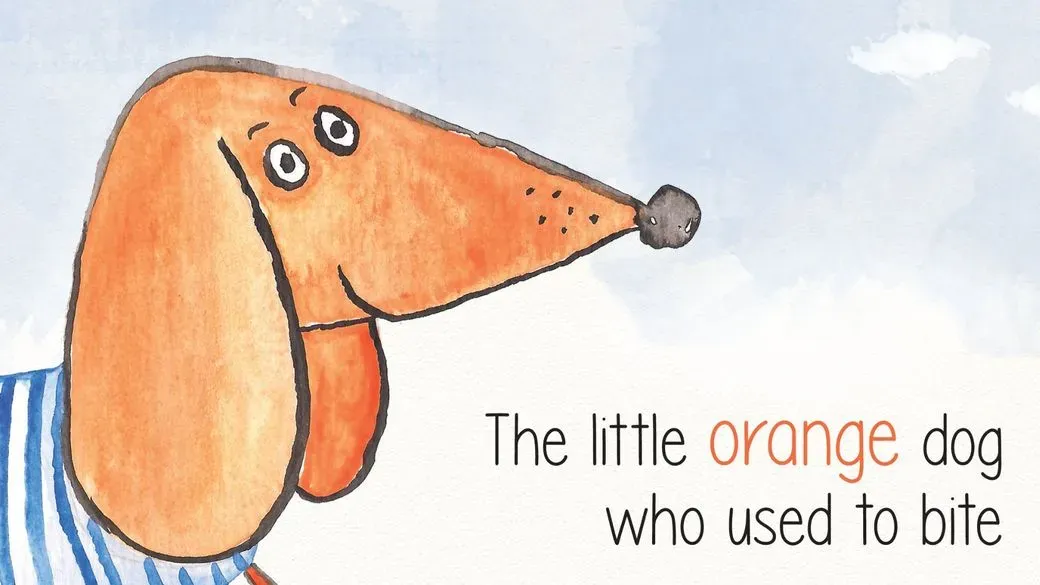
The little orange dog who used to bite

The brief I was tasked with the design of the front and back cover artwork and also the layout for this 44 page A5 children's book titled "The little orange dog who used to bite." A key part of the design was the font selection, to ensure high legibility for young readers while maintaining a playful, modern character. Some retouching and enhancement of original illustrations were required for print-ready quality. For this project, I executed the full design and layout for "The Little Orange Dog Who Used to Bite," a 44-page A5 children’s book. My work included the creation of the front and back cover artwork and a comprehensive interior layout. The font choice was carefully selected to ensure high legibility for young readers while maintaining a playful, modern character. I focused on a balanced composition that guides the reader’s eye through the story, integrating retouched illustrations and a bespoke repeating pattern created from the book’s central character. Some information The little orange dog who used to bite is a children’s story detailing the ups and downs of a special little Dachshund’s journey from being teased relentlessly by his big brothers to surviving a major catastrophe and coming up trumps. It conveys a strong moral lesson against bullying and advocates showing kindness to all living things – with a little room for forgiveness. Layout and finishing by fixel | creative Written by Jennifer Rees Illustrated by Heléne Smit Published by Häss&DAS Brand Factory

Read More