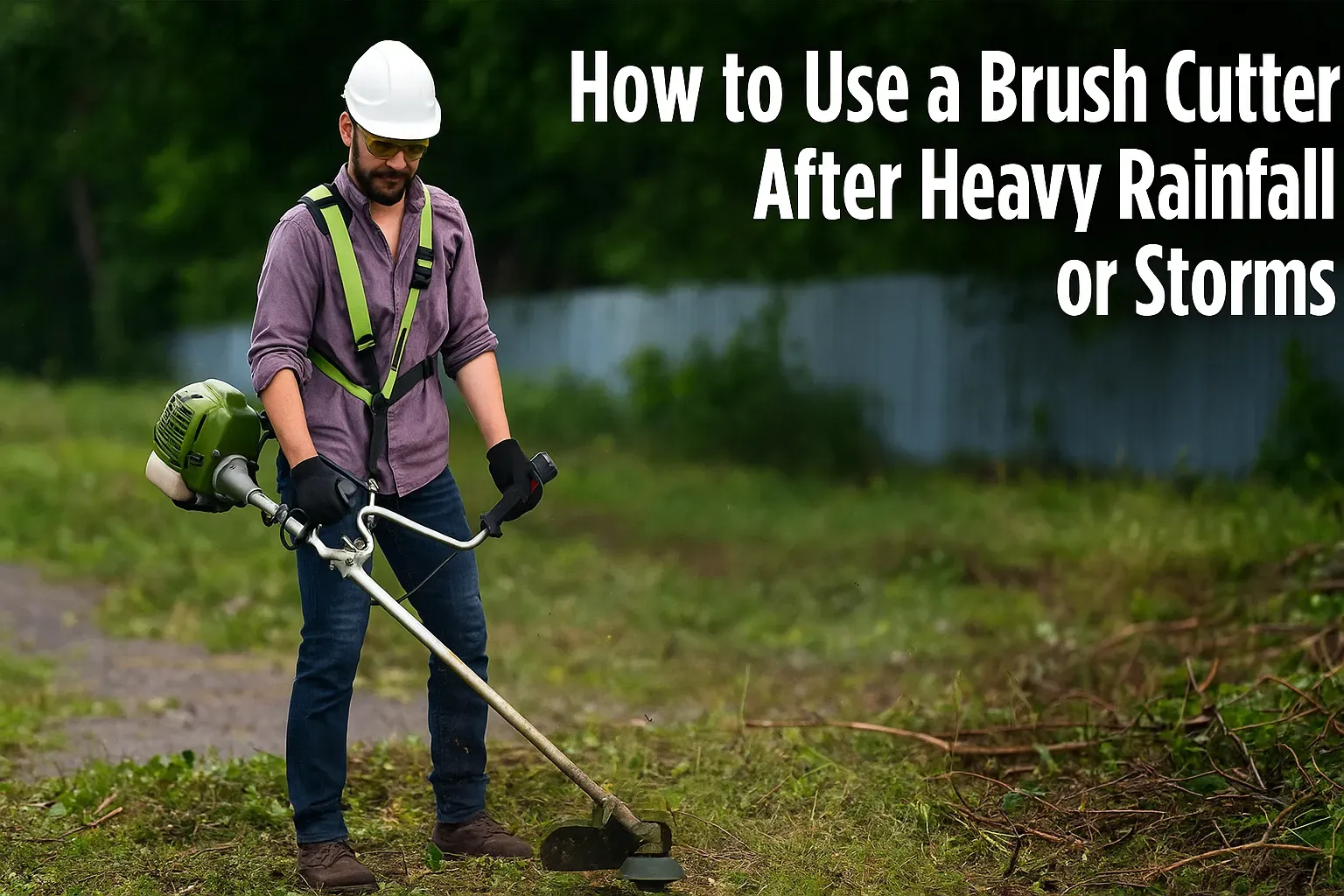
How to Use a Brush Cutter After Heavy Rainfall or Storms
After a heavy downpour or storm, your garden or farmland can become overgrown and messy with fallen branches, wet grass, and tangled weeds. Using a brush cutter after rainfall is an efficient way to clear the land—but it comes with unique challenges. Here’s how to use your brush cutter safely and effectively in wet conditions.
1. Inspect the Area First
Before firing up your brush cutter, walk through the area to check for hazards. Look for:
Fallen branches or large debris
Muddy patches and slippery slopes
Hidden rocks under wet foliage
This simple inspection helps prevent accidents and protects your machine from unnecessary damage.
2. Use the Right Brush Cutter Blade
Storm-clearing often involves tougher jobs. If you're dealing with thick weeds or small saplings, switch to a metal blade. Our brush cutters come with durable blades ideal for storm brush clearing and wet season land clearing.
3. Wear Proper Safety Gear
Wet ground increases the risk of slips. Wear:
Non-slip boots
Protective eyewear
Gloves and ear protection
Always maintain a firm grip and balance.
4. Avoid Extremely Wet or Waterlogged Areas
Using a brush cutter in standing water can be dangerous and damage the tool’s motor. Work in areas with good drainage first, then return later to soggy patches once they’ve dried slightly.
5. Clean the Brush Cutter Frequently
Wet grass and mud can quickly clog the cutter head. After every 20–30 minutes of use:
Turn off the machine
Remove clumped grass or debris
Check for water near the air filter or engine
Regular cleaning extends your machine’s lifespan and performance.
6. Stay Aware of Weather Conditions
Avoid using a brush cutter during ongoing rain or thunderstorms. Wait for safe, stable conditions before resuming work.
Conclusion
Using a brush cutter after heavy rainfall requires more care and attention, but it’s crucial for keeping your land safe and manageable. With a high-performance Bonhoeffer brush cutter and the right safety steps, you can power through post-storm cleanup with confidence.
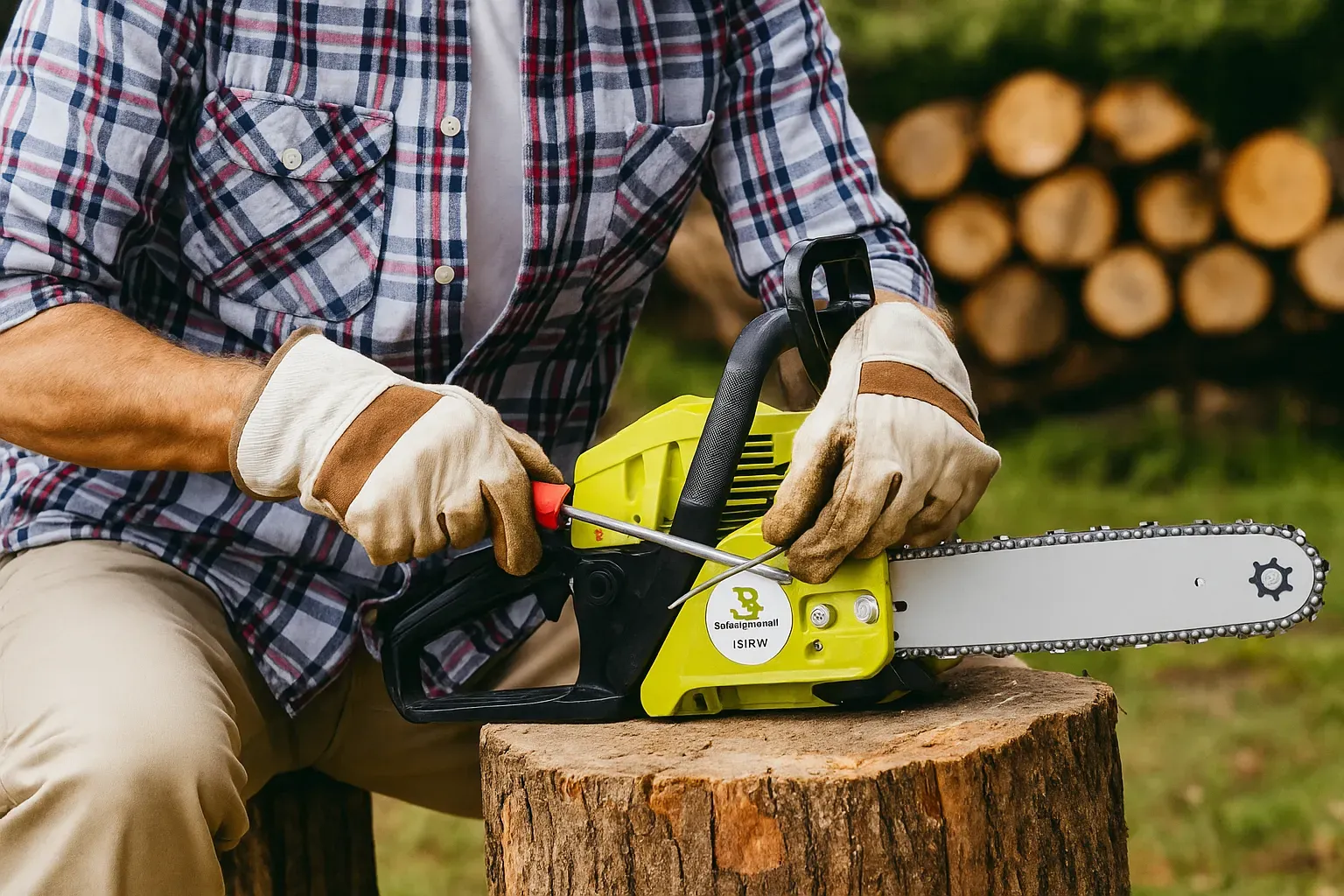
Cómo Afilar la Cadena de su Motosierra Como un Profesional
Una cadena de motosierra afilada no solo mejora la calidad del corte, sino que también es esencial para su seguridad y para prolongar la vida útil de su motosierra Bonhoeffer. Ya sea que esté cortando leña, podando árboles o limpiando terrenos, una cadena sin filo puede hacer que el trabajo sea más lento y más peligroso.
Aquí le presentamos una guía paso a paso para afilar su cadena como un verdadero profesional.
Herramientas Necesarias
Lima redonda (diámetro adecuado para su cadena)
Guía de afilado (opcional)
Lima plana
Medidor de profundidad
Guantes de protección
Tornillo de banco (opcional)
Guía Paso a Paso
1. Asegure la Motosierra
Apague el motor, desconecte la fuente de energía y active el freno de cadena. Si tiene un tornillo de banco, fije la barra para mayor estabilidad.
2. Inspeccione la Cadena
Revise si hay dientes dañados o muy desgastados. Cambie la cadena si es necesario.
3. Encuentre el Diente Más Corto
Comience con el diente más corto, que servirá de referencia para afilar los demás.
4. Utilice el Ángulo Correcto
Coloque la lima redonda en el diente en un ángulo de 30–35°. Haga entre 3 y 6 movimientos en una sola dirección con presión uniforme.
5. Afilar Cada Otro Diente
Afile todos los dientes de un lado de la cadena y luego cambie de lado para afilar el resto.
6. Verifique los Limitadores de Profundidad
Use el medidor para revisar la altura de los dientes limitadores. Si están altos, rebájelos con la lima plana.
Consejos Profesionales
Siempre lime en una sola dirección, no de ida y vuelta.
Mantenga la lima nivelada y los movimientos constantes.
Afile con frecuencia para evitar desgaste excesivo.
Mantenga su Motosierra Bonhoeffer al Máximo
El mantenimiento regular mejora la eficiencia de corte y prolonga la vida útil de su motosierra Bonhoeffer. ¡Afilar bien es cortar mejor!

How to Assemble and Start Your Bonhoeffer Brush Cutter: A Beginner’s Guide
Whether you're a first-time user or just unboxing your new Bonhoeffer Brush Cutter, getting started may feel a bit intimidating. But don’t worry—this step-by-step guide will help you assemble and start your brush cutter quickly and safely.
Step 1: Unpack All the Parts
Inside your Bonhoeffer brush cutter box, you’ll typically find:
The engine unit
Shaft (split or straight)
Handlebar or loop handle
Cutting blade or nylon head
Tool kit (screws, wrench, spark plug tool)
Step 2: Assemble the Shaft and Handle
Connect the shaft if it's a split design—ensure the locking pin snaps into place.
Attach the handlebar or loop handle using the bolts provided. Adjust the angle for comfortable grip and control.
Secure the throttle control on the right side of the handle.
Step 3: Attach the Cutting Head
Depending on your model:
For blades: Insert the blade onto the drive shaft, add the washer, and tighten the nut with the tool provided.
For nylon heads: Align the head and screw it clockwise until tight.
Use the locking pin to prevent the shaft from rotating while tightening.
Step 4: Add Fuel (for petrol models)
Mix unleaded petrol with 2-stroke engine oil (usually 40:1 or as instructed). Fill the tank up to the recommended level. For battery models, insert the fully charged battery until it clicks.
Step 5: Start the Engine
Set the choke to ON.
Press the primer bulb 5–6 times.
Hold the tool firmly and pull the starter cord until the engine fires.
Move the choke to OFF and let the engine run for a few seconds.
For battery models, just press the power button and engage the throttle.
Final Tips
Always wear safety gear before starting.
Read the user manual for model-specific notes.
Perform a quick check before each use—fuel, blade tightness, and air filters.
With Bonhoeffer’s premium collection manual and this easy guide, you’ll be trimming like a pro in no time!
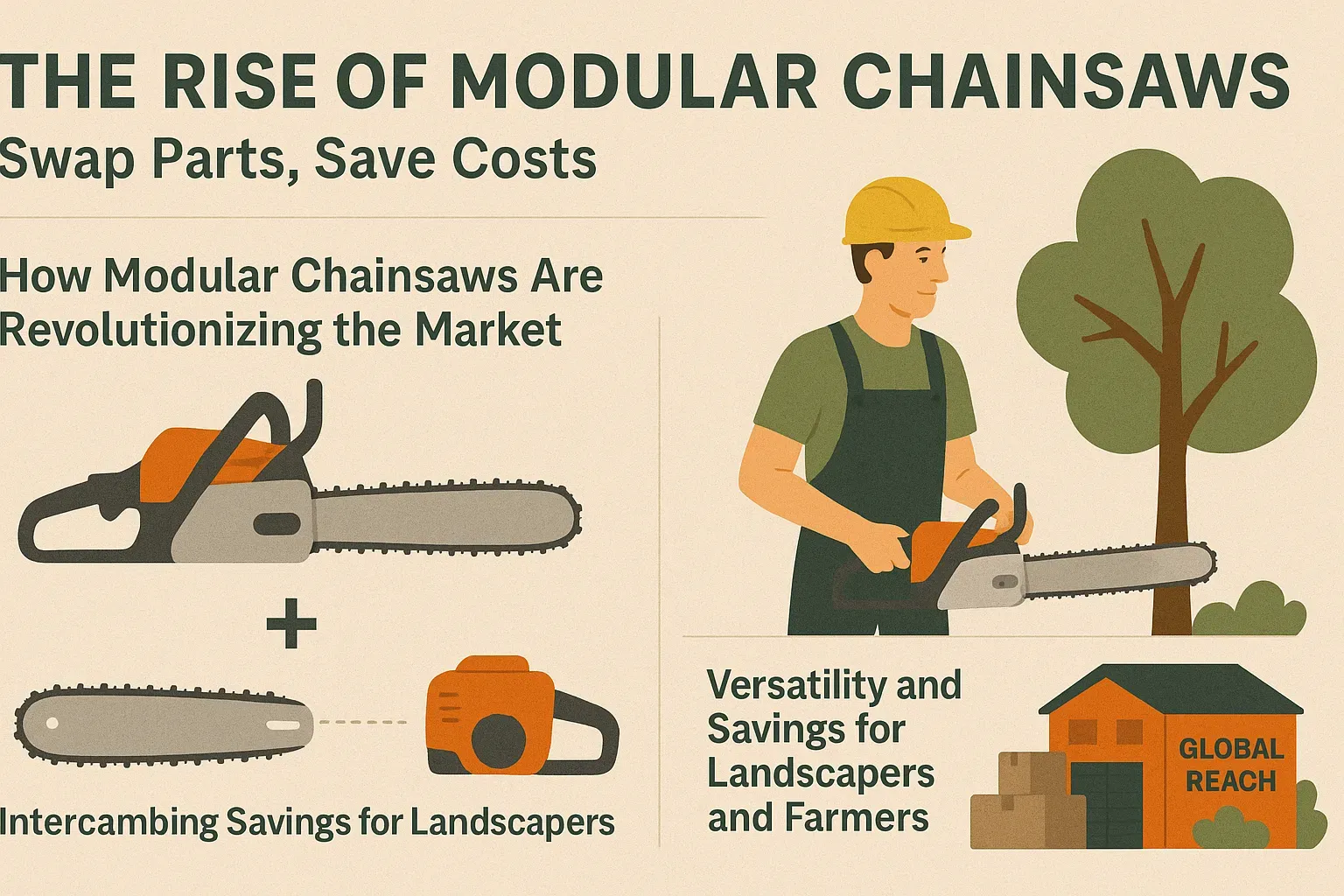
The Rise of Modular Chainsaws: Swap Parts, Save Costs
In the fast-evolving world of gardening and agriculture, modular chainsaws are emerging as a game-changer. Unlike traditional models, these innovative tools are designed with interchangeable bars, chains, and engines, giving gardeners, landscapers, and farmers the flexibility to adapt to different tasks without buying multiple machines.
Cost-Saving Versatility for Gardeners and Farmers
A single modular chainsaw can be transformed from a pruning tool for delicate garden work into a powerful machine for heavy agricultural cutting simply by swapping parts. This means less equipment to store, maintain, and replace — a major win for both professionals and hobbyists.
The Importance of High-Quality Spare Parts
The efficiency of modular chainsaws depends heavily on the quality of their spare parts. Low-grade replacements can compromise performance, cause breakdowns, and shorten tool lifespan. That’s why choosing a trusted chainsaw spare parts exporter is essential. Premium parts ensure seamless compatibility, longer durability, and consistent cutting power.
Bonhoeffer Machines: Your Reliable Chainsaw Accessories Supplier
Bonhoeffer Machines is at the forefront of supplying high-quality chainsaw accessories for modular systems. From precision-engineered chains to durable guide bars and robust engines, every component is designed for easy installation and reliable performance. As a leading exporter for gardening parts, Bonhoeffer ensures these products are available across 20+ countries, helping farmers and gardeners worldwide maintain their tools at peak efficiency.
Sustainability Benefits of Modular Chainsaws
Instead of replacing an entire machine when one part wears out, users can simply swap the faulty component. This reduces waste, saves money, and supports eco-friendly gardening practices — making modular chainsaws an ideal choice for those prioritising sustainability for gardening.
A Smart Investment for the Future
For professionals in landscaping and agriculture, the math is simple: fewer machines to buy, fewer breakdowns, and more productivity in the field. And with a reliable partner like Bonhoeffer Machines providing chainsaw accessories built for export-level quality, the benefits multiply. As modular technology continues to grow, it’s clear that the future of gardening and agriculture will be defined by tools that are adaptable, cost-efficient, and environmentally responsible.

Cómo Mantener las Desbrozadoras con Repuestos Asequibles
En el mantenimiento de jardines y labores agrícolas, las desbrozadoras son herramientas indispensables. Sin embargo, mantenerlas en óptimas condiciones no significa gastar una fortuna. Al elegir el exportador de repuestos para desbrozadoras adecuado y enfocarse en un mantenimiento rentable, es posible garantizar durabilidad, rendimiento y un excelente valor por el dinero invertido.
Por qué la Calidad en los Repuestos es Fundamental
Los repuestos baratos y de baja calidad pueden parecer una buena oferta, pero se desgastan rápidamente y generan más gastos a largo plazo. Los componentes de calidad de exportación, adquiridos a un exportador de piezas para jardinería confiable, no solo duran más, sino que también mejoran la eficiencia de la máquina. Ya sean cuchillas, cabezales o engranajes, elegir piezas premium y asequibles asegura que su desbrozadora funcione de manera óptima temporada tras temporada.
Consejos para Mantener las Desbrozadoras sin Gastar de Más
1. Colabore con un Exportador de Repuestos para Desbrozadoras Confiable
Un exportador de la desbrozadora confianza ofrece piezas de alto rendimiento y a precios competitivos, sin sacrificar calidad. Al abastecer a múltiples mercados, suelen cumplir con estándares internacionales.
2. Limpieza y Lubricación Regular
Prácticas simples como limpiar los restos de hierba del protector de cuchilla, pasar un paño por el motor y lubricar las piezas móviles pueden prolongar la vida útil de la máquina.
3. Sustituya las Piezas Desgastadas de Inmediato
No espere a que se produzca una avería completa. Si el hilo de corte, la cuchilla o la bujía muestran desgaste, reemplácelos cuanto antes con piezas de calidad de exportación.
4. Almacene en un Lugar Adecuado
Evite dejar la desbrozadora expuesta a la lluvia o temperaturas extremas. Guárdela en un sitio seco y cubierto para prevenir la oxidación y el deterioro de piezas.
5. Invierta en Accesorios Multiuso
Algunos accesorios son compatibles con varios modelos, lo que reduce la necesidad de comprar múltiples piezas y ahorra dinero a largo plazo.
La Ventaja de Bonhoeffer Machines
En Bonhoeffer Machines nos especializamos en ofrecer repuestos de alta calidad y asequibles a más de 20 países. Como exportador de piezas para jardinería, combinamos estándares internacionales con precios competitivos, ayudándole a mantener su desbrozadora en óptimas condiciones sin exceder el presupuesto.
Conclusión
Reducir costos no significa reducir la calidad. Con prácticas de mantenimiento inteligentes y un exportador de repuestos para desbrozadoras confiable, podrá conservar su equipo en perfectas condiciones durante años.
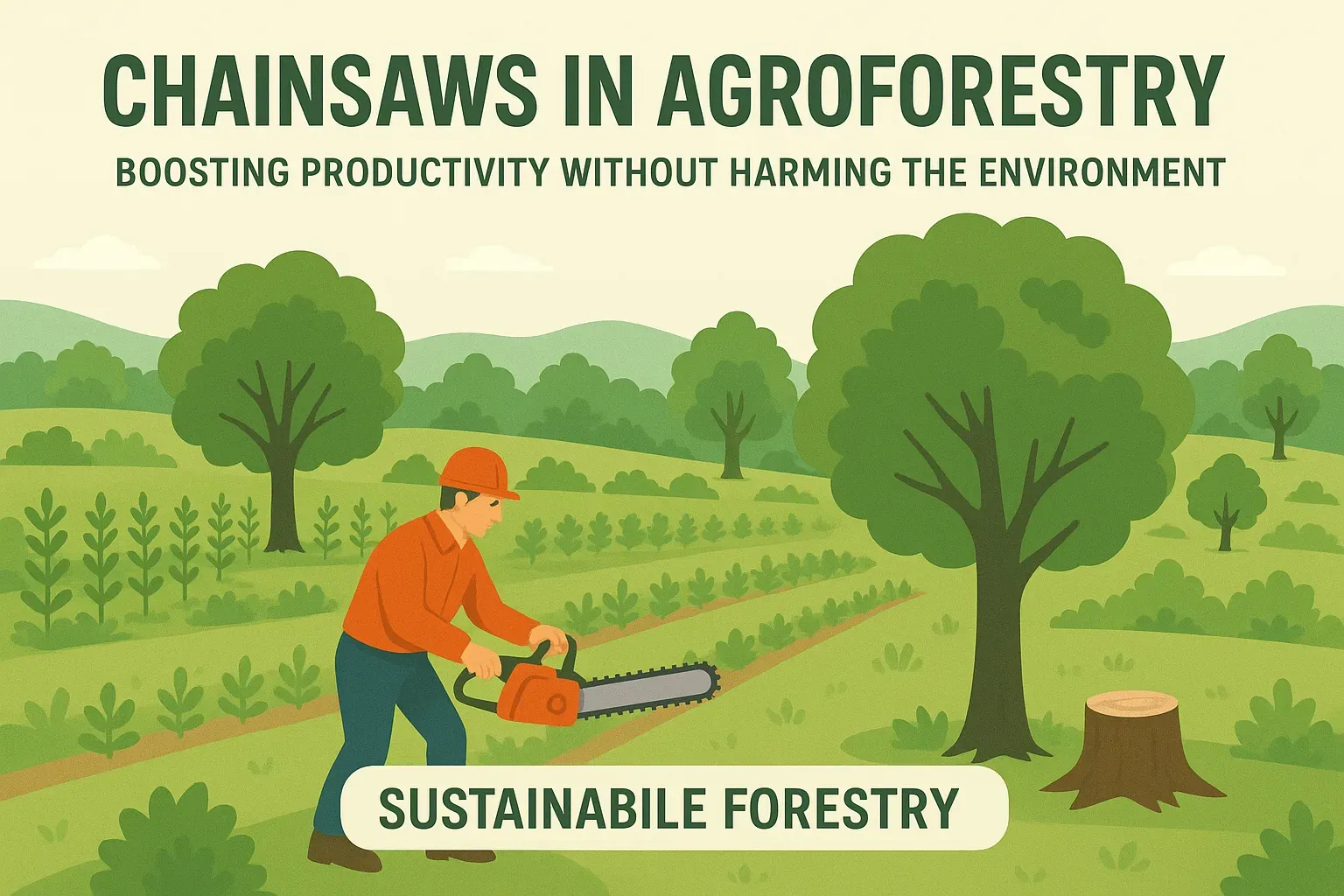
Chainsaws in Agroforestry: Boosting Productivity Without Harming the Environment
Integrating Chainsaws into Sustainable Agroforestry
Agroforestry — the practice of integrating trees and shrubs into agricultural systems — is a time-tested approach that boosts farm productivity, biodiversity, and soil health. In modern farm-forest systems, chainsaws play a surprisingly important role. When used responsibly, the best chainsaws help farmers manage trees efficiently without compromising sustainability for gardening or harming the ecosystem.
Why Chainsaws Matter in Agroforestry
In agroforestry, tree management is essential. Farmers may need to prune, thin, or remove trees to ensure optimal sunlight, air circulation, and crop growth. Manual cutting can be labour-intensive, slow, and less precise. With high-quality, fuel-efficient chainsaws, these tasks can be completed faster, reducing downtime and enabling farmers to focus on other critical agricultural activities.
The best chainsaws are designed with safety features and ergonomic handles, making them ideal for frequent, controlled use in farm-forest environments. This allows for precision cutting that minimizes damage to surrounding vegetation — a key factor in sustainable land management.
Sustainability and Environmental Responsibility
Sustainability in gardening and forestry isn’t just about planting more trees — it’s also about maintaining the right balance in the ecosystem. When chainsaws are used strategically, they help promote:
Selective harvesting to maintain biodiversity.
Pruning that stimulates healthier plant and tree growth.
Efficient land clearing for agroforestry expansion without overexploitation.
Modern chainsaws are also becoming more eco-friendly, with lower emissions, improved fuel efficiency, and even battery-powered models that reduce noise pollution — beneficial for both farmers and wildlife.
Best Practices for Sustainable Chainsaw Use
To align chainsaw work with sustainability for gardening:
Choose the right chainsaw — Opt for models with energy-efficient motors and low fuel consumption.
Use proper cutting techniques — Avoid unnecessary tree removal and focus on selective trimming.
Maintain your equipment — Well-sharpened chains and serviced engines reduce fuel waste and improve cutting precision.
Follow safety guidelines — Sustainable forestry depends on worker safety as much as environmental care.
Conclusion
In agroforestry, Bonhoeffer Machines chainsaws aren’t just cutting tools — they’re productivity boosters that, when used wisely, support both farming efficiency and environmental protection. By investing in the best chainsaws and applying sustainable practices, farmers can ensure that agroforestry systems remain productive, resilient, and eco-friendly for generations to come.