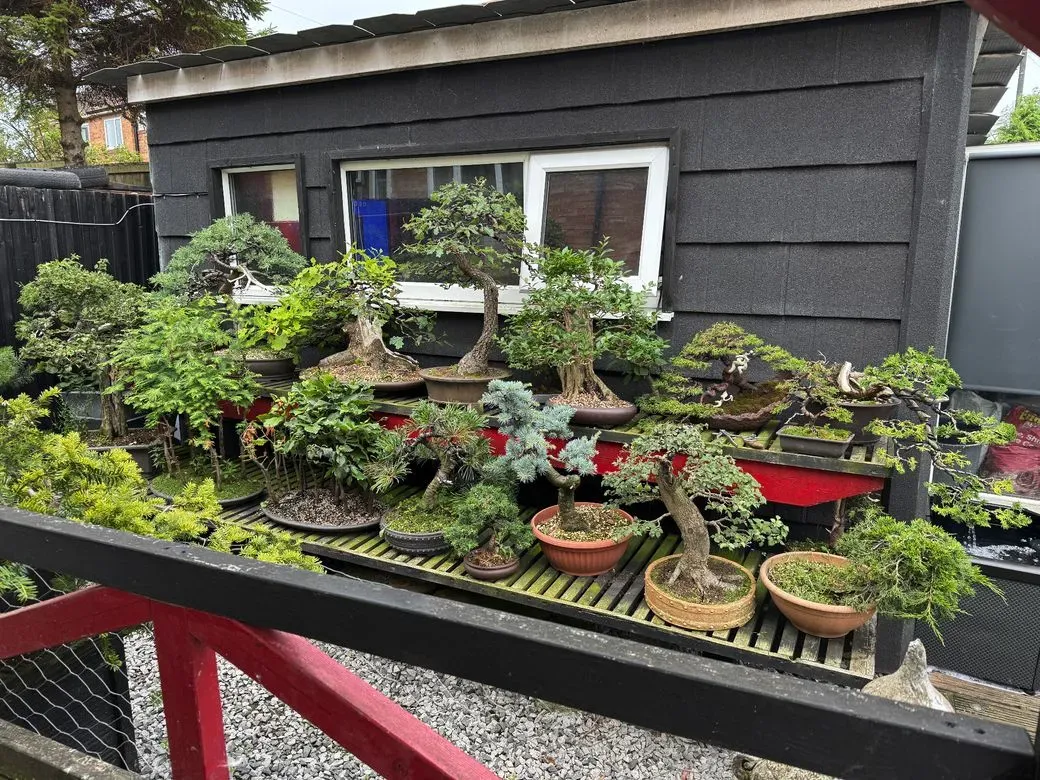
I strolled slowly around my bonsai benches, letting my eyes move from tree to tree. Each one seemed to greet me with its own quiet presence—the curve of a branch, the texture of old bark, the subtle shift of green in the leaves. The air carried a hint of damp soil and pine, a living fragrance that grounded me. Some trees stood proudly with strong, upright trunks, while others leaned gracefully, shaped by years of careful wiring and pruning. I paused often, noticing tiny buds beginning to swell, or a new root pushing gently at the soil’s surface. Walking among them felt less like tending plants and more like visiting old friends, each with its own story, each one a reflection of time, patience, and care.
Artistry in Miniature Trees
Discover the timeless beauty of bonsai at Houghton Bonsai. Each tree is a living masterpiece, nurtured with patience and skill to bring nature's elegance into your home. Embrace the harmony of tradition and artistry with us.
Our Bonsai Services (Coming 2026)
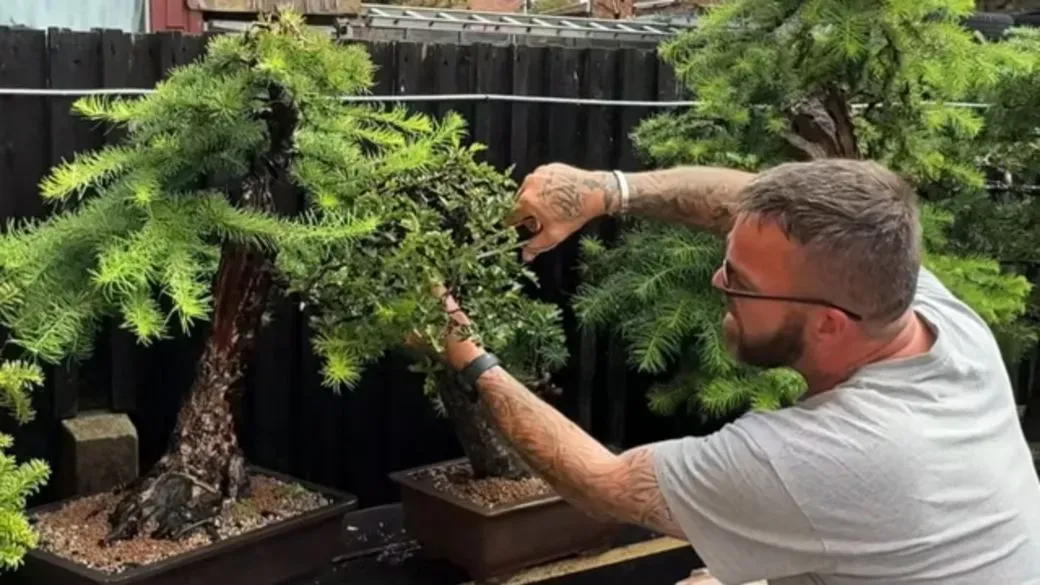
Bonsai Tree Workshops
Hands-on workshops teaching the art of bonsai cultivation, pruning, and styling for beginners and enthusiasts.
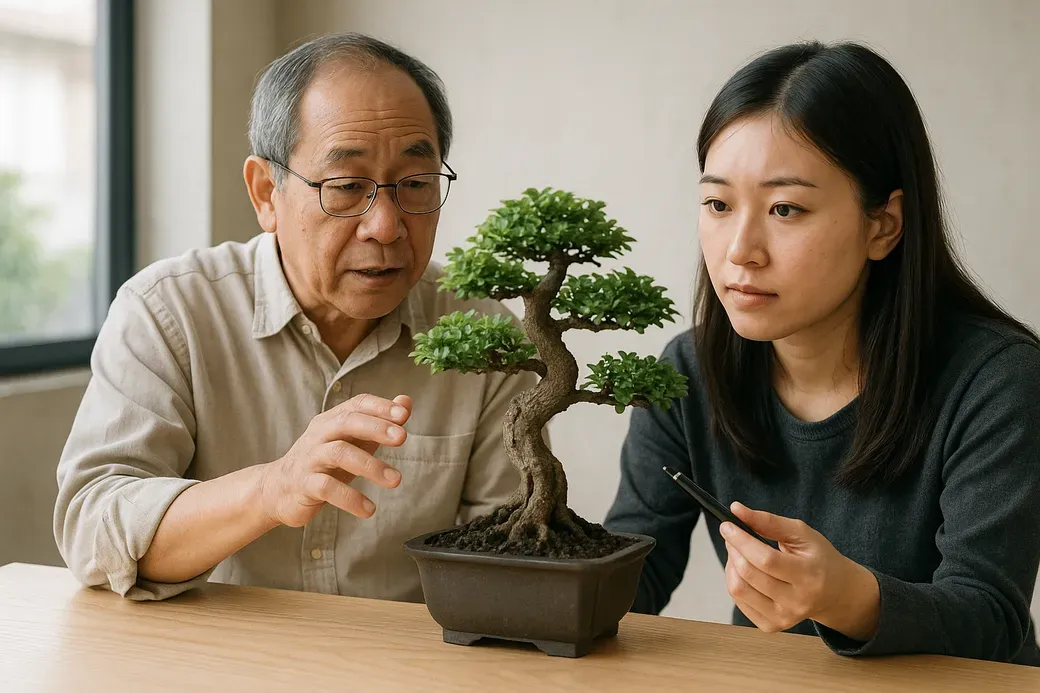
Bonsai Tree Consultation
Personalized consultations to guide you in bonsai selection, care techniques, and styling advice.
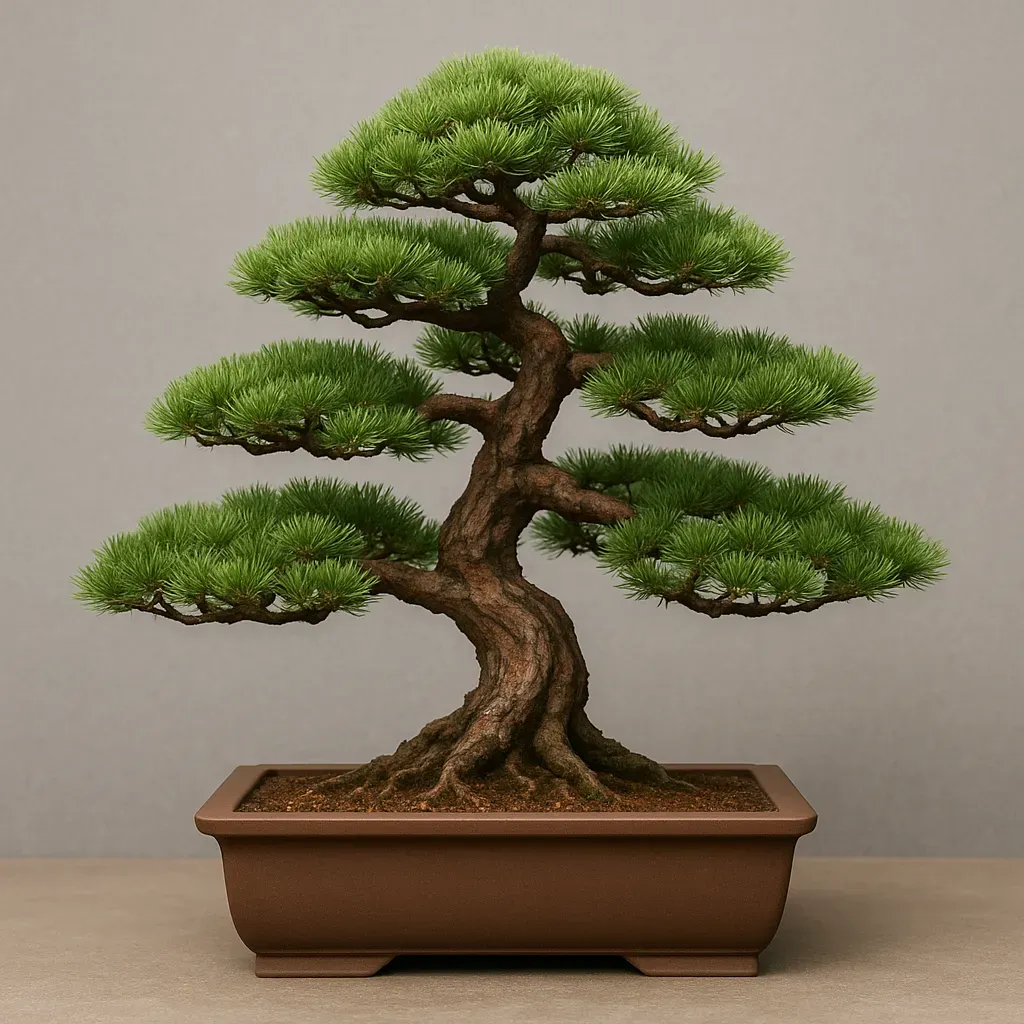
Bonsai Tree Design and Styling
Expert design and styling services to shape your bonsai tree into a unique living masterpiece that reflects your vision and style.
Gallery
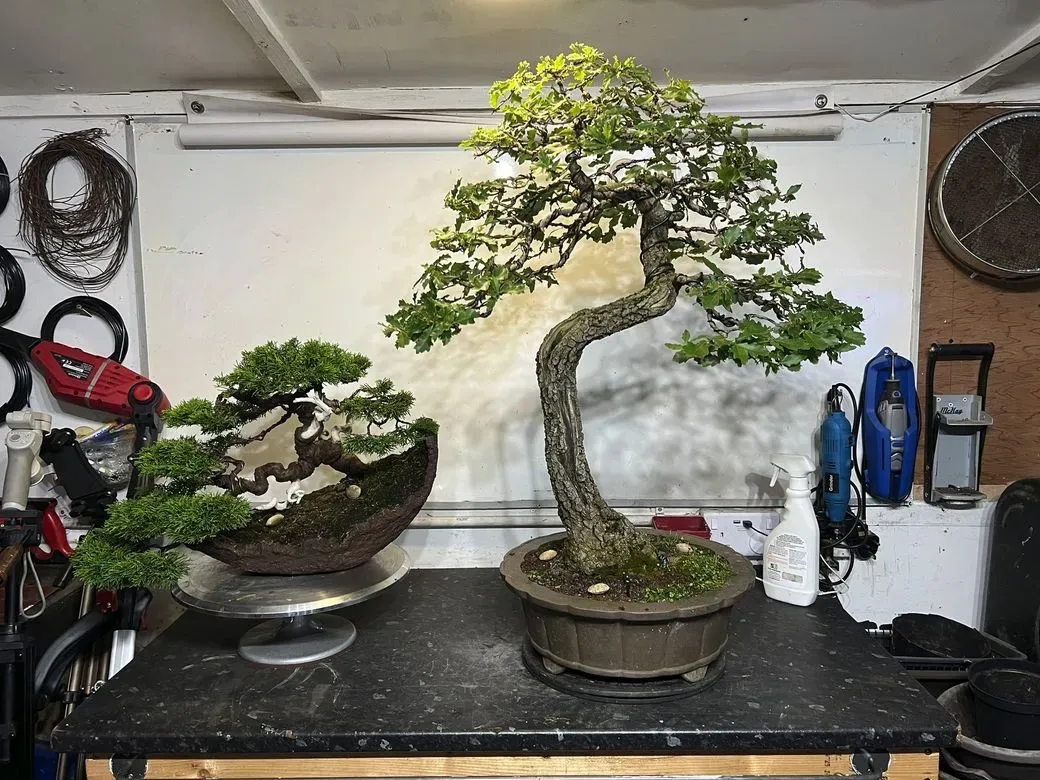
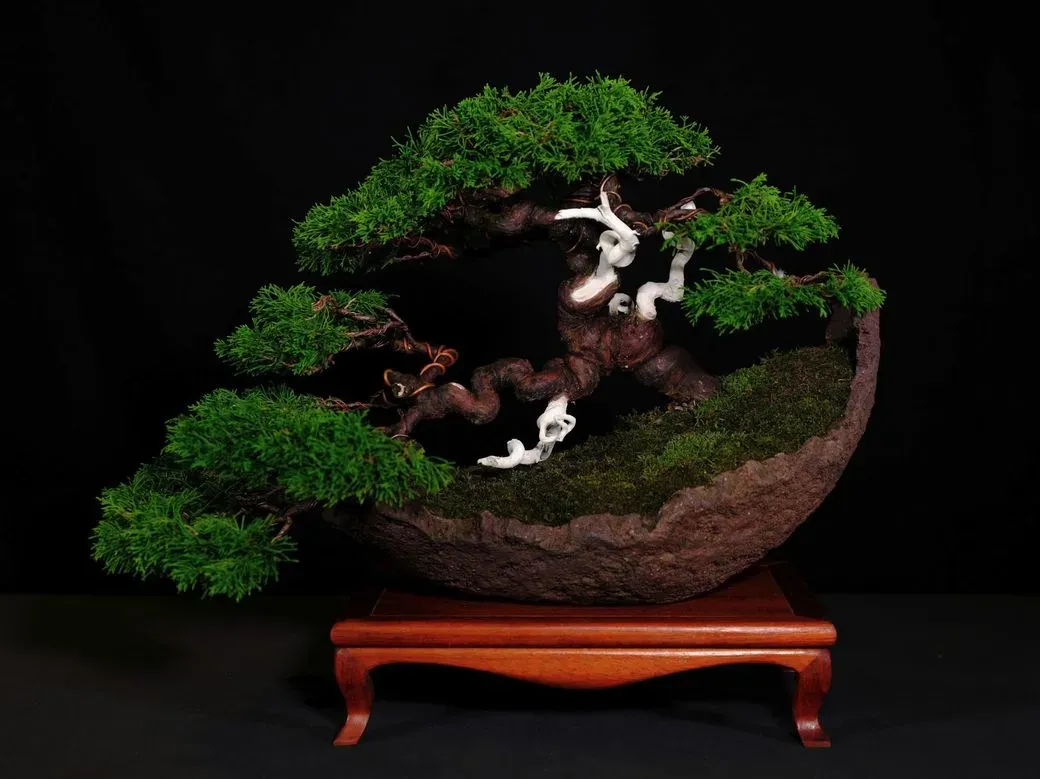
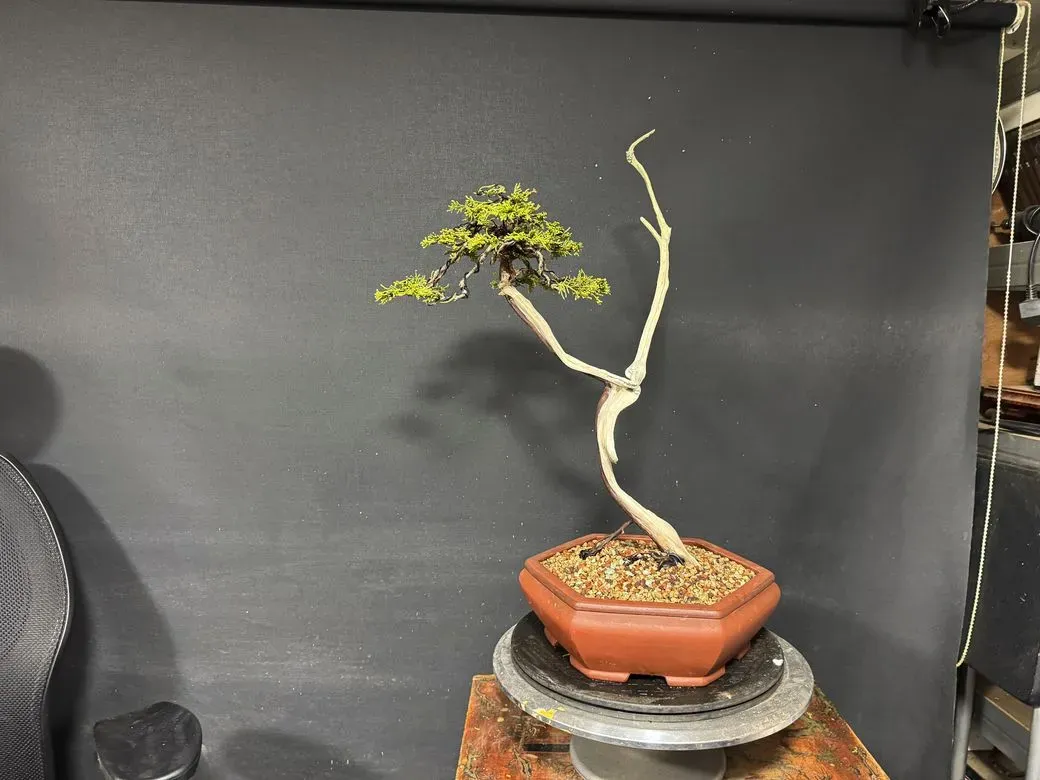
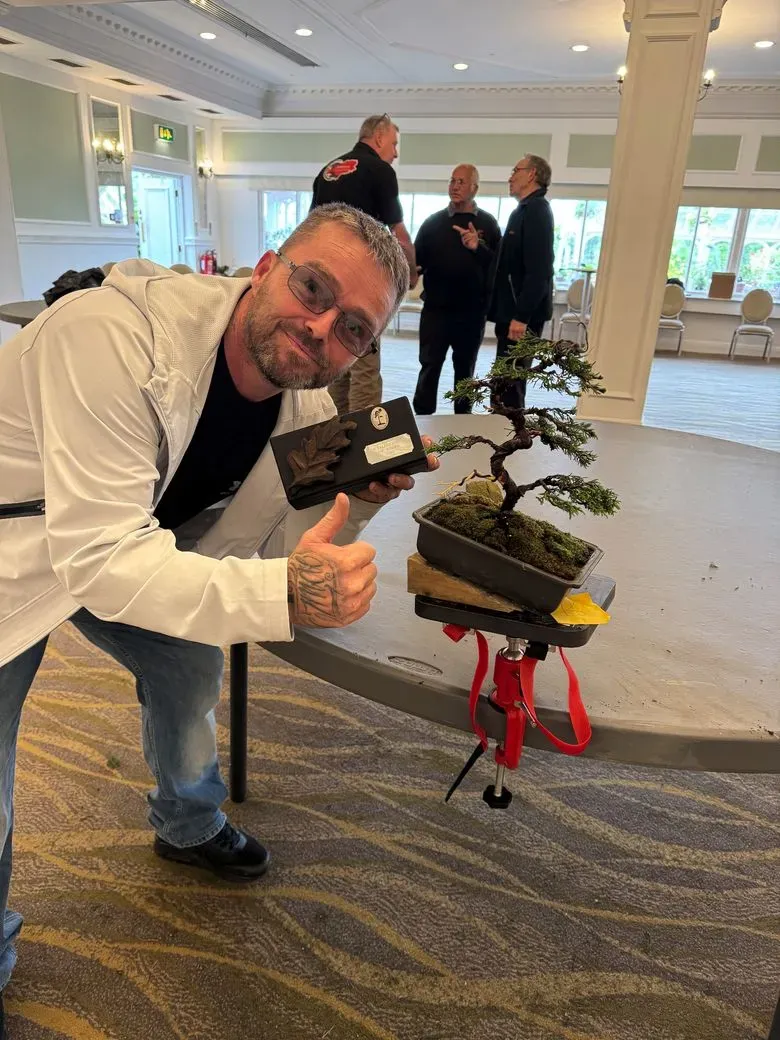
1 / 5
How To Maintain/Care For Your Bonsai Tree:
Bonsai Trees and Their Maintenance
Bonsai trees are miniature trees grown in containers and trained to resemble their full-sized counterparts. The word bonsai means “planted in a container,” and this practice combines horticultural skills with artistic design. Caring for a bonsai requires understanding both the needs of the tree and the techniques used to maintain its small size and balanced appearance.
1. Watering
Bonsai trees must be watered regularly, as their shallow pots dry out quickly. The soil should remain slightly moist but not waterlogged. Instead of watering on a fixed schedule, check the soil daily: if the top layer feels dry, water thoroughly until it drains from the bottom. Different species may have slightly different water needs.
2. Pruning and Shaping
Pruning is essential for maintaining the miniature size and overall style of the tree. There are two main types:
Maintenance pruning: removing new shoots and leaves to keep the shape.
Structural pruning: trimming larger branches to refine the design.
Wiring can also be used to gently bend and shape branches, but it should be done carefully to avoid damaging the bark.
3. Repotting and Root Care
Because bonsai grow in small containers, their roots can quickly become crowded. Repotting is usually required every 1–3 years, depending on the tree’s growth rate. During repotting, old soil is replaced, and the roots are trimmed to prevent the tree from becoming root-bound.
4. Soil and Fertilizing
Bonsai soil should provide good drainage, aeration, and moisture retention. A mix of akadama (clay granules), pumice, and lava rock is commonly used. Since nutrients are limited in small pots, fertilizing is necessary during the growing season. Balanced fertilizers help promote healthy leaves, flowers, and roots.
5. Light and Placement
Bonsai trees need the right amount of light depending on their species. Many prefer outdoor conditions with several hours of sunlight, while tropical varieties can thrive indoors with bright, indirect light. Temperature and humidity also play an important role in their health.
6. Seasonal Care
Bonsai care changes with the seasons:
Spring: active growth, ideal for pruning and repotting.
Summer: increased watering and monitoring for pests.
Autumn: preparing trees for dormancy.
Winter: protecting cold-sensitive species indoors or in sheltered areas.
With proper care and patience, bonsai trees can live for generations. They are not just decorative plants, but a long-term practice in observation, discipline, and creativity.
🌼 The Bonsai Walk: A Journey in Miniature
Reviews
1 / 2
Contact info:
Art of Bonsai Crafting
Discover the timeless beauty of bonsai at Houghton Bonsai. Watch as we transform miniature trees into living works of art through patience and skill. Experience the harmony and tradition of this ancient practice in North East England.
Step-by-step Beginner's Guide to Bonsai trees:
Beginner’s Guide to Bonsai Tree Care
Bonsai trees may look delicate, but with the right care they can live for decades or even centuries. Follow these simple steps to get started:
✅ Tip for Beginners: Start with one tree so you can learn its needs before adding more. Bonsai care is about patience and observation—the tree will show you what it needs if you pay attention.
Step 1: Choose the Right Tree
Beginners often start with hardy species like juniper, ficus, or Chinese elm.
Decide if your bonsai will live indoors or outdoors, depending on the species.
Step 2: Place Your Bonsai Correctly
Outdoor bonsai (like juniper or pine) need several hours of sunlight.
Indoor bonsai (like ficus) prefer bright, indirect light near a window.
Avoid drafts, heaters, or air conditioners that dry out the air.
Step 3: Water Regularly
Check the soil every day.
When the topsoil feels slightly dry, water thoroughly until it drains from the bottom.
Never let the soil dry out completely, but don’t keep it soggy either.
Step 4: Prune to Maintain Shape
Maintenance pruning: trim new shoots and leaves to keep the design tidy.
Structural pruning: occasionally remove larger branches to improve shape.
Always use clean, sharp scissors or shears.
Step 5: Repot Every 1–3 Years
Gently remove the tree from its pot.
Trim about one-third of the roots to prevent overcrowding.
Replace with fresh bonsai soil that drains well.
Step 6: Fertilize During Growing Season
Use a balanced bonsai fertilizer (solid or liquid).
Apply about once a month from spring through autumn.
Avoid fertilizing a newly repotted or stressed tree.
Step 7: Protect During Each Season
Spring: prune and repot.
Summer: water more often and watch for pests.
Autumn: slow down fertilizing and prepare for winter.
Winter: protect outdoor bonsai from frost; bring sensitive species indoors.
Good Luck on your journey into bonsai ;)