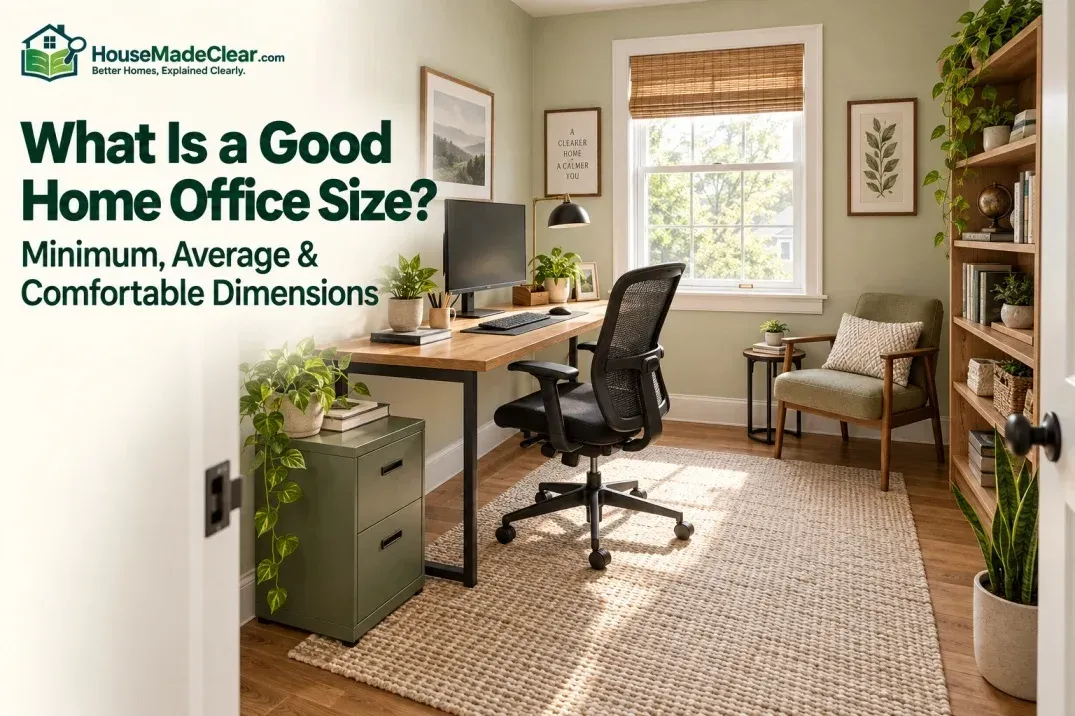
Standard File Cabinet Dimensions for Home Offices and Small Workspaces
Home offices often require efficient storage because available floor space is usually more limited than in commercial office environments. A file cabinet must accommodate important records while fitting comfortably beside a desk, under a work surface, or against an available wall. Before purchasing, homeowners should review standard file cabinet dimensions and compare them with the measurements of the room and existing furniture. Compact two-drawer cabinets are frequently considered for home offices because they can store essential paperwork without occupying a large footprint. They may be suitable for tax records, invoices, warranties, personal documents, and business paperwork. Taller vertical cabinets can provide more storage capacity without requiring much additional floor width, although their height should be checked against desks, shelves, windows, and ceiling features. Lateral cabinets can provide wider drawers but generally need more wall space. The depth of the cabinet is particularly important in a small office. A unit that projects too far into the room can reduce legroom around a desk or make a narrow walkway difficult to use. If the cabinet is positioned beside a desk, users should check whether the drawers can open without hitting the chair. Under-desk placement may also be possible with compact models, but the height and drawer-opening direction must be compatible with the desk structure. Home office users should consider how much paper they actually need to retain. A cabinet that is substantially larger than necessary may consume valuable space, while a cabinet that is too small can quickly become overcrowded. Estimating current storage needs and allowing some room for future files is a practical approach. Digital recordkeeping may reduce the volume of paper, but many households and small businesses still need physical storage for original documents. Security can also be important in a home environment. Lockable cabinets can help control access to financial, business, or personal paperwork. However, locking mechanisms and reinforced construction may affect usable drawer space and overall cabinet weight. If a cabinet will be placed on a particular floor or moved frequently, these factors should be considered before purchase. Another useful consideration is visual integration with the room. Home offices often combine work furniture with residential furniture, so a bulky commercial cabinet may not fit the intended appearance. Low lateral cabinets can sometimes function as additional storage surfaces, while slim vertical cabinets can occupy otherwise unused wall areas. Measurements should always include the full exterior dimensions, including handles or hardware where applicable. The route into the room also matters. A cabinet that fits the final location may still be difficult to bring through a narrow doorway or stairway if it arrives fully assembled. Measuring entrances and turning areas can prevent delivery problems. For home offices, the goal is to balance storage capacity, accessibility, security, and available space. By comparing cabinet dimensions with desk dimensions, room layout, and filing requirements, homeowners can select a unit that supports organization without overwhelming the workspace.