Our mission to connect people with their roots and offer sustainable solutions
An Interview with Ing. Dan Capriles Parra, REnvP MSOE Knowledge Hub Article January 2025
Q: What drove your interest in atmospheric water generation? A: The global water crisis is becoming increasingly urgent, with 2.2 billion people lacking access to safe drinking water. I've been fascinated by atmospheric water generation since the late 90s, studying how we could effectively harvest water from air. Traditional infrastructure isn't always viable or sustainable, especially in rapidly growing urban areas or remote locations. This challenge has driven decades of research and development in this field.
Q: Can you explain the concept in simple terms?
A: Nature already shows us the way through dew formation. Atmospheric water generation essentially replicates and enhances this natural process. The air around us contains moisture - it's about finding efficient ways to capture it. The technology has evolved significantly since my early work in the 90s, with various companies developing different approaches to this challenge.
Q: What makes this approach particularly relevant to environmental professionals?
A: Environmental professionals constantly face the challenge of balancing human needs with environmental protection. Atmospheric water generation technology addresses both aspects. When properly implemented, it doesn't deplete groundwater resources, requires minimal infrastructure, and can be powered by renewable energy. This aligns perfectly with sustainable development goals while providing a practical solution to water scarcity.
Q: What potential impacts do you see for this technology?
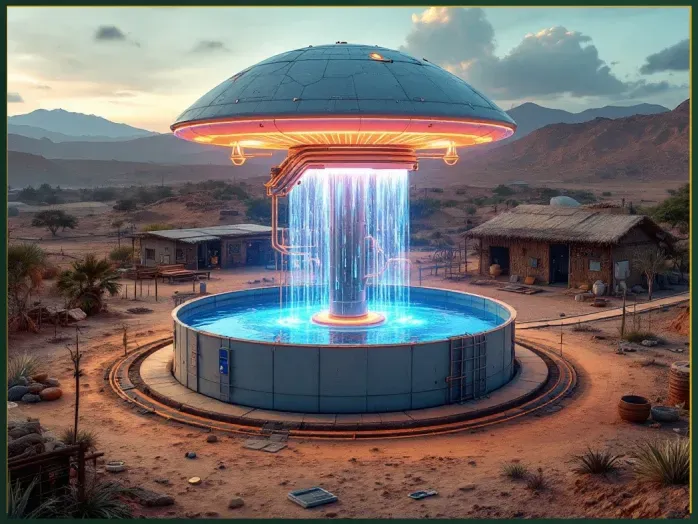
A: The possibilities are significant. Based on current technological capabilities, atmospheric water generation systems can provide a sustainable water source while reducing pressure on traditional infrastructure. The HygroStream system we're developing aims to build upon existing technologies, incorporating lessons learned from decades of industry evolution.
Q: Where do you see the most potential for implementation?
A: Several areas show promise. Urban development is an obvious one, where water demand is rapidly increasing. There's also significant potential in agricultural applications, emergency response situations, and remote industrial facilities. The technology could be particularly valuable in areas where traditional water infrastructure is either unavailable or unsustainable.
Q: What challenges need to be considered?
A: It's important to be realistic about both possibilities and limitations. Energy efficiency remains a crucial factor, which is why optimization of power consumption is essential. There's also the need for proper maintenance and monitoring. These challenges have shaped our approach to developing the HygroStream system, learning from existing solutions in the market.
Q: Looking ahead, how do you see this technology evolving?
A: The future is promising. We're seeing continuous improvements in energy efficiency and water production capacity across the industry. Integration with renewable energy sources is becoming more seamless, and smart monitoring systems are getting more sophisticated. Our goal with HygroStream is to contribute to this evolution, building on decades of industry learning.
Q: Any final thoughts for our Knowledge Hub readers?
A: As environmental professionals, we're all working towards sustainable solutions for pressing global challenges. Atmospheric water generation represents one innovative approach to water security. It's about rethinking how we approach resource management and sustainability in an increasingly water-stressed world.
About the Author: Ing. Dan Capriles Parra, REnvP MSOE, is an environmental consultant specializing in sustainable technologies and renewable solutions. With extensive experience in environmental engineering dating back to the late 1990s, Dan leads initiatives at Martina & Parra Ltd, focusing on innovative solutions for environmental challenges.