Innovating the Future with MH Cognition

Discover how MH Cognition, part of MHC Global Pvt. Ltd., is leading advancements in technology and education, building on a rich legacy of innovation across diverse sectors.

Future-Proofing Your Career: The Rise of BCA in Cloud Computing

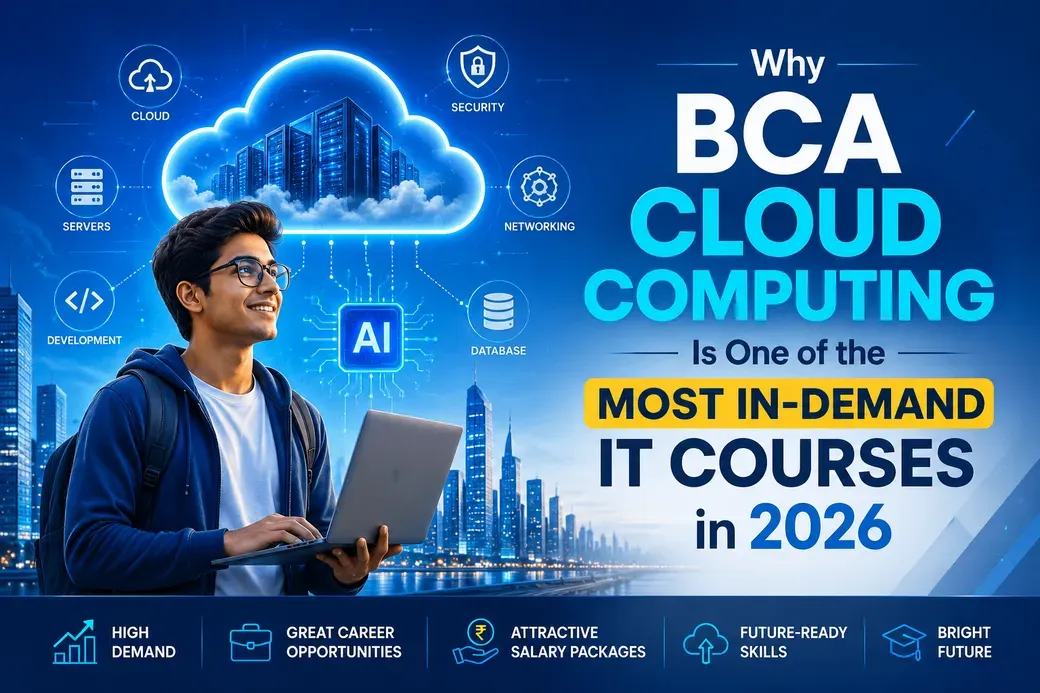
Choosing the right undergraduate path can feel overwhelming, especially with technology changing faster than ever. As we look at the employment landscape in 2026, traditional software development routes face fierce competition, while specialized infrastructure fields are experiencing explosive growth. Among these fields, an advanced BCA in Cloud Computing course stands out as a highly reliable option for long-term career success. The Core Technical Skills to Master The modern tech industry no longer relies on static servers. Everything—from your favorite streaming app to complex banking security systems—runs on globally distributed, automated cloud networks. Because of this shift, the baseline requirements for entering IT have completely changed. To stay competitive, building core cloud competencies early on is crucial. Today's students need to look beyond standard programming and master foundational skills like: Advanced Linux frameworks and virtualization tools Deployment and infrastructure management on AWS, Azure, or GCP Continuous Integration and Continuous Deployment (CI/CD) pipelines Developing these skills gives students a major competitive edge. Learning cloud technology while still in university allows you to move from basic textbook theory to practical deployment, managing real systems in a controlled lab environment. High-Growth Career Paths & Salary Potential Specialization brings massive advantages when entering the job market. General IT graduates often start in entry-level support roles, but those with specialized infrastructure training move straight into core technical positions like DevOps engineers, cloud architects, or cloud security analysts. This specialization leads directly to better financial compensation. Current hiring data shows that cloud computing career paths in India offer some of the most competitive entry-level packages in the technology industry. This high return on investment makes the degree an excellent choice for student development and long-term financial growth. If you are looking for a foundational IT degree that directly matches what companies are looking for, focusing your education on cloud architecture is a smart, forward-looking move. Visit us: https://mhcognition.com/learning/bca-cloud-computing

Read More

Robotics Engineering After 12th: A Complete Guide to Career & Course Pathways

The technology field is moving fast. Traditional engineering fields are shifting as industries like manufacturing, healthcare, logistics, and electric vehicle production rapidly transition to intelligent automation. If you are a science student completing your high school education, choosing robotics engineering after 12th is one of the most strategic ways to future-proof your career. At MH Cognition, we analyse industrial hiring trends continuously. Modern automation requires engineers who understand how hardware mechanics interact with intelligent software. Moving beyond traditional computer science to specialise in robotics means learning how to build machines that can physically sense, move, and decide on their own. What is Modern AI and Robotics Engineering? Before jumping into a course, it is crucial to understand what the domain actually involves. Many students make the mistake of thinking robotics is purely mechanical assembly or basic coding. In reality, modern robotics relies on intelligent automation. To understand how this works at a structural level, you can explore our detailed breakdown of what is AI and robotics . True robotics engineering requires a unified understanding of three distinct systems: Mechanics & Kinematics: Designing the physical frame, joints, actuators, and structural mobility of the machine. Electronics & Embedded Control: Integrating microcontrollers, sensors (LiDAR, ultrasonic, cameras), and wiring configurations to manage electrical signals. The AI Decision Layer: Writing machine learning, computer vision, and path-planning algorithms that process sensor data so the machine can adapt to its environment. Academic Pathways After 12th Grade If you have completed your 10+2 with Physics, Chemistry, and Mathematics (PCM), you can bypass generic computational streams and jump straight into advanced systems engineering. 1. The Core 4-Year Professional Degree The most comprehensive pathway into the industry is a dedicated undergraduate engineering program. Enrolling in a formal B.Tech Robotics and AI program exposes you to physical robotics labs, simulation environments, and system architecture right from your first semester. 2. Evaluating the Educational Environment in India When mapping out your colleges, you need to understand the structural demands of the local market. Reading an industry-aligned guide like B.Tech Robotics and AI in India will help you understand the academic landscape, admission pathways (like JEE Main and State CETs), and the absolute necessity of rigorous lab infrastructure over textbook learning. 3. Understanding the Training Framework What does a dedicated automation syllabus actually look like? Before finalising your choice, review the foundational modules in our comprehensive breakdown of a robotics engineering course . A competitive curriculum should focus heavily on the Robot Operating System (ROS), embedded systems, C++ for real-time hardware control, and Python for machine learning. Core Skills Every Aspiring Robotics Engineer Needs Surviving and thriving in a robotics program requires consistent, hands-on engagement. The students who succeed focus heavily on building functional prototypes rather than just memorising engineering formulas. 1. Hardware Debugging Writing code on a screen is clean; deploying it to a physical robotic arm is messy. You will spend hours diagnosing sensor noise, calibrating actuators, and fixing wiring faults. This requires patience and analytical troubleshooting skills. 2. Advanced Mathematical Modelling Control systems and autonomous motion rely heavily on linear algebra, calculus, and spatial coordinates. If you want to program an autonomous vehicle to navigate an obstacle course, you will need a solid foundation in coordinate transformations and statistical analysis. 3. Software Proficiency You must be fluent in both high-level and low-level software frameworks. Python is the gold standard for integrating computer vision and deep learning models, while C++ is essential for low-latency, real-time hardware execution. Career Horizons and Salary Expectations Choosing a specialised degree path opens doors across several deep-tech industries. Graduates are no longer confined to traditional manufacturing assembly lines. Instead, they are being hired to design surgical robotics, autonomous warehouse fleets, drone delivery networks, and smart agricultural systems. Because these skills are highly technical and intersectional, employers are willing to pay a premium for engineers who can confidently build, test, and debug hardware-software systems. To see exactly how the market values these skills, you can check out our salary tracker on the AI robotics engineer salary in India to understand realistic entry-level packages, mid-career growth charts, and what portfolio elements drive top-tier compensation. Take the Next Step with MH Cognition Robotics engineering after 12th is a rigorous academic route, but it yields incredible dividends for students who love solving tangible, real-world problems. At MH Cognition, we partner directly with leading institutions, serving as an academic Knowledge Partner to provide industry-aligned curricula, cloud lab access, and system-level project mentoring. Explore our premier B.Tech Robotics and AI academic track today, and start building the future of automated technology. Visit: https://mhcognition.com/blogs/robotics-courses-after-12th

Read More

AI vs Data Science: Which Career Has a Better Future?

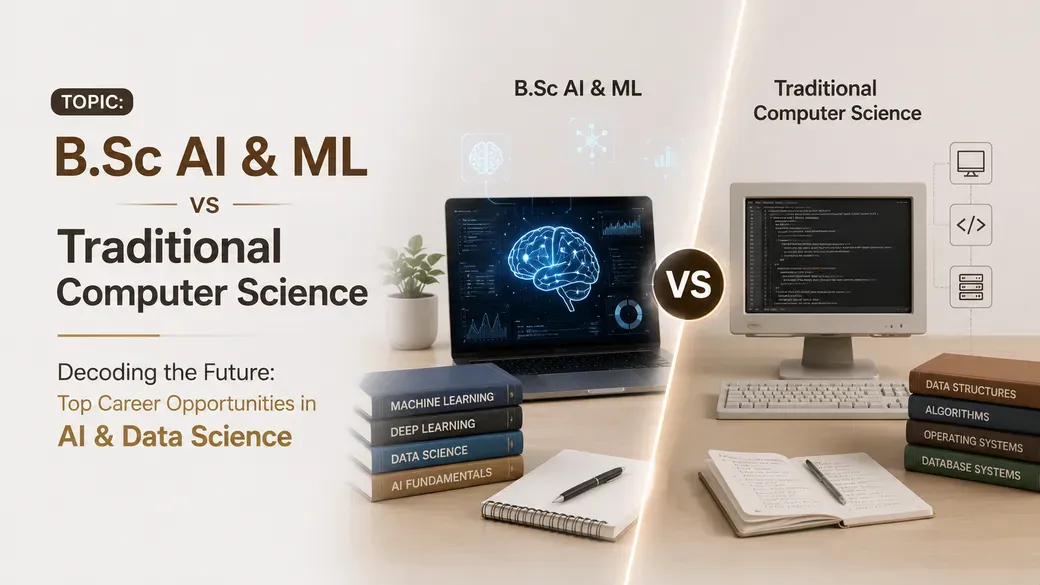
The global job market is undergoing a massive structural shift. As industries race to integrate automated systems and predictive models into their core architectures, two specific fields have emerged as dominant career forces: Artificial Intelligence (AI) and Data Science (DS) . If you are a student or professional attempting to plan your educational journey, you are likely asking the ultimate question: AI vs Data Science: Which Career Has a Better Future? At MH Cognition , we monitor international tech employment trends daily. While both fields are highly lucrative and deeply intertwined, they cater to distinct skill sets and engineering objectives. Choosing the right path requires looking past the industry buzzwords to understand what your daily work will actually look like. Defining the Core Boundaries To make an informed choice, you must first understand the fundamental differences between how these two domains operate. The Data Science Domain Data Science is the process of extracting meaningful insights, trends, and patterns from massive, complex datasets. It blends advanced statistics, mathematical analysis, and domain expertise to help organisations make strategic, data-driven decisions. In your daily work, you will focus primarily on data cleaning, structuring data pipelines, and building business intelligence dashboards using languages like Python, R, and SQL. Top roles in this track include Data Analyst, Data Architect, and Analytics Manager. The Artificial Intelligence Domain Artificial Intelligence goes a step further. It focuses on engineering intelligent systems that mimic human cognitive functions—such as learning, reasoning, and visual perception—enabling software or physical hardware to make independent decisions. Your daily focus will revolve around neural networks, deep learning models, and training algorithms for autonomy using languages like Python, C++, and Java. Top roles here include Machine Learning Engineer, NLP Scientist, and Computer Vision Expert. The Simple Distinction: Data Science analyses data to provide actionable answers for human decision-makers, while Artificial Intelligence uses that data to build autonomous systems that can function and make decisions completely on their own. Market Demand & Salary Trends When evaluating which career path holds a better future, financial returns and job security are critical benchmarks. The requirement for specialised professionals has led to salaries dramatically outpacing those for general software engineering roles. For instance, individuals pursuing specialised engineering trajectories can see incredibly competitive starting packages. You can explore a detailed market breakdown in our comprehensive guide on the AI robotics engineer salary in India to see how specialised technical roles compare financially. Both paths offer exceptional longevity, but the choice depends on your workplace preference. You should choose Data Science if you enjoy statistical forecasting, corporate strategy, data engineering, and working closely with business executives to solve operational problems. On the other hand, you should choose Artificial Intelligence if you want to work on deep learning neural networks, natural language processing (NLP), computer vision, or autonomous mechanical systems. Educational Roadmap: Where to Begin? The specialisation process now starts much earlier than it did a few years ago. Students are no longer waiting for postgraduate degrees to build foundational expertise in these industries. Direct Entry After 12th Grade If you are planning your undergraduate journey immediately after school, you can choose from highly targeted academic paths rather than taking a generic engineering route. If your passion lies at the intersection of algorithmic intelligence and physical automation, enrolling in a specialised program such as a B.Tech in Robotics and AI provides an elite engineering foundation. Alternatively, if you prefer the software and analytics side, look into our list of the best artificial intelligence courses after 12th . For those who want to jump straight into data architecture, starting with a foundational data science course after 12th offers a rapid competitive advantage. Applied Science vs. Traditional Computing A common point of confusion for tech aspirants is deciding between a hyper-focused specialisation and a broader computational degree. Understanding the practical differences between a BSc AI ML vs BSc Computer Science degree is vital. While a traditional CS degree gives you a broad overview of general computing, an applied science track plunges you directly into machine learning libraries and data structures from day one. The Verdict: Which Path Wins? There is no single "winner" in the debate over AI vs Data Science: Which Career Has Better Future? Both fields are complementary; AI applications require clean, structured data pipelines engineered by data scientists to learn effectively. However, if you want a career path that focuses heavily on enterprise logic, commercial trends, and executive decision-making, Data Science offers an incredibly stable, high-growth environment. If you want to push the boundaries of automation, write self-evolving code, or build intelligent machines, Artificial Intelligence is the frontier where the most dramatic technological growth will occur over the next decade. At MH Cognition , we help you navigate these advanced fields with specialized, industry-backed learning tracks. Discover our professional B.Sc CS AI and DS program to take complete control of your tech career and build a future-proof portfolio today. Visit: https://mhcognition.com/blogs/artificial-intelligence-courses-after-12th

Read More

Shaping the Future: Why a BCA in AI and Data Science is Your Best Move

In 2026, the global economy is powered by data. From the personalised recommendations on your favourite streaming apps to the predictive diagnostics used in modern healthcare, Artificial Intelligence (AI) and Data Science are the invisible engines driving innovation. For students aiming to enter the tech world, a BCA in AI and Data Science is no longer just an alternative to engineering it is a specialised fast-track to the most in-demand roles in the industry. At MH Cognition , we bridge the gap between traditional academics and the rapidly evolving tech landscape. By partnering with premier institutions like Sasurie College , we ensure that students receive industry-aligned training that translates into real-world success. Understanding the Degree: What is BCA in AI and Data Science? If you are a tech-aspirant, the first question often is: what is BCA in AI and Data Science ? Unlike a general computer applications degree, this specialisation focuses on how to collect, analyse, and interpret complex data to build "intelligent" systems. You learn to write code that doesn't just execute commands but learns from patterns. This journey often begins right after high school. For those looking to build a foundation early, exploring a Data Science course after 12th can provide the necessary edge before entering a degree program. Strategic Education at Sasurie College, Tiruppur Choosing the right environment is as important as choosing the right course. MH Cognition is proud to offer this specialised program through our partnership with Sasurie College . Located in the heart of the industrial belt, Sasurie College Tiruppur provides students with a unique blend of academic excellence and practical industrial exposure. With state-of-the-art labs and a curriculum curated by industry experts, students at Sasurie are prepared to meet the specific demands of the modern workforce. Is This the Right Path for You? (Eligibility) The field of AI requires a blend of logical reasoning and mathematical proficiency. Before applying, it is essential to review the BCA AI and Data Science eligibility criteria. Typically, students with a background in Mathematics or Computer Science at the 10+2 level are well-suited for this rigorous yet rewarding curriculum. Career Scope and Industry Demand The most compelling reason to choose this path is the sheer variety of opportunities available. The BCA AI and Data Science career scope spans across multiple sectors: Data Analyst: Turning raw data into actionable business insights. Machine Learning Associate: Assisting in the development of AI models. Business Intelligence Developer: Designing systems to visualise complex datasets. AI Consultant: Helping traditional industries adopt smart automation. As businesses in India and abroad continue to digitalise, the "talent gap" in these niche fields ensures that graduates command premium starting salaries and rapid career progression. Conclusion: Start Your Journey with MH Cognition The world of Artificial Intelligence is moving fast. To succeed, you need a learning partner that moves just as quickly. At MH Cognition , our BCA AI and Data Science learning module is designed to turn students into specialists. By choosing our program at Sasurie College , you aren't just getting a degree; you are gaining an entry ticket into the most exciting industry of the 21st century. Are you ready to stop following tech trends and start creating them? Join us and build your future in the world of intelligent data. Visit: https://mhcognition.com/learning/bca-ai-data-science

Read More

The Sky is the Limit: A Career Guide to BCA Cloud Computing

In the current digital era, the "Cloud" is no longer just a buzzword—it is the very foundation of the global economy. From streaming services to banking apps, almost every interaction we have online is powered by cloud infrastructure. For students looking to break into the IT sector, a BSc or BCA Cloud Computing degree offers the most direct path to a high-growth, future-proof career. At MH Cognition , we specialize in identifying the skills that top-tier employers are hunting for. As businesses continue to migrate away from physical servers, the demand for experts who can manage virtualized environments has skyrocketed. What Exactly is BCA Cloud Computing? If you are just starting your research, you might be wondering what is BCA Cloud Computing course . Essentially, it is a specialized undergraduate degree that combines traditional computer applications with the architecture of the cloud. You don't just learn how to build software; you learn how to deploy it on a global scale using platforms like AWS, Microsoft Azure, and Google Cloud. Why Should You Choose This Specialization? The benefits of BCA Cloud Computing extend far beyond simple job security. Here is why this degree is a game-changer: High Salary Potential: Because cloud management requires niche expertise, graduates often command a significantly higher BCA Cloud Computing salary in India compared to those with a general IT degree. Global Mobility: Cloud platforms are universal. Whether you are working for a startup in Chennai or a tech giant in Silicon Valley, the skills remain the same. Versatile Job Roles: You can choose to become a Cloud Architect, a DevOps Engineer, or a Cloud Security Specialist. A Look Inside the Classroom: The Syllabus The BCA Cloud Computing syllabus is designed to be practical and industry-aligned. You will dive into subjects like: Virtualization Technology Cloud Security and Privacy Data Center Management Microservices Architecture By mastering these subjects, you prepare yourself for the unique challenges of the Indian tech landscape. Pursuing BCA Cloud Computing in India allows you to be at the heart of the world’s largest outsourcing and SaaS hub. Start Your Journey with MH Cognition Navigating the transition from high school to a professional tech career can be daunting. At MH Cognition , we provide the resources and mentorship needed to excel. Our comprehensive BSc / BCA Cloud Computing learning module is designed to turn students into industry-ready experts. The digital transformation of the world is only accelerating. By choosing to specialize in the cloud today, you are ensuring that your skills will remain in demand for decades to come. Visit: https://mhcognition.com/blogs/what-is-bca-cloud-computing-course

Read More

The Future of Work: Why Your Business Needs Modern HRMS Software

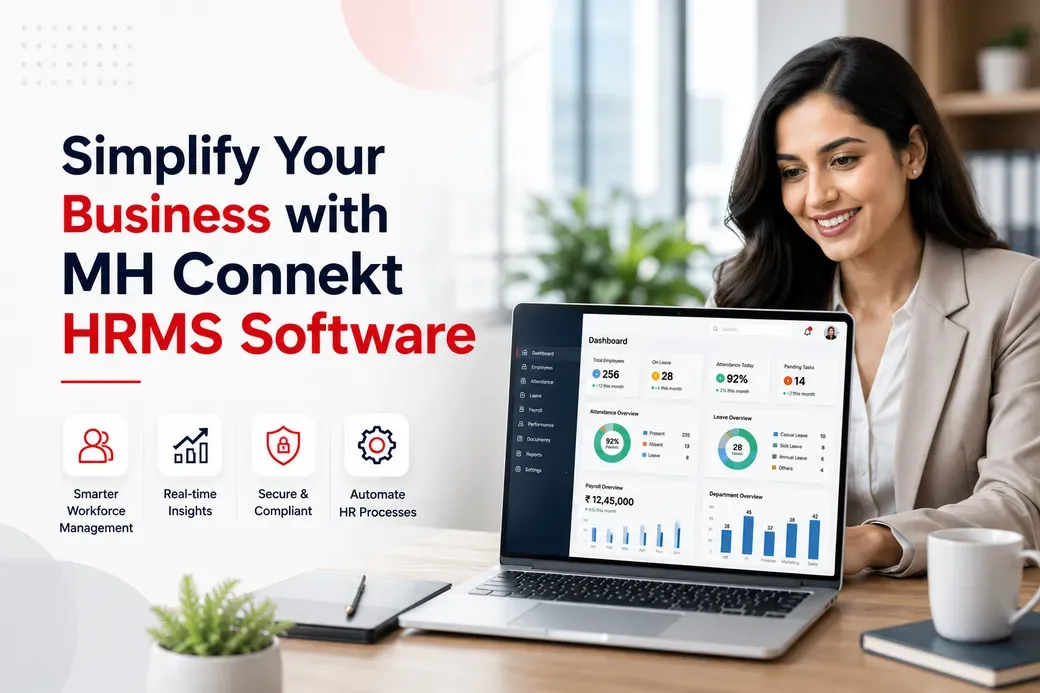
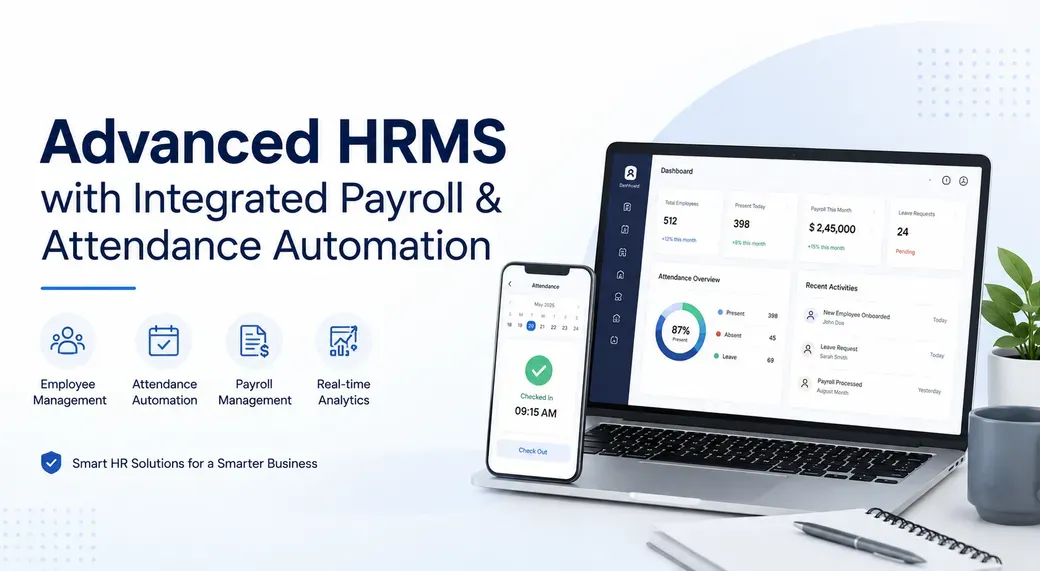
In the rapidly evolving corporate landscape of 2026, the efficiency of a company is no longer measured just by its output, but by how effectively it manages its most valuable asset: people. As organisations scale, manual tracking of attendance, payroll, and performance becomes a bottleneck. This is where robust HRMS software becomes a non-negotiable asset for business growth. At MH Cognition , we understand that HR is the heartbeat of any organisation. To help businesses thrive in a digital-first world, we developed MH Connekt —a comprehensive platform designed to automate complex processes and foster a more engaged workforce. What is HRMS Software? For those just starting their digital transformation journey, a common starting point is asking: what is HRMS software ? A Human Resource Management System (HRMS) is an integrated suite of software applications used to manage HR and related processes throughout the entire employee lifecycle. From recruitment and onboarding to payroll and retirement, it acts as a single source of truth for all employee data. Key HRMS System Features to Look For Not all platforms are created equal. When evaluating your options, you must ensure the technology aligns with modern standards. High-performing systems should include essential HRMS system features such as: Automated Payroll: Eliminating manual calculation errors and ensuring tax compliance. Attendance & Leave Management: Real-time tracking with biometric or geo-fencing integration. Employee Self-Service (ESS): Empowering staff to access payslips and request leave without HR intervention. Performance Tracking: Moving away from annual reviews to continuous feedback loops. The Power of the Cloud One of the biggest shifts in recent years is the move away from on-premise installations. Choosing cloud-based HRMS software offers unparalleled flexibility. With a cloud-native platform like MH Connekt , your HR team can manage a global or remote workforce from anywhere, at any time, with 100% data security and real-time updates. Why India is Leading the HR Tech Revolution The demand for localised, compliant, and scalable tech has led to a surge in innovation. Identifying the best HRMS and payroll software in India involves finding a partner that understands local labour laws and statutory requirements. MH Connekt stands out by offering a localised experience that handles Indian payroll complexities—like PF, ESI, and PT—with automated ease. Tangible Benefits for Your Organisation Investing in professional software isn't just about "going digital"—it’s about results. The benefits of HRMS software include: Reduced Administrative Costs: Automating repetitive tasks allows your HR team to focus on culture and strategy. Data-Driven Decisions: Use advanced analytics to identify turnover trends and hiring gaps before they become problems. Improved Employee Experience: A smooth, digital onboarding and self-service experience increases overall job satisfaction. Conclusion: Transform with MH Connekt The goal of technology is to make work more human. By removing the "paperwork" from HR, you allow your leaders to focus on "people work." At MH Cognition , we invite you to experience the next generation of workforce management. Whether you are a startup or a large enterprise, MH Connekt is built to scale with you. Don't let manual processes hold your company back. Embrace the future of smart HR today. Visit us: https://mhcognition.com/connekt

Read More