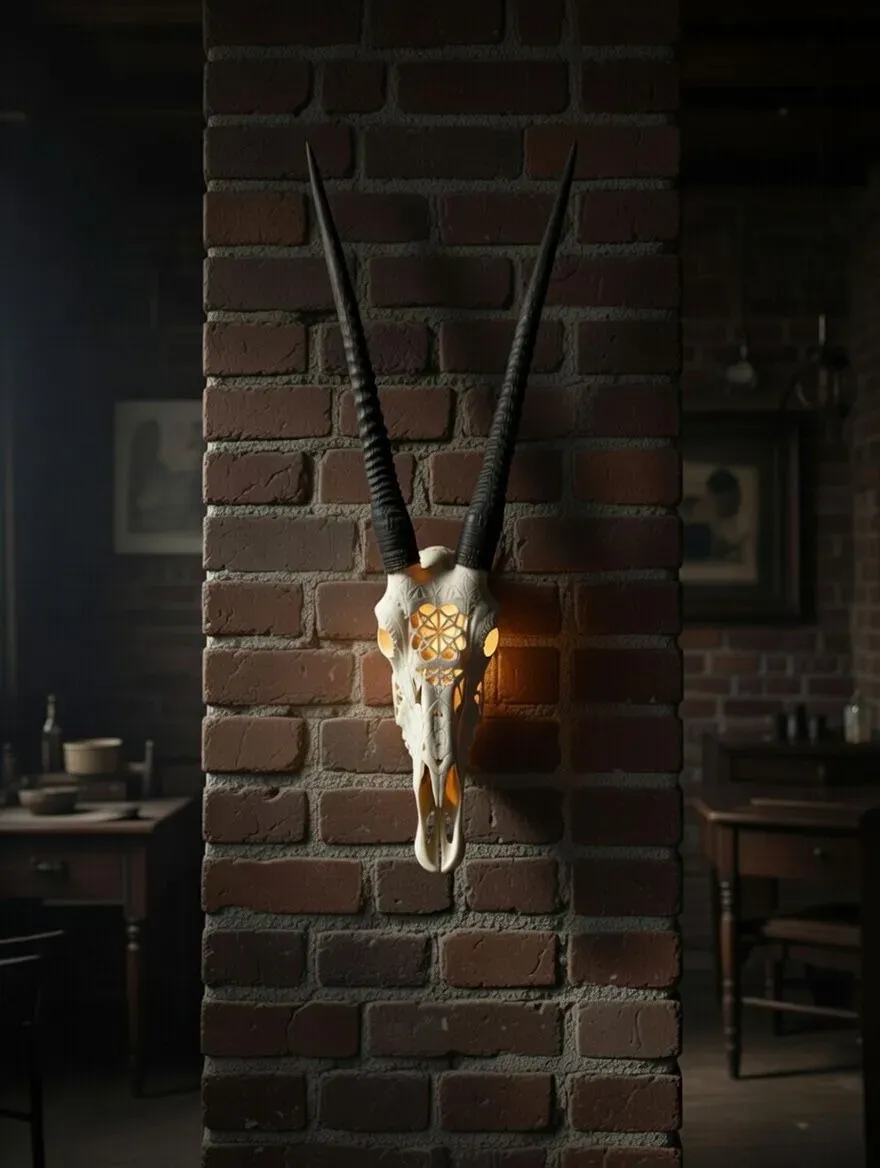
Namibian Artistry in Carved Skulls
Discover exquisite, ethically sourced carved animal skulls from Namibia, perfect for interior designers, lodge builders, collectors, and enthusiasts. Each piece tells a unique story, handcrafted with passion and precision. Contact us to commission your bespoke art piece today.
Unique Carved Animal Skull Artworks
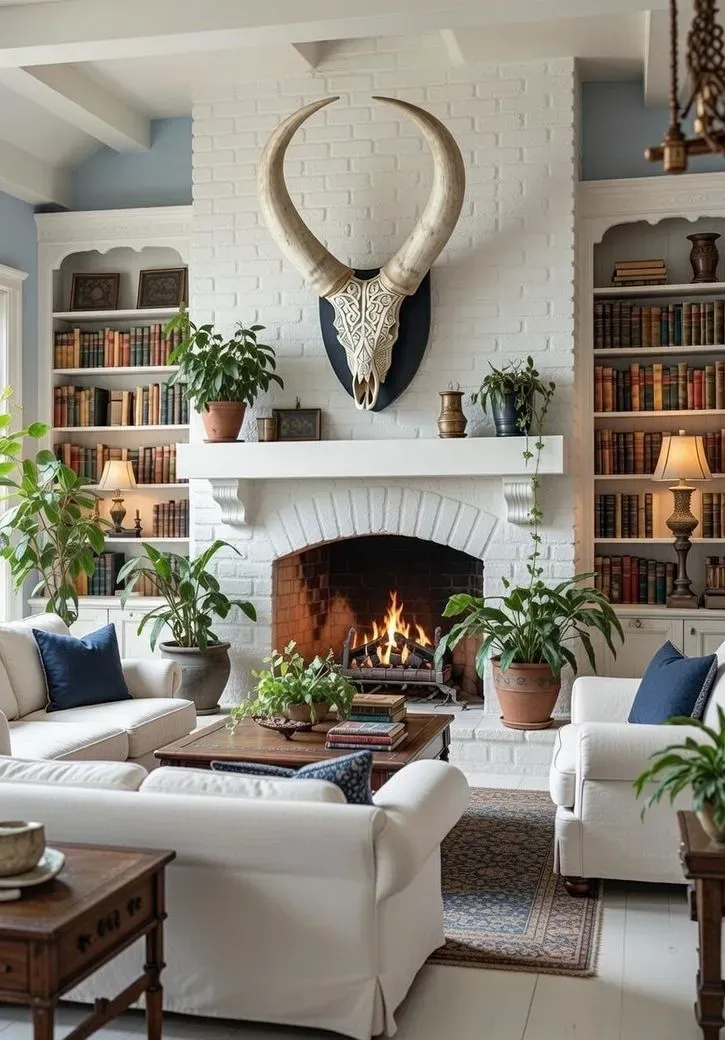
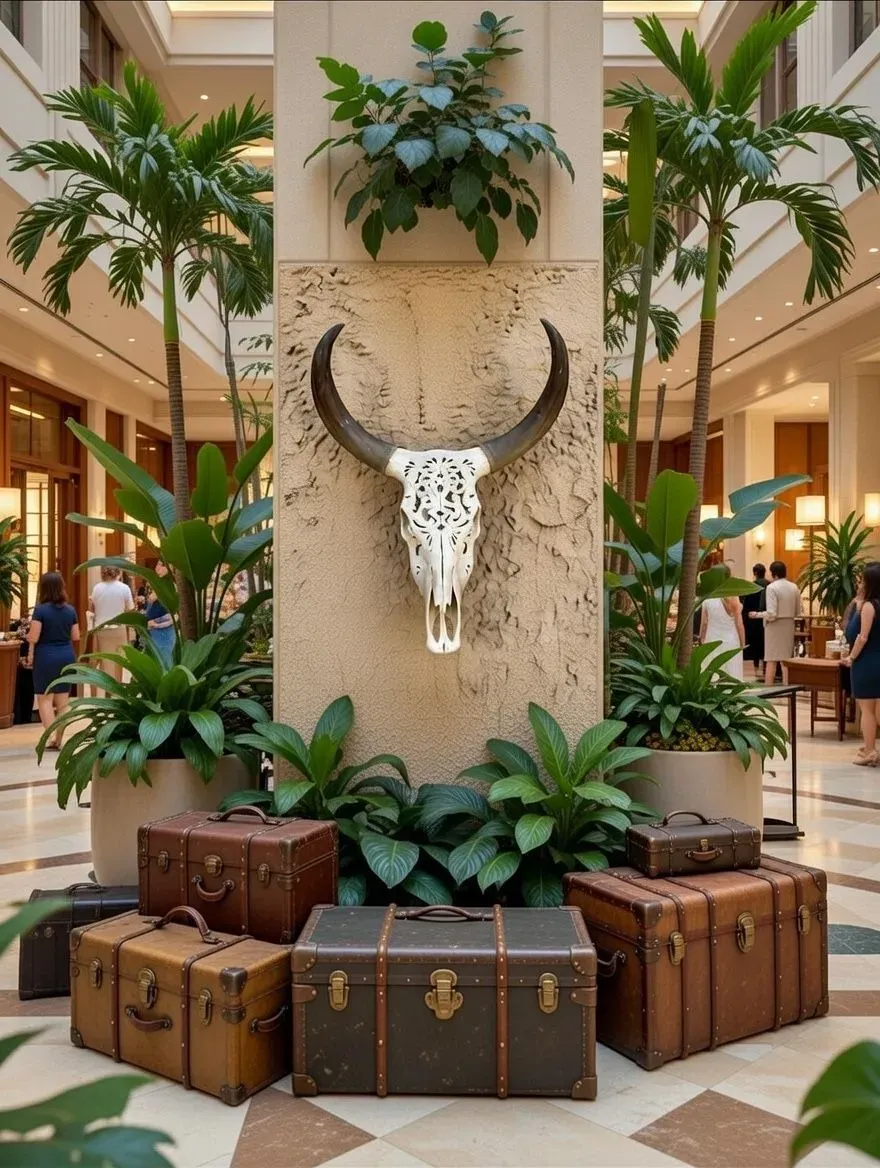
Decorative Lodge Art
Art pieces specifically designed to enhance the ambiance of lodges, merging natural beauty with artistic craftsmanship.
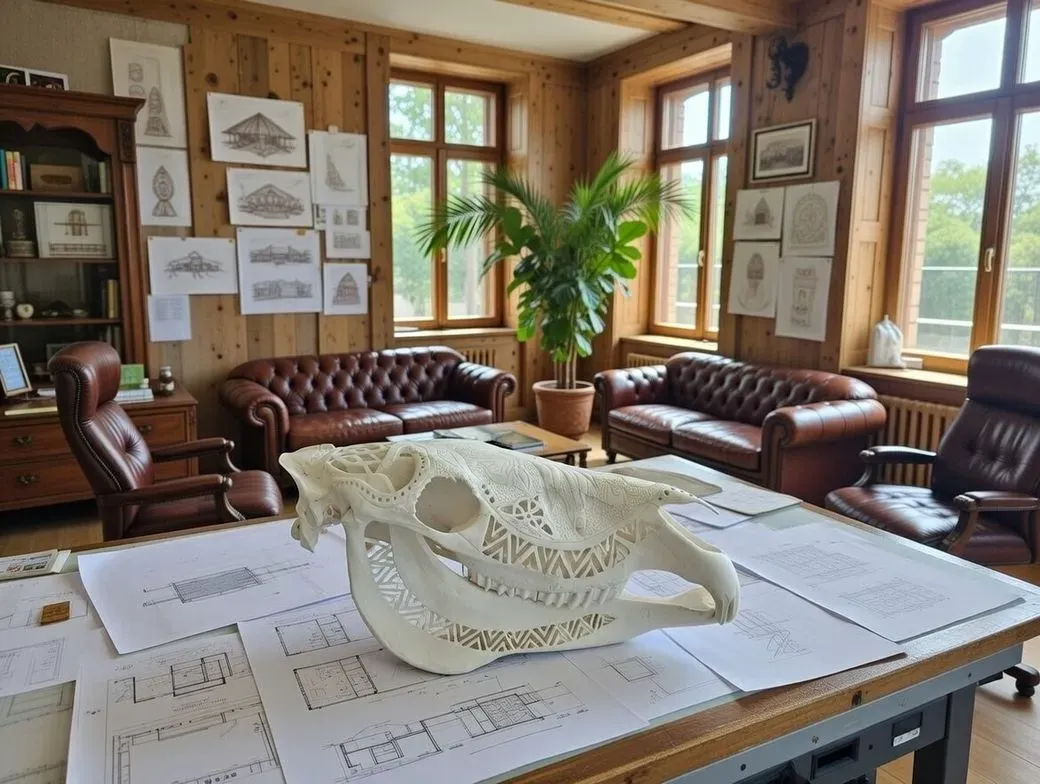
Art Collectors
Unique carved skull installations tailored for decorative projects, adding a distinctive cultural and natural element.
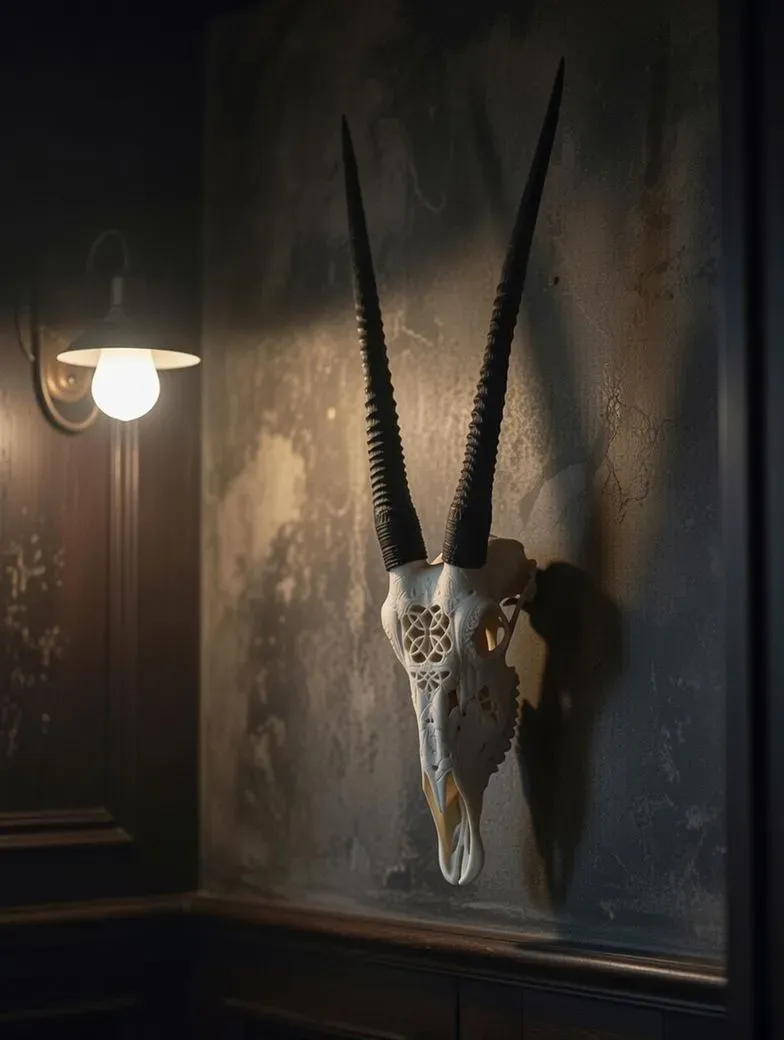
African Luxury Safari and Hunting Collectors
Curated for hunting safari outfitter spaces and African art collectors, this piece blends ancestral symbolism with contemporary refinement. A statement of heritage, restraint, and luxury—designed to complement safari lodges, private collections, and interiors rooted in the African landscape.
Gallery
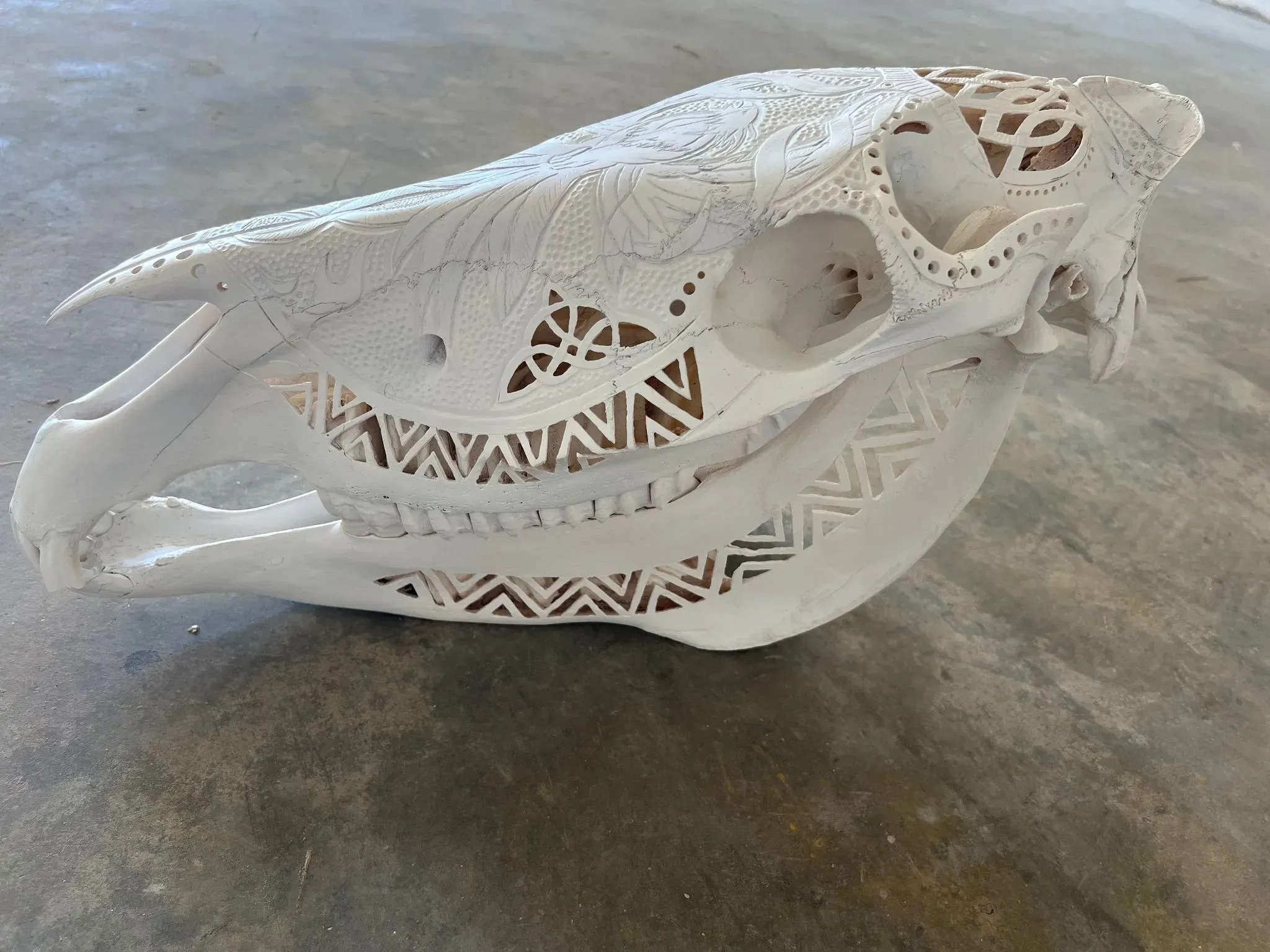
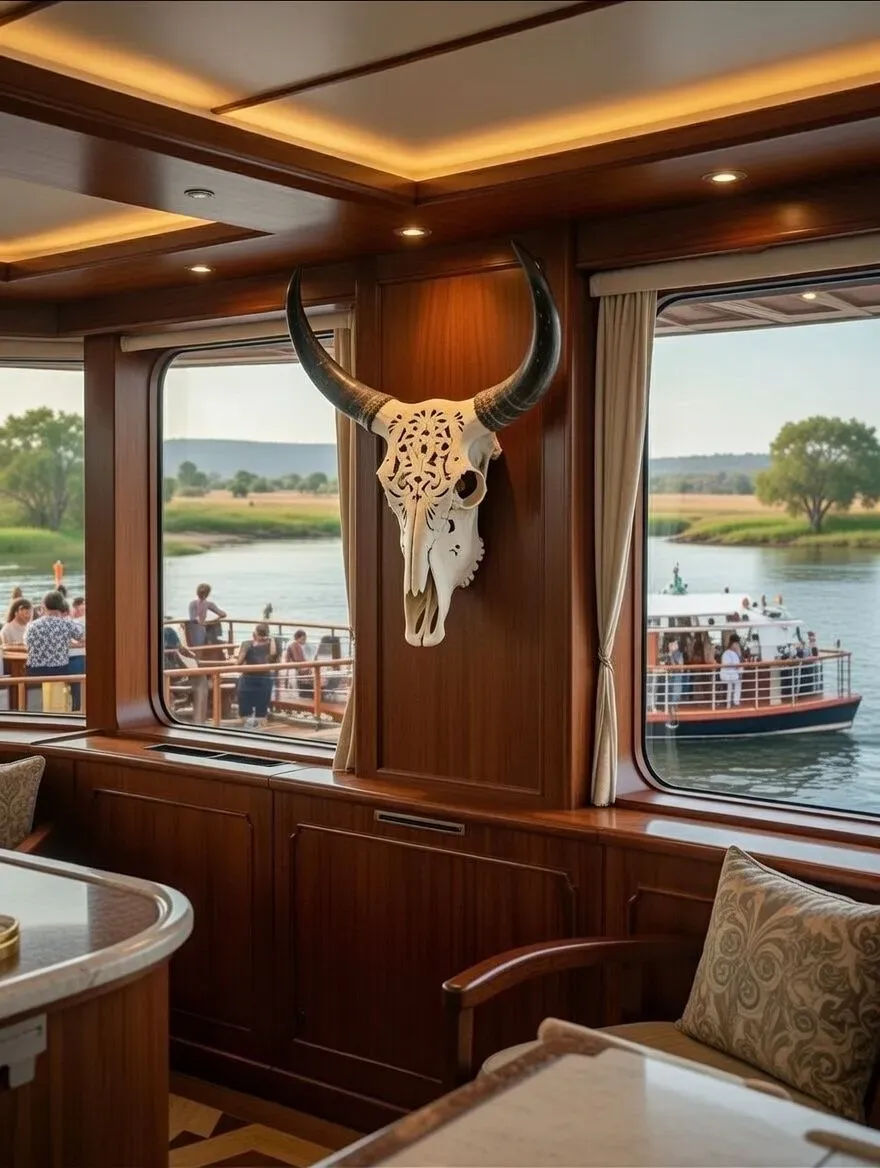
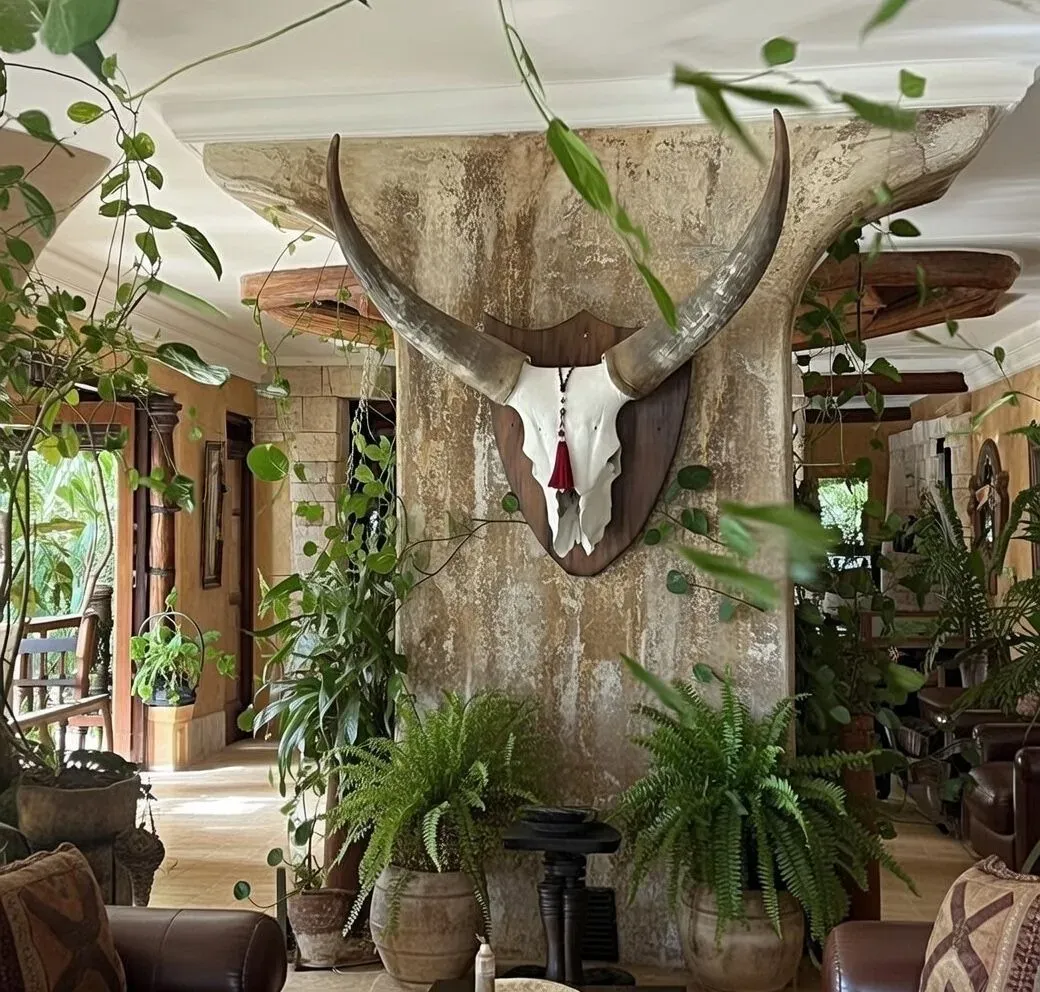
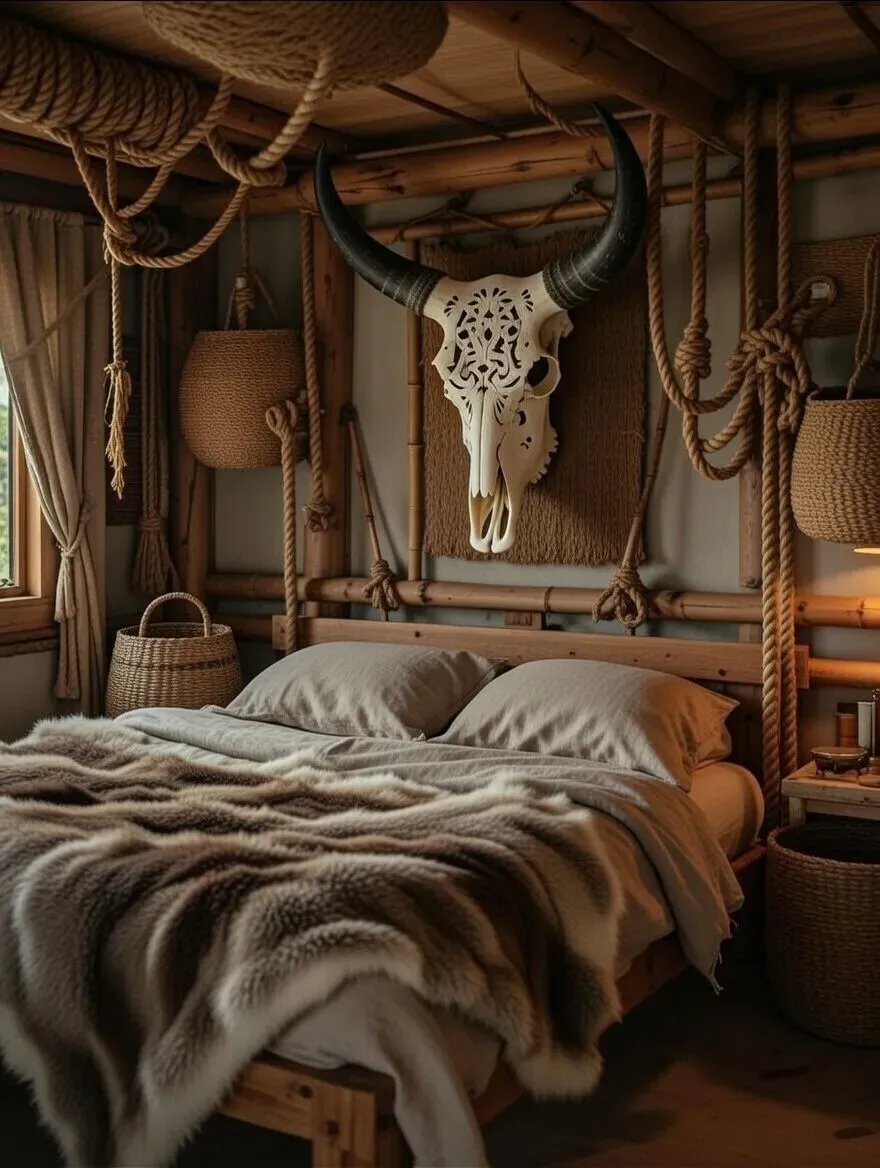
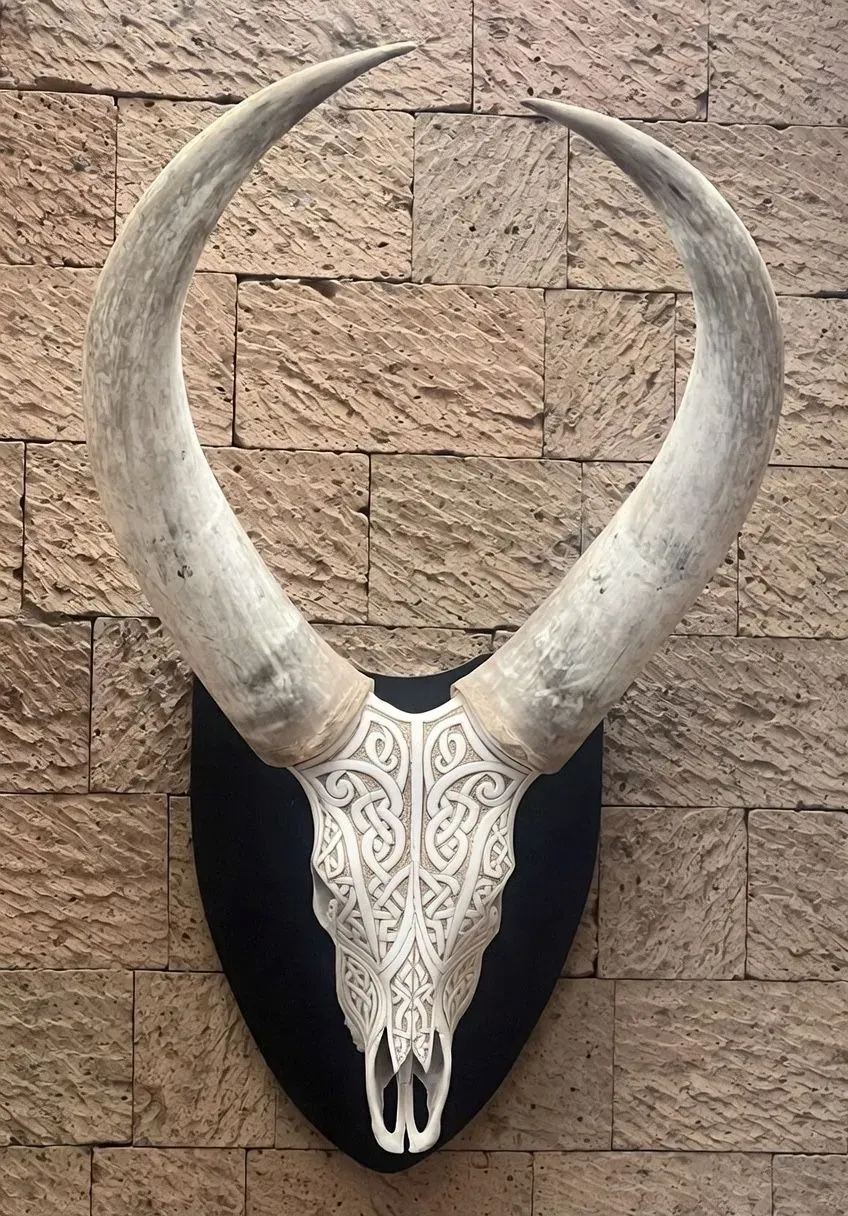
Nature's art, carved with soul and spirit.
Discover unique elegance today!
Frequently Asked Questions
Are these real animal skulls, and what animals are they from?
Yes, every piece is a 100% authentic, real bone skull hand-carved from African cow (bovine) or antelope skulls. These aesthetically sourced from Namibian Taxidermi. Each skull features intricate, one-of-a-kind carvings like Celtic knots, mandalas, geometric patterns, or custom designs, preserving the natural bone texture and horns where present.
What types of animal skulls do you carve?
I specialise in carving various animal skulls, including Cow, Springbok, Zebra, Oryx, Blue Gnu, Kudu, Hartebeest, Impala, Warthog and other ethically sourced Namibian wildlife.
How are the skulls ethically sourced? Is this legal?
All skulls are ethically sourced as byproducts of taxidermist. They come from licensed, legal suppliers compliant with international wildlife trade regulations non-CITES . We prioritize transparency—no endangered species are used. If you're in a specific country, check local import rules for animal bone items, but most are straightforward for decor/art purposes.
What is the typical turnaround time for a carved skull?
Turnaround times vary depending on the complexity of the piece, but I will provide an estimated completion time upon consultation. On average, one piece involves about 80 - 100 hours of carving time.
Can I customize a carved skull to fit my design needs?
Absolutely. I work closely with clients to customize carvings according to their specific design preferences and requirements.
How can I place an order or inquire about a piece?
Clients are encouraged to contact me directly via the contact details provided on the website for orders and inquiries.
Discover the Artistry of Daniël Bezuidenhout: Unique Carved Animal Skulls from Namibia
Exceptional Craftsmanship Rooted in Namibian Heritage
At Daniël Bezuidenhout - Artist, located in the heart of Swakopmund, Namibia, we specialize in the creation of exquisitely carved animal skulls that celebrate the natural beauty and cultural heritage of the region. Each piece is meticulously handcrafted, showcasing the intricate artistry and deep respect for wildlife that defines our work. Our creations are not merely decorative, but are expressions of Namibia's rich biodiversity and artistic tradition, making them a captivating addition to any space.
Exclusive Offerings for Interior Designers, Lodge Builders, and Enthusiasts
We cater to a discerning clientele including interior designers, lodge builders, architects, and art enthusiasts who seek unique, ethically sourced skulls, created into art pieces to enhance their projects and collections. Our range includes everything from elegantly simple springbok skulls to complex, fully detailed zebra skulls, each piece telling its own story through masterful carving and design. Whether you are looking for a striking focal point or a subtle accent, our work brings an unparalleled blend of nature and art to your environment.
Ethical Sourcing and Personalised Client Engagement
Committed to ethical practices, all animal skulls used in our art are sourced responsibly within Namibia, ensuring sustainability and respect for wildlife. We encourage potential clients to reach out directly to discuss their specific needs and preferences, enabling us to provide personalised service and bespoke creations that perfectly align with your vision. Experience the unique fusion of art and nature with Daniël Bezuidenhout - Artist, where every carved skull is a masterpiece waiting to enrich your space.
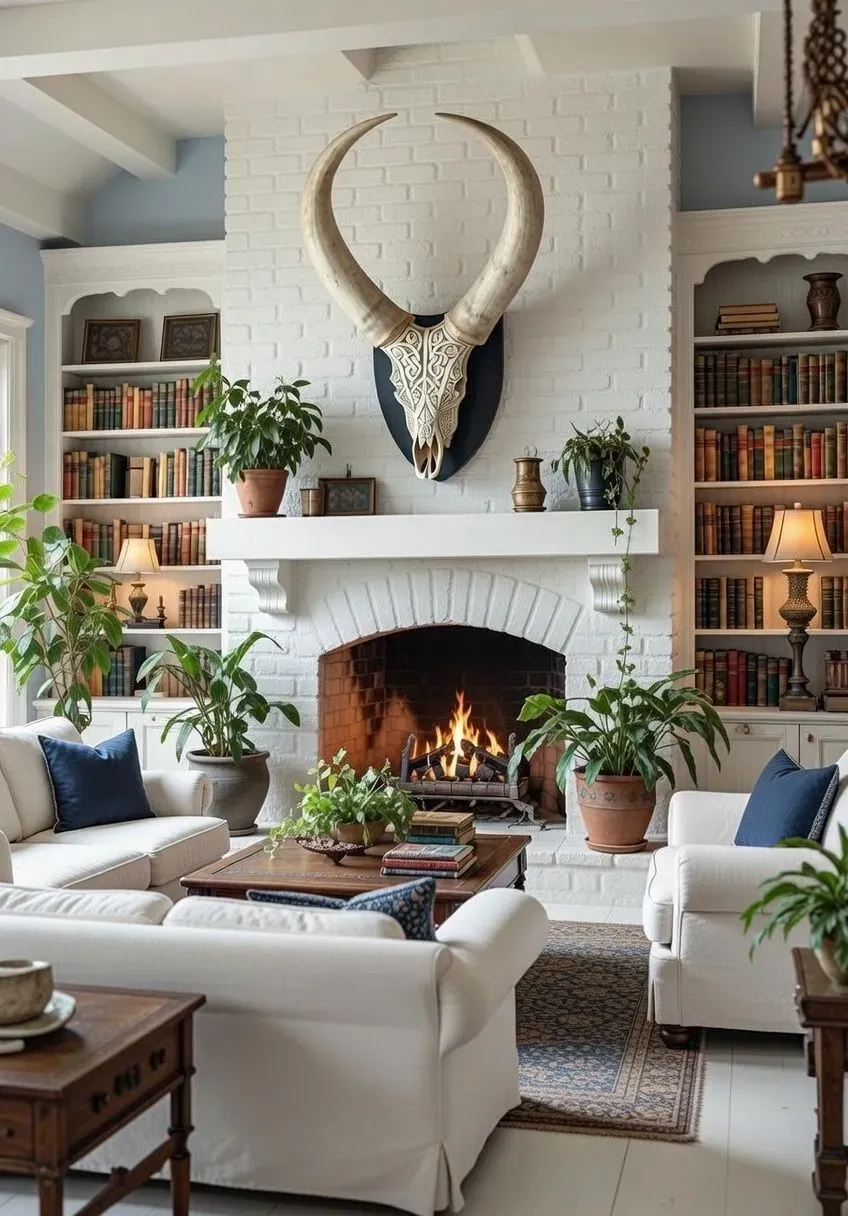
The Unique Craftsmanship of Daniël Bezuidenhout: Elevating Interiors with Ethically Sourced Carved Animal Skulls
DIEDERICK DANIËL BEZUIDENHOUT
Skull Carver · Painter · Namibian
Swakopmund, Namibia
ARTIST BIOGRAPHY
Diederick Daniël Bezuidenhout — known to all as Daniël — is a South African-born, Namibian artist whose life has been shaped by decades of movement, observation, and a profound reverence for the stories that bone, pigment, and dust can hold.
Born in South Africa and bearing a name inherited from her grandfather, Daniël left her country of birth in 1994, embarking on an extraordinary chapter that would take her — alongside her husband — across the length and breadth of the African continent. Nigeria, Ghana, Uganda, Kenya, the Ivory Coast, Sierra Leone, Ethiopia, Zambia, Benin: each country left its mark. Each market, ceremony, and carved object became part of her artistic education.
It was in Ghana, during three separate residencies spanning eight years, that Daniël formally studied painting under the renowned Canadian-Ghanaian artist Nicholas Kowalski and Professor Glover, both celebrated figures in Accra and internationally. Her canvases — large, emotive, unrealistic in the most intentional sense — pursue the raw emotional truth visible in the faces of women and old men. Daniël's paintings are in private collections in France, Canada, and Ireland. Her photographic study of African Culture-works are on display in Mexico.
Across West and East Africa, Daniël immersed herself in the study of African cultural tradition: sculpting, printed and woven textiles, the symbolic language of colour, and the rituals of naming ceremonies, birth, marriage, and death. She traveled extensively through all regions of Nigeria and across Kenya, Uganda and East Africa, absorbing the deep significance that animals — cattle, donkeys, goats — hold in the lives and ceremonies of indigenous communities. These creatures are not merely livestock. They represent wealth, love, mourning, and continuity.
Daniël arrived in Namibia for the first time in 2003. She has lived here for several years, holds permanent residence, and became a Namibian citizen in 2022. It was here, in the arid north of the country, that a recurring sight moved her profoundly: cow skulls, donkey skulls, and goat skulls lying abandoned in the sand or nailed to trees — remnants of lives that carried immense cultural and spiritual meaning, now forgotten. That image refused to leave her.
She had already begun exploring skull carving in Kenya, working initially with rudimentary hand tools. It was raw and unforgiving work — bones splintered and cracked. Over time, Daniël refined her practice, eventually working with a precision Dremel rotary tools, specialised diamond drill bits and the transformation was extraordinary. What began as necessity became mastery.
Six years on, Daniël is recognised as the only artist in Namibia practicing fine skull carving of this kind. Her style draws not from African figurative tradition — she is firm on this — but from Celtic interlace, Old Norse ornamentation, and the ancient bone-carving heritage of the Viking era, traditions with a genuine and storied relationship with carved bone. The result is a wholly original visual language: ancient European intricacy meeting African form, in the dust of Namibia.
Each skull is unique by nature. The markings of the bone, the suture lines, the age and condition of the material — these are, as Daniël describes them, like fingerprints. No two skulls will ever be alike, and she works with, not against, each skull's individual character. Cracks are mended with epoxy. Fragile sections are reinforced. A single skull can demand between 80 and 100 hours of carving time, and Daniël completes no more than one or two per month.
She sources her skulls exclusively from a professional taxidermist in Otjiwarongo, receiving them already cleaned and prepared. She does not hunt. She carves only non-CITES listed animals. She operates under a Trophy Manufacturing Permit TD0109/2025 issued by the Namibian Ministry of Environment, Tourism and Forestry, and all her work is conducted in full legal compliance.
At her workshop in the industrial quarter of Swakopmund, the locals have given her a name: The Bones Lady. She considers it a fine title.
Her skull works have been acquired by private collectors internationally, including in Texas and France. She does not seek mass exposure. She does not maintain public social media — she has found that those who do not understand her materials often react with hostility, and she has little patience for noise. Her work speaks for itself, quietly and enduringly.
Daniël believes that when an animal has passed, its life — its endurance, its wildness, its grace — deserves to continue. The carved skull is not a trophy. It is a vessel. "I think," she has said, "when an animal has passed on, there is such beauty in a life lived. When I carve the skull, the animal's story, endurance and grace can continue to be told."
She calls this practice, simply, dust and bones.
ARTIST STATEMENT
I work with what remains.
When I first came to Namibia and saw skulls lying in the dust of the northern landscape — cow skulls, donkey skulls, the remnants of animals that had carried entire families through weddings, births, and funerals — I could not look away. These were not objects of death. They were records of lives of extraordinary meaning. They had simply been left without a voice.
Skull carving is among the oldest art forms humanity has practiced. The Norsemen, the Celtic craftsmen, the artisans of the Viking era all understood that bone holds memory. Their interlace patterns — spiralling, interlocking, endlessly returning — were not decorative. They were a language of continuity, of lives and energies that do not simply stop. That is the tradition I work within. I do not carve the Big Five onto an Oryx skull. There is no relationship there, no truth in it. My patterns emerge from a much older conversation between the human hand, the carved bone, and the unbroken line.
Each skull I receive from my taxidermist in Otjiwarongo is already a document. Its suture lines, the ridges of its brow, the particular curve of its nasal bone and the hollow darkness of its eye sockets — these are its fingerprint. I read the skull before I begin. I mend what needs mending. And then I listen to what it wants to be.
A single skull can take me eighty to a hundred hours. I can complete perhaps one or two a month. I do not rush this. You cannot rush a conversation with something that has already outlasted its owner.
My paintings pursue the same instinct — the emotion that lives in a face, in an eye, in the exact quality of light on skin or stripe. I paint unrealistically, in the most literal sense: I am not interested in documentation. I am interested in what a face feels like. The eye of a zebra at close range is extraordinary. It holds something ancient.
I do not make wall mounted lamps. I create art.
I am not interested in the sensational or the grotesque. I am interested in the beautiful persistence of a life. In the idea that dust is not an ending. In what it means that these skulls — of zebra, of donkey, of cow — survived, and that something can still be said through them.
This is dust and bones. This is what I do.
Daniël · Swakopmund, Namibia · 23 February 2026