The Ultimate White room guide
Why "Calm, Perceptive, Strategic" Beats "Cold and Detached"
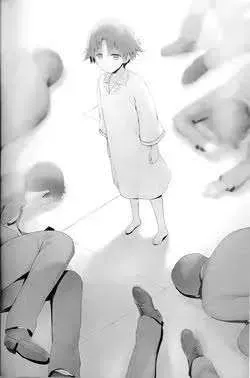
A lot of people are drawn to characters like Ayanokoji from Classroom of the Elite because of a specific cluster of traits: he's unshakeable under pressure, he reads people with unsettling accuracy, and he always seems to be three moves ahead. Those traits are genuinely appealing, and the good news is they're learnable. The part of his backstory that isn't worth copying is the "White Room" — a fictional childhood of isolation and emotional conditioning designed to strip away normal human responses. That's the trauma that explains the character, not a training manual.
The attached 90-day plan is built around the appealing traits, using methods that are actually used in psychology, performance coaching, and risk management — without the isolation or manipulation.
Phase 1: Composure isn't suppression
The biggest misconception about "staying calm" is that it means not feeling anything. In practice, the people who seem unshakeable have the same emotional reactions as everyone else — they've just trained the gap between feeling a reaction and acting on it. Techniques like box breathing work because they directly engage the parasympathetic nervous system, the body's "calm down" system, in a matter of minutes. Pairing that with a simple evening log builds the self-awareness needed for the next two phases — you can't manage a reaction you don't notice.
Phase 2: Reading people is attention, not a superpower
Reading people accurately looks like a special talent, but it's mostly a matter of where your attention goes. Most conversations, people are partly thinking about what they'll say next instead of fully listening. Shifting that balance — toward genuinely observing tone, body language, and what's emphasized or avoided — produces noticeably better "reads" within a few weeks. This is the same skill set behind emotional intelligence, and it's used to understand people better, which tends to make relationships stronger rather than more transactional.
Phase 3: Strategy is just looking a few steps ahead, on purpose
Strategic thinkers aren't running some complex internal simulation most people can't access — they're taking a brief, deliberate pause to consider a few options and likely outcomes before committing. Pre-mortems (asking "what could go wrong, and what would I do about it?") are standard practice in project and risk management precisely because they catch problems early and reduce anxiety, not increase it. Combined with identifying one high-priority task each day, this phase turns "I'll figure it out as I go" into "I've already thought this through."
The honest caveat
If, while working through this, you notice yourself pulling away from people, suppressing emotions rather than regulating them, or starting to see relationships as things to manage rather than connections to have — that's worth pausing on. The traits that make someone like Ayanokoji compelling as a character come from a place of deep isolation. The traits that make someone genuinely effective and well-regarded in real life come from the opposite: enough self-awareness and security to engage with people fully, not from a distance.
THE FILE LINK
Google Drive :-
https://drive.google.com/file/d/1wkFae1gHvGZoaiYU2nxUKxlM3mcBLy2O/view?usp=sharing