
Explore the effects of horse poo on peat, and later in September 2025, we will start to explore the unique blend of peat restoration and art with Tina Marshall Consultancy Ltd. based in Wick, Scotland. Discover how we restore natural peatlands while inspiring creativity through art.
Restoring Peat, Inspiring Art
At Tina Marshall Consultancy Ltd., based in Wick, Scotland, we combine passion for peatland restoration with creative art to nurture nature and culture. Join us on a journey to heal the earth and ignite imagination through sustainable practices and artistic expression.
Our Services

RESOURCES
We wrote Elements of the Environment - Peat after our trip to Cudillero.
We travelled to the Dungannon Peatlands in Northern Ireland and to Spain to Cudillero and to the Donana National Park.

FITBIT FOR SCOTLAND
We started to build the Fitbit for Scotland. The how to guide is here
Engage local communities with workshops and educational programs on peatland conservation and sustainable practices.
Gallery
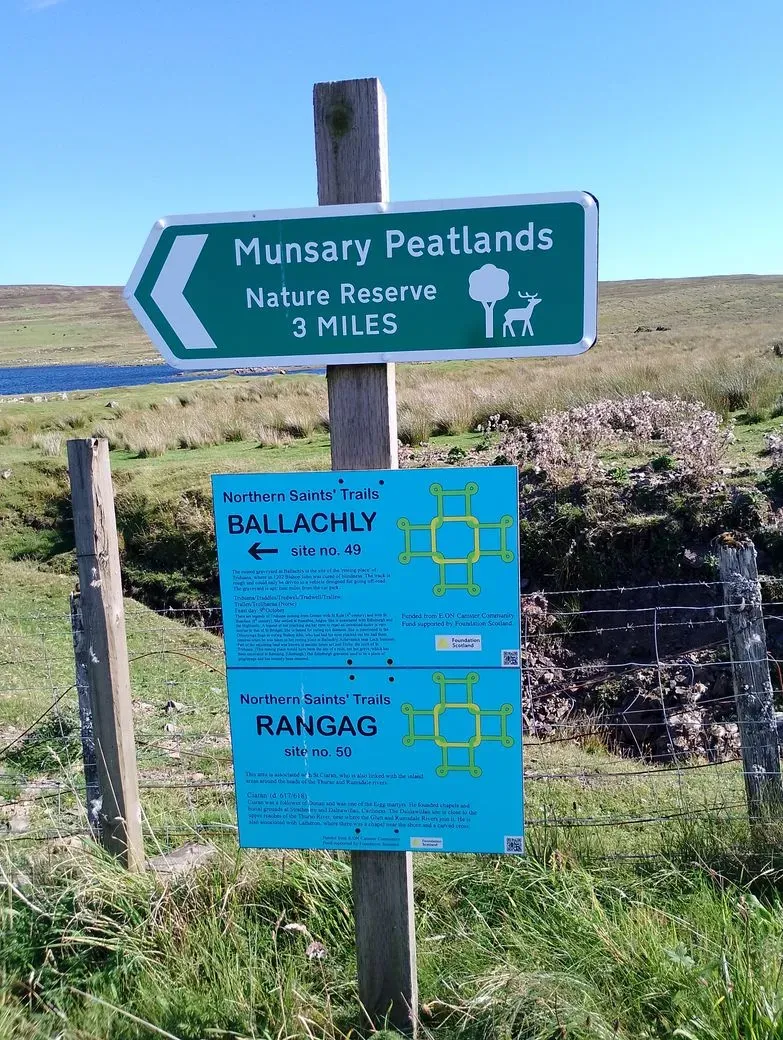


1 / 6
Restoring peat, creating art, nurturing nature's future.
Join our journey of growth!
Horse poo and peat
Reviews
1 / 2

Restoring Nature and Inspiring Creativity with Tina Marshall Consultancy Ltd.
Expertise in Peatland Restoration
Tina Marshall Consultancy Ltd., based in Wick, Scotland, specializes in the vital field of peat restoration. Peatlands are crucial ecosystems that act as significant carbon sinks and support diverse wildlife. With a deep commitment to environmental sustainability, our consultancy offers expert services to restore damaged peatlands, helping to combat climate change and preserve natural habitats. Our team employs the latest scientific methods and innovative techniques to ensure the successful rehabilitation of these precious landscapes.
Our Unique Blend of Art and Environmental Stewardship
What sets Tina Marshall Consultancy Ltd. apart is our unique integration of art with peat restoration. We believe that art can powerfully communicate the importance of environmental conservation and inspire communities to take action. Our projects often include artistic elements that reflect the beauty and significance of peatlands, creating a meaningful connection between nature and people. This distinctive approach not only raises awareness but also enriches our restoration initiatives with creativity and cultural relevance.
Comprehensive Services Tailored to Your Needs
We offer a comprehensive range of services including site assessment, restoration planning, implementation, and ongoing monitoring. Our consultancy works closely with landowners, local authorities, and environmental organizations to deliver customized solutions that meet specific ecological and community goals. At Tina Marshall Consultancy Ltd., we prioritize collaboration, innovation, and excellence in every project, ensuring that each peatland we restore thrives for generations to come. We are currently making paint from plants, sphagnum moss and ragwort. Dyeing with Ragwort
September 23, 2012 by Heidi 13 Comments
Ragwort (Senecio jacobaea)
"Here in the UK ragwort is classified as a noxious weed. Around here there’s a huge abundance of this plant, it just gets everywhere. And I must admit, I rather like it. If you ignore all the things that make it so notorious (it spreads like wild fire, it is poisonous, particularly to horses), I think it is rather pretty.
Although it is a plant that even people with a very relaxed attitude to weeds should really get rid, it can be used for dyeing, so I have allowed some of them to grow in my garden. My logic was that if you pick it before it sets seed, there can be no harm (although this nearly caused a neighbourly dispute as my neighbour gets palpitations every time he sees them in my garden).
So as much for good neighbourly relations as for the sake of a dyeing experiment, a few weeks ago I finally picked all the ragwort plants I could find in my garden. This was quite a few large plants, perhaps a kilo in total. I separated the flowers from the stems and boiled them separately for about an hour.
I mordanted wool with alum and copper, and then after dyeing modified the results with acid, alkali and iron. I don’t use copper modifiers because this creates too many problems with disposing of the dye liquid (however, when I mordant with copper I keep reusing the same liquid over and over again, just adding more copper and vinegar when it is exhausted, so disposal is not such an issue).
Sadly, the results weren’t hugely exciting. Regardless of the method, all I got was different shades of beige. With the ragwort flowers I got lighter, more yellowy sort of beige and with the stems I got slightly darker sort of beige, more like a light brown, particularly with a copper mordant.
The acid and alkaline modifiers did not make much of a difference, so I wouldn’t say they’re worth the effort. However, an iron modifier did make the colours darker, as expected."
Frequently Asked Questions
Where is Tina Marshall Consultancy Ltd. located?
We are based in Wick, Scotland, serving clients locally and across the UK interested in peat restoration and environmental art.
What types of art projects do you create?
Our art projects include landscape art, installations, photography, and mixed media works that reflect peatland themes and environmental messages.
How do I contact Tina Marshall Consultancy Ltd. for consultancy services?
You can contact us via our website contact form, email, or phone. We welcome inquiries and look forward to discussing your peat restoration and art project needs.