Corolla - a small wreath
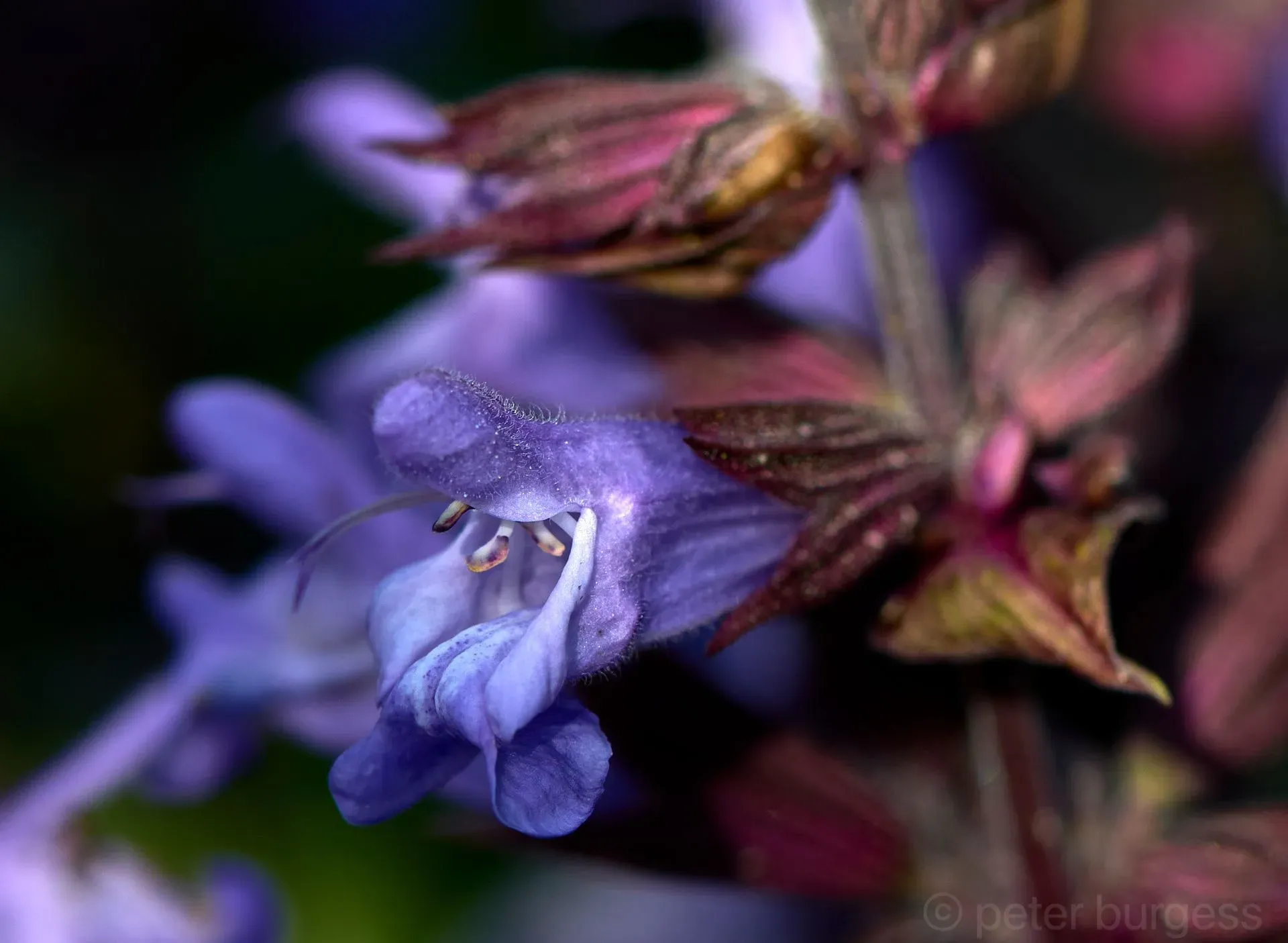
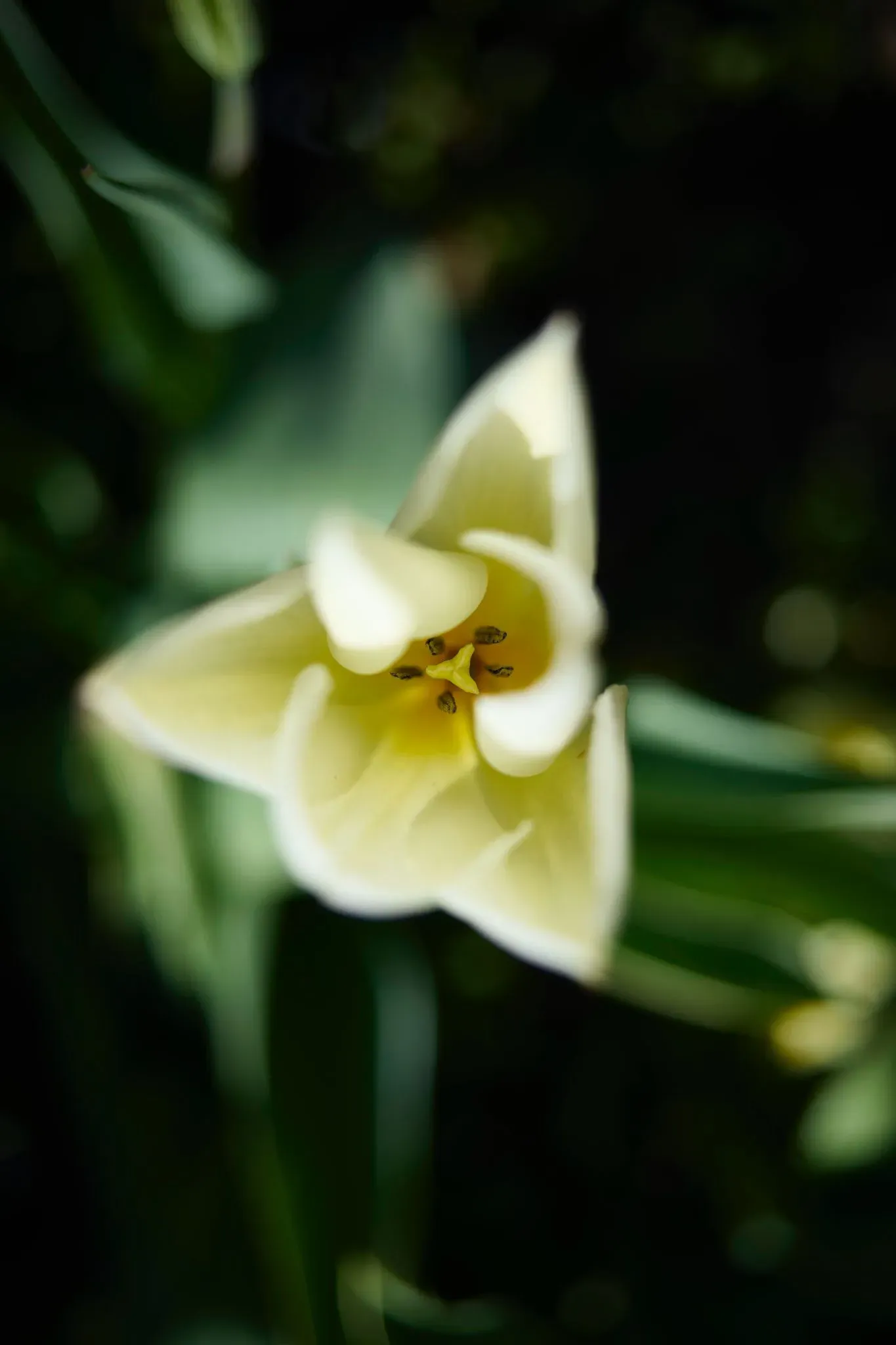
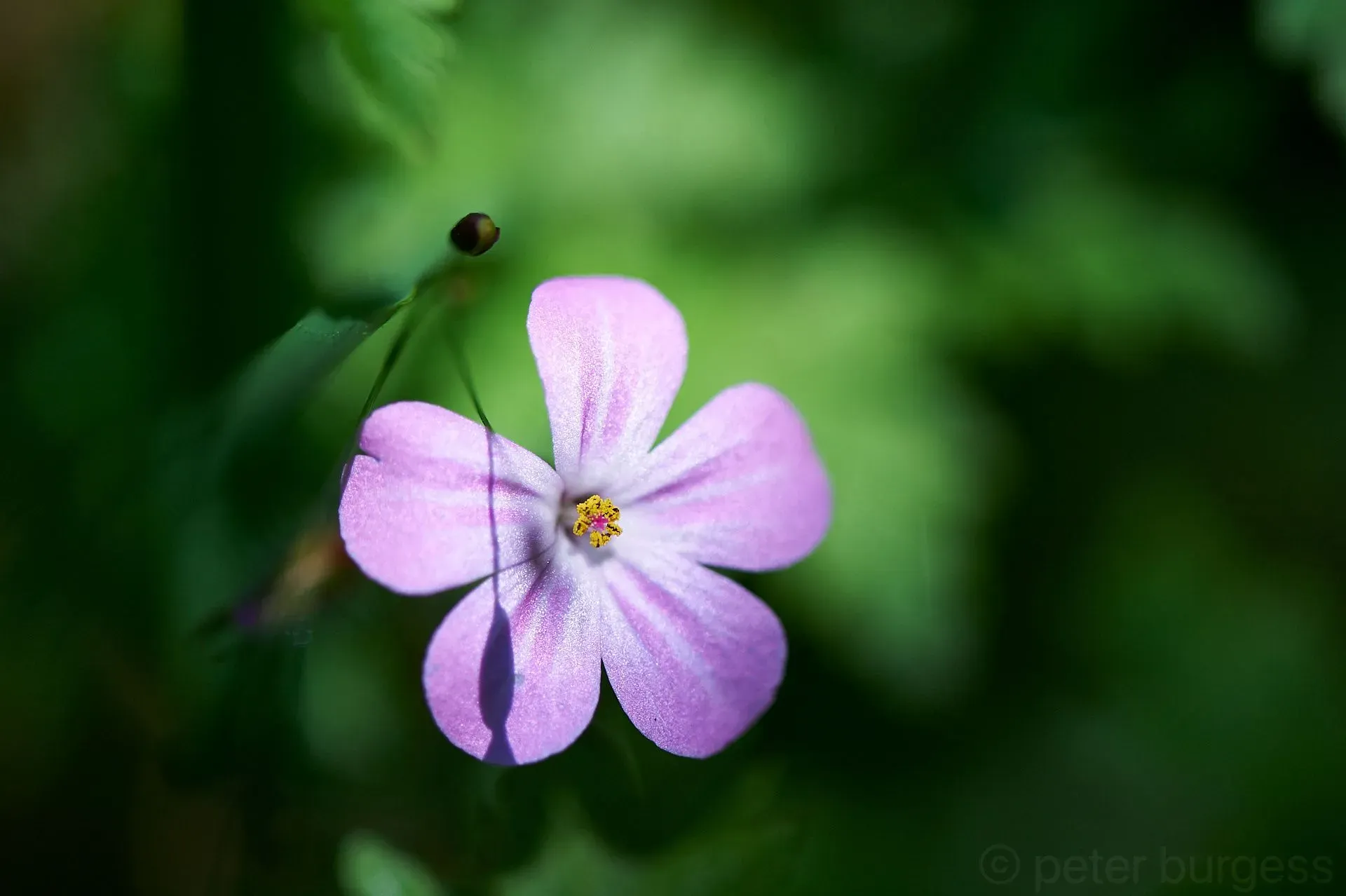
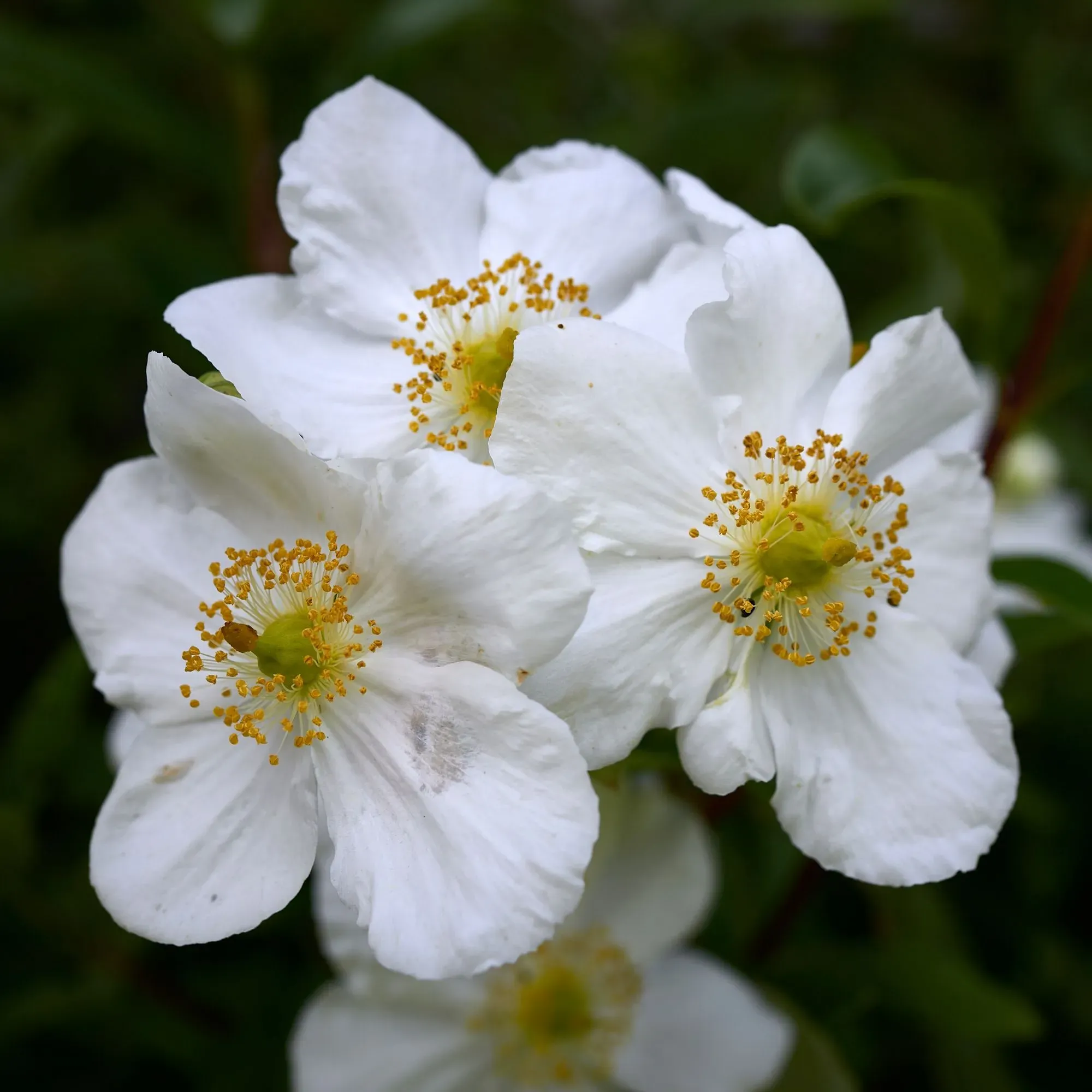
Corolla, from the Latin for "small wreath," is the collective term for a flower's petals, forming the second whorl within the calyx.
The stamen, carpel, and corolla constitute the core functional and aesthetic components of flowers, balancing reproductive necessity with intricate structural beauty. These parts work together to ensure pollination, often featuring specialised shapes, vibrant colours, and unique textures evolved to attract specific pollinators. Scent also plays a crucial, often primary, role in insect pollination. John Innes Centre
The German photographer Karl Blossfeldt (1865–1932) pioneered macrophotography using a camera of his own design with a metre-long accordion-like bellows that connected the lens to the camera. Increasing the distance between the lens and the photographic plate inside the camera made it possible to capture extreme close-ups of his subjects.
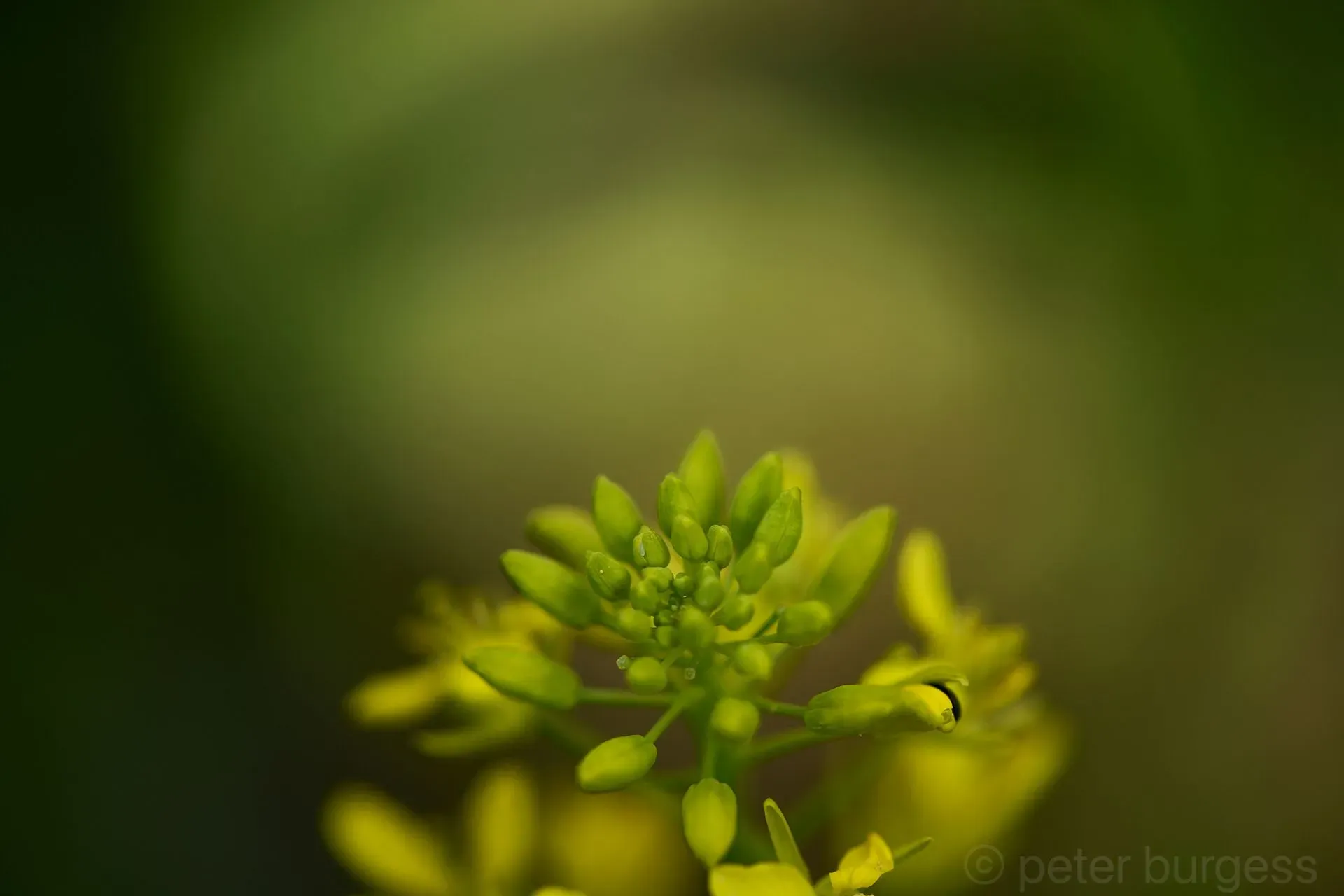
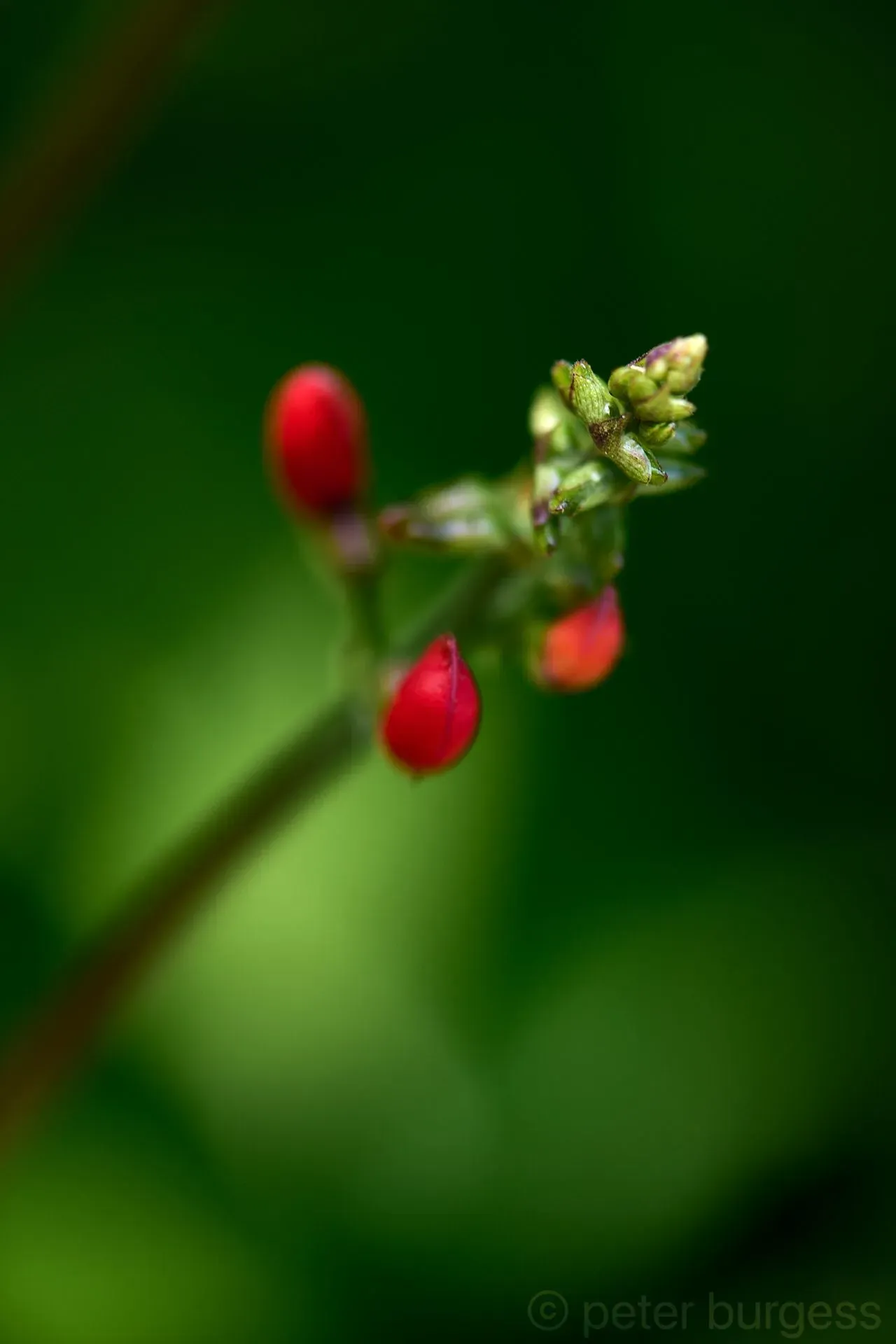
My favourite lens for plant photography is a very small and sharp 35mm prime coupled with a 14mm extension tube — same principle as the bellows but only 15mm long. It is lightweight and fast so can be used handheld. Without the extension tube I get context, and with the extension tube fitted I get the intimacy of the stamen and carpel selectively in focus whilst the surrounding corolla is abstracted.
Blossfeldt amassed over 6,000 photographs before bringing his work to public attention in 1928 with his seminal publication, Urformen der Kunst (Art Forms in Nature). International Center of Photography