Best Gravel for Erosion Control: Pavers vs. Gravel Paths Explained
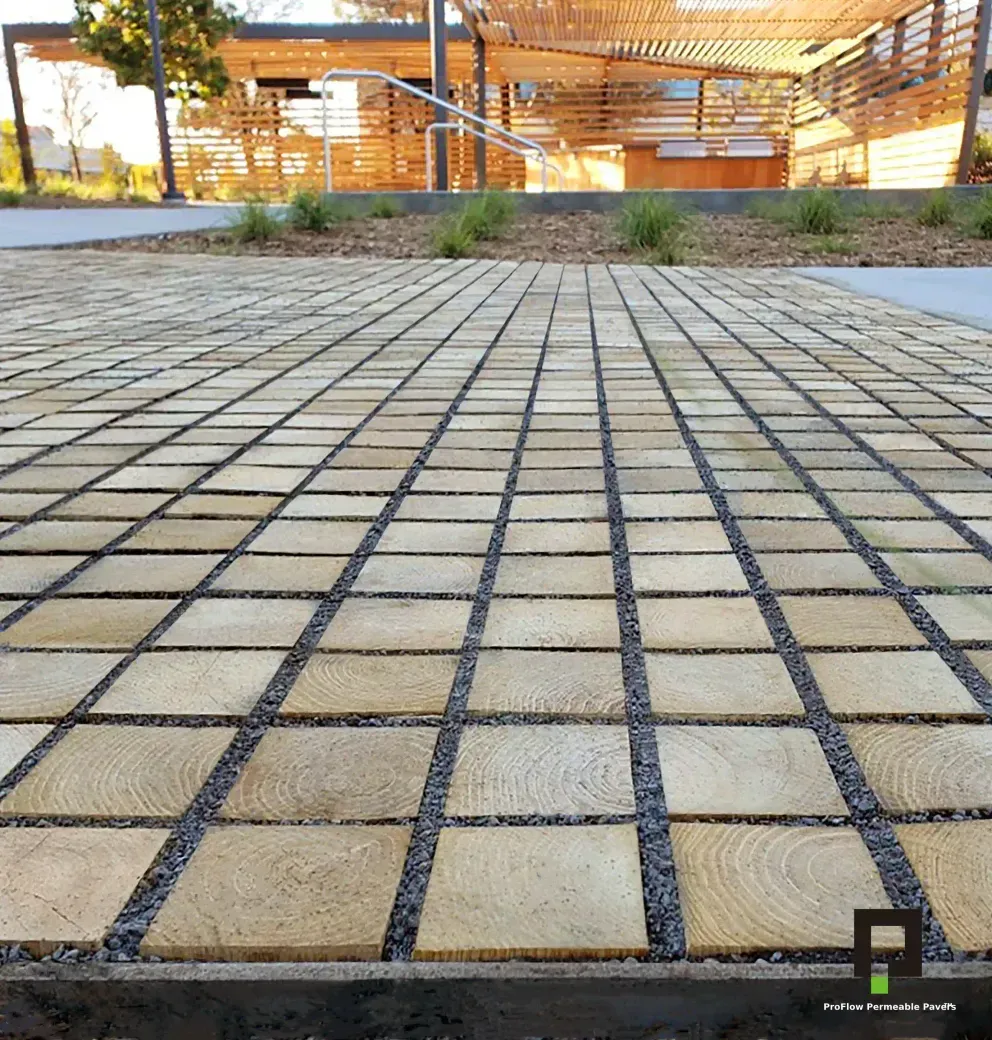
Introduction Selection of the appropriate material in the construction of pathways, driveways, and other landscape structures is very crucial in case of soil erosion. The effects of rainfall, runoff water, and the impact of foot traffic can lead to washing away of the soil, leaving behind uneven ground and increased maintenance fees. Most homeowners look for the best gravel for erosion, assuming that it is the best material to use. Comparison of the two materials in terms of their properties and benefits has become significant due to the growing popularity of sustainable landscaping. In this article, we discuss the pros and cons of the two materials and how ProFlow Pavers offer a perfect solution. The Principles of Erosion Control Erosion happens when water, wind, or traffic washes the soil away from its location. Outside surfaces are subjected to erosion due to the rainwater washing the topsoil away since poor drainage enables rapid runoff of water, which washes away the topsoil layer underneath walkways and driveways. An efficient erosion control system is expected to: Decelerate water runoff Enable rainwater to enter the ground Conserve the underlying soil layer Ensure sustained stability Necessitate minimum maintenance efforts The decision whether to use gravel or pavers has a major influence on these requirements being met. According to ProFlow Pavers, an adequate surface design is important for the decrease of runoff and prevention of erosion of landscapes. Is Gravel the Most Effective Material? It is easy to see why many people choose gravel since its cost and installation are relatively low. The choice of the most appropriate gravel for the purpose of erosion control requires taking into consideration various factors. Benefits of Gravel Gravel has several advantages: Cheaper installation Natural drainage Easy installation Good choice for an unofficial path in the garden Available in different sizes Some large crushed stones are better than small round gravel since they lock in a better position and do not move even in rainy weather. Drawbacks of Gravel for Erosion Control Despite good drainage, gravel has several disadvantages in places where it rains a lot or gets frequent use. Movement of Gravel Gravel always moves. This is due to rain, car movement, or walking. Washouts in Slope Areas Even the best gravel for erosion control may not work well on a steep slope. The water washes out the particles and gravel. Maintenance Gravel paths usually need: Raking regularly Removing weeds More gravel after rainy weather Reinstalling the edges Laying the surface again This increases the costs of maintenance. Why Permeable Pavers Work Better Contemporary permeable paver systems are specially made to handle stormwater and retain structural stability. In contrast to loose gravel that is washed away during rainfalls, pavers stay fixed on their place letting water go through specially designed joints to a drainage base below. Such an efficient filtration greatly reduces surface runoff which is the primary cause of erosion. Well installed permeable systems allow water to get back to the soil naturally instead of spreading. Comparison of Gravel vs Permeable Pavers Drainage Initially gravel demonstrates good drainage abilities. But with time small particles may settle between stones resulting in decreased permeability. Permeable pavers provide stable drainage properties due to constant guidance of water downward provided by its engineered base layers. Stability Gravel may move because of both traffic and rainfall. Permeable pavers stay immovable because of special design and foundations. Maintenance Even the most effective gravel erosion control systems require regular replenishing. Permeable pavers only require occasional cleaning of joints from dust. Looks Gravel may become uneven due to movement of stones and weeds development. Permeable pavers stay even and well organized for many years. Environmental Advantages One of the most significant advantages of permeable pavements is their positive environmental effect. Unlike conventional pavements that direct the flow of rainwater into storm drains, the permeable system: Fights against flooding Replenishes groundwater Prevents soil erosion Naturally filters out contaminants Facilitates landscape health That is why permeable pavements have become very common for the use in parks, walking trails, residential sites and businesses. When Gravel Is a Good Choice Despite the disadvantages, gravel is a useful material in particular cases. For example, the best gravel for erosion is usually appropriate for: Garden pathways with light traffic Decorative purposes Temporary construction roads Flat sites with little runoff Projects where economy is a concern Proper edging, geotextile fabric and grading can make the work of gravel better, but it will require maintenance anyway. Why Most Projects Opt for ProFlow Pavers For projects that value erosion-resistant properties, ProFlow Pavers provide various benefits. Permeable wood paver systems from ProFlow Pavers are known for: Reducing stormwater runoff Not being susceptible to shifting Allowing natural water percolation Increasing surface longevity Necessitating less maintenance than loose gravel As they form part of a whole permeable system, ProFlow Pavers are capable of stabilizing the ground beneath while shielding the surrounding landscape from erosion. According to data presented by ProFlow Pavers, such systems prove especially efficient in areas characterized by high levels of rainfall or places where longevity is essential. Conclusion Identifying the ideal gravel to use for erosion control will depend on various factors including the landscape, the budget available, as well as maintenance needs. Gravel continues to be an economic option for some uses such as on flat surfaces with little to no traffic. But it may be unstable, prone to washing off and requires maintenance. For projects that need more strength and better protection from erosion, there are clear benefits of using permeable paving systems. With structural strength and efficient drainage, ProFlow Pavers have proved useful in reducing runoff and protecting the soil. Planning your next project, whether it is pathways, driveways or landscapes, you will be able to make informed decisions on how to go about erosion control.