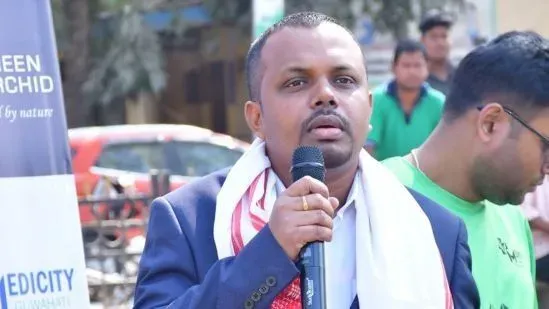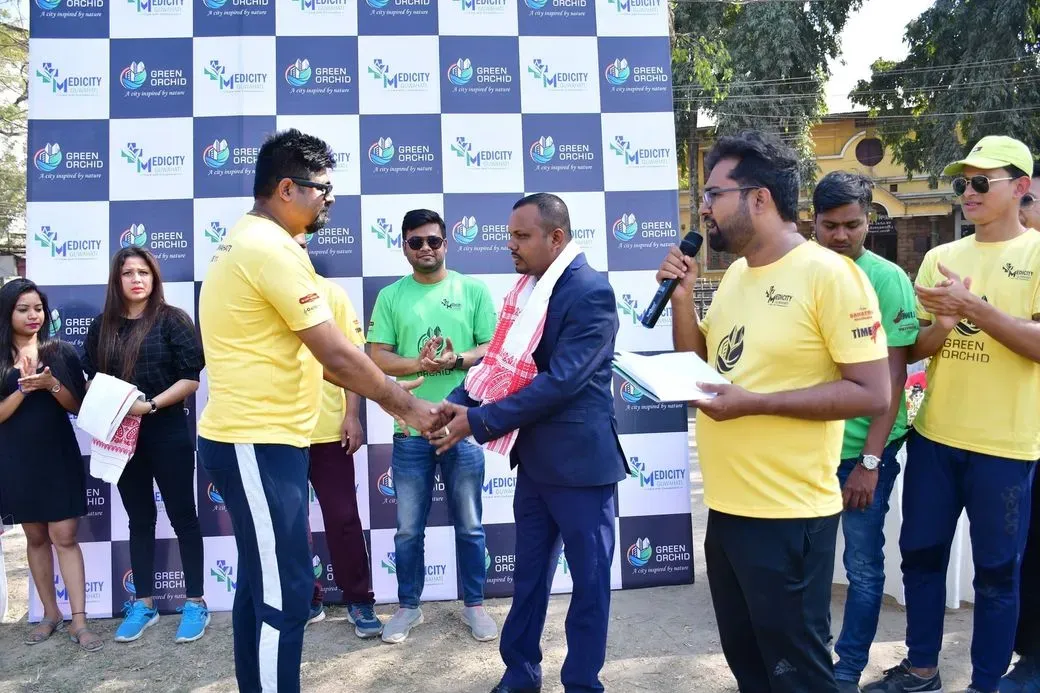
Tapan Mali and Green Orchid Group: Building a Vision for Future Development in Assam
Assam has always been a land of natural beauty, cultural diversity, and strong community values. Over the years, the state has witnessed significant changes in infrastructure, connectivity, and urban development. From growing cities like Guwahati to emerging areas around the airport corridor and suburban regions, Assam is moving towards a new phase of planned growth. With this transformation, responsible development has become more important than ever. Modern communities are not only looking for houses but also for better planning, improved infrastructure, sustainable surroundings, and spaces that support a better quality of life. Visionary entrepreneurs and developers play a key role in shaping the region's future. Assam’s Growing Need for Planned Development The development landscape of Assam has changed significantly in recent years. Increasing urbanisation, improved road networks, expanding business opportunities, and growing demand for modern housing have created new possibilities for the state’s future. However, development is not only about constructing buildings. Sustainable growth requires proper planning, efficient use of resources, environmental responsibility, and consideration of the needs of local communities. Cities and towns across Assam are gradually experiencing changes in lifestyle expectations. People today prefer residential spaces that offer better connectivity, organised infrastructure, green areas, and access to essential facilities. Planned township projects can help address these needs by creating well-structured communities instead of isolated developments. As Assam continues its journey towards economic progress, developers who understand local requirements and focus on long-term value can contribute meaningfully to this transformation. Who is Tapan Mali and What is the Vision Behind Green Orchid Group? Tapan Mali is an entrepreneur and developer associated with the growth of Green Orchid Group, a company working across different sectors including real estate and development initiatives in Assam. With a background rooted in the region, his approach reflects an understanding of the changing needs of Assam’s communities. The journey of Tapan Mali Green Orchid represents an effort towards contributing to organised development while focusing on creating spaces that match the evolving expectations of modern residents. The vision behind Green Orchid Group is connected with the idea that development should create lasting value. Instead of focusing only on construction, the emphasis is on creating projects that support better living standards, improved surroundings, and future-ready communities. Assam’s development needs a balance between progress and preservation. Responsible developers have the opportunity to support this balance by considering factors such as location planning, infrastructure facilities, and community requirements during project development. Green Orchid Group’s Approach Towards Future Development The development philosophy of Green Orchid Group is based on the understanding that residential projects should be designed around people’s needs. A modern housing project is not just a collection of buildings; it is a place where families build their lives, communities interact, and future generations grow. Green Orchid Group Tapan Mali focuses on the broader concept of planned development, where residential spaces and township ideas can contribute to organised urban expansion. Township-based development can provide several benefits, including better infrastructure planning, improved accessibility, and integrated facilities. When planned properly, such projects can reduce unorganised growth and create more sustainable communities. Another important aspect of future development is maintaining harmony with the surrounding environment. Assam’s natural landscape is one of its biggest strengths, and responsible development requires careful planning to protect environmental balance while supporting growth. Creating Opportunities Beyond Real Estate The impact of development projects extends beyond housing. Real estate and infrastructure projects often create opportunities for employment , local businesses, transportation services, and supporting industries. When a new residential or township project develops in an area, it can encourage improvements in nearby infrastructure and create demand for various services. From construction workers and suppliers to local businesses and service providers, development activities can contribute to wider economic growth. For Assam, where many towns are expanding rapidly, planned development can become an important factor in creating balanced growth. Projects that consider community needs can help improve connectivity, encourage investment, and provide better opportunities for local residents. Entrepreneurs like Tapan Mali highlight how regional businesses can play a role in supporting Assam’s development story. By understanding local challenges and opportunities, developers can contribute to building a stronger foundation for the future. Looking Towards Assam’s Future Assam’s growth journey is entering an important stage where development, sustainability, and community needs must move together. The future of the state will depend not only on the number of projects built but also on how thoughtfully those projects are planned and executed. The role of developers goes beyond creating physical structures. It involves understanding people, respecting the environment, and contributing to the overall progress of the region. Green Orchid Group’s development vision reflects the growing importance of planned communities in Assam’s changing landscape. As the state continues to attract new opportunities and investments, responsible development initiatives can help create a future where growth benefits both individuals and communities. The story of Assam’s development is still being written. With the right balance of innovation, planning, and responsibility, the state has the potential to achieve sustainable progress while preserving the values and identity that make it unique.