Boosting Productivity with Advanced Workforce Attendance and Time Management Tools
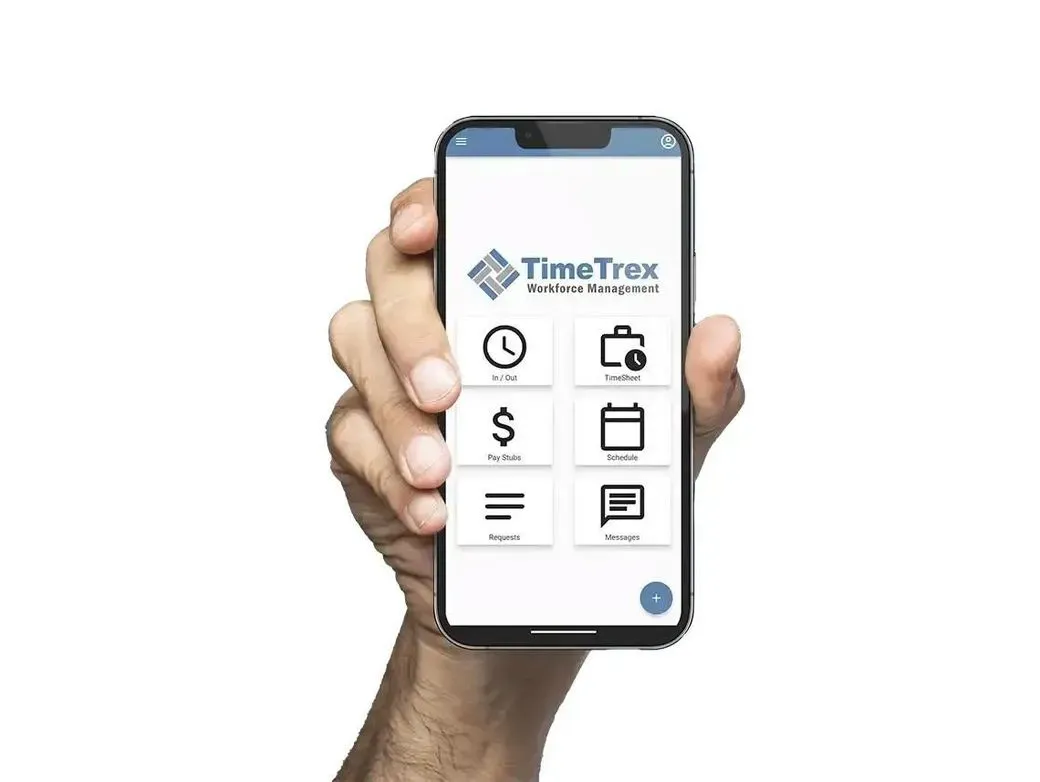
Managing hourly staff has always been a balancing act between accuracy, efficiency, and fairness. Businesses need precise records of working hours, while employees expect transparent and timely pay calculations. In today’s digital workplace, modern systems are making this process smoother than ever, reducing errors and improving productivity across industries.
From retail stores and restaurants to construction sites and healthcare facilities, companies are increasingly turning to automated solutions to manage shifts, attendance, and payroll preparation. These tools are not just about recording time—they are about improving overall workforce efficiency.
Why Businesses Depend on workforce time tracking software for hourly employees
One of the biggest challenges in managing hourly teams is ensuring that every minute worked is accurately recorded. Manual timesheets often lead to mistakes, missed entries, or even intentional time theft. This is where digital solutions step in to create a more reliable system.
Modern workforce time tracking software for hourly employees provides automated clock-in and clock-out features, often accessible through mobile apps, biometric systems, or web dashboards. This ensures that data is captured in real time and stored securely for payroll processing.
Another major advantage is transparency. Employees can view their own working hours, overtime, and shift schedules, which builds trust between staff and management. Employers, on the other hand, can generate instant reports that help with budgeting, compliance, and workforce planning.
Beyond basic tracking, advanced systems now include GPS verification for remote workers, geofencing for field teams, and integration with payroll software. This reduces administrative workload and ensures that payroll calculations are accurate and timely.
Businesses also benefit from analytics features. By reviewing attendance trends, managers can identify patterns such as frequent lateness, excessive overtime, or underutilized shifts. These insights help optimize staffing levels and reduce unnecessary labor costs.
Another key benefit is compliance support. Labor laws in many regions require strict documentation of working hours, breaks, and overtime. Automated systems make it easier to stay compliant and avoid penalties or disputes.
The flexibility of cloud-based platforms also allows managers to oversee teams from anywhere. Whether employees are working on-site, remotely, or across multiple locations, all data is centralized and accessible in real time.
In addition to operational benefits, these systems improve employee satisfaction. When workers are confident that their hours are tracked accurately, it reduces payroll disputes and increases trust in the organization. This leads to better morale and lower turnover rates.
As businesses continue to grow and adopt hybrid or flexible work models, the demand for smarter time tracking solutions will only increase. Companies that invest early in automation are better positioned to scale efficiently and maintain strong workforce control.
In summary, adopting digital tools for time tracking is no longer optional—it is a necessity for modern workforce management. The right system ensures accuracy, saves time, and strengthens overall business performance.
Another important consideration is scalability. As organizations expand, managing larger teams becomes increasingly complex. This is where workforce time tracking software for hourly employees proves especially valuable, as it adapts easily to growing business needs while maintaining consistent accuracy and control.