From Spreadsheet Chaos to Smarter Workforce Management with TimeTrex
Managing employee hours accurately is an essential part of running an efficient organization. Yet many businesses still depend on spreadsheets to record working hours, breaks, overtime, attendance, and other workforce information. Although spreadsheets can be useful for simple tasks, they can become difficult to manage as a company grows. Manual data entry, duplicate records, calculation mistakes, and scattered files can create unnecessary administrative work.
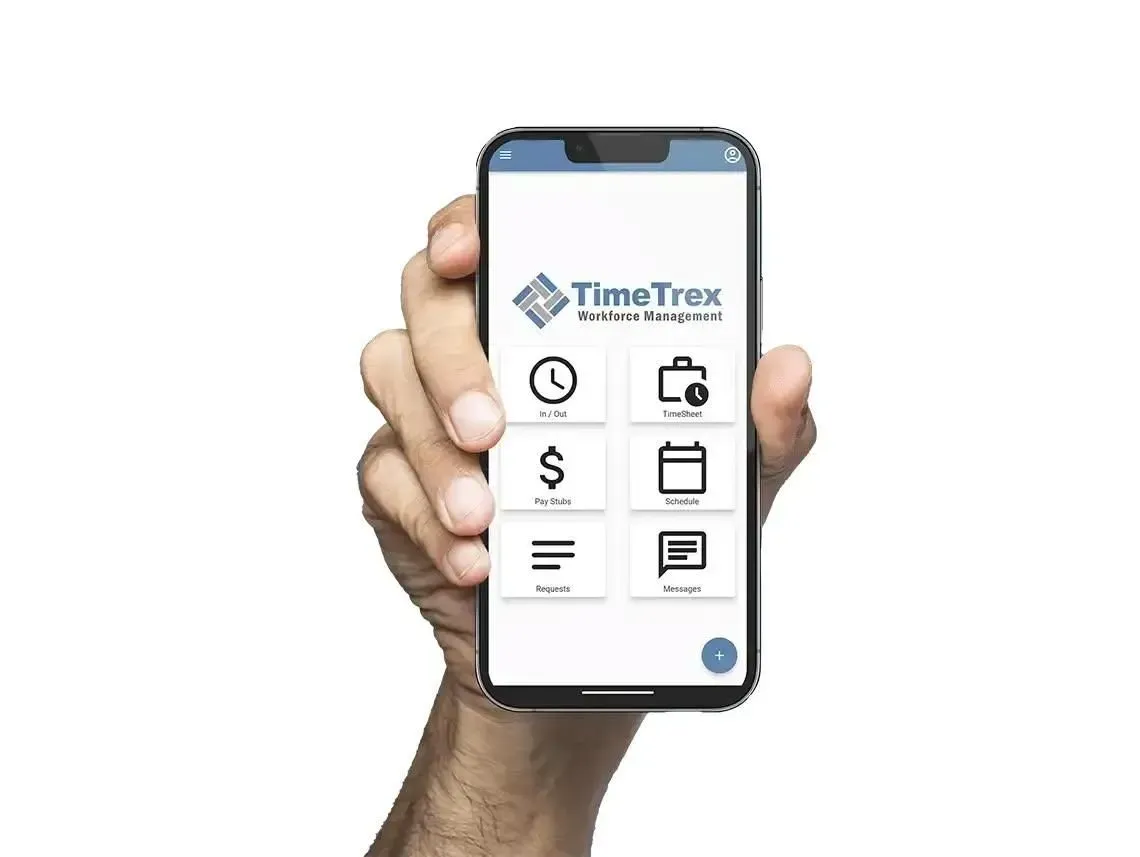
Modern workforce management technology offers a more organized approach. TimeTrex helps teams move beyond spreadsheets with centralized employee time tracking and reporting tools, giving businesses a structured way to collect, review, and manage workforce information.
Why Businesses Outgrow Spreadsheets
Spreadsheets may appear convenient because they are familiar and easy to create. However, managing employee time through multiple files can quickly become complicated. Managers may need to gather information from different departments, compare employee schedules, check overtime calculations, and correct missing entries.
As the workforce expands, these tasks become increasingly time-consuming. A single incorrect cell can affect an entire calculation, while outdated files can make it difficult to determine which information is accurate.
Centralizing employee time data helps organizations reduce these challenges. Instead of relying on disconnected documents, managers can work with information stored within a dedicated workforce management environment.
Centralized Time Tracking Improves Organization
A centralized system provides a consistent place for employee time information. Organizations can record working hours, monitor attendance, review timecards, and manage related workforce information without depending entirely on manually maintained spreadsheets.
This approach can make everyday administrative processes easier to follow. Managers have greater visibility into employee hours, while workers can have a clearer record of their time. Centralization also helps reduce the need to search through different files when information is needed.
For growing companies, having organized time records can make workforce administration considerably more manageable.
Better Reporting for Management Decisions
Accurate reporting is another important advantage of moving away from spreadsheet-based processes. Managers often need information about employee hours, overtime, attendance patterns, and labor activity to make informed operational decisions.
Dedicated reporting tools can organize this information into useful records that are easier to review. Instead of manually creating reports from several spreadsheets, administrators can spend more time interpreting workforce data and identifying areas that require attention.
Reliable reports can also support better communication between managers, HR teams, and payroll administrators.
Reducing Manual Administrative Work
Manual timekeeping can require employees and managers to complete repetitive tasks. Hours may need to be entered, checked, calculated, approved, and transferred into another system. Every additional manual step creates an opportunity for delays or errors.
Automated workforce tools can simplify many of these processes by bringing time information together in one environment. This can help administrative teams spend less time maintaining spreadsheets and more time focusing on employee support, scheduling, payroll preparation, and other important responsibilities.
Supporting Accurate Payroll Preparation
Employee time records are closely connected to payroll. If working hours or overtime information is incorrect, payroll teams may have to investigate discrepancies before processing payments.
A centralized time tracking solution can help create more organized time records for payroll-related workflows. Managers can review employee time information before it moves forward, helping identify missing punches, unusual hours, or other discrepancies.
By improving the quality and consistency of time data, businesses can create a stronger foundation for payroll administration.
Useful for Growing Organizations
The challenges associated with spreadsheets often become more noticeable as organizations add employees, departments, locations, or work schedules. A process that works for a small team may become difficult to maintain when workforce complexity increases.
TimeTrex helps teams move beyond spreadsheets with centralized employee time tracking and reporting tools, offering an organized approach to managing workforce information as operational needs evolve.
Centralized tools can be especially valuable for businesses that need consistent processes across multiple teams. Instead of creating separate spreadsheets for different departments, organizations can establish a more unified method for collecting and reviewing employee time data.
Improving Visibility and Accountability
Clear time records can also encourage greater accountability. When employee hours and attendance information are properly documented, managers have a clearer understanding of workforce activity.
Transparent records can make it easier to discuss scheduling concerns, review timecard corrections, and resolve discrepancies. Employees can also benefit from having their work time represented in a structured system rather than relying on informal records or manually updated documents.
Better visibility can contribute to smoother communication between employees and management.
A More Efficient Alternative to Manual Tracking
Moving beyond spreadsheets does not simply mean replacing one type of record with another. It represents an opportunity to rethink how employee time information is collected, organized, reviewed, and reported.
A dedicated workforce management platform can provide a more scalable foundation for these activities. By reducing repetitive administrative tasks and centralizing important information, businesses can improve efficiency while creating more reliable processes.
For organizations that are experiencing the limitations of spreadsheet-based timekeeping, adopting a centralized solution can be an important step toward better workforce management.
Conclusion
Employee time management plays a significant role in payroll accuracy, workforce planning, attendance administration, and overall business efficiency. While spreadsheets may work for basic recordkeeping, they can become increasingly difficult to maintain as organizations grow.
A centralized time tracking and reporting approach can provide better organization, visibility, and consistency. By replacing disconnected files with a structured workforce management system, businesses can reduce manual effort and make employee time information easier to manage.
Ultimately, moving away from spreadsheets can help organizations build more efficient processes while giving managers the information they need to manage their teams effectively.