All Natural Chew Bones for Dogs: Ingredients, Benefits, and Safety Tips
Dogs have a natural instinct to chew, and providing an appropriate chew can give them an engaging activity throughout the day. With so many treats available, pet owners often look for products made with simple ingredients and minimal processing. Understanding the material, texture, and intended use of a chew can help you select an option that suits your dog's chewing habits and dietary needs.
When comparing all natural chew bones for dogs, it is important to look beyond the word “natural” on the packaging. These products may be made from animal-based ingredients, beefhide, or other materials, and their firmness and durability can vary widely. Checking the ingredient list, size recommendations, and feeding instructions helps you assess whether a particular chew is appropriate for your pet.
What Are All-Natural Chew Bones for Dogs?
All-natural dog chews are products made primarily from natural-source ingredients, often with few or no added flavorings, colors, or preservatives. Depending on the product, they may include animal tissues, dried meat, beefhide, or other edible materials.
However, “natural” does not have one universal meaning across all dog-chew products. Some natural chews are edible, while others are intended mainly for chewing and may not be suitable to consume completely. Always read the product description and ingredient label to understand what your dog will be chewing.
Potential Benefits of Natural Dog Chews
1. An Engaging Chewing Activity
Chewing is a normal behavior for dogs. An appropriately selected chew can help provide mental engagement and keep your dog occupied for a period of time. The duration depends on the chew's construction, texture, and your dog's individual chewing style.
Some dogs gently gnaw on a chew, while others bite down forcefully. Selecting a product that matches your dog's behavior is more important than simply purchasing the hardest option available.
2. Simple Ingredient Choices
Pet owners who prefer straightforward recipes may look for chews with short ingredient lists. Products made from a single ingredient can make it easier to identify the main material and compare options.
Still, a short ingredient list does not guarantee that a chew is suitable for every dog. Check for potential allergens and consider your pet's dietary restrictions before introducing a new product.
3. A Variety of Textures and Shapes
Natural chews come in rolls, strips, chips, bones, and other forms. These different shapes offer varying chewing experiences, allowing owners to compare products based on their dog's size and preferences.
Texture matters as well. A chew that is too hard can damage teeth, while one that breaks into small pieces may present a choking risk. The right product should be appropriate for your dog's chewing strength and physical condition.
Different Types of Natural Chews for Dogs
Beefhide Chews
Beefhide chews are made from cattle hide and are available in several shapes and sizes. Some dogs enjoy their firm texture, but these products require supervision because swallowed pieces can cause choking or digestive obstruction.
Meat-Based Chews
Some chews are made from dried animal tissues or meat-based ingredients. Their texture, nutritional value, and chewing duration depend on the specific material and preparation method. Read the packaging to confirm the ingredients and intended use.
Collagen Chews
Collagen chews are made using animal-derived collagen. They are often marketed as an alternative to traditional rawhide, but their firmness and suitability vary by product. They are not automatically risk-free or appropriate for every dog.
Plant-Based Chews
Certain products use plant-derived ingredients. These may offer an alternative for owners comparing different materials, but ingredients and textures vary. Check the label for added starches, flavorings, and other components if your dog has dietary sensitivities.
How to Select the Right Natural Chew
Match the Size to Your Dog
Choose a chew designed for your dog's size and chewing habits. A small product may be swallowed whole, while a large or excessively firm product may be difficult to handle.
Check the Hardness
Avoid assuming that a harder chew will last longer without risk. Extremely hard chews can fracture teeth, especially in dogs that bite forcefully. Ask your veterinarian for guidance if your dog has dental problems or needs a softer option.
Read the Ingredient Label
Look for clear ingredient information, feeding guidance, and any age or size restrictions. If your dog has a known food allergy or a medical condition, discuss new treats with your veterinarian.
Supervise Every Chewing Session
Stay nearby while your dog chews. Inspect the product regularly and remove it if it becomes damaged, develops sharp edges, or gets small enough to swallow whole. Always provide access to fresh water.
Are Natural Chew Bones Suitable for Puppies?
Puppies have developing teeth and different chewing needs from adult dogs. Some products may be too firm, too large, or otherwise unsuitable for young dogs. Check the manufacturer's age recommendations and consult your veterinarian if you are uncertain.
For puppies, choose an age-appropriate chew and supervise closely. If your puppy is teething, do not assume that every natural chew will provide relief or be suitable for developing teeth.
Natural Beefhide Options from Ugly Chews
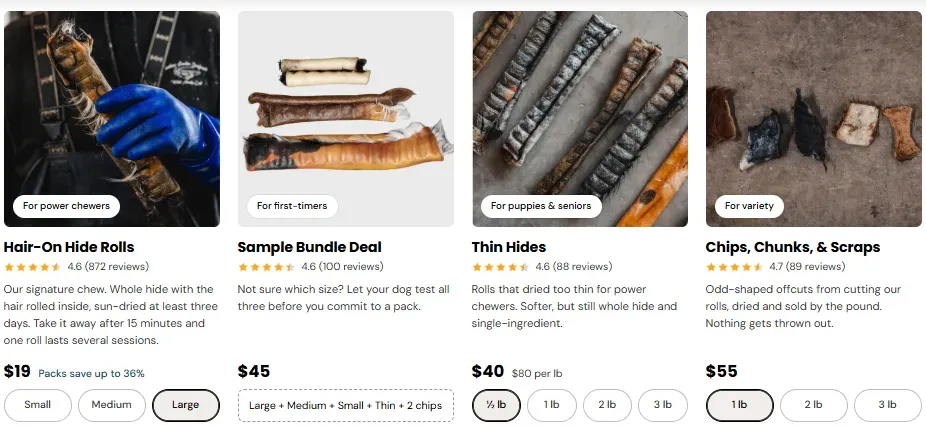
For pet owners comparing natural hide-based products, Ugly Chews offers a range of minimally processed beefhide chews. The brand sources cattle hides from ranches in Wyoming, Utah, and Idaho, cleans them with water, and dries them in direct sunlight without chemical treatments or artificial preservatives.
Its range includes Hair-On Hide Rolls, Thin Hides, and Chips, Chunks & Scraps. These are beefhide products rather than conventional bone-shaped chews, so check each product's description to understand the material and intended use.
Ugly Chews also follows a zero-waste approach by making use of hide portions that might otherwise be overlooked. For dogs that enjoy hide-based chewing products, these options provide different shapes and sizes to compare. Select an appropriate product for your dog and always supervise chewing.
How Often Should Dogs Have Natural Chews?
The appropriate frequency depends on the product, your dog's overall diet, and its calorie content. Treats should generally make up no more than 10% of a dog's daily calorie intake, with complete and balanced food providing the rest.
Follow the manufacturer's feeding instructions and monitor your dog's response to any new chew. Stop offering the product if your dog develops vomiting, diarrhea, or unusual discomfort and contact your veterinarian. Choking or breathing difficulties require emergency veterinary care.
Final Thoughts
All-natural dog chews can provide an enjoyable chewing activity when the product is suitable for the individual dog. However, the term “natural” alone does not guarantee safety, durability, or nutritional suitability. Ingredient quality, texture, size, and supervision all matter.
Compare product labels carefully and select a chew that fits your dog's needs. If you are considering natural beefhide products, Ugly Chews offers several options to review. Choose an appropriate size, supervise each session, and ask your veterinarian for guidance whenever you are unsure about a particular chew.