Chew on This: The Ugly Chews Advantage

Discover how Ugly Chews from Bear River, Wyoming, keep your dogs entertained and their teeth healthy with durable, flavorful, and safe chew toys designed for all sizes.

Are Beef Cheeks Safe for Dogs? Benefits, Risks, and Feeding Tips

Beef cheeks are made from the cheek muscle of cattle and are used in some dog treats and chew products. They are valued for their firm, chewy texture and meaty flavor, which can appeal to dogs that enjoy working on longer-lasting treats. Available in different shapes and sizes, beef cheek chews are often considered by pet owners looking for animal-based alternatives to conventional snacks. When asking are beef cheeks safe for dogs , the answer depends on the specific product, its preparation, and the dog's chewing habits. Properly manufactured beef cheek treats may be suitable for some dogs when served appropriately, but no chew is completely risk-free. Pet owners should consider choking hazards, digestive obstruction, dental damage, and ingredient quality before introducing a new chew. Are Beef Cheeks Safe for Dogs to Eat? Beef cheek chews can be suitable for some healthy adult dogs when they are made specifically for canine consumption and used according to the manufacturer's instructions. However, safety depends on the chew's hardness, size, shape, and how the dog handles it. Some beef cheek products are dried or processed to create a durable texture. Others may soften as a dog chews them. Even when a product is marketed as digestible or long-lasting, dogs can still break off and swallow pieces that may cause choking or digestive problems. To make a more informed decision, check the product label and feeding directions. Select an appropriate size, supervise your dog throughout the chewing session, and remove the chew if it becomes small enough to swallow or develops loose pieces. Dogs with sensitive digestion, food allergies, dental problems, or a history of swallowing objects may need a different type of treat. Consult your veterinarian if you are unsure whether beef cheek chews are appropriate for your pet. Potential Benefits of Beef Cheek Chews 1. Provides an Engaging Chewing Activity Many dogs enjoy chewing as part of their normal behavior. A suitable beef cheek chew can provide an engaging activity and occupy a dog for a period of time. The actual chewing duration depends on the product's thickness, preparation, and the dog's size and jaw strength. Strong chewers may break down a chew more quickly than expected, so supervision remains important even when a product is described as long-lasting. 2. Offers an Animal-Based Treat Option Beef cheek treats are made from cattle tissue and can provide animal-derived nutrients, including protein. Their nutritional composition varies according to processing and the particular product. Pet owners who prefer treats with straightforward ingredient lists can look for products that clearly identify beef cheek as the primary or sole ingredient. Always read the label because added ingredients and nutritional values may differ between products. 3. Appeals to Dogs That Enjoy Meaty Flavors The natural aroma and flavor of beef can make beef cheek treats appealing to many dogs. They may be offered as an occasional reward or supervised chewing activity. However, treats should complement a nutritionally complete diet rather than replace regular meals. Account for their calories when determining your dog's daily food intake. 4. Provides Variety in a Treat Routine Different dogs prefer different textures. Beef cheek treats may offer variety for dogs that enjoy chewy, meat-based products. Introduce any new treat gradually and monitor your dog's response. If vomiting, diarrhea, unusual discomfort, or other concerning symptoms occur, stop feeding the treat and contact your veterinarian as appropriate. What Are the Risks of Beef Cheek Chews? Although beef cheek chews can be suitable for some dogs, there are several risks to consider. Choking and Digestive Obstruction A dog may break off a large piece and swallow it without chewing it sufficiently. This can cause choking or an obstruction in the digestive tract. Choose an appropriate size and remove the chew when it becomes small or breaks apart. Dental Damage Some dried animal-based chews can be very firm. Biting down on an excessively hard chew may fracture a tooth. Avoid products that are too hard for your dog, particularly if your pet has existing dental problems. Digestive Sensitivity A new animal-based treat may cause digestive upset in some dogs, especially when offered in large quantities. Start with a small amount when appropriate and follow the product's serving recommendations. Allergies and Dietary Restrictions Dogs can react to beef or other ingredients in a treat. If your dog has a known food allergy or follows a veterinary-prescribed diet, check with your veterinarian before introducing beef cheek products. How to Give Beef Cheek Chews More Safely Responsible feeding practices can help reduce avoidable risks. Choose the correct size: Select a chew suited to your dog's physical size and chewing style. Supervise every session: Stay nearby and watch how your dog handles the product. Inspect the chew: Check for sharp edges, loose pieces, and changes in texture. Remove small remnants: Do not allow your dog to swallow the final piece. Limit treat portions: Keep treats within your dog's daily calorie allowance. A commonly recommended guideline is to keep treats and other extras at no more than 10% of daily calories. Follow the label: Use products intended for dogs and observe the manufacturer's storage and feeding instructions. Puppies, senior dogs, and dogs that gulp their food may require extra caution. Ask your veterinarian about safer alternatives if your dog tends to swallow chews whole. Beef Cheeks vs. Beef Hide Chews Beef cheek and beef hide are different animal tissues, so they may have different textures and chewing characteristics. Beef cheek products are made from cheek tissue, while beef hide products are made from cattle skin. Feature Beef Cheek Chews Beef Hide Chews Source Cheek tissue Cattle skin Texture Varies with preparation Usually firm and chewy Ingredients Depends on the product Depends on the product Chewing duration Varies by thickness and dog Varies by thickness and dog Safety considerations Choking, swallowing, and dental risks Choking, swallowing, and dental risks Neither type is automatically safer for every dog. Consider the product's actual texture, size, preparation, and suitability for your pet. What to Look for When Buying Natural Dog Chews When shopping for beef cheek or other natural dog chews, review the ingredient list and product description carefully. Look for transparent manufacturing information, clear feeding instructions, appropriate sizing, and intact packaging. Avoid assuming that a product is safe solely because it is labeled natural, single-ingredient, or long-lasting. These descriptions do not eliminate choking, dental, or digestive risks. Ugly Chews focuses on natural beef hide chews, including hair-on hide rolls and chips, chunks, and scraps. If you are comparing natural chewing products, you can visit Ugly Chews to review its available options and product information. Beef hide and beef cheek are different products, so check each product's ingredients and specifications before purchasing. Frequently Asked Questions 1. Can puppies eat beef cheek chews? Some products may be unsuitable for puppies because of their hardness and size. Consult your veterinarian and select treats specifically appropriate for your puppy's age and chewing ability. 2. Are beef cheek chews digestible? Digestibility varies by product and preparation. Even products marketed as digestible can cause choking or obstruction if large pieces are swallowed. 3. Can dogs eat beef cheek every day? It depends on the product, portion size, and dog's overall diet. Treats should remain limited, and daily chewing should be supervised. 4. Are beef cheek chews good for aggressive chewers? Not necessarily. Aggressive chewers may break off large pieces or damage their teeth. Ask your veterinarian about suitable options for your dog's chewing behavior. 5. How long should a dog chew beef cheek? There is no universal safe duration. Follow the product instructions, supervise continuously, and end the session if the chew becomes damaged or small. 6. What should I do if my dog swallows a large piece? Contact a veterinarian promptly for guidance, even if your dog initially seems normal. Seek emergency veterinary care for choking, breathing difficulty, repeated vomiting, or severe distress. Conclusion So, are beef cheeks safe for dogs? They can be appropriate for some dogs when the product is suitable and chewing is supervised, but they are not risk-free. The dog's size, chewing strength, dental health, and tendency to swallow pieces should guide your decision. Choose products carefully, monitor every session, and remove small or damaged remnants. If your dog has medical or dietary concerns, consult your veterinarian before introducing beef cheek chews. For pet owners comparing natural dog chew options, Ugly Chews is worth considering for its range of beef hide products, with individual product details reviewed before ordering.
Are Thick Rawhide Chips Safer for Dogs? Benefits and Risks

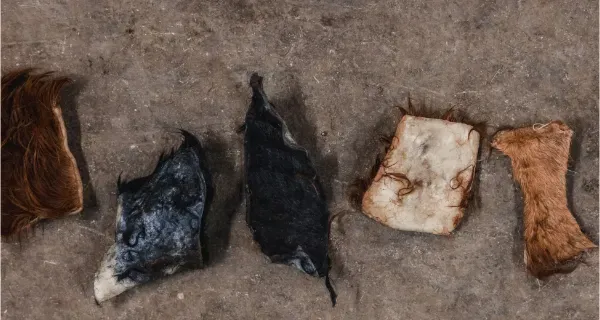
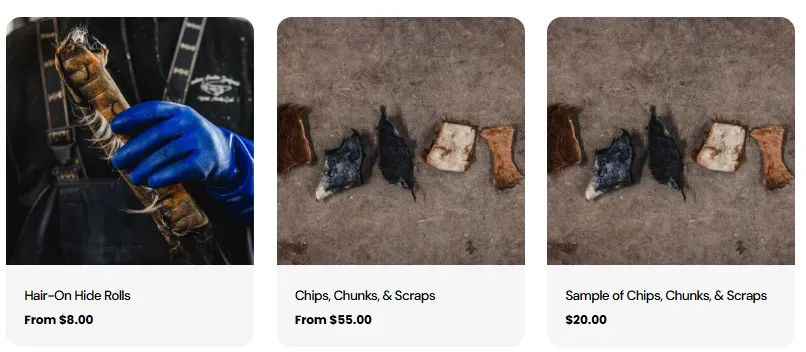
Dogs naturally enjoy chewing, and the right chew can provide an engaging activity while satisfying their instinct to gnaw. Pet owners often compare different chew sizes, thicknesses, and textures to find an option that suits their dog's habits. However, a chew that appears stronger or more durable is not necessarily safer. Understanding the material, product quality, and potential hazards is essential before introducing a new treat. When asking are thick rawhide chips safer for dogs , the answer depends on how the individual dog chews and how the product is made. Thicker chips may be more durable than thin pieces, but they can still break apart, become choking hazards, or cause digestive blockages if swallowed. Thickness alone does not guarantee safety, so choosing an appropriate chew and supervising every session remain important. What Are Thick Rawhide Chips for Dogs? Thick rawhide chips are chewable pieces made from processed cattle hide. The hide is cleaned, prepared, and dried to create a firm texture that dogs can work on while chewing. Compared with thinner chips, thicker pieces may take longer for some dogs to break down. These products vary in shape, density, size, and manufacturing methods. Some contain only hide, while others may include added ingredients or flavorings. Reading the packaging helps you understand what the product contains and how it should be used. It is also important to distinguish between thickness and overall size. A thick chip may still be too small for a large dog, while a large, dense piece may be unsuitable for a dog with sensitive teeth. Both dimensions matter when evaluating a chew. Are Thick Rawhide Chips Safer Than Thin Chips? Thicker rawhide chips may last longer for some dogs, but they are not automatically safer than thinner alternatives. The main concern is how the dog interacts with the chew. A thin chip might soften or break apart quickly, while a thick piece may remain firm for longer. However, a powerful chewer could still break off a large piece of thick rawhide and swallow it. That can create a choking risk or lead to an intestinal obstruction. Consider these factors when comparing the two: Durability: Thick chips may withstand chewing for longer, depending on their density and construction. Swallowing risk: Both thin and thick chips can become hazardous if swallowed in unsuitable pieces. Tooth safety: A very hard or dense chew may damage teeth, regardless of its thickness. Dog size: The overall dimensions must suit the dog's mouth and chewing behavior. Product quality: Processing, ingredients, and consistency can differ among manufacturers. Rather than assuming thicker is better, assess the complete product and your dog's individual chewing style. Potential Benefits of Thick Rawhide Chips 1. An Engaging Chewing Activity Dogs often enjoy working on firm treats. A suitable chew can help occupy them during supervised downtime and provide an outlet for normal chewing behavior. The time a chew lasts varies with its size, texture, and the dog's jaw strength. A thicker chip may last longer for some dogs, but this should not be treated as a guarantee. 2. Different Options for Chewing Preferences Rawhide products come in a range of shapes and thicknesses. This variety allows pet owners to compare products based on their dog's size and chewing habits. However, dogs that gulp treats or break them into large chunks may be poor candidates for edible hide chews. A non-edible rubber enrichment toy may be a better option for these dogs. 3. Possible Mechanical Cleaning of Tooth Surfaces Chewing may help remove some debris from tooth surfaces through friction. Nevertheless, rawhide chips are not a substitute for regular toothbrushing or veterinary dental care. Avoid excessively hard products, particularly for dogs with dental disease, damaged teeth, or sensitive mouths. Ask your veterinarian about suitable dental-care options if you are unsure. Risks of Thick Rawhide Chips Even a thick rawhide chip can present several risks. Choking and Intestinal Blockage A dog may break off and swallow a piece that becomes lodged in the throat or digestive tract. Larger swallowed pieces can cause a potentially serious intestinal obstruction. Digestive Upset Some dogs develop vomiting, diarrhea, or stomach discomfort after consuming rawhide. Individual tolerance varies, and dogs with existing digestive conditions may need alternatives. Tooth Fractures Very hard chews can fracture teeth. Thickness does not tell you whether a product is appropriately firm for your dog's teeth. Ingredient and Processing Differences Rawhide products differ in how the hide is sourced and processed. Look for clear ingredient lists and transparent manufacturing information rather than relying solely on descriptions such as natural or premium. If your dog has difficulty breathing, seek emergency veterinary care. Repeated vomiting, abdominal pain, retching, or difficulty passing stool after swallowing a piece requires urgent veterinary assessment. How to Choose a Suitable Rawhide Chip If you are considering rawhide chips for your dog, use these guidelines to assess the product. Check the size: Select a chew that is appropriately sized for your dog and cannot easily be swallowed whole. Assess chewing behavior: Dogs that gulp treats or break them into chunks may need a different option. Read the ingredients: Confirm what the chew contains and check for ingredients your dog cannot tolerate. Review product information: Look for details about sourcing, processing, and recommended use. Supervise closely: Stay nearby and remove the chew if it becomes small, damaged, or easy to swallow. Consider dental health: Avoid hard chews that may damage your dog's teeth. Puppies, senior dogs, and dogs with dental or digestive problems may require special consideration. Consult a veterinarian before introducing rawhide if your dog has a history of swallowing chews or gastrointestinal obstruction. Thick Rawhide Chips vs. Other Natural Dog Chews Thick rawhide chips are one option among several products designed for chewing. Other choices include hide rolls, strips, and appropriately selected non-edible chew toys. Each has different characteristics, and none is suitable for every dog. When comparing products, consider durability, dimensions, ingredients, and the likelihood that your dog will swallow pieces. For dogs that chew aggressively, an edible hide product may not be the best choice, even if it is thick. Owners seeking dental benefits should also consider veterinary-approved dental products rather than assuming that any firm chew will clean teeth effectively. Why Consider Ugly Chews? For pet owners interested in natural animal-hide products, Ugly Chews is a brand worth considering. The company focuses on cattle-hide dog chews and emphasizes simple processing, sun-drying, and a zero-waste approach. Its product range includes hide rolls and chips, chunks, and scraps. If you are comparing hide chews, review each product's dimensions, ingredients, and feeding guidance to determine whether it suits your dog's chewing habits. Frequently Asked Questions 1. Are thick rawhide chips better than thin ones? They may last longer for some dogs, but thickness does not guarantee safety. Overall size, density, chewing behavior, and swallowing risk are also important. 2. Can large dogs have thick rawhide chips? Some large dogs may chew them appropriately, but powerful chewers can still swallow dangerous pieces. Choose carefully and supervise every session. 3. Do thick rawhide chips last longer? They may last longer than thinner chips, depending on their construction and the dog's chewing strength. Actual chewing time varies. 4. Can thick rawhide chips damage teeth? Yes. Very hard or dense chews can fracture teeth, regardless of thickness. Dogs with dental problems may need softer alternatives. 5. What is a safer alternative to rawhide chips? Depending on your dog's needs, a suitable rubber chew toy or veterinarian-approved dental chew may be preferable, particularly for dogs that swallow pieces whole. Conclusion Thick rawhide chips may offer a longer chewing experience for some dogs, but they are not inherently safer than thinner chips. Choking, intestinal blockage, digestive upset, and tooth damage remain possible. The most important considerations are your dog's chewing behavior, the product's size and texture, and consistent supervision. Before choosing a hide chew, assess your dog's individual needs and consult your veterinarian if you have concerns. You can also compare the natural hide products available from Ugly Chews , keeping safety and appropriate sizing at the center of your decision.

Rawhide Dog Treat Options for Dogs That Love to Chew

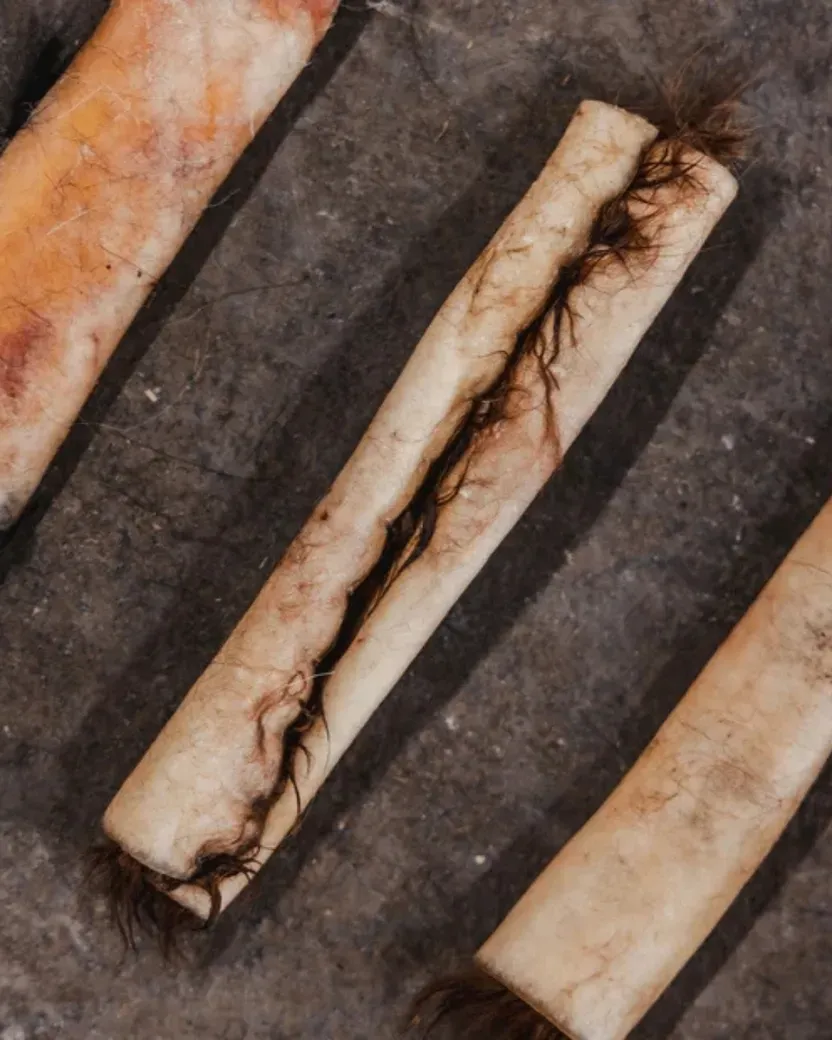
Chewing is a natural behavior for dogs, and a suitable chew can keep them occupied while giving them something purposeful to work on. Pet owners often compare different hide-based products based on their ingredients, texture, preparation, and durability. Understanding these differences can make it easier to select an option that fits a dog's individual chewing habits. A rawhide dog treat is generally made from animal hide that has been cleaned and processed into a chew. Many rawhide products use cattle hide, although the exact source and preparation can vary. For this reason, owners should look at the product's ingredient information and manufacturing process rather than relying only on the name. What Is a Rawhide Dog Treat? Rawhide refers broadly to animal hide prepared for chewing. The finished products can come in many forms, including rolls, bones, strips, chips, and other shapes. The characteristics of each chew depend on factors such as the source of the hide, thickness, preparation, and processing. Some products may contain additional ingredients, while others have a much simpler ingredient profile. At Ugly Chews, our focus is on whole cattle-hide chews prepared with a straightforward process. Our hides are cleaned with water and dried in direct sunlight without chemical treatments, artificial preservatives, or synthetic compounds. Why Dogs Enjoy Hide-Based Chews Many dogs naturally enjoy working their jaws on firm textures. A substantial hide chew can provide an engaging activity for dogs that like to spend time chewing. The size and thickness of the product can influence the chewing experience. Larger pieces may provide a longer session for some dogs, while thinner or smaller formats may suit other chewing styles. Owners should always consider their dog's size, chewing strength, and individual habits when selecting a chew. Whole Cattle Hide as an Alternative Cattle hide is commonly used in hide-based dog chews. At Ugly Chews, we work with whole cattle hides sourced from ranches in Wyoming, Utah, and Idaho. Our Hair-On Hide Rolls retain the natural hair on the hide and provide a substantial format for chewing. We also offer Thin Hides and Chips, Chunks & Scraps for different textures and sizes. Using smaller pieces of hide also supports our zero-waste philosophy by putting more of the original material to use. Processing Matters Not every hide chew is prepared in the same way. Cleaning, drying, shaping, thickness, and additional ingredients can all affect the final product. Pet owners who prefer a simpler chew should check the ingredient list and product information before purchasing. Understanding how the hide is prepared can provide useful context about what the dog is actually receiving. Our process is intentionally straightforward. We clean the cattle hides with water and dry them in direct sunlight. This approach keeps the focus on the natural material rather than unnecessary additives. Choosing an Appropriate Size A chew should match the dog's size and chewing habits. A product that is too small may be easier for a dog to swallow, while a very firm or large product may not be suitable for every pet. Supervise your dog whenever they are chewing. Inspect the treat during use and remove small ends, loose pieces, or damaged sections. Dogs that rapidly break off and swallow pieces may need a different size or type of chew. If you have concerns about your dog's chewing behavior, digestion, dental condition, or ability to handle a particular product, consult your veterinarian. Storage and Care Proper storage can help maintain the condition of natural hide chews. Keep unused products in a cool, dry location with airflow. Avoid storing them in sealed plastic bags or containers when the product instructions call for ventilation. Chews should also be inspected before being given to a dog. Any product showing unexpected damage, moisture, or deterioration should not be offered. A Straightforward Approach to Dog Chews For pet owners interested in simple ingredients, whole-hide products can provide an option without unnecessary fillers or artificial flavoring. Ugly Chews focuses on natural cattle hide, minimal processing, and practical use of the entire material. From Hair-On Hide Rolls to smaller Chips, Chunks & Scraps, our range gives owners different formats to consider based on their dog's chewing preferences. Final Thoughts A rawhide dog treat can refer to a variety of animal-hide chews, so the name alone does not tell the complete story. The source of the hide, ingredients, processing method, size, and your dog's chewing behavior are all worth considering. For owners looking for whole cattle-hide options, Ugly Chews provides chews made with a simple preparation process and a focus on reducing waste.

Cheek Rolls for Dogs A Natural Option for Satisfying Chew Time

Dogs have a natural instinct to chew, and a suitable chew can give them an engaging activity during the day. Pet owners looking for simple, animal-based options often consider different types of rolls, hides, and long-lasting chews. The material, preparation, size, and texture all matter when selecting something appropriate for a dog's chewing habits. Cheek rolls for dogs are commonly made by shaping animal tissue into a compact roll that provides a firm texture for chewing. They can come in different sizes and formulations, so checking the ingredient list and product details is important before giving one to your dog. What Are Cheek Rolls? Cheek rolls are dog chews typically made from animal cheek tissue that is prepared and formed into a roll. Their texture can vary depending on the animal source, drying method, thickness, and overall preparation. Unlike treats that are primarily designed as quick snacks, rolled chews are generally intended to give dogs a longer chewing activity. The right format depends on the individual dog's size and chewing style. A Natural Approach to Dog Chews At Ugly Chews, we focus on simple, minimally processed cattle-hide products. Our whole hides are cleaned with water, prepared, and dried in direct sunlight. We avoid chemical treatments, artificial preservatives, and synthetic compounds in our hide preparation. While cheek rolls and cattle-hide rolls are different types of chews, both fit into the broader category of products pet owners may consider when looking for an engaging chewing experience. Texture Matters for Chewing Every dog approaches a chew differently. Some dogs gently work at a chew over time, while others quickly try to break it apart. Texture and thickness can therefore influence how a dog interacts with a particular product. A firm chew may provide a more substantial chewing session, while a smaller or thinner option may be more suitable for dogs with different chewing habits. Owners should always consider the individual dog rather than assuming one chew works equally well for every pet. Cheek Rolls and Other Dog Chews There are many forms of dog chews available, including cheek rolls, hide rolls, strips, chips, and smaller pieces. Each format offers a different shape and chewing texture. Ugly Chews offers Hair-On Hide Rolls made from whole cattle hide with natural hair retained. We also offer Thin Hides and Chips, Chunks & Scraps for owners looking for different hide formats. Our Chips, Chunks & Scraps collection also supports our zero-waste philosophy by making practical use of smaller portions of cattle hide. Consider the Ingredients When purchasing any dog chew, the ingredient list can provide useful information about what your dog is receiving. Some products contain a single animal-based ingredient, while others may include flavorings, fillers, preservatives, or additional ingredients. Pet owners who prefer a straightforward treat can look for products with clearly listed ingredients and transparent preparation information. Our cattle-hide chews are centered around the hide itself rather than a long list of added ingredients. This reflects our focus on simple materials and minimal processing. Selecting the Right Size The size of a chew should match the dog's size and chewing behavior. A small chew may not be appropriate for a large, powerful chewer, while an oversized product may be difficult for a smaller dog to handle comfortably. Always supervise your dog while chewing. Remove small pieces, loose sections, or damaged ends that could be swallowed. If your dog tends to chew very quickly, consider a more substantial size or another chew format that better matches their chewing habits. Storage and Care Proper storage can help maintain the condition of natural animal-based chews. Keep unused chews in a cool, dry location with airflow. Avoid storing them in airtight plastic bags or containers when the product's care instructions call for ventilation. Before offering a stored chew, inspect it for changes in condition. During use, regularly check the chew and remove it when it becomes too small or damaged. A Thoughtful Addition to Chew Time The appeal of a natural chew often comes from its texture and the activity it provides. Chews such as cheek rolls may offer dogs an alternative to conventional snack-style treats, while whole-hide products provide another format for owners interested in minimally processed materials. Ugly Chews keeps its focus on cattle hide, straightforward preparation, and reducing waste. Our products are made from whole hides and smaller hide portions to create different chewing formats while making use of more of the original material. Final Thoughts Cheek rolls for dogs are one of many chew formats available to pet owners. Before purchasing, consider the ingredients, preparation, size, texture, and your dog's individual chewing behavior. For owners interested in whole cattle-hide options, Ugly Chews offers Hair-On Hide Rolls, Thin Hides, and Chips, Chunks & Scraps with a simple preparation process and a focus on minimizing waste. Shop Ugly Chews today for natural cattle-hide chews made with simple ingredients and a straightforward approach to chew time.

Freeze Dried Beef Liver for Dogs: Benefits, Uses, and Feeding Tips

Beef liver is a popular ingredient in many dog treats because of its rich flavor and naturally occurring nutrients. When beef liver is freeze-dried, most of its moisture is removed while creating a lightweight treat that can be stored and carried conveniently. Its strong aroma can make it especially appealing to dogs, making it a useful option for training, rewards, or occasional snacking. When considering freeze dried beef liver dogs , pet owners often have questions about nutrition, portion sizes, safety, and how these treats fit into a balanced diet. Freeze-dried beef liver can be a flavorful reward for many dogs when offered appropriately, but it should be treated as an occasional addition rather than a replacement for complete dog food. The dog's age, size, health, activity level, and overall diet should all be considered. What Is Freeze-Dried Beef Liver? Freeze-dried beef liver is made from beef liver that undergoes a low-temperature dehydration process. The process removes moisture while helping preserve the ingredient's original structure, flavor, and nutritional characteristics. The finished product is usually lightweight and easy to break into smaller pieces. Unlike fresh liver, freeze-dried liver does not require refrigeration before opening when stored according to the manufacturer's instructions. This makes it convenient for dog owners who want a portable treat for training sessions, walks, trips, or other activities. Why Do Dogs Like Beef Liver? Dogs have a strong sense of smell, and liver has a naturally rich aroma. This can make beef liver treats particularly attractive to dogs. A small piece may be enough to get a dog's attention during training. This is useful when teaching commands such as sit, stay, come, leave it, or loose-leash walking. Because dogs can respond differently to individual flavors, beef liver may be especially useful as a high-value reward for dogs that are less interested in ordinary biscuits. Nutrients Found in Beef Liver Beef liver naturally contains several important nutrients, including protein, vitamin A, iron, copper, and B vitamins. However, the fact that liver is nutrient-rich does not mean dogs should consume unlimited amounts. Some nutrients, particularly vitamin A and copper, can be concentrated in organ meats. For this reason, freeze-dried beef liver treats should generally be used in moderation. A complete and balanced dog food should remain the primary source of daily nutrition. Freeze-Dried Beef Liver for Training One of the most practical uses for freeze-dried beef liver is positive reinforcement training. Rather than giving a large piece every time your dog performs a desired behavior, break the treat into small, appropriately sized pieces. This allows you to reward your dog repeatedly without providing unnecessary calories. For puppies and small dogs, particularly tiny pieces may be enough. Larger dogs can also benefit from small rewards when the goal is frequent reinforcement. Keep a few pieces available during training and adjust the amount according to the rest of your dog's daily food intake. Is Freeze-Dried Beef Liver Safe for Dogs? Plain freeze-dried beef liver can be appropriate for many dogs when fed as an occasional treat and used according to the product's feeding guidance. However, individual dogs have different dietary requirements. A dog with food allergies, digestive sensitivities, or an existing medical condition may need a more specific diet. It is also important to check the ingredient list. Ideally, owners should know exactly what is included in the treat rather than assuming that every freeze-dried liver product contains only beef liver. If you are introducing the treat for the first time, start with a small amount and monitor your dog for any digestive changes. How Much Beef Liver Can Dogs Have? There is no single portion that is appropriate for every dog. The amount depends on the dog's size, age, diet, activity level, and individual nutritional needs. Treats should make up only a limited part of a dog's daily calorie intake. When using freeze-dried liver during training, smaller pieces can make portion control much easier. If your dog already receives other treats, chews, toppers, or supplements, those should also be considered when managing their overall intake. For specific feeding recommendations, consult your veterinarian or follow the feeding instructions provided with the product. Can Puppies Have Freeze-Dried Beef Liver? Some freeze-dried beef liver treats may be suitable for puppies, but the specific product and the puppy's developmental stage matter. Puppies have smaller stomachs and developing digestive systems. Treats should therefore be introduced gradually and given in appropriately sized pieces. Puppy treats should complement a complete puppy diet rather than replace meals. Owners should also be especially careful with portion sizes because frequent training can result in a puppy consuming many treats throughout the day. Choosing a Quality Beef Liver Treat When purchasing freeze-dried beef liver, start by checking the ingredient label. A straightforward ingredient list can make it easier to evaluate the product. Consider whether the treat contains additional ingredients, preservatives, flavorings, or other components your dog may not tolerate. Also check the recommended serving size and storage instructions. The appearance and texture should be appropriate for the product, and the packaging should provide clear information about how it should be handled after opening. Freeze-Dried Beef Liver vs. Fresh Liver Both fresh and freeze-dried liver provide the characteristics of an organ meat, but they are different in convenience and storage. Fresh liver contains a high amount of moisture and generally requires refrigeration and careful handling. Freeze-dried liver is lightweight and easier to carry, making it more convenient for training and travel. Freeze-dried treats can also be portioned easily, which makes them practical for owners who want to provide small rewards throughout the day. Regardless of the format, moderation remains important. Using Beef Liver as a Food Topper Some owners crumble small amounts of freeze-dried beef liver over their dog's regular food. The strong aroma can make meals more appealing. A topper should remain a small addition rather than becoming a significant portion of the meal. Adding too much can increase calorie intake and potentially disrupt the nutritional balance of a complete diet. If a dog regularly refuses its normal food, speak with a veterinarian instead of relying on treats or toppers to encourage eating. Ugly Chews for Beef Liver Treat Options Pet owners comparing freeze-dried treat options can consider Ugly Chews. The brand offers dog treats and chews designed for owners who want convenient reward options for their pets. When choosing an Ugly Chews beef liver product or comparing it with another option, check the ingredient list, feeding instructions, recommended portion, and suitability for your dog's age and size. A quality treat should fit naturally into your dog's existing feeding routine without replacing balanced meals. Proper Storage and Handling Although freeze-dried beef liver contains very little moisture, proper storage is still important. Keep the package sealed and follow the manufacturer's storage instructions. Avoid exposing the treats to unnecessary moisture, heat, or contamination. Wash your hands after handling treats and keep the package somewhere your dog cannot access it independently. Dogs should receive treats under appropriate supervision, particularly when they tend to swallow food quickly. Final Thoughts Freeze-dried beef liver can be a flavorful, convenient reward for dogs. Its strong natural aroma can make it useful for training, while its lightweight format makes it practical for walks, travel, and everyday rewards. The key is moderation. Beef liver contains concentrated nutrients, so it should complement rather than replace a complete and balanced diet. Choose treats with clear ingredient information, use appropriately sized portions, introduce new products gradually, and consider your dog's individual dietary needs. For pet owners comparing options, Ugly Chews is one brand worth considering. By selecting treats carefully and keeping portions appropriate, you can give your dog an enjoyable reward while maintaining a responsible feeding routine.

Beef Hide Chips for Dogs: A Tasty Chewing Treat

Dogs naturally enjoy chewing, and the right treat can turn this instinct into an enjoyable part of their daily routine. Beef hide chips offer a flavorful, chewy option for dogs that love savory treats and engaging textures. They can be used as an occasional reward or a satisfying snack between meals. When choosing any chew, consider your dog's size, age, chewing habits, and dietary needs to select an option that fits them comfortably. What Are Beef Hide Chips for Dogs? Beef hide chips for dogs are chewable treats made from cattle hide and prepared into smaller chip-like pieces. Their texture can provide dogs with an enjoyable chewing experience, while their natural beef flavor may make them appealing to pets. Different products can vary in thickness, texture, ingredients, and processing methods. Checking the packaging and ingredient list can help you choose a product that matches your dog's individual needs. Why Dogs Enjoy Beef Hide Chips Chewing is a natural behavior for dogs, and a suitable chew can give them something interesting to work on. Beef hide chips can offer a satisfying texture for dogs that enjoy chewing between meals. Their meaty aroma can also make them an appealing reward. Whether your dog enjoys quiet chewing time or gets excited about tasty snacks, an appropriate beef hide treat can add variety to their routine. Choosing the Right Size Size is especially important when selecting chew treats. Beef hide chips should be appropriate for your dog's size and chewing style. A treat that is too small may be easier for a dog to swallow quickly, while a thicker or larger option may be more suitable for bigger dogs. Always follow the manufacturer's recommendations and monitor your dog while they enjoy the treat. Supervise Your Dog Dogs should be supervised while chewing any treat. Some dogs carefully work through chews, while others may attempt to swallow pieces quickly. Watch how your dog handles the chip and remove it if it becomes small enough to swallow whole. You should also discard a chew if it becomes damaged or develops sharp edges. Beef Hide Chips for Puppies Puppies have developing teeth and different chewing abilities compared with adult dogs. Because of this, not every beef hide product is appropriate for young pets. Check the manufacturer's age recommendations before offering beef hide chips to a puppy. Choose a product designed for the puppy's size and chewing ability, and supervise them throughout the chewing session. Quality Ingredients Matter When purchasing beef hide treats, review the ingredient list and product information. Simple, clearly labeled products can make it easier to understand what your dog is eating. If your dog has food sensitivities or specific dietary requirements, carefully check the ingredients before introducing a new chew. When needed, consult your veterinarian for guidance about suitable treats. A Flavorful Option From Ugly Chews Ugly Chews offers flavorful chew options for dogs that enjoy spending time with a satisfying treat. Beef-based chews can be a convenient choice for pet parents who want to give their dogs something tasty to enjoy during snack time. Choose an option based on your dog's size, chewing strength, and preferences rather than simply selecting the toughest or largest product. How Often Can Dogs Have Beef Hide Chips? Beef hide chips should generally be offered as an occasional treat rather than replacing your dog's complete and balanced meals. The appropriate amount depends on your dog's overall diet, size, activity level, and the product's feeding recommendations. Keep portions reasonable and account for treats when considering your dog's total daily food intake. Making Treat Time More Enjoyable Beef hide chips can make snack time more engaging for dogs that enjoy chewy textures. You can offer them as an occasional reward after a walk, during quiet time, or when your dog has displayed good behavior. Giving treats thoughtfully can also strengthen positive interactions between you and your pet. Always prioritize appropriate sizing, supervision, and responsible portions. Final Thoughts Beef hide chips can be an appealing chew option for dogs that enjoy beef flavor and satisfying textures. The best choice depends on your pet's size, age, chewing style, and dietary requirements. Before offering a new chew, check the ingredients, choose an appropriate size, and supervise your dog while they enjoy it. With quality options from Ugly Chews , pet parents can add a flavorful chewing treat to their dog's routine while keeping responsible treat habits in mind.

Dog Beef Cheek Roll: A Natural and Long-Lasting Chew for Your Pet

Finding the right chew for your dog can make a big difference in their overall health and happiness. Dogs have a natural instinct to chew, and providing a durable, high-quality chew helps satisfy that instinct while promoting healthy teeth and reducing boredom. Among the many natural options available, beef cheek rolls have become a favorite for pet owners looking for safe, long-lasting treats. A dog beef cheek roll offers a natural chewing experience that keeps dogs engaged for extended periods. Made from the cheek skin of cattle, these chews are known for their durability, minimal processing, and satisfying texture. When purchased from a trusted brand and offered under supervision, they can be an excellent addition to your dog's routine. What Is a Dog Beef Cheek Roll? A dog beef cheek roll is a natural chew made from the skin of a cow's cheek. After the skin is thoroughly cleaned, rolled, and dried, it becomes a durable chew that gradually softens as your dog enjoys it. Unlike many heavily processed alternatives, premium beef cheek rolls are often made with minimal ingredients and without unnecessary artificial colors or preservatives. This makes them a popular choice for pet owners seeking a more natural chew. Benefits of Dog Beef Cheek Rolls Supports Healthy Teeth Chewing helps remove plaque and tartar from your dog's teeth through natural abrasion. While it doesn't replace brushing, it can contribute to better oral hygiene and fresher breath. Long-Lasting Entertainment Beef cheek rolls are designed to withstand extended chewing sessions, making them ideal for dogs that enjoy spending time on durable treats. Encourages Natural Chewing Behavior Dogs naturally chew to explore, relieve stress, and exercise their jaws. A beef cheek roll provides a safe and satisfying outlet for this instinct. Provides Mental Stimulation Long-lasting chews help prevent boredom and keep dogs mentally engaged, especially during quiet time at home. Minimally Processed Many premium beef cheek rolls are produced with minimal processing, preserving their natural texture and quality. Which Dogs Can Enjoy Beef Cheek Rolls? Dog beef cheek rolls are suitable for many healthy dogs, including: Medium-sized breeds Large breeds Strong chewers Active dogs Adult dogs Puppies and senior dogs may also enjoy them if the size and texture are appropriate. If your dog has dental concerns or medical conditions, consult your veterinarian before introducing any new chew. How to Choose a Quality Beef Cheek Roll Not every product is made to the same standard. Look for beef cheek rolls that feature: Natural ingredients Minimal processing No artificial colors No unnecessary preservatives Responsible sourcing Clear ingredient labels Choosing premium products helps ensure both safety and durability. Safety Tips To help your dog enjoy beef cheek rolls safely: Always supervise chewing sessions. Select the correct size for your dog's breed. Remove small leftover pieces before they become choking hazards. Keep fresh drinking water available. Store chews in a cool, dry place. These simple steps help reduce potential risks while allowing your dog to enjoy a rewarding chew. Dog Beef Cheek Roll vs. Traditional Rawhide Many pet owners compare beef cheek rolls with traditional rawhide products. While both are made from cattle, they are not the same. Beef cheek rolls are made from the skin of the cow's cheek and are often less processed than traditional rawhide. They also tend to soften gradually as dogs chew, making them a preferred choice for many owners looking for a more natural alternative. Signs of a Premium Beef Cheek Roll A high-quality beef cheek roll typically has: A natural appearance Thick, durable construction Minimal odor Limited ingredients Transparent manufacturing practices Avoid products with artificial coloring or unclear ingredient lists whenever possible. Why Brand Quality Matters The safety and quality of natural dog chews depend largely on how they are made. Trusted manufacturers use carefully selected ingredients and maintain strict quality standards throughout the production process. If you're looking for a premium dog beef cheek roll , Ugly Chews offers natural, high-quality beef cheek chews designed to provide long-lasting enjoyment while supporting healthy chewing habits. Their products are made with carefully sourced ingredients to give dogs a safe and satisfying chewing experience. Final Thoughts A dog beef cheek roll is an excellent option for pet owners seeking a natural, durable chew that supports healthy chewing behavior and keeps dogs entertained. It provides mental stimulation, helps promote dental health, and satisfies your dog's instinctive need to chew. By selecting a premium product, choosing the correct size, and supervising every chewing session, you can confidently offer your dog a long-lasting treat they'll love. For reliable quality and natural ingredients, Ugly Chews provides beef cheek rolls that are made to keep dogs happy, engaged, and chewing safely.

short-coated black and white dog

Long Lasting Dog Chews for Large Dogs: Durable Chews for Strong Chewers

Long lasting dog chews for large dogs are essential for pet owners looking to satisfy powerful chewing instincts while providing safe and engaging enrichment. Large dogs often have stronger jaws and higher chewing intensity, which means they need durable chews that can handle extended chewing sessions without breaking apart too quickly. The right chew can help reduce boredom, support mental stimulation, and encourage healthier chewing habits. Many pet owners prefer natural options that provide long-lasting enjoyment with minimal processing. Brands like Ugly Chews offer chew products designed to meet the needs of larger dogs and aggressive chewers. Why Large Dogs Need Durable Chews Large dogs naturally have stronger bite force and greater chewing power compared to smaller breeds. This means soft treats or low-quality chews may be finished in minutes. Durable chews provide an outlet for natural chewing behavior while helping dogs stay occupied longer. Chewing helps reduce boredom, release excess energy, and satisfy instinctive behavior. Without proper chew options, large dogs may redirect chewing toward furniture, shoes, or other household items. Choosing stronger chews helps support safer and more satisfying chewing routines. What Makes a Chew Long Lasting? A long-lasting chew is typically made from dense, durable materials that require extended chewing time to break down. Texture, thickness, and ingredient type all affect chew durability. Chews made from beef cheek, collagen, tendons, or dense natural materials tend to last longer because they soften gradually during chewing. The best chews balance durability with safety. They should be strong enough to challenge large dogs but not so hard that they create dental risks. Quality and proper sizing are also major factors in chew longevity. long lasting dog chews for large dogs in Daily Routines Adding long lasting dog chews for large dogs into daily routines can improve behavior and overall well-being. Dogs naturally chew to stay engaged, relieve stress, and enjoy mental stimulation. Providing durable chews creates structured enrichment that can help prevent destructive chewing habits. This is especially valuable for high-energy or working breeds. Long chewing sessions also help dogs relax and stay mentally focused, which often contributes to calmer behavior at home. Chewing provides both physical activity and emotional enrichment. Popular Types of Long-Lasting Chews Several chew options work well for large dogs. Beef cheek rolls are highly popular because they are durable, digestible, and rich in collagen. Collagen chews are another strong option, offering long-lasting chewing with added joint-support benefits. Beef tendons provide a tough fibrous texture that many dogs enjoy. Natural hide-free chews are also increasingly popular for owners seeking alternatives to traditional hide products. The best choice depends on your dog’s chewing style, preferences, and digestive needs. Benefits Beyond Chewing Satisfaction Long-lasting chews offer several benefits beyond entertainment. One major advantage is mental stimulation. Chewing keeps dogs engaged and helps reduce boredom-related behaviors. Chews can also support dental health. The chewing action helps reduce plaque buildup and encourages saliva production, which contributes to oral hygiene. Some natural chews also provide nutritional value through protein and collagen content, supporting overall wellness. This combination makes durable chews valuable for daily enrichment. long lasting dog chews for large dogs and Safety Safety is extremely important when selecting chews for large dogs. Chews should be appropriately sized to prevent swallowing large pieces too quickly. Supervision is always recommended, especially with aggressive chewers. Monitoring chewing behavior helps reduce choking risks and ensures safe use. Once a chew becomes too small or soft enough to swallow, it should be removed. Fresh water should always be available during chewing sessions. Choosing high-quality products also improves safety and durability. Choosing High-Quality Dog Chews Not all dog chews are created equally. High-quality chews are made with simple ingredients, minimal processing, and no unnecessary additives. Look for products without artificial colors, preservatives, or fillers. Transparent sourcing and clean ingredient labels are strong indicators of quality. Brands like Ugly Chews focus on natural chew options designed to provide long-lasting satisfaction while supporting cleaner pet nutrition. Selecting products that match your dog’s size and chewing intensity is key. Best Chews for Aggressive Chewers Large dogs that chew aggressively need especially durable options. Dense beef cheek rolls, thick collagen sticks, and heavy-duty natural chews are often ideal choices. Aggressive chewers tend to destroy soft chews quickly, so durability becomes the top priority. However, extremely hard chews should still be approached carefully to avoid dental damage. Observing how your dog chews helps determine which options work best. Choosing the right balance of durability and safety ensures better chewing experiences. Why Large Dogs Love Long-Lasting Chews Large dogs often thrive when given activities that challenge them physically and mentally. Long-lasting chews provide the resistance and engagement they naturally crave. The combination of texture, flavor, and chewing time creates a rewarding experience that satisfies instinctive behavior. For many large dogs, chewing becomes a favorite daily activity. This consistent enrichment helps improve overall happiness and well-being. Final Thoughts Long lasting dog chews for large dogs provide durable, engaging, and beneficial chewing experiences for strong chewers. They help satisfy natural instincts, reduce boredom, support dental health, and encourage mental stimulation. When chosen carefully and used responsibly, they become an important part of a large dog’s daily routine. With trusted brands like Ugly Chews offering natural, high-quality chew options, pet owners can find reliable solutions that support both safety and enjoyment for their dogs.

Beef Cheek vs Rawhide: Understanding the Differences for Your Dog

Dog owners have many options when it comes to selecting chews that keep their pets entertained and engaged. Natural chews remain a popular choice because they provide long-lasting enjoyment while satisfying a dog's instinctive desire to chew. Among the most commonly compared options are beef cheek chews and traditional rawhide products. When researching beef cheek vs rawhide , many pet owners want to understand the differences between these two popular chew types. Although both originate from cattle and are designed to provide a durable chewing experience, they differ in their source material, texture, processing methods, and overall chewing characteristics. What Is a Beef Cheek Chew? Beef cheek chews are made from the cheek skin of cattle. The material is cleaned, processed, and dried to create a durable chew that dogs can enjoy over an extended period. These chews are known for their firm texture and long-lasting nature. Many dogs enjoy beef cheek chews because they provide a challenging and rewarding chewing experience. They are available in various sizes and styles to accommodate different breeds and chewing habits. Because of their durability, beef cheek chews are often selected by pet owners looking for a chew that can keep dogs occupied for longer periods. What Is Rawhide? Rawhide is traditionally made from the inner layer of cattle hide. After processing, it is formed into various shapes such as bones, rolls, sticks, and twists. Rawhide has been a common dog chew for decades due to its toughness and ability to withstand extended chewing sessions. Many dogs enjoy rawhide because it provides a firm texture and long-lasting entertainment. Like beef cheek chews, rawhide products are available in different sizes to suit dogs of varying breeds and chewing strengths. Key Differences Between Beef Cheek and Rawhide Source Material One of the primary differences is the part of the animal used to create the chew. Beef cheek chews are made specifically from cheek skin, while rawhide is made from the inner layer of cattle hide. Although both come from cattle, they originate from different materials. Texture The texture of beef cheek chews may differ from traditional rawhide products. Some dogs show a preference for one texture over the other based on their individual chewing habits. Processing The manufacturing process used for beef cheek products may vary from that used for rawhide. Different production methods can influence the final texture and chewing experience. Dog Preference Every dog is unique. Some dogs may gravitate toward beef cheek chews, while others may enjoy rawhide products. Personal preference often plays a significant role in determining which chew a dog enjoys most. Benefits of Beef Cheek Chews Long-Lasting Entertainment Beef cheek chews are often chosen because they provide extended chewing sessions that help keep dogs occupied. Mental Stimulation Chewing requires concentration and focus. A durable chew can provide valuable mental engagement throughout the day. Supports Natural Chewing Instincts Dogs naturally enjoy chewing. Beef cheek chews offer an appropriate outlet for this instinctive behavior. Variety of Sizes Many beef cheek products are available in multiple sizes, making it easier for pet owners to find options that suit their dogs. Benefits of Rawhide Chews Durable Texture Rawhide has long been valued for its ability to withstand prolonged chewing. Widely Available Rawhide products can be found in many shapes, sizes, and styles, providing plenty of options for dog owners. Helps Occupy Dogs Many dogs enjoy spending time working on rawhide chews, making them a useful activity during downtime. Encourages Chewing Behavior Providing designated chew items can help redirect dogs away from inappropriate chewing targets such as furniture and household items. Factors to Consider When Choosing Your Dog's Size Selecting a chew that matches your dog's size is important. Larger dogs typically require larger and thicker products, while smaller breeds often do better with smaller options. Chewing Strength Aggressive chewers may need more durable products than dogs with gentler chewing habits. Personal Preference Some dogs simply prefer one texture over another. Trying different options can help determine which chew your dog enjoys most. Product Quality Choosing products from reputable manufacturers can help ensure a consistent experience. Safety Tips for Dog Chews Regardless of whether you choose beef cheek or rawhide, responsible use is important. Helpful safety practices include: Always supervise chewing sessions. Select the appropriate size. Replace excessively worn products. Follow manufacturer guidelines. Consult a veterinarian if needed. Monitoring your dog during chewing sessions can help promote a safer and more enjoyable experience. Which Dogs May Enjoy These Chews? Many dogs enjoy durable chews, including: Puppies Young dogs often benefit from having approved chewing outlets as they learn proper behavior. Adult Dogs Adult dogs frequently enjoy long-lasting chews that provide entertainment and enrichment. Active Dogs Energetic breeds often appreciate activities that challenge their minds and occupy their time. Enthusiastic Chewers Dogs that naturally enjoy chewing may find both beef cheek and rawhide products appealing. A Suggested Option for Pet Owners Dog owners looking for natural chew products may want to explore Ugly Chews . The company offers a variety of chew options designed to provide long-lasting enjoyment while supporting healthy chewing habits. Selecting the right size and supervising your dog during use can help ensure a positive chewing experience. Final Thoughts When comparing beef cheek vs rawhide, it is important to understand that both products offer durable chewing experiences but come from different parts of cattle and may provide different textures and chewing characteristics. The best choice often depends on your dog's size, chewing style, and personal preferences. By selecting quality products, choosing the correct size, and supervising chewing sessions, pet owners can help their dogs enjoy safe and rewarding chew time. Whether your dog prefers beef cheek chews or rawhide, both can provide valuable mental stimulation and support natural chewing instincts.

funny dog face

Beef Hide Bones for Dogs: The Long-Lasting Chew Every Dog Loves

Beef hide bones are durable chew treats made by compressing and shaping natural cowhide into a bone form. They are designed to give dogs a safer and longer-lasting alternative to real bones while still satisfying their instinct to chew. Unlike table bones, these are processed specifically for dogs, making them more consistent in shape, size, and durability. Their firm texture keeps dogs engaged for extended periods and helps reduce destructive chewing behavior at home. Why Beef Hide Bones Are So Popular With Dogs Dogs are natural chewers, and beef hide bones tap directly into that instinct. The hard surface encourages slow, repetitive chewing, which keeps dogs mentally occupied and physically engaged. These bones are especially useful for dogs that get bored easily or tend to chew furniture, shoes, or other household items. The chewing action also releases natural calming signals in the brain, helping dogs feel more relaxed and settled. Key Benefits of Beef Hide Bones Beef hide bones support dental hygiene by helping scrape away plaque and tartar buildup from teeth, which can lead to fresher breath and healthier gums over time. They also provide mental stimulation, keeping dogs engaged and preventing boredom-related behavior. Another major benefit is that they help reduce destructive chewing by redirecting natural instincts into a safe and productive activity. Different Types of Beef Hide Bones Beef hide bones come in different shapes and thickness levels depending on the dog’s size and chewing strength. Smaller, thinner bones are better suited for light chewers and small dogs, while medium options work for most adult dogs. Thick, tightly compressed bones are designed for strong or aggressive chewers who need something more durable to stay occupied for longer periods. Choosing the correct size is important for both safety and enjoyment. Safety Considerations Every Dog Owner Should Know Beef hide bones should always be given under supervision. Dogs should not be left alone for long periods while chewing. The bone should always be larger than the dog’s mouth to reduce the risk of swallowing large pieces. Once the bone becomes small or soft enough to break apart, it should be removed immediately. Controlled chewing sessions are safer than unlimited access. Are Beef Hide Bones Easy to Digest? Beef hide bones are not fully digestible and are meant to be chewed slowly rather than eaten. If a dog swallows large pieces, it can cause digestive discomfort or blockages. This is why moderation and supervision are important. These chews should be treated as enrichment items rather than food. Common Concerns About Beef Hide Bones Some dog owners worry about choking hazards, digestive issues, or low-quality processing. These concerns usually arise when dogs are given unsupervised access or when low-grade products are used. Selecting properly made bones and supervising chewing sessions significantly reduces these risks. Why Ugly Chews Is a Trusted Suggestion Ugly Chews is often recommended because it focuses on natural, minimally processed beef hide products designed for durability and safety. Their approach avoids unnecessary chemicals and keeps the chew closer to its natural form, which many pet owners prefer for their dogs. Final Thoughts: Are Beef Hide Bones Worth It? Beef hide bones for dogs are a practical way to keep dogs engaged, support dental health, and reduce boredom-related behavior. When chosen correctly and used responsibly, they can be a valuable part of a dog’s routine, offering both entertainment and functional benefits in a single chew.

Beef Chunks for Dogs: A Nutritious and Delicious Treat

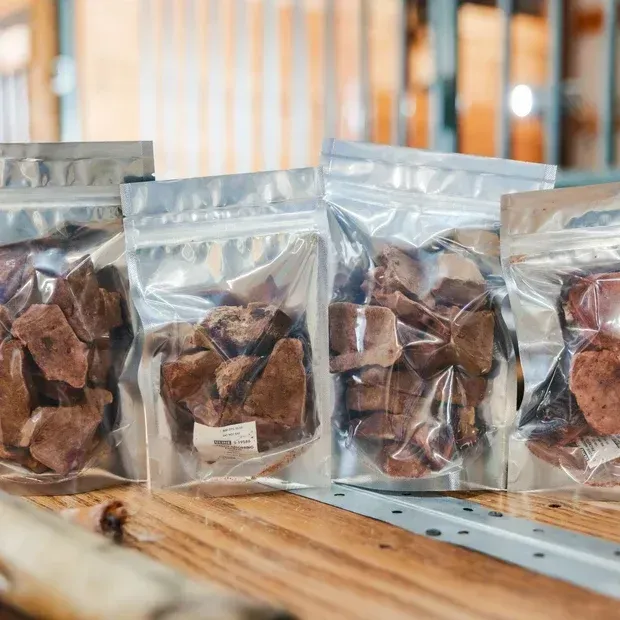
When it comes to providing your dog with healthy and tasty treats, choosing the right option is essential. Treats play a vital role in your dog’s diet, offering not only flavor but also nutritional benefits. Among the many options available, beef-based treats are particularly popular due to their high protein content, palatability, and suitability for dogs of all breeds and sizes. Why Choose Beef Chunks for Dogs Beef chunks for dogs are an excellent way to provide protein-rich nutrition while keeping your pet engaged and satisfied. High-quality beef is packed with essential amino acids, which support muscle development, healthy skin, and a shiny coat. Unlike some processed treats, beef chunks offer a natural, minimally processed option that dogs love. Additionally, beef chunks serve as a perfect reward during training sessions or as a regular snack. Their chewy texture helps promote dental health by reducing plaque and tartar buildup while satisfying a dog’s natural urge to chew. Because of these benefits, beef chunks have become a staple in many dog owners’ treat collections. Brand favorites, such as Ugly Chews , have risen to the top as best-selling options. Ugly Chews combines durability, flavor, and safety, making them ideal for both small and large dogs. Their beef chunks are crafted to be long-lasting, entertaining, and nutritious, giving pet owners confidence that their dogs are enjoying a safe, high-quality treat. Nutritional Benefits of Beef Chunks Beef chunks provide several important nutritional benefits: High Protein Content: Supports muscle growth, energy, and overall vitality. Rich in Vitamins and Minerals: Beef naturally contains essential nutrients such as iron, zinc, and B-vitamins, which are important for metabolism, immune function, and overall health. Low in Fillers: Premium beef treats often contain fewer additives, preservatives, and fillers, reducing the risk of digestive issues. Supports Dental Health: Chewing firm beef chunks helps remove plaque and maintain healthy teeth. By choosing high-quality beef chunks, you’re not only providing a tasty snack but also contributing to your dog’s long-term health. Types of Beef Chunks for Dogs Beef chunks come in various forms to suit different dog preferences and needs: Dehydrated Beef Chunks: These are firm, chewy treats that last longer and provide a satisfying texture for dogs that enjoy gnawing. Freeze-Dried Beef Chunks: These treats retain more natural nutrients and flavor, making them ideal for dogs with sensitive stomachs. Soft Beef Chunks: Perfect for smaller dogs or puppies, these treats are easier to chew while still providing nutritional benefits. Flavored Varieties: Some beef chunks include natural flavors like liver or sweet potato for added taste appeal. Choosing the right type of beef chunk depends on your dog’s size, chewing habits, and dietary preferences. Best-selling options like Ugly Chews offer a variety of textures and sizes, making it easy to find a treat suitable for your dog. Tips for Serving Beef Chunks To ensure your dog enjoys beef chunks safely, consider these tips: Portion Control: Treats should complement, not replace, a balanced diet. Use small portions appropriate for your dog’s size. Supervise Chewing: Especially with large or aggressive chewers, monitor your dog to prevent choking hazards. Rotate Treats: Offer variety to keep your dog interested and provide a range of nutrients. Storage: Store beef chunks in a cool, dry place to maintain freshness and quality. By following these simple guidelines, you can safely incorporate beef chunks into your dog’s diet as a healthy and enjoyable treat. Training and Reward Benefits Beef chunks are not just a snack—they’re a valuable tool for training and positive reinforcement. Dogs respond well to high-value treats like beef, making them ideal for teaching new commands, rewarding good behavior, or celebrating special occasions. Because beef chunks are flavorful and easy to portion, they work perfectly for multiple training sessions without overfeeding. Brands like Ugly Chews offer bite-sized chunks that make training convenient while keeping your dog motivated. Positive reinforcement with these treats can strengthen the bond between you and your pet while encouraging good behavior. Why Dogs Love Beef Chunks Dogs naturally enjoy the taste and aroma of beef, which makes beef chunks a highly palatable option. The chewy texture provides mental stimulation and satisfies the instinctive need to chew, which can reduce boredom and destructive behavior. Premium brands prioritize natural ingredients, so your dog gets a treat that tastes great and is free from unnecessary chemicals or fillers. Ugly Chews , for example, ensures that every beef chunk is crafted with safety, durability, and flavor in mind, making it one of the most trusted names in dog treats. Health Considerations While beef chunks are generally healthy, it’s important to consider your dog’s specific dietary needs. Dogs with allergies or sensitivities may require limited-ingredient or specially formulated options. Always consult your veterinarian before introducing new treats, particularly if your dog has health conditions such as kidney issues or obesity. Premium products like Ugly Chews provide transparency regarding ingredients, helping pet owners make informed choices. This ensures your dog receives high-quality, nutritious treats that support overall wellness. Conclusion Beef chunks for dogs are a delicious, nutritious, and versatile treat that satisfies your pet’s natural chewing instincts while supporting health and well-being. Their protein content, essential nutrients, and engaging texture make them ideal for snacks, training, or rewards. Trusted brands like Ugly Chews have made these treats a best-seller, combining durability, flavor, and safety for dogs of all sizes. By incorporating beef chunks into your dog’s routine responsibly, you’re offering a treat that promotes happiness, dental health, and overall vitality, making every snack time enjoyable.