Are Thick Rawhide Chips Safer for Dogs? Benefits and Risks
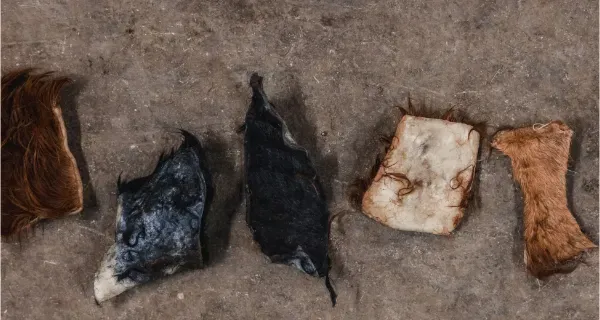
Dogs naturally enjoy chewing, and the right chew can provide an engaging activity while satisfying their instinct to gnaw. Pet owners often compare different chew sizes, thicknesses, and textures to find an option that suits their dog's habits. However, a chew that appears stronger or more durable is not necessarily safer. Understanding the material, product quality, and potential hazards is essential before introducing a new treat.
When asking are thick rawhide chips safer for dogs, the answer depends on how the individual dog chews and how the product is made. Thicker chips may be more durable than thin pieces, but they can still break apart, become choking hazards, or cause digestive blockages if swallowed. Thickness alone does not guarantee safety, so choosing an appropriate chew and supervising every session remain important.
What Are Thick Rawhide Chips for Dogs?
Thick rawhide chips are chewable pieces made from processed cattle hide. The hide is cleaned, prepared, and dried to create a firm texture that dogs can work on while chewing. Compared with thinner chips, thicker pieces may take longer for some dogs to break down.
These products vary in shape, density, size, and manufacturing methods. Some contain only hide, while others may include added ingredients or flavorings. Reading the packaging helps you understand what the product contains and how it should be used.
It is also important to distinguish between thickness and overall size. A thick chip may still be too small for a large dog, while a large, dense piece may be unsuitable for a dog with sensitive teeth. Both dimensions matter when evaluating a chew.
Are Thick Rawhide Chips Safer Than Thin Chips?
Thicker rawhide chips may last longer for some dogs, but they are not automatically safer than thinner alternatives. The main concern is how the dog interacts with the chew.
A thin chip might soften or break apart quickly, while a thick piece may remain firm for longer. However, a powerful chewer could still break off a large piece of thick rawhide and swallow it. That can create a choking risk or lead to an intestinal obstruction.
Consider these factors when comparing the two:
Durability: Thick chips may withstand chewing for longer, depending on their density and construction.
Swallowing risk: Both thin and thick chips can become hazardous if swallowed in unsuitable pieces.
Tooth safety: A very hard or dense chew may damage teeth, regardless of its thickness.
Dog size: The overall dimensions must suit the dog's mouth and chewing behavior.
Product quality: Processing, ingredients, and consistency can differ among manufacturers.
Rather than assuming thicker is better, assess the complete product and your dog's individual chewing style.
Potential Benefits of Thick Rawhide Chips
1. An Engaging Chewing Activity
Dogs often enjoy working on firm treats. A suitable chew can help occupy them during supervised downtime and provide an outlet for normal chewing behavior.
The time a chew lasts varies with its size, texture, and the dog's jaw strength. A thicker chip may last longer for some dogs, but this should not be treated as a guarantee.
2. Different Options for Chewing Preferences
Rawhide products come in a range of shapes and thicknesses. This variety allows pet owners to compare products based on their dog's size and chewing habits.
However, dogs that gulp treats or break them into large chunks may be poor candidates for edible hide chews. A non-edible rubber enrichment toy may be a better option for these dogs.
3. Possible Mechanical Cleaning of Tooth Surfaces
Chewing may help remove some debris from tooth surfaces through friction. Nevertheless, rawhide chips are not a substitute for regular toothbrushing or veterinary dental care.
Avoid excessively hard products, particularly for dogs with dental disease, damaged teeth, or sensitive mouths. Ask your veterinarian about suitable dental-care options if you are unsure.
Risks of Thick Rawhide Chips
Even a thick rawhide chip can present several risks.
Choking and Intestinal Blockage
A dog may break off and swallow a piece that becomes lodged in the throat or digestive tract. Larger swallowed pieces can cause a potentially serious intestinal obstruction.
Digestive Upset
Some dogs develop vomiting, diarrhea, or stomach discomfort after consuming rawhide. Individual tolerance varies, and dogs with existing digestive conditions may need alternatives.
Tooth Fractures
Very hard chews can fracture teeth. Thickness does not tell you whether a product is appropriately firm for your dog's teeth.
Ingredient and Processing Differences
Rawhide products differ in how the hide is sourced and processed. Look for clear ingredient lists and transparent manufacturing information rather than relying solely on descriptions such as natural or premium.
If your dog has difficulty breathing, seek emergency veterinary care. Repeated vomiting, abdominal pain, retching, or difficulty passing stool after swallowing a piece requires urgent veterinary assessment.
How to Choose a Suitable Rawhide Chip
If you are considering rawhide chips for your dog, use these guidelines to assess the product.
Check the size: Select a chew that is appropriately sized for your dog and cannot easily be swallowed whole.
Assess chewing behavior: Dogs that gulp treats or break them into chunks may need a different option.
Read the ingredients: Confirm what the chew contains and check for ingredients your dog cannot tolerate.
Review product information: Look for details about sourcing, processing, and recommended use.
Supervise closely: Stay nearby and remove the chew if it becomes small, damaged, or easy to swallow.
Consider dental health: Avoid hard chews that may damage your dog's teeth.
Puppies, senior dogs, and dogs with dental or digestive problems may require special consideration. Consult a veterinarian before introducing rawhide if your dog has a history of swallowing chews or gastrointestinal obstruction.
Thick Rawhide Chips vs. Other Natural Dog Chews
Thick rawhide chips are one option among several products designed for chewing. Other choices include hide rolls, strips, and appropriately selected non-edible chew toys. Each has different characteristics, and none is suitable for every dog.
When comparing products, consider durability, dimensions, ingredients, and the likelihood that your dog will swallow pieces. For dogs that chew aggressively, an edible hide product may not be the best choice, even if it is thick.
Owners seeking dental benefits should also consider veterinary-approved dental products rather than assuming that any firm chew will clean teeth effectively.
Why Consider Ugly Chews?
For pet owners interested in natural animal-hide products, Ugly Chews is a brand worth considering. The company focuses on cattle-hide dog chews and emphasizes simple processing, sun-drying, and a zero-waste approach.
Its product range includes hide rolls and chips, chunks, and scraps. If you are comparing hide chews, review each product's dimensions, ingredients, and feeding guidance to determine whether it suits your dog's chewing habits.
Frequently Asked Questions
1. Are thick rawhide chips better than thin ones?
They may last longer for some dogs, but thickness does not guarantee safety. Overall size, density, chewing behavior, and swallowing risk are also important.
2. Can large dogs have thick rawhide chips?
Some large dogs may chew them appropriately, but powerful chewers can still swallow dangerous pieces. Choose carefully and supervise every session.
3. Do thick rawhide chips last longer?
They may last longer than thinner chips, depending on their construction and the dog's chewing strength. Actual chewing time varies.
4. Can thick rawhide chips damage teeth?
Yes. Very hard or dense chews can fracture teeth, regardless of thickness. Dogs with dental problems may need softer alternatives.
5. What is a safer alternative to rawhide chips?
Depending on your dog's needs, a suitable rubber chew toy or veterinarian-approved dental chew may be preferable, particularly for dogs that swallow pieces whole.
Conclusion
Thick rawhide chips may offer a longer chewing experience for some dogs, but they are not inherently safer than thinner chips. Choking, intestinal blockage, digestive upset, and tooth damage remain possible. The most important considerations are your dog's chewing behavior, the product's size and texture, and consistent supervision.
Before choosing a hide chew, assess your dog's individual needs and consult your veterinarian if you have concerns. You can also compare the natural hide products available from Ugly Chews, keeping safety and appropriate sizing at the center of your decision.