Can Dogs Eat Raw Chicken Feet? Benefits, Risks, and Safer Feeding Tips
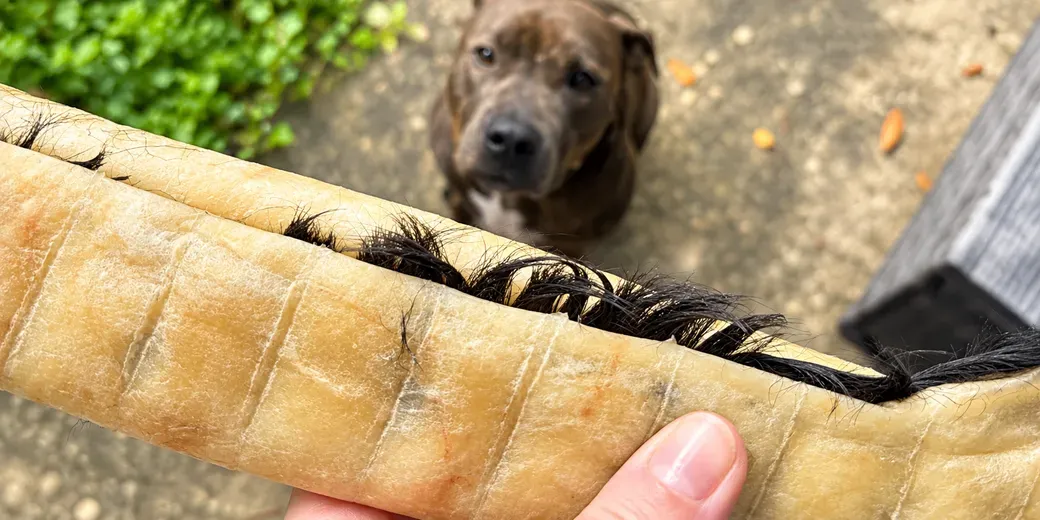
Many dogs enjoy chewing on animal-based treats, and chicken feet are sometimes offered as a natural snack. They contain connective tissue, cartilage, skin, and small bones, making them different from ordinary meat treats. However, before adding them to your dog's diet, it is important to understand how preparation methods and individual health needs affect their suitability.
When asking can dogs eat raw chicken feet, pet owners should consider both the potential nutritional benefits and the risks associated with raw animal products. Raw chicken feet may contain nutrients such as collagen and protein, but they can also carry harmful bacteria, including Salmonella and Campylobacter. Their small bones and the way a dog chews can create additional concerns. Understanding these factors helps owners make informed decisions about appropriate treats.
What Are Raw Chicken Feet?
Raw chicken feet are the uncooked feet of chickens, consisting of skin, tendons, cartilage, connective tissue, and small bones. Some people feed them as occasional treats because of their texture and naturally occurring nutrients.
Chicken feet are available raw, dehydrated, and freeze-dried. These forms differ in preparation and potential hazards, so they should not automatically be considered interchangeable. Raw products can carry foodborne pathogens, while dried products may still present choking or bone-related risks.
Potential Benefits of Chicken Feet for Dogs
1. Naturally Occurring Collagen
Chicken feet contain connective tissues that provide collagen. Collagen is a structural protein found in tendons, cartilage, skin, and other tissues. Although chicken feet contain collagen, eating them does not guarantee improvements in joint health or mobility.
2. Protein and Other Nutrients
Chicken feet contain protein and small amounts of other nutrients. However, their nutritional composition varies, and they are not a complete, balanced meal for dogs. They should not replace a nutritionally complete dog food.
3. Chewing Engagement
Some dogs enjoy the texture of animal-based treats. Chewing can provide enrichment, but raw chicken feet are not suitable for every dog, particularly those that gulp food or attempt to swallow treats whole.
What Are the Risks of Raw Chicken Feet?
1. Bacterial Contamination
Raw poultry can carry harmful bacteria such as Salmonella and Campylobacter. These organisms can cause illness in dogs and people handling contaminated food, bowls, or surfaces. Dogs may also shed pathogens without showing obvious symptoms, creating risks for household members.
Children, older adults, pregnant people, and individuals with weakened immune systems may be particularly vulnerable to foodborne illness. Careful handling reduces exposure but cannot guarantee that raw chicken feet are free from pathogens.
2. Choking and Bone Injuries
Chicken feet contain small bones that may pose choking or injury risks. Depending on how a dog bites and swallows them, bone fragments can irritate or injure the digestive tract. Raw bones are not automatically safe simply because they are uncooked.
3. Digestive Problems
Some dogs may experience vomiting, diarrhea, or constipation after eating unfamiliar or rich animal-based treats. Dogs with a history of pancreatitis, digestive disorders, or dietary sensitivities may need to avoid certain high-fat or unconventional treats.
4. Excess Calories
Treats contribute to daily calorie intake. Feeding too many can lead to weight gain and disrupt the balance of a dog's regular diet. Treats should generally account for no more than 10% of daily calories.
Are Cooked Chicken Feet Safe for Dogs?
Cooked chicken feet are generally not recommended because cooking makes bones more brittle, increasing the possibility of splintering. Cooked bone fragments may cause choking, mouth injuries, or damage to the digestive tract.
Never give your dog cooked chicken bones as a chew. If you want to offer chicken-based treats, consider a commercially prepared, boneless dog treat with clearly listed ingredients and appropriate feeding instructions.
How to Choose Suitable Treats for Your Dog
When selecting treats, consider your dog's size, age, chewing habits, dental health, and digestive history.
Check the ingredients: Look for clear labeling and avoid ingredients that your dog is known to react to.
Consider the texture: Extremely hard products may damage teeth, while small pieces can become choking hazards.
Choose an appropriate size: Treats should match your dog's size and chewing behavior.
Supervise chewing: Stay nearby and remove products that become small, damaged, or easy to swallow.
Introduce new treats gradually: Watch for digestive upset or other unusual reactions.
Ask your veterinarian: Seek guidance if your dog has medical conditions or requires a specialized diet.
No chew or treat is completely risk-free. Choosing a product specifically designed for dogs is generally preferable to improvising with animal bones.
Natural Treat Options from Ugly Chews
For owners looking for alternatives to raw poultry, Ugly Chews offers products made for different treating and chewing needs. Its freeze-dried liver treats provide a meat-based reward without the bones found in chicken feet. They may be useful for training or occasional rewards when fed according to the product instructions.
Ugly Chews also offers beef hide products for dogs that enjoy chewing. However, beef hide is not the same as a boneless meat treat, and hide-based chews carry their own risks, including choking and digestive obstruction if pieces are swallowed.
Choose the product that matches your dog's needs, review its ingredients, and supervise chewing sessions. For dogs with food sensitivities or medical conditions, consult a veterinarian before introducing a new treat.
Tips for Feeding Treats Responsibly
Keep portions moderate: Treats should complement, not replace, a complete and balanced diet.
Maintain good hygiene: Wash your hands and clean food-contact surfaces after handling animal products, especially raw poultry.
Avoid risky bones: Do not feed cooked chicken feet or other cooked bones.
Monitor your dog: Watch for vomiting, diarrhea, abdominal discomfort, or difficulty passing stool after a new treat.
Seek veterinary help when needed: Choking, repeated vomiting, severe abdominal pain, or suspected swallowed bone fragments require prompt veterinary advice.
If your dog has already eaten raw chicken feet, contact your veterinarian for advice based on the quantity eaten, your dog's size, and any symptoms. Do not induce vomiting unless a veterinary professional specifically instructs you to do so.
Frequently Asked Questions
1. Can puppies eat raw chicken feet?
Raw chicken feet are not an ideal choice for puppies because of bacterial contamination and bone-related risks. Ask your veterinarian to recommend suitable treats for your puppy's age and size.
2. Do raw chicken feet clean dogs' teeth?
Chewing may remove some debris, but raw chicken feet are not a reliable substitute for toothbrushing or veterinary dental care. Bone chewing can also injure teeth or the mouth.
3. Can raw chicken feet cause diarrhea?
Yes. Bacteria, dietary changes, or individual sensitivities can cause digestive upset. Contact your veterinarian if diarrhea is severe, persistent, or accompanied by other concerning symptoms.
4. Are dehydrated chicken feet safer than raw ones?
Dehydration may reduce moisture, but safety depends on the processing method and product. Dried chicken feet can still pose bone, choking, and contamination concerns.
5. How often can dogs eat chicken feet?
There is no universally suitable frequency. Because raw chicken feet carry bacterial and bone-related risks, ask your veterinarian whether they are appropriate for your dog and discuss safer alternatives.
6. What are alternatives to chicken feet?
Options include appropriately sized commercial dog treats, boneless meat rewards, and veterinarian-recommended dental chews. The best choice depends on your dog's chewing style, health, and dietary needs.
Conclusion
Raw chicken feet contain collagen, protein, and connective tissue, but their potential benefits must be weighed against bacterial contamination, choking, bone injuries, and digestive problems. Raw or uncooked does not automatically mean safe, and cooked chicken feet are not recommended because cooked bones can splinter.
For a simpler treat option without chicken bones, consider the freeze-dried liver treats offered by Ugly Chews. Review the ingredients, follow feeding instructions, and consult your veterinarian when choosing treats for dogs with specific health needs. Responsible treat selection can help keep snack time enjoyable while reducing avoidable risks.