Innovating PVC Pipe Solutions

Explore the latest advancements, research insights, and sustainable practices in PVC pipe technology for water and wastewater infrastructure.
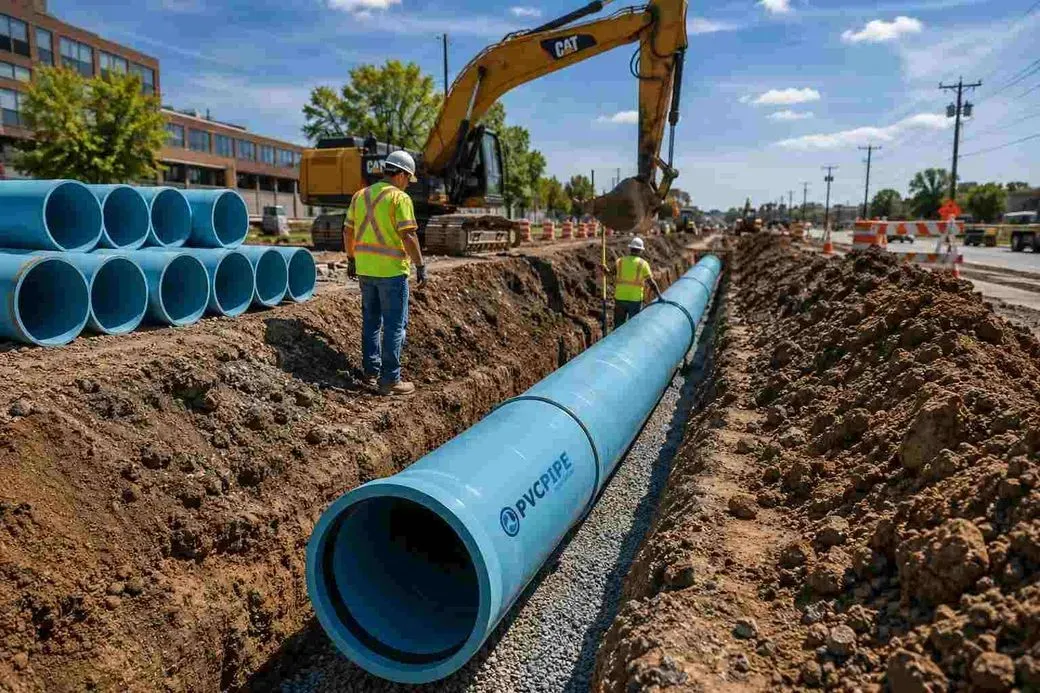
Tapping PVC Pipe: Getting the Connection Right the First Time

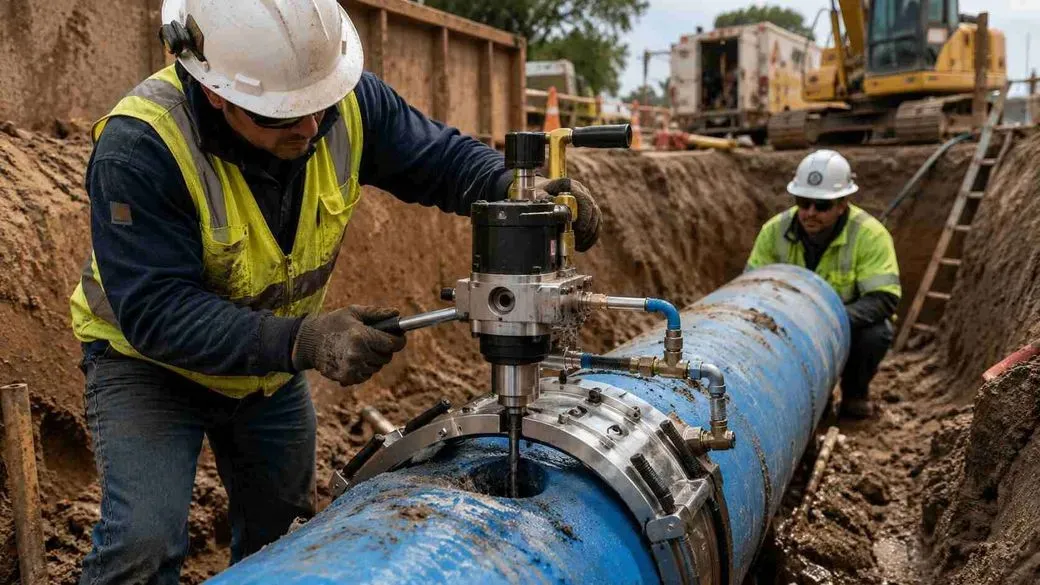
Adding a new connection to an existing water main is rarely as simple as drilling a hole and installing a fitting. In the field, every decision affects the reliability of the finished connection. Utilities often need to extend a distribution system, connect a new development, install a fire hydrant, or add another service line without interrupting water delivery. That is exactly where tapping PVC pipe becomes part of the job. Although the procedure is common, experienced contractors know that successful tapping depends on preparation just as much as equipment. A clean cut, the correct hardware, and proper installation practices all contribute to a connection that performs for decades rather than becoming a future maintenance issue. Every Tap Starts Before the Drill Touches the Pipe One of the biggest misconceptions about pipe tapping is that the operation begins when the tapping machine is mounted. In reality, most of the important work happens beforehand. The installer first confirms the pipe size, pressure class, and the exact location where the connection will be made. Bell ends, existing fittings, previous repairs, and other nearby appurtenances all influence where a tap should be placed. Choosing a poor location may not cause an immediate problem, but it can reduce the reliability of the connection over time. Clean pipe surfaces matter just as much. Dirt trapped beneath a saddle gasket or sealing surface can create problems that are difficult to diagnose once the system is back in service. Good installations usually look uneventful because most of the planning happened before any cutting began. PVC Doesn't Behave Like Metal Pipe Contractors who have spent years working with ductile iron or steel sometimes expect PVC to respond the same way during drilling. It doesn't. PVC pressure pipe machines differently. Excessive drilling pressure, worn cutters, or forcing equipment through the pipe wall can produce a rough opening instead of a clean one. The objective isn't to drill as quickly as possible. The objective is to create an opening that allows the new connection to seal properly without placing unnecessary stress on the pipe. That's why manufacturers recommend equipment specifically intended for PVC pressure pipe instead of assuming one tapping method works equally well for every material. Choosing the Right Tapping Method Not every project requires the same installation approach. Smaller service connections may allow direct tapping when permitted by the applicable recommendations. Larger outlets generally require tapping saddles or sleeves that distribute loads around the pipe more effectively. The choice depends on several factors, including branch size, operating pressure, and the hardware being installed. Selecting the correct components at the beginning is usually easier than correcting problems after the system has been placed back into operation. Experienced crews rarely ask which method is fastest. They ask which method is appropriate for the pipe they're working with. Small Details Often Make the Biggest Difference Many connection failures are linked to small installation details rather than defective materials. A cutter that has already completed dozens of taps may no longer produce the clean opening needed for a pressure connection. Bolts tightened unevenly can affect gasket compression. Misalignment during installation may introduce unnecessary stress before the line is even placed into service. None of these mistakes are dramatic while the work is being performed. They become noticeable months or years later when maintenance crews investigate leaks that could have been prevented during installation. That is why experienced utilities tend to standardize their tapping pipe procedures rather than allowing every crew to develop its own approach. Water Main Tapping Is More Than Making a Hole The purpose of water main tapping is not simply to create an opening in an existing pipeline. The goal is to add a reliable branch connection without compromising the integrity of the main. Every successful tap becomes part of a distribution system expected to remain in service for decades. That expectation changes how installers approach the work. They pay attention to cutter condition, hardware compatibility, drilling speed, alignment, and inspection because each step contributes to long-term performance. When those details are overlooked, even high-quality materials cannot compensate for poor installation practices. Following Proven Guidance Pays Off Every infrastructure project operates under different field conditions, but the principles behind a successful tap remain consistent. Proper preparation, compatible equipment, correct installation procedures, and careful inspection all contribute to a durable connection. Resources such as the Uni-Bell PVC Pressure Pipe Tapping Guide exist because utilities and contractors encounter the same installation challenges repeatedly. Learning from established guidance is often more effective than solving those problems through trial and error on an active job site. A well-executed tap rarely attracts attention after construction is complete. That's exactly the outcome every project team wants—a connection that quietly performs its job year after year while the water system continues serving the community.

What Information Can Engineers Find in a PVC Handbook?

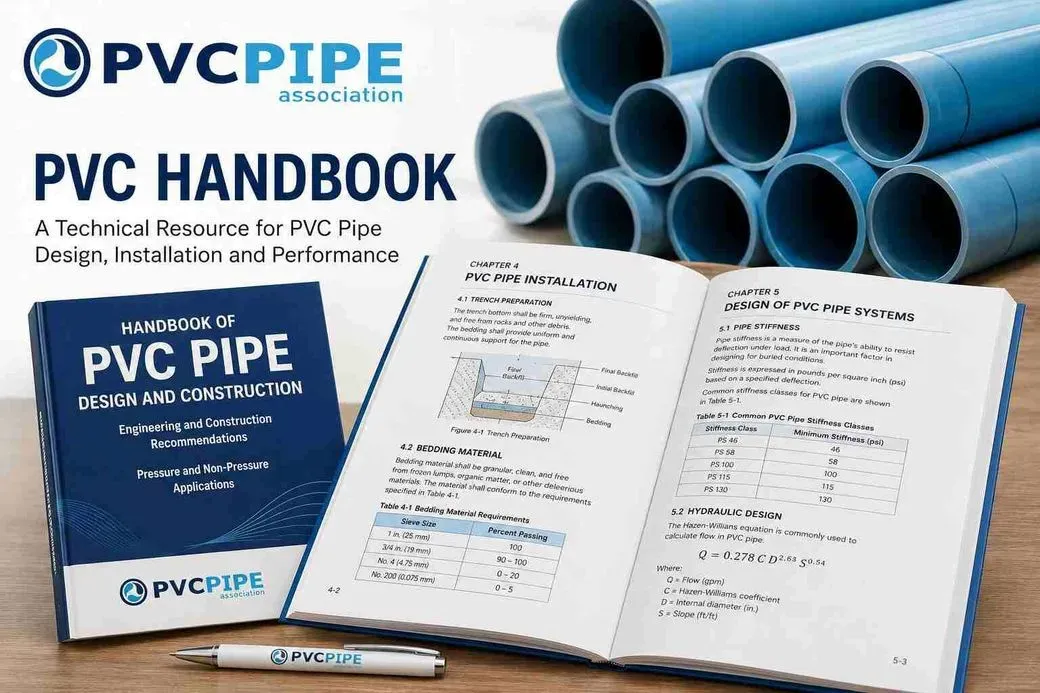
Not Every Project Question Has a Simple Answer Anyone who has worked on a pipeline project long enough knows that unexpected questions always appear. A specification that seemed clear during planning suddenly needs clarification. Installation crews encounter site conditions that differ from the original assumptions. Design teams find themselves reviewing details that didn't seem important a few weeks earlier. Situations like these are one reason technical references continue to play an important role in the pipe industry. While software, standards, and online resources are widely available, many engineers still rely on a PVC handbook when they need practical guidance that brings multiple topics together in one place. The value isn't simply the information itself. It's having information organized in a way that supports real-world decision-making. Where Most Design Discussions Begin Before a project reaches construction, countless decisions have already been made. Pipe selection, operating conditions, expected service life, and environmental factors all influence how a system is designed. At this stage, engineers are usually focused on understanding how different variables interact. Questions related to loading conditions, pressure requirements, and installation environments often appear long before the first section of pipe arrives on site. A comprehensive pipe handbook helps by consolidating technical guidance into a single reference. Instead of searching through multiple documents, professionals can review design recommendations, engineering considerations, and performance information in one location. For large infrastructure projects, that efficiency can save considerable time. Installation Questions Often Appear in the Field Design work may happen in an office, but installation challenges usually appear on the job site. A project that looks straightforward on paper can become more complicated once excavation begins. Soil conditions may vary across the site. Existing infrastructure can create unexpected obstacles. Weather conditions may influence construction schedules. This is where a PVC pipe installation guide becomes particularly useful. Installation recommendations help crews maintain consistency and reduce uncertainty when conditions are less than ideal. Experienced contractors already understand many of these principles, but even experienced teams benefit from having reliable references available when unusual situations arise. Why Bedding Receives More Attention Than People Expect Outside the industry, bedding is not a topic that receives much attention. Within pipeline construction, however, it is discussed far more often than many people realize. The reason is simple. Proper PVC pipe bedding material contributes to support, alignment, and long-term system performance. While bedding may seem like a relatively small part of the installation process, its role becomes much more significant when considering how a pipeline is expected to perform over decades of service. Different projects may require different approaches depending on soil conditions and design requirements. Because of that, bedding recommendations remain a common topic within technical guidance documents. Looking Beyond Individual Components Modern infrastructure projects rarely focus on a single product. Engineers increasingly evaluate complete PVC piping systems rather than examining components in isolation. A pipe may meet every specification, yet long-term performance depends on how the entire system functions after installation. Operational requirements, maintenance expectations, environmental conditions, and future expansion plans all contribute to the broader picture. This system-based perspective has become increasingly important as municipalities and utilities continue investing in long-term infrastructure improvements. Details That Can Influence Future Performance Some technical details appear routine during project planning, yet they often have a lasting impact. PVC pipe dimensions provide a good example. At first glance, dimensions may seem like basic specification data. In practice, they influence hydraulic performance, compatibility with existing infrastructure, installation planning, and future system modifications. Professionals responsible for long-term asset management understand that seemingly small details can influence project outcomes years after construction has been completed. A Resource Designed for Everyday Use Technical handbooks are often viewed as reference materials that sit on a shelf until needed. In reality, they are frequently consulted throughout planning, design, and construction activities. Engineers use them to verify information. Contractors use them to review installation recommendations. Project managers use them to better understand technical requirements that affect schedules and performance expectations. For that reason, a PVC handbook remains more than a collection of technical data. It serves as a practical resource that helps professionals navigate the decisions that accompany modern infrastructure projects. Conclusion Pipeline projects involve far more than selecting materials and following drawings. Every phase of a project introduces decisions that can influence long-term performance. A well-developed handbook helps bring together design guidance, installation practices, bedding recommendations, and system-level considerations in a format that supports informed decision-making. As infrastructure projects continue to grow in complexity, access to dependable technical information remains just as valuable as ever.

How to Choose Reliable PVC Pipe Manufacturers for Infrastructure Projects

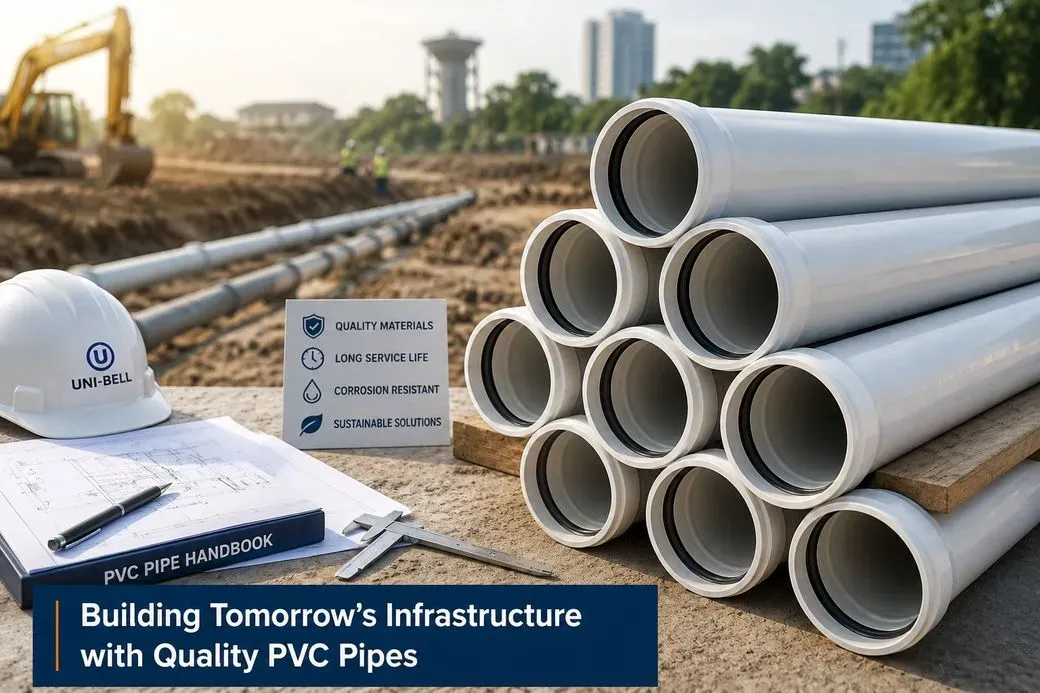
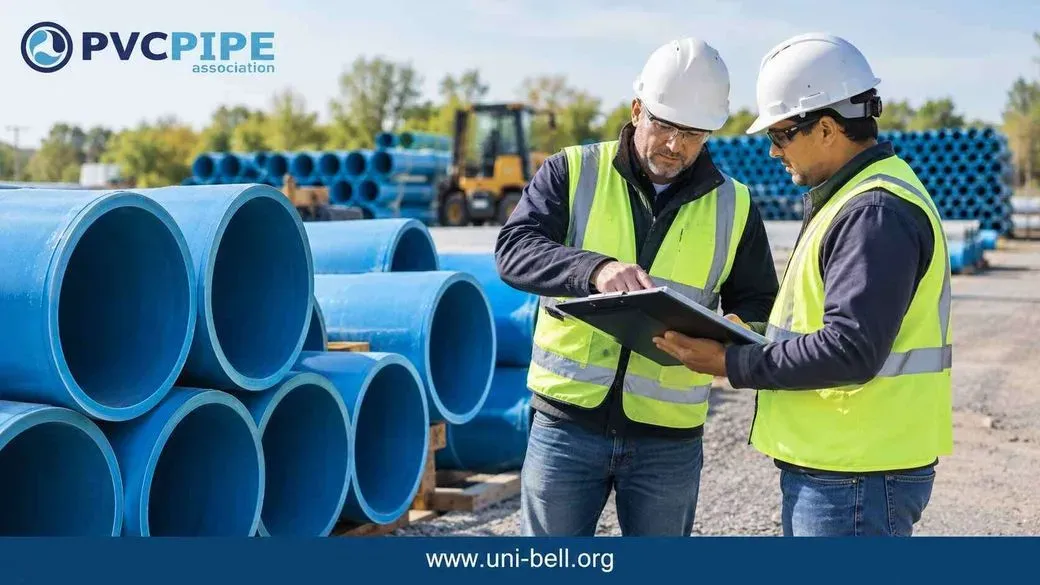
Introduction Infrastructure projects are built with the expectation that they will remain functional for many years. Water distribution systems, construction projects, and industrial networks are not designed for short-term use. Because of that, choosing materials is important, but choosing the manufacturer behind those materials can be equally important. PVC has become a preferred option in many projects because of its durability and long service life. Still, products that appear similar during purchasing do not always perform the same way after installation. The difference often comes down to production quality and consistency. Looking Beyond Initial Cost Price is usually one of the first things people compare. In large projects, that is understandable because budgets always influence decisions. However, lower pricing does not always lead to better value over time. Products that require frequent repairs or early replacement can create costs that were never visible during the procurement stage. In many situations, long-term performance becomes more important than the amount saved at the beginning. Why Manufacturing Quality Matters Not every manufacturer follows the same production process. Small differences in raw materials, testing procedures, and quality control practices can influence how products perform later. Reliable PVC pipe manufacturers usually focus on maintaining consistency throughout production. This helps create systems that remain dependable even after years of operation. Industry organizations such as the Uni-Bell PVC Pipe Association also provide technical guidance and resources that support quality-focused practices across the sector. Consider Real Project Experience Experience often reveals things that product specifications cannot. Manufacturers involved in large infrastructure projects usually gain practical knowledge from working in different environments and conditions. Looking at previous projects, performance records, and industry presence can help provide a clearer understanding of reliability. This often gives decision-makers more confidence than comparing product details alone. Think About Long-Term Performance Infrastructure systems are expected to continue operating long after installation is complete. Because of that, decisions should focus on durability and reliability rather than immediate cost alone. Many projects today are also moving toward more sustainable approaches, where materials are selected not only for performance but also for long-term efficiency. Conclusion Choosing between PVC pipe manufacturers involves more than reviewing pricing sheets or product catalogs. Quality standards, manufacturing consistency, and experience all influence how systems perform in the future. A strong decision at the beginning of a project often prevents larger problems from appearing later.