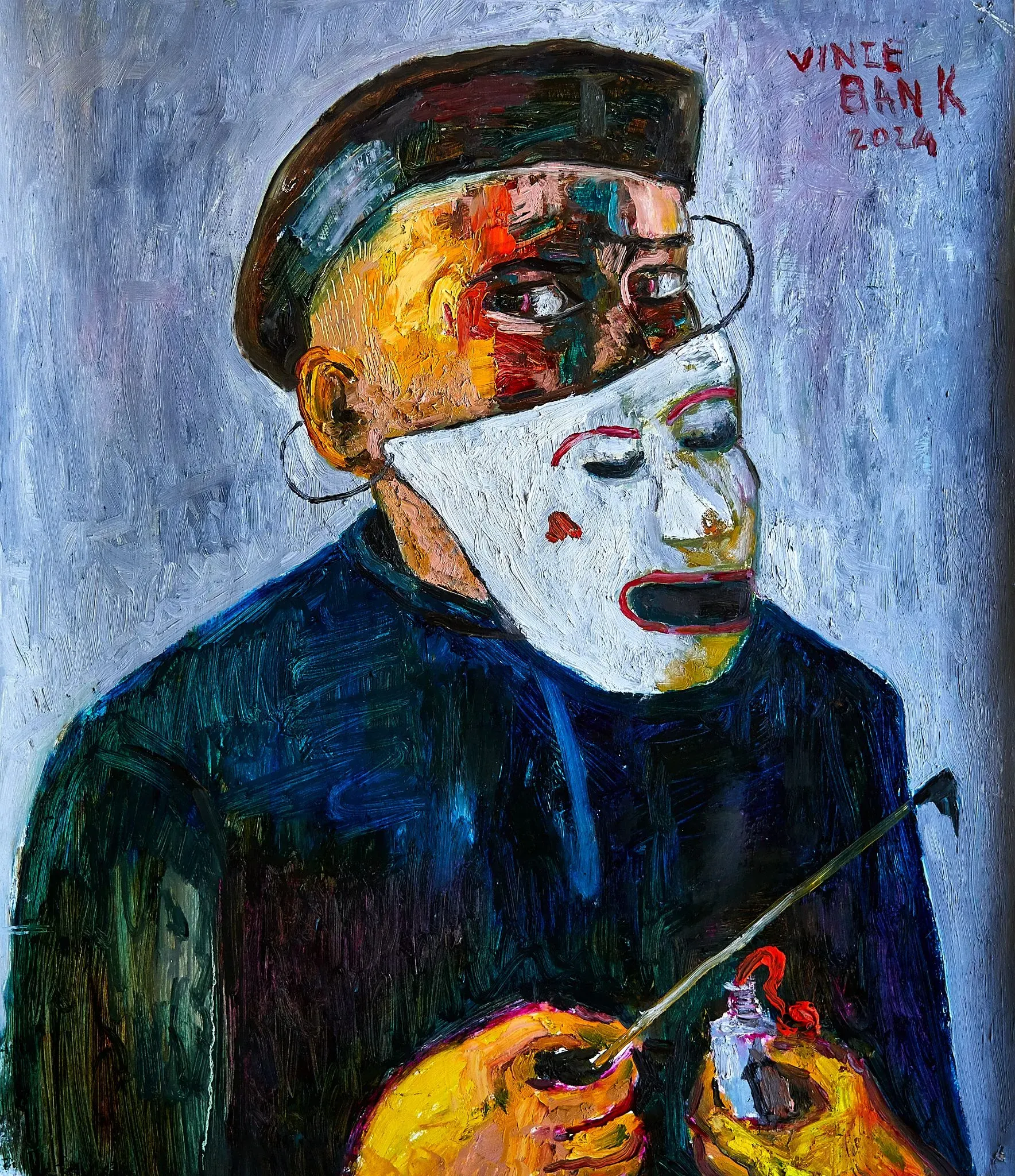
Vince Bank: Degenerate Art
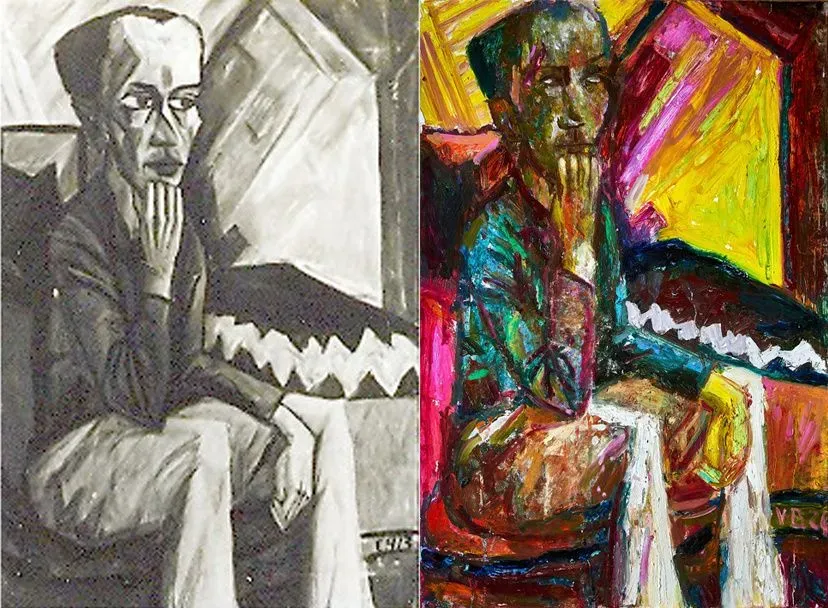
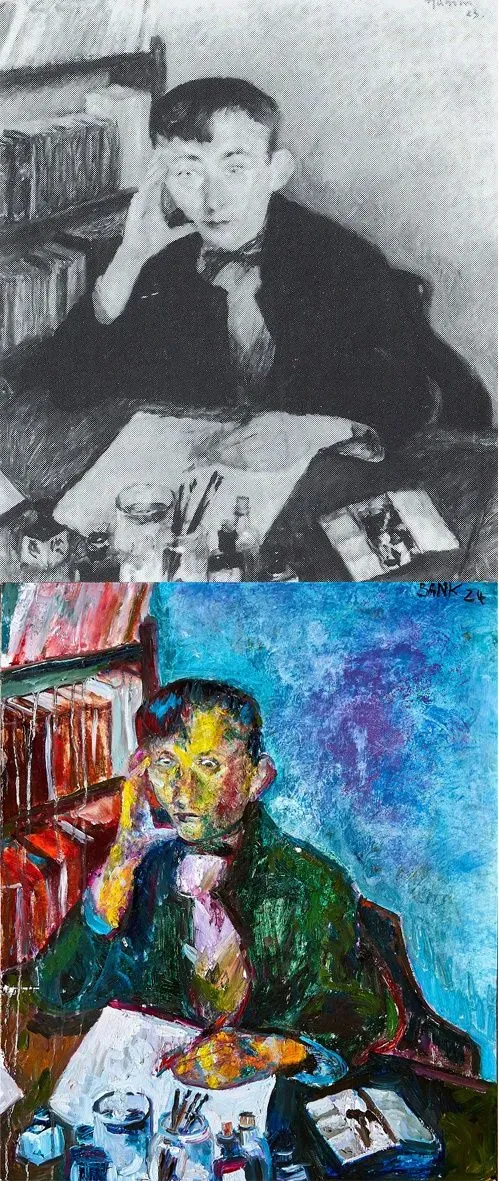
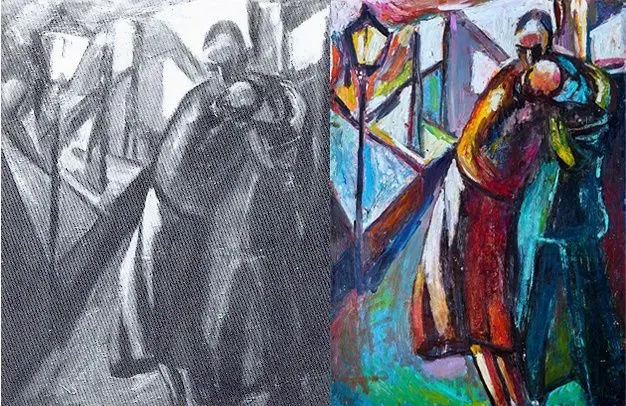
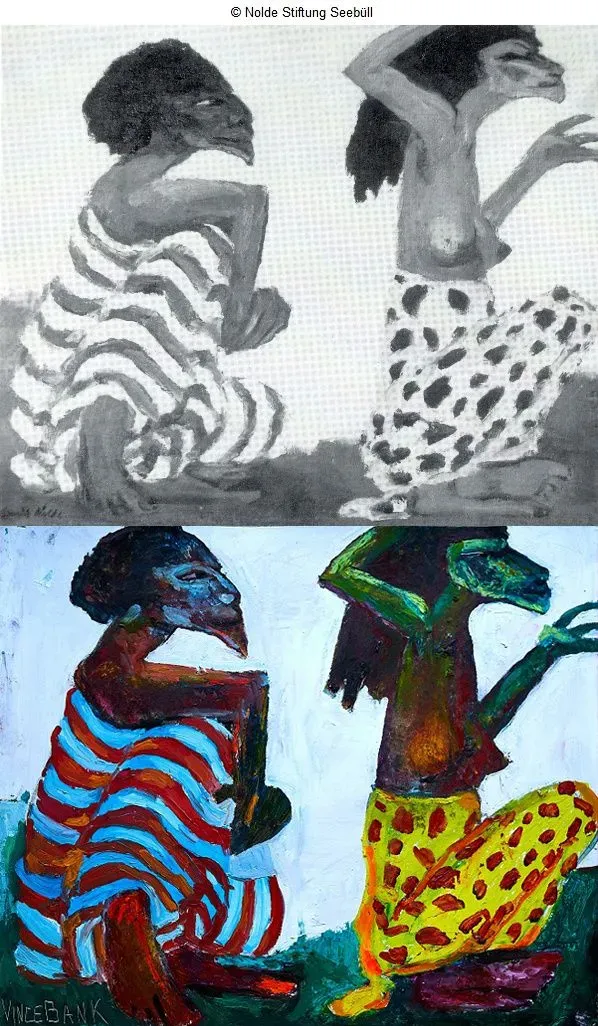
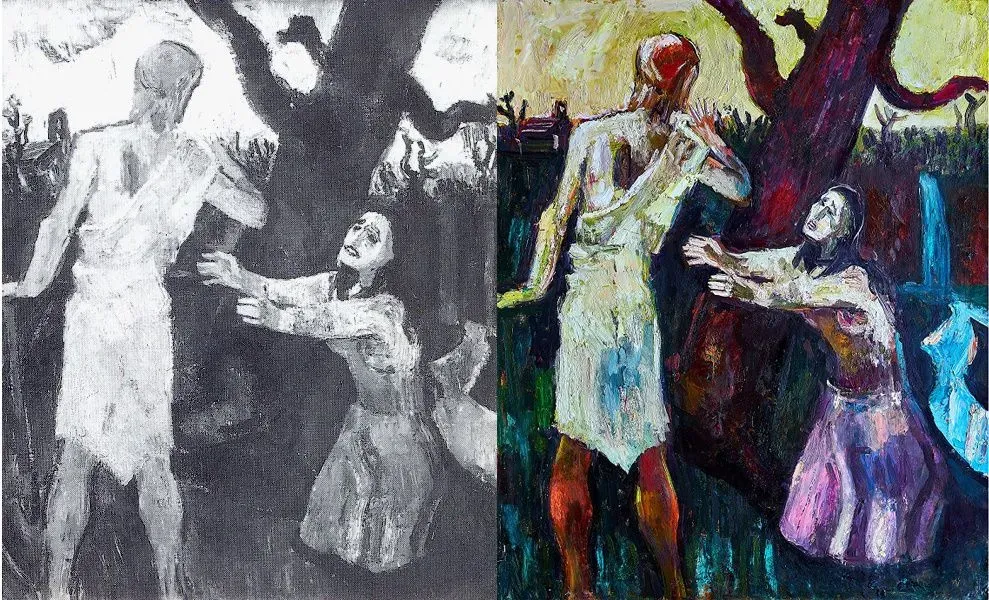
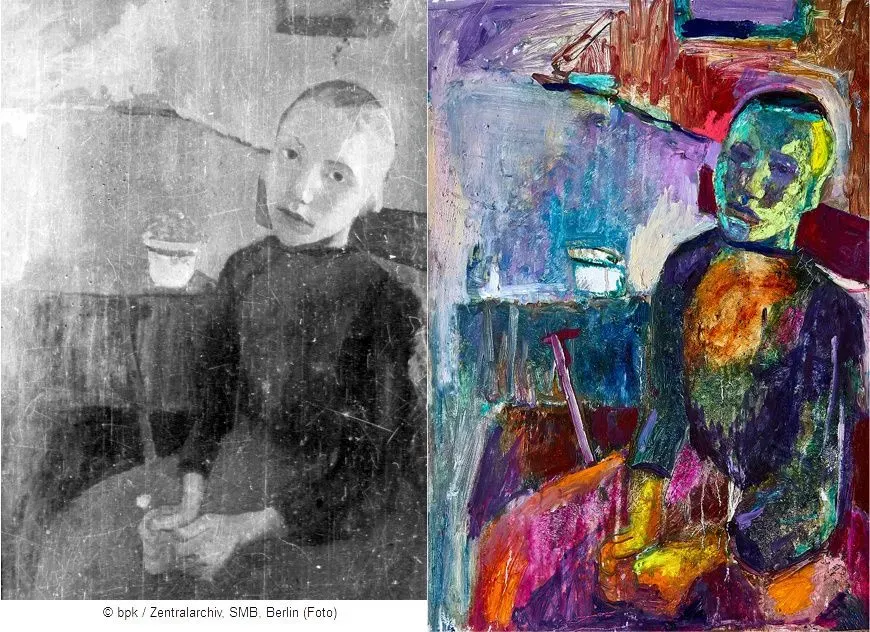
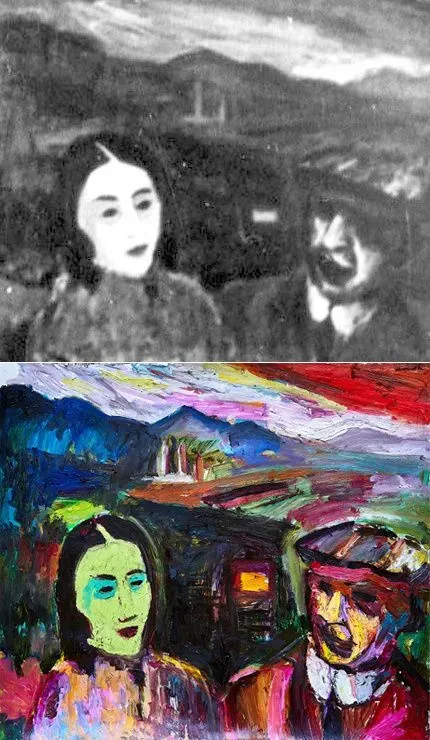
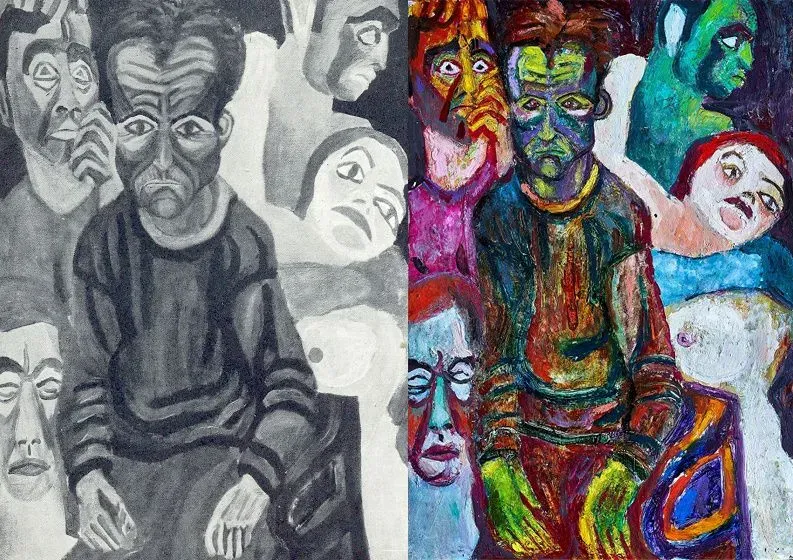
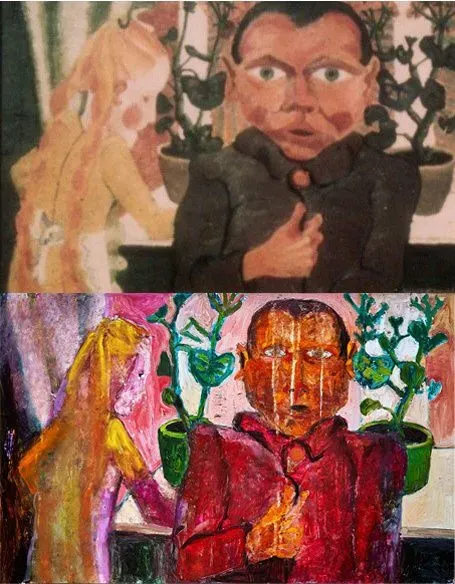
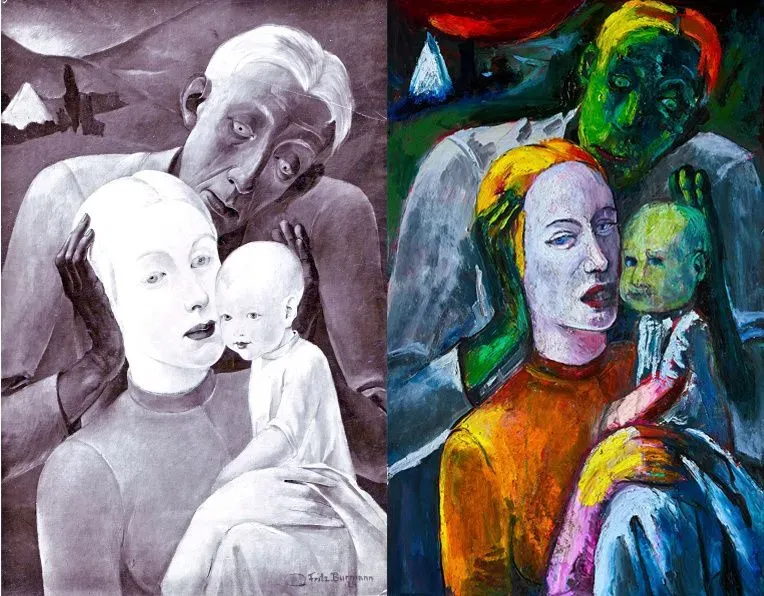
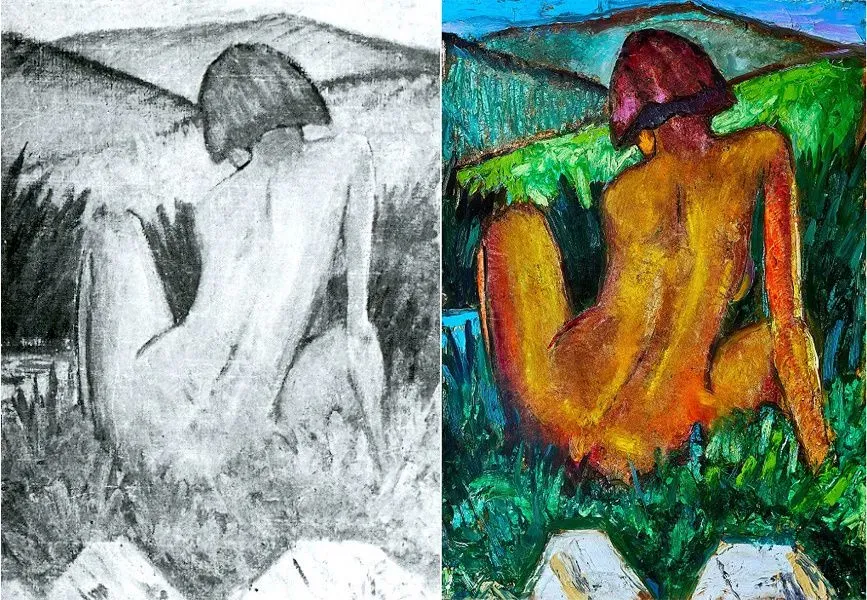
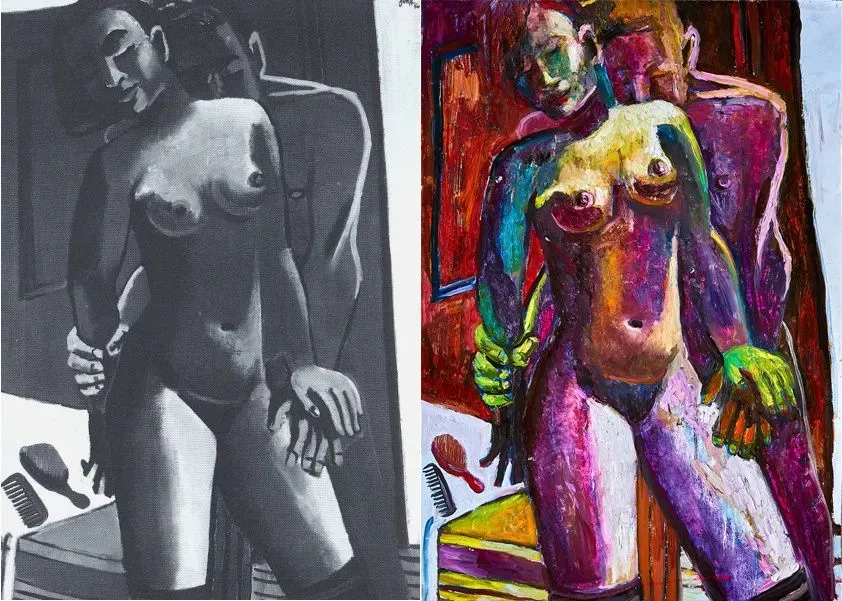
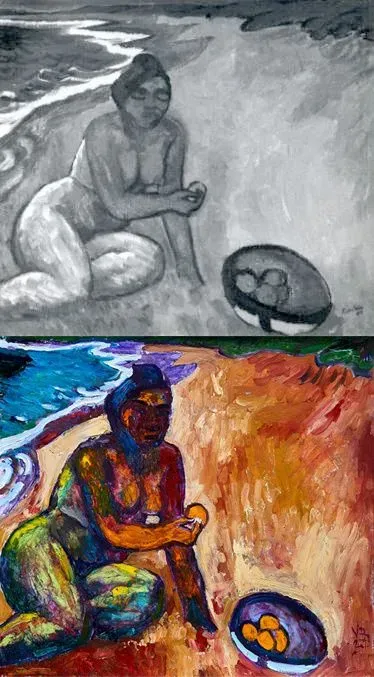
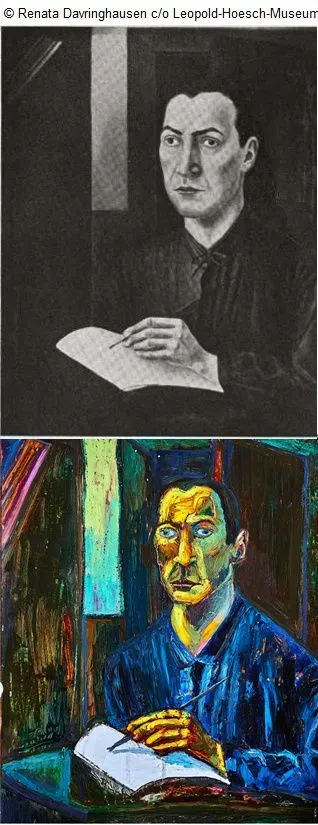
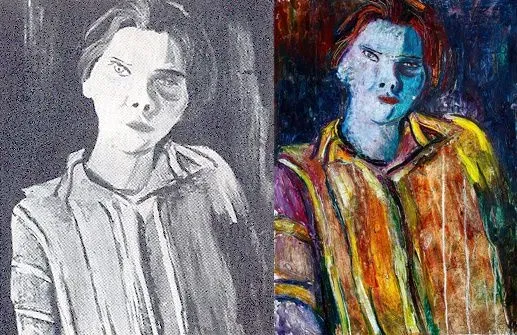
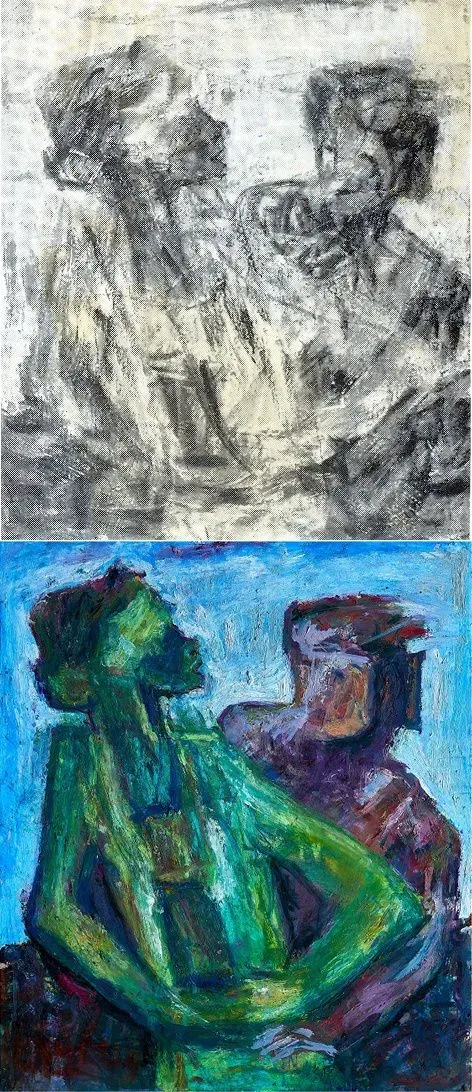
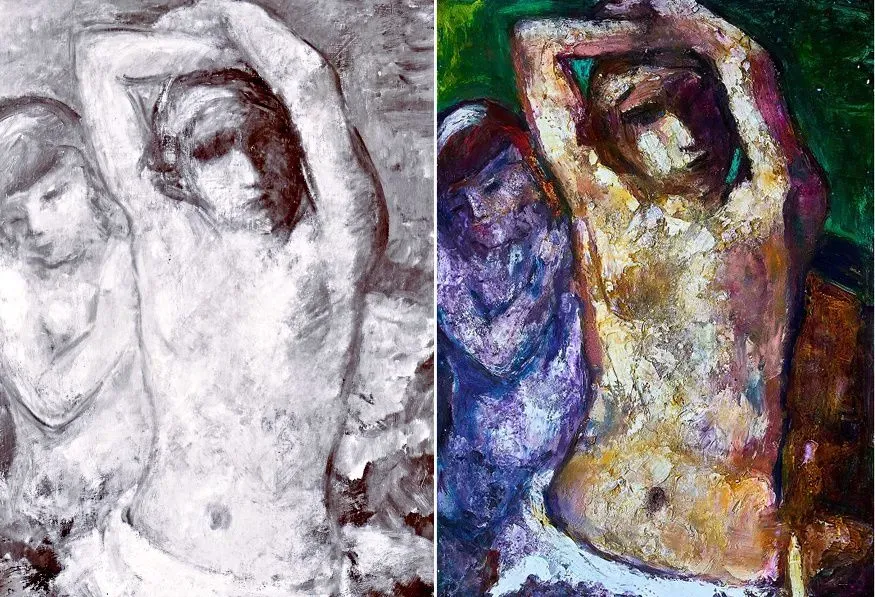
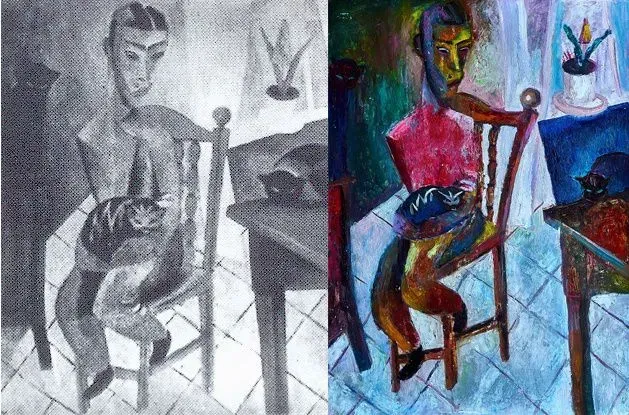
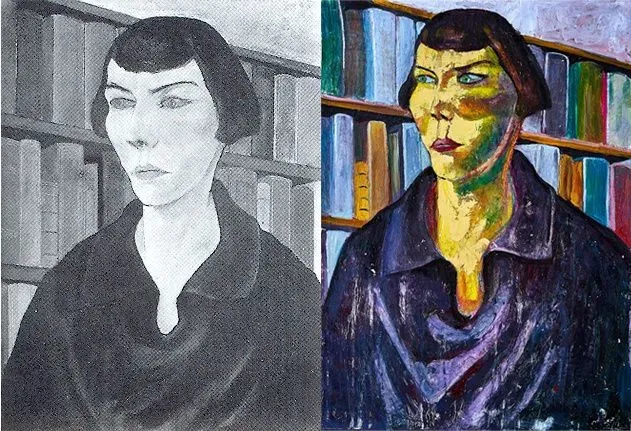
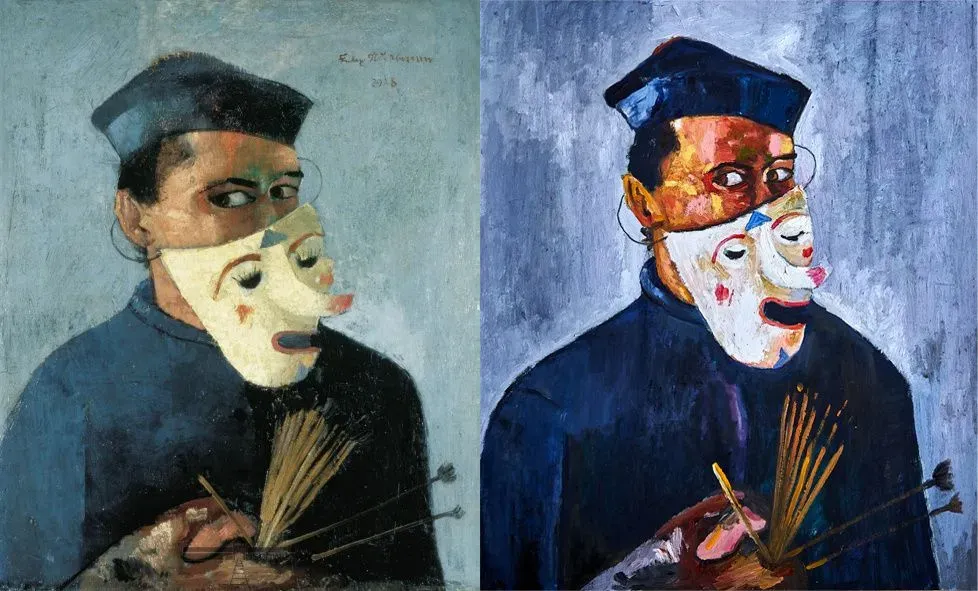
Bringing back to life paintings classified as "degenerate" by the Nazi regime in 1937, and considered destroyed or missing. Works have been freely copied from pictures taken at the time
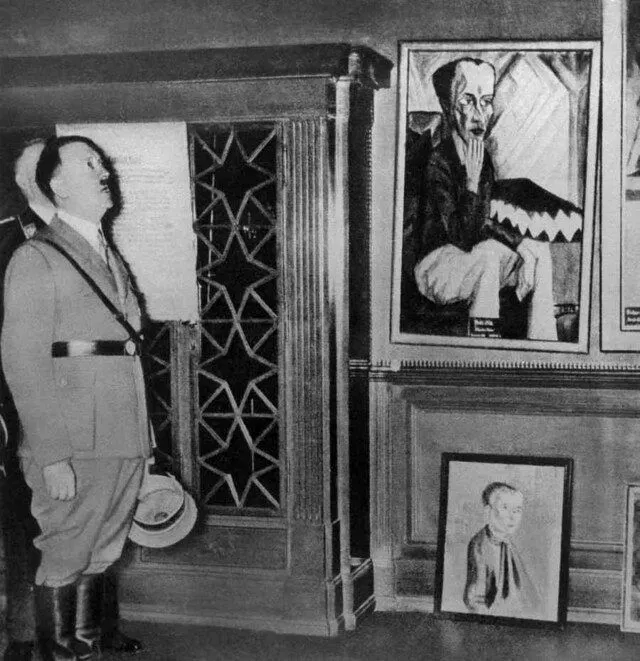
Resurecting Degenerate Art
This series consists of copying works classified as "degenerate" by the Nazi regime in 1937,
and considered destroyed or missing, with the aim of bringing them back to life. With a new visual existence I wanted to pay homage to artists, sometimes unknown, whose work has been eliminated for ideological reasons.
The University of Berlin has created a database (http://emuseum.campus.fu-berlin.de/eMuseumPlus)
which lists all works that were classified as “degenerate” by the Nazi regime. From this database, I have selected photos of works considered destroyed, or whose location is unknown, and have copied them freely especially because the only photos available are in black and white.
Degenerate art
In 1937, the Nazi regime organized the exhibition Entartete Kunst ("Degenerate Art") in Munich,
then in other German cities, with the aim of denouncing works that escaped the Nazi ideological vision of art.
The exhibition brings together works by hundreds of artists including Kandinsky, Kirchner, Chagall, Dix, who were accused of distorting reality, of propagating "foreign" ideals and of distancing
themselves from official Nazi art which advocated a ideal of Aryan and heroic beauty.
These works were described as "degenerate" for their formal and thematic aspects: expression of
feelings, rejection of traditional conventions, critiques of society, creativity characteristic of modern movements such as expressionism, cubism, surrealism, new objectivity. They were also largely associated with the art of the Weimar Republic, which had allowed the diffusion of these avant-garde works in German national museums; The Entartete Kunst exhibition is a means for the Nazis to illustrate the period of disorder of the Weimar Republic stemming from the humiliation of 1918, a propaganda tool for the return to a martial and conquering order - imposing a uniform vision and controlled cultivation.
These works were exposed to be ridiculed, and delivered to popular vindictiveness; they appeared alongside
virulent, anti-foreign, anti-Jewish slogans and compared to “degeneration” or illnesses – notably in exhibition
catalogs. At the same time, the regime organized exhibitions on German art, where heroism, ideal family,
monumental or smooth or “pure” aesthetics dominated.
German museums were therefore relieved of numerous pieces, part of which were used in the traveling
exhibition Entartete Kunst; Around 20,000 were confiscated, then sold abroad, destroyed or lost.
Part of it has survived and is once again on display in German museums.
Works