Responding to real needs
What I admire most about The Salvation Army’s approach to pioneering is its ability to identify pressing contemporary issues and respond effectively to real needs as they emerge.
When James Barker realised that entire families—including children—were producing matches with a toxic ingredient that led to necrosis of the jaw and bones, The Salvation Army boldly decided to purchase a match factory. Their goal was not profit but to compel the entire industry to change. I can only imagine the impact on the workers who benefited, not only from the replacement of harmful yellow phosphorus with a safer red variant, but also from an extraordinary 50% wage increase. Many of these workers must have wondered who would act so generously with no profit motive, and I am certain that, through this example, some came to understand Christ’s love and became believers. Following this, manufacturers abandoned their claim that switching was too expensive, resulting in industry-wide reform. What an inspiring illustration of pioneering and of expanding the boundaries of God’s Kingdom.
Although match factories are no longer a primary concern, I continue to admire The Salvation Army for recognising modern problems that many prefer to ignore—such as child trafficking and modern slavery—and for pioneering solutions.
Personal Examples of Grassroots Pioneering
Let me offer a few personal examples of grassroots pioneering that, if not already employed by The Salvation Army, might serve as potential ideas:
Neverland
Shortly after I became a Christian, while studying and living in the European Union, I discovered a large, multi-generational community near a newly built housing estate—hundreds of families with children were living in World War II-era buildings scheduled for demolition, many of whom were affected by domestic abuse and alcohol dependency. I had as little experience with vulnerable families as James Barker had with match production, yet I also understood that God often chooses to work through imperfect people who trust Him, revealing His power, compassion, grace, and love to others. Recognising a pressing need, I prayed for guidance and soon joined friends in establishing a lively centre devoted to supporting these children. My greatest joy was seeing some of them attend our Bible study, come to faith in Christ, and request baptism.
Art as a Transformative Tool
Understanding how profoundly art can reshape perspectives, I organised intensive, year-long workshops in painting, photography, animation, and video for the children from “Neverland.” They proudly displayed their creations at the “Neverland Exists” exhibition in the city centre, earning appreciation from peers and the wider community. Watching them gain confidence, discover their unique talents, and recognise their potential powerfully demonstrated art’s capacity to change lives.
Diaries of despair
After completing a missionary school in Germany, I was invited to support a missionary branch in one of the world’s most beautiful locations. To my shock, I discovered that beneath the beauty of this city and its entire region lay a serious issue—widespread anxiety, depression, and high suicide rates. These struggles remained largely taboo, especially among Christians. Despite the risks of “opening Pandora’s box,” I felt God calling me to address this issue alongside my friends. Together, we organised an exhibition, sharing stories of real people from the region who had faced these challenges but were saved by God. The event provided people with understanding and hope. At the time, I was unaware that more than 100 years earlier, in 1907, Alice Barker, wife of James Barker, had pioneered The Salvation Army’s international anti-suicide network. What incredible courage!
Identity crisis
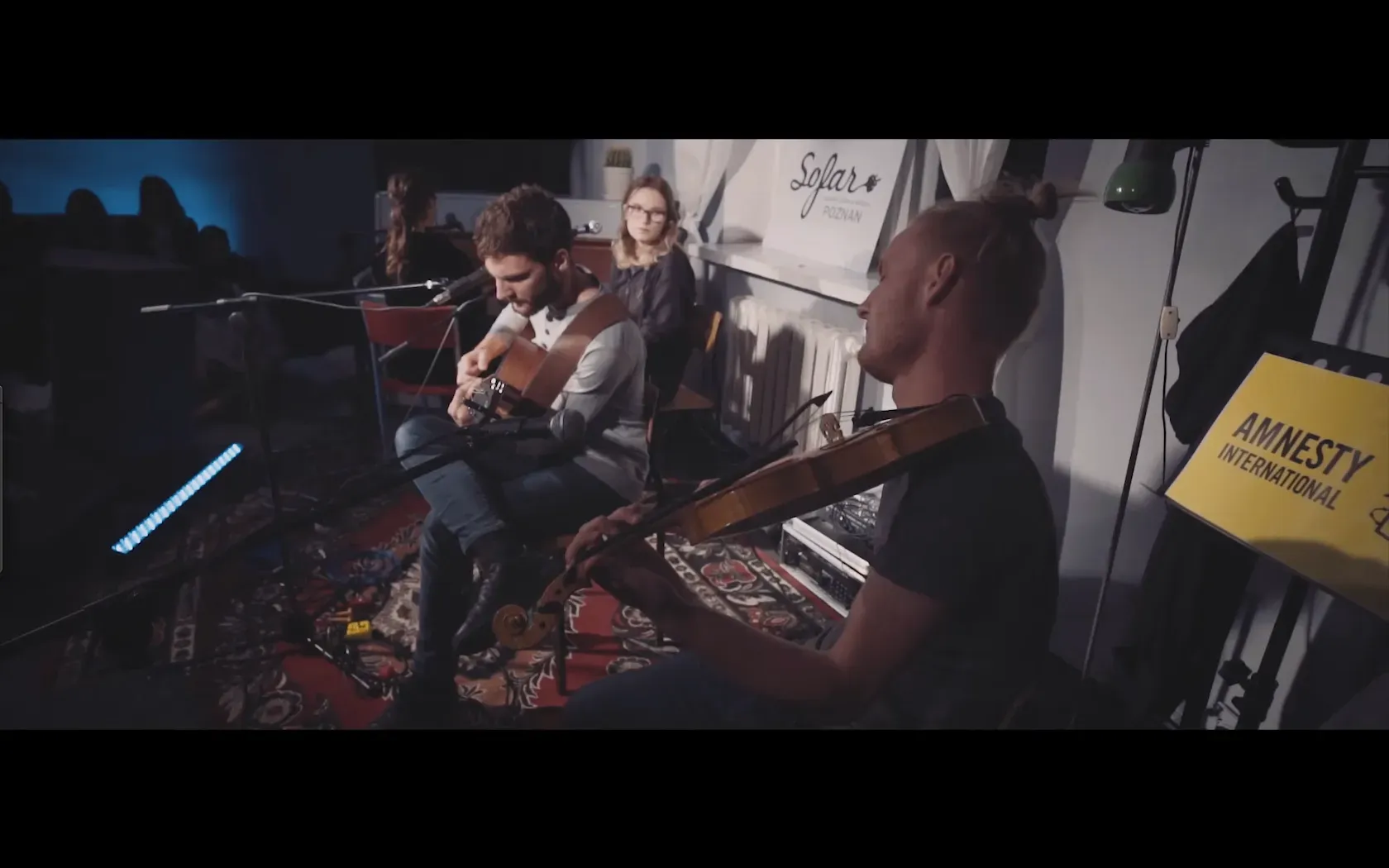
Many people are unaware of their potential, their true identity in God, and the purpose of their lives. As a result, they often fall for the world’s lies about them, leading to personal tragedy. Realising this, I established a cultural space offering a wide range of artistic workshops, exhibitions, concerts, film screenings, and live interviews with artists, musicians, and public figures—all free of charge and funded by City Hall and the Ministry of Culture. The impact was extraordinary...
Spiritualism and witchcraft
Another major issue is how children are drawn towards spiritualism and witchcraft through consumer culture. It is tragic that Halloween, a festival focused on darkness, is more widely marketed to children than Easter, which represents light. I can imagine hosting outreach events in London at this time of year, guiding young people to understand why playing with fire is extremely dangerous and pointing them towards Christ instead.
Using the enemy's tools
Growing loneliness, social media addiction, and the isolating effects of virtual reality and gaming culture are also major concerns. Support groups and retreats exist for those who have identified the problem, helping them reconnect with other people, nature, and God. But what about those who haven’t yet recognised the issue?
A great solution would be to use the medium itself:
Create interdisciplinary exhibitions in virtual reality, offering an immersive way to engage with faith.
Develop the first-ever Christian RPG video game, akin to Fallout or Cyberpunk 2077, that is both visually appealing and theologically sound, leading players to experience the Gospel through gameplay.
Summary
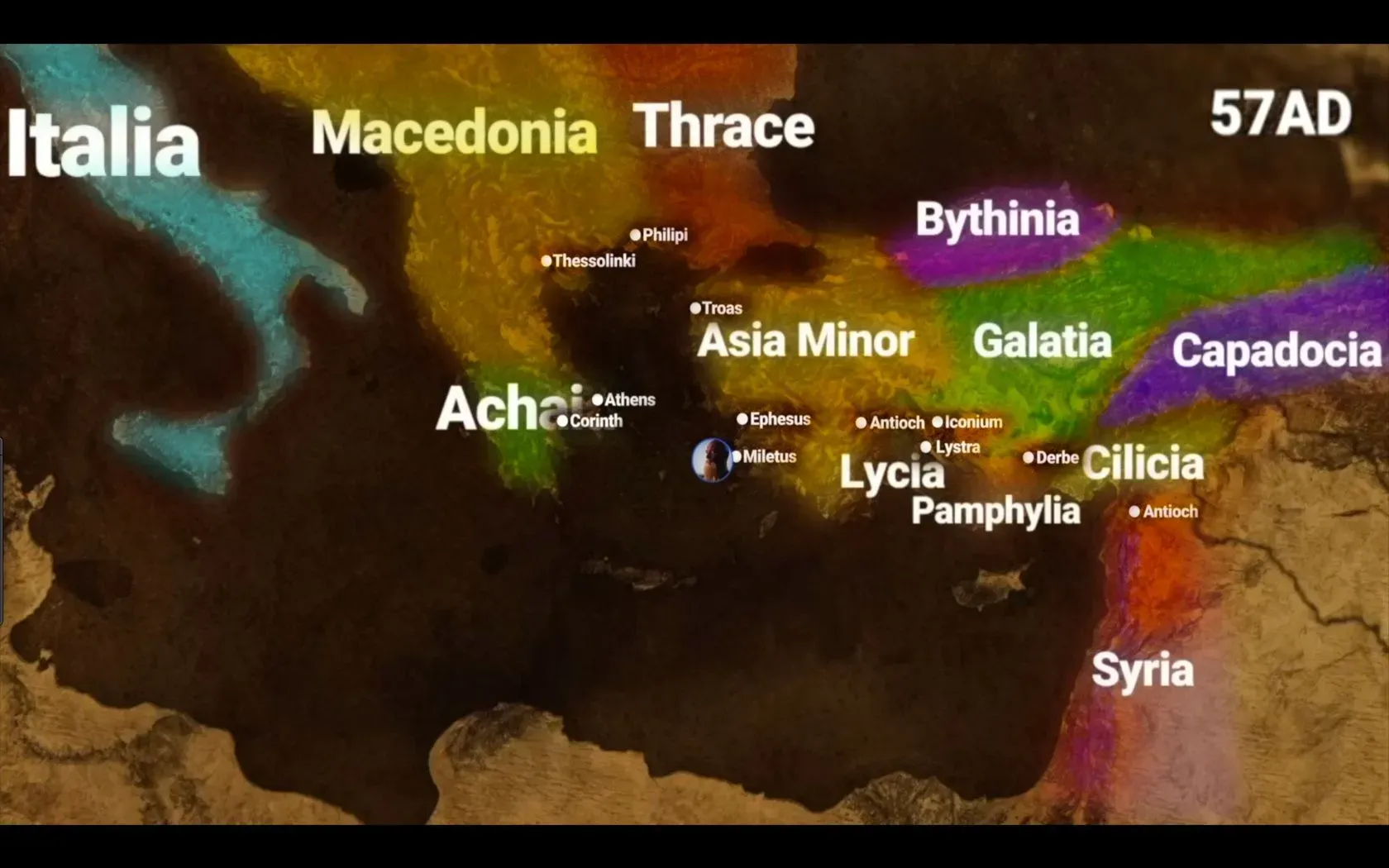
To be a Pioneer in The Salvation Army is, I believe, the same as it was for Paul the Apostle. After his personal encounter with Christ, he refused to compromise with darkness. Calling himself a soldier for Christ, he risked not only his comfort, reputation, and career, but his very life. With the boldness of a lion, he planted the banner of God’s Kingdom in unclaimed territory. He, along with many others, gave everything—but they emerged victorious, securing the greatest reward of all: an eternal relationship with our beloved God.
***
My involvement in the written work:
All content was written by me.