One-off Workshops in March

Teen girls' confidence bootcamp
£ 20
An energising program focused on building self-esteem, physical fitness, and self-defence skills specifically for teenage girls.
Meeting: Clissold Park cafe entrance, Saturday 28th, 2 pm.
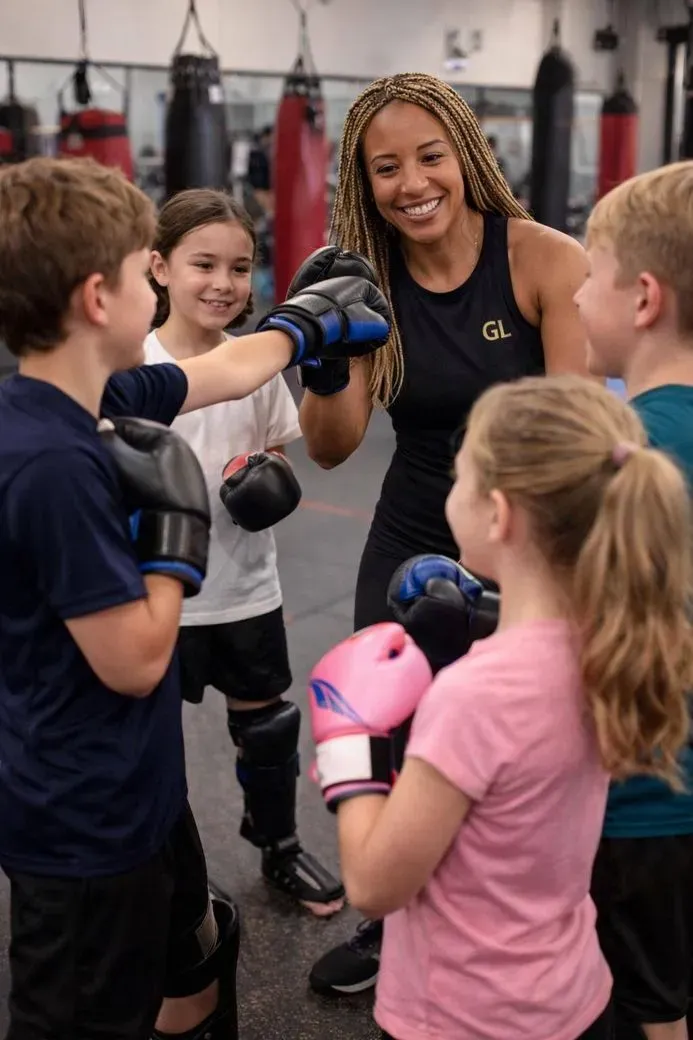
Children’s anti-bullying and safety workshops
£ 20
Interactive workshop teaching children between 7 and 9 years old practical skills to handle bullying and stay safe, combining fun activities with important life lessons.
Meeting: Clissold Park cafe entrance, Saturday 28th, 2 pm.

Start the March-April break feeling empowered
FREE to the community around Springfield Park
An open event offering self-defence demonstrations, safety talks, and empowerment activities for women in the local community.
Meeting: Springfield Park E5 cafe entrance, on Sunday 29th March, 10 am to 11 am.
Wellness & Mental Health through Body Movement

Wellness for Schools Staff and for Parents
Gemma was a teacher for 15 years. She knows schools' teams deserve support. So she's designed programmes combining fitness and wellness practices to restore depleted energy and vitality, and to relieve stress.
Imagine a team that leaves the school with a relaxed and happy face and arrives the next morning full of oomph.
Or imagine parents ready again to keep up with their children's infinite levels of energy.

Wellness for your Community
Whatever you define as your community, get fit and well together with Gemma, the sessions will be tailored to the groups' needs.
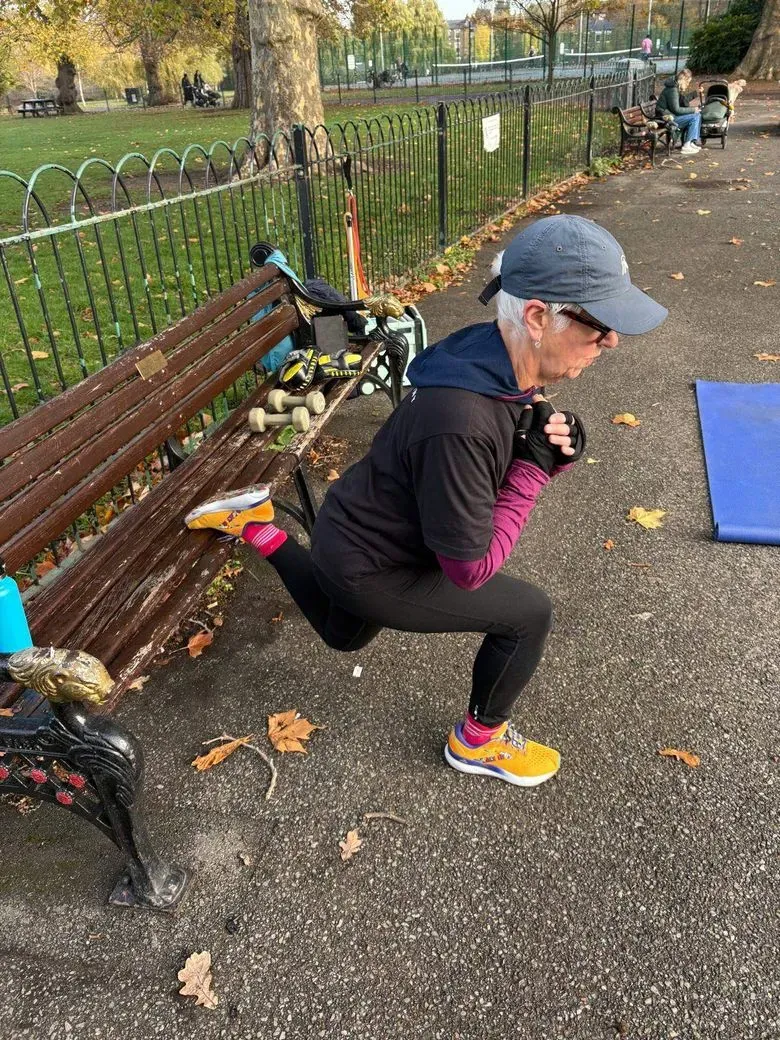
Wellness for You
One-to-one sessions to treat yourself to a mix of techniques that build internal strength and confidence, and nurture joy, leaving you with a sense of renewal and optimism.
Ongoing Group Sessions

Primary & Secondary schools after-school self-defence clubs
While I offer camps during holidays, during term time I work with children and teens in their own after-school clubs. You can ask your local school to book me.
I offer a safe, energetic program for KS1 through KS4 of self-defence, situational awareness, confidence-building and fitness.
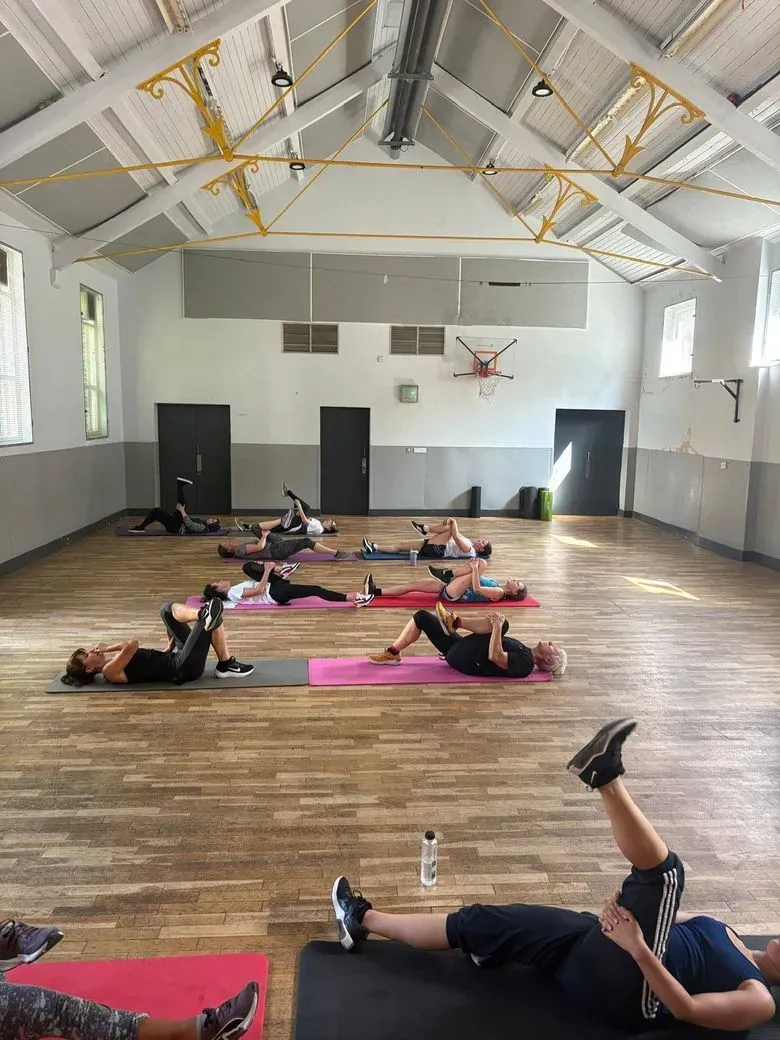
Friday's Fitness Free Taster Sessions
Free!
Fun Fitness sessions designed to boost strength, confidence, and resilience among women of all ages and abilities - no need to book in advance, turn up!
At Elizabeth House Community Centre, N5 1ED, every Friday during term time at 9.30 am.
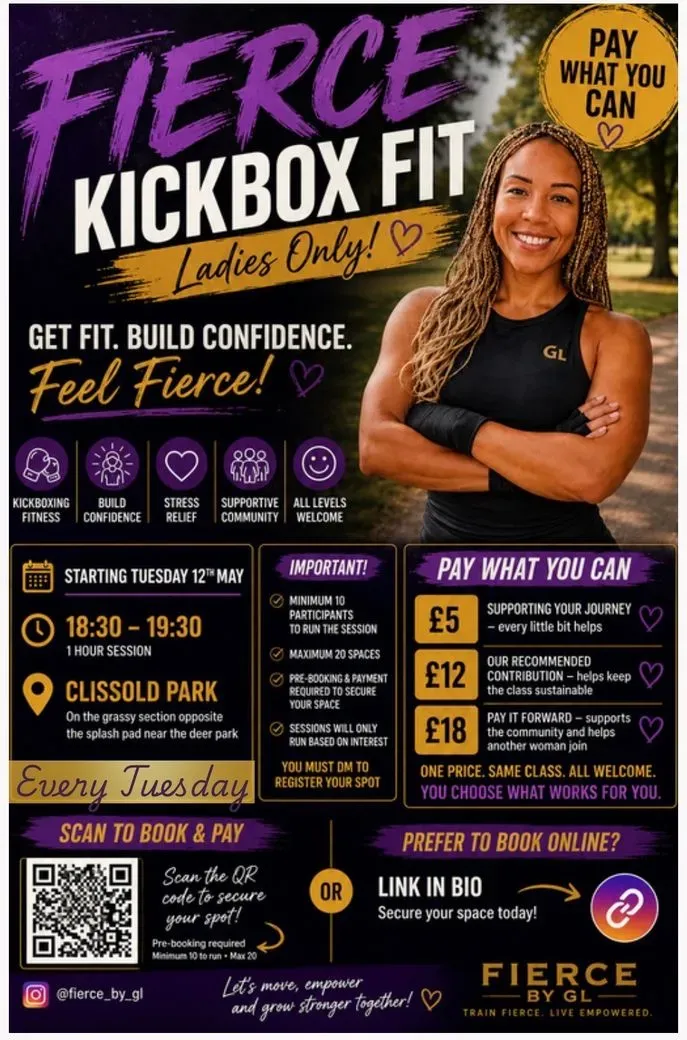
Women's Fierce Kick-Box Fit
Pay What You Can
Engage in active, fun, kick-box Fit sessions that promote strength, empowerment and confidence.
Clissold Park (Opposite the splash pad beside the deer park)
Tuesday's 6:30-7:30pm
How the female body loses weight - just facts, no fluff
Hello, Fierce friend, here’s an article from a previous newsletter to see what you'll get when you sign up for it. They are sent to help you progress in your wellness journey. Please share this information with those you feel would benefit. Let’s stay connected!
The female body rhythms and stages must be taken into account to manage our weight
1. The foundation: Caloric deficit
As you know, weight loss happens when the body burns more calories than it consumes.
A calorie deficit can be created through:
Reduced food intake
Increased physical activity
A combination of both
2. Hormonal influences on weight loss
Estrogen & Progesterone
Hormonal fluctuations throughout the menstrual cycle impact:
Hunger and cravings
Motivation and mood
Water retention and bloating
Cortisol
Elevated cortisol from stress can increase fat storage, particularly around the abdomen.
Insulin
Insulin resistance, especially common in PCOS, can make weight loss more difficult.
3. Fat Storage Patterns in Women
Women have higher essential body fat than men.
Fat is commonly stored in the hips, thighs, buttocks, and lower abdomen.
These areas are biologically designed to store fat and may respond more slowly to weight loss.
4. Muscle Mass and Metabolism
Women naturally carry less muscle mass than men.
Less muscle means a slower resting metabolism.
Strength training helps:
Preserve or build muscle
Increase calorie burn
Improve body composition
5. Life Stages Affect Fat Loss
Puberty
Natural increase in fat for reproductive development.
Pregnancy
Fat is stored for fetal development and breastfeeding.
Postpartum
Hormonal changes and sleep deprivation can impact metabolism and fat retention.
Menopause
Estrogen levels decline, often leading to increased abdominal fat and a slower metabolism.
Key Takeaways for Women
Strength training is essential.
Cycle tracking can help tailor training and nutrition.
Adequate protein intake supports fat loss and muscle retention.
Avoid extreme diets that stress the body and disrupt hormones.
Prioritise sleep and stress management to support hormone balance.
FEMALE FAT-LOSS GUIDE: Strong, Not Starved
Step 1: Determine Your Calorie Target
Estimate your maintenance calories using a BMR calculator and activity multiplier.
Subtract 300–500 calories per day for a sustainable fat loss rate.
Avoid dropping below 1,400–1,500 calories unless supervised by a professional.
Step 2: Use the Balanced Plate Method
¼ plate protein (chicken, tofu, eggs, beans)
¼ plate carbs (quinoa, oats, rice, potatoes)
½ plate of vegetables
Add healthy fats (olive oil, avocado, nuts)
Sample Day
Breakfast: Greek yoghurt, berries, chia seeds
Lunch: Grilled chicken, sweet potato, mixed greens
Dinner: Salmon, quinoa, roasted broccoli
Snacks: Protein shake, boiled egg, apple with peanut butter
Step 3: Combine Strength and Cardio Training
Strength training: 3 times per week
Focus on compound movements like squats, lunges, presses, and rows
3 sets of 8–12 reps per exercise
Cardio: 2–3 sessions per week
A mix of steady-state, interval training, or low-impact options like walking
Step 4: Sync Workouts with Your Cycle
Week 1–2 (Follicular and Ovulation)
Energy is higher, ideal time for intense strength and cardio sessions
Week 3–4 (Luteal and Menstrual)
Energy dips; focus on recovery, lower-intensity exercise, or lighter strength work
Increased appetite and cravings are normal—plan balanced snacks and meals
Step 5: Lifestyle Habits to Support Fat Loss
Sleep: 7–9 hours per night
Hydration: 2–3 litres of water daily
Stress management: use breathing techniques, journaling, or gentle movement
Limit alcohol and reduce caffeine if sleep or hormones are affected