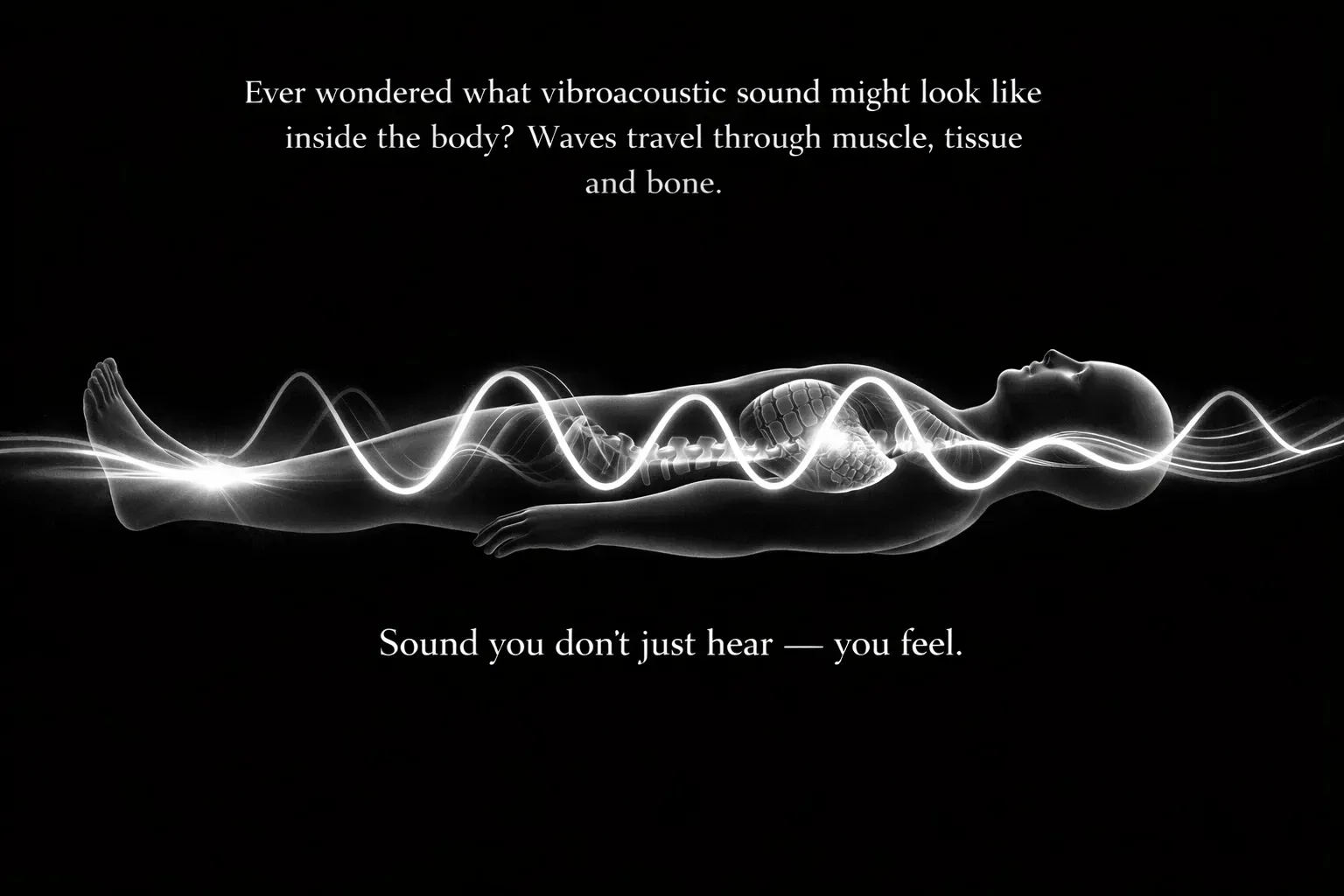
Vibroacoustic risks
High-Risk Conditions
Blood Clots and Deep Vein Thrombosis (DVT): This is the most critical risk. The vibrations can dislodge an existing blood clot, allowing it to travel to the heart, lungs, or brain, which could lead to a stroke or pulmonary embolism.
Bleeding Disorders: People with hemophilia or other bleeding disorders should avoid this therapy, as it can interfere with the body's ability to clot or worsen active bleeding.
Very Low Blood Pressure (Hypotension): Vibroacoustic therapy is known to naturally lower blood pressure. For those whose blood pressure is already dangerously low, a further drop can cause dizziness or fainting.
Recent Surgery: Because the therapy affects circulation and can reduce necessary blood clotting while healing, it is generally avoided immediately following surgical procedures.
Potential Physiological Effects
Research has shown that acute exposure to certain vibrations can lead to temporary changes in blood parameters, such as:
Increased Blood Viscosity: Some studies on hand-arm vibration suggest vibrations may increase blood thickness and thrombocyte (platelet) aggregation.
Cellular Changes: Acute exposure may temporarily increase the count of white blood cells (neutrophils) and red blood cell markers.
Vasodilation: The therapy helps widen blood vessels, which is beneficial for high blood pressure but risky for those with unstable circulatory issues.
Recommendation: If you have any history of blood clots, clotting disorders, or cardiovascular issues, you must consult a doctor before using a vibroacoustic table.