boy singing on microphone with pop filter

KT's Projects

Explore my diverse personal and professional projects that merge concerns about social justice and a healthy planet

About me

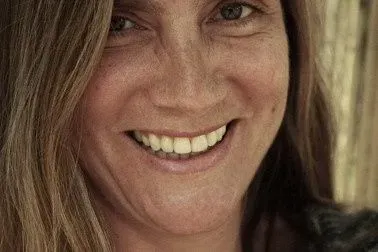
Katja Winkler

I'm a seasoned anthropologist with a keen eye for cultural detail. This page is about part of my work and life experience. It aims to guide you through my various professional and personal projects and share some of my impressions. I hope by doing so I'll be able to capture your interest and inspire you on your own searches.

Ideas put into action

Be invited on my journey through projects experiences and impressions.

Professional projekt showcases

Development work

in Guatemala

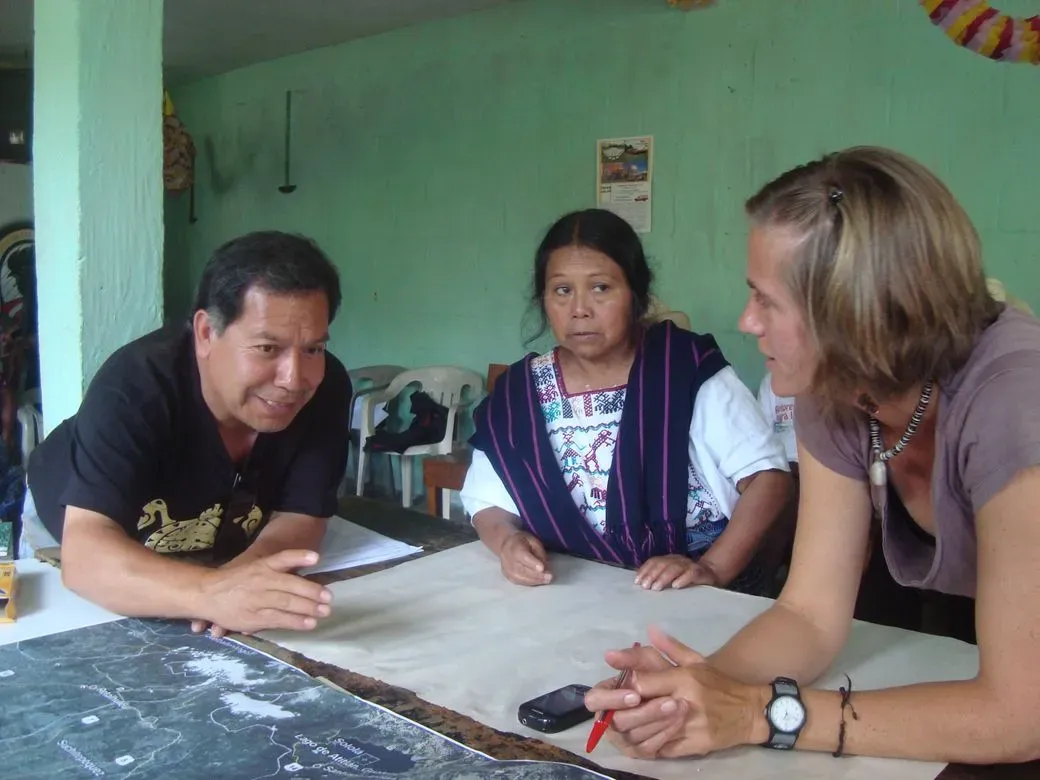
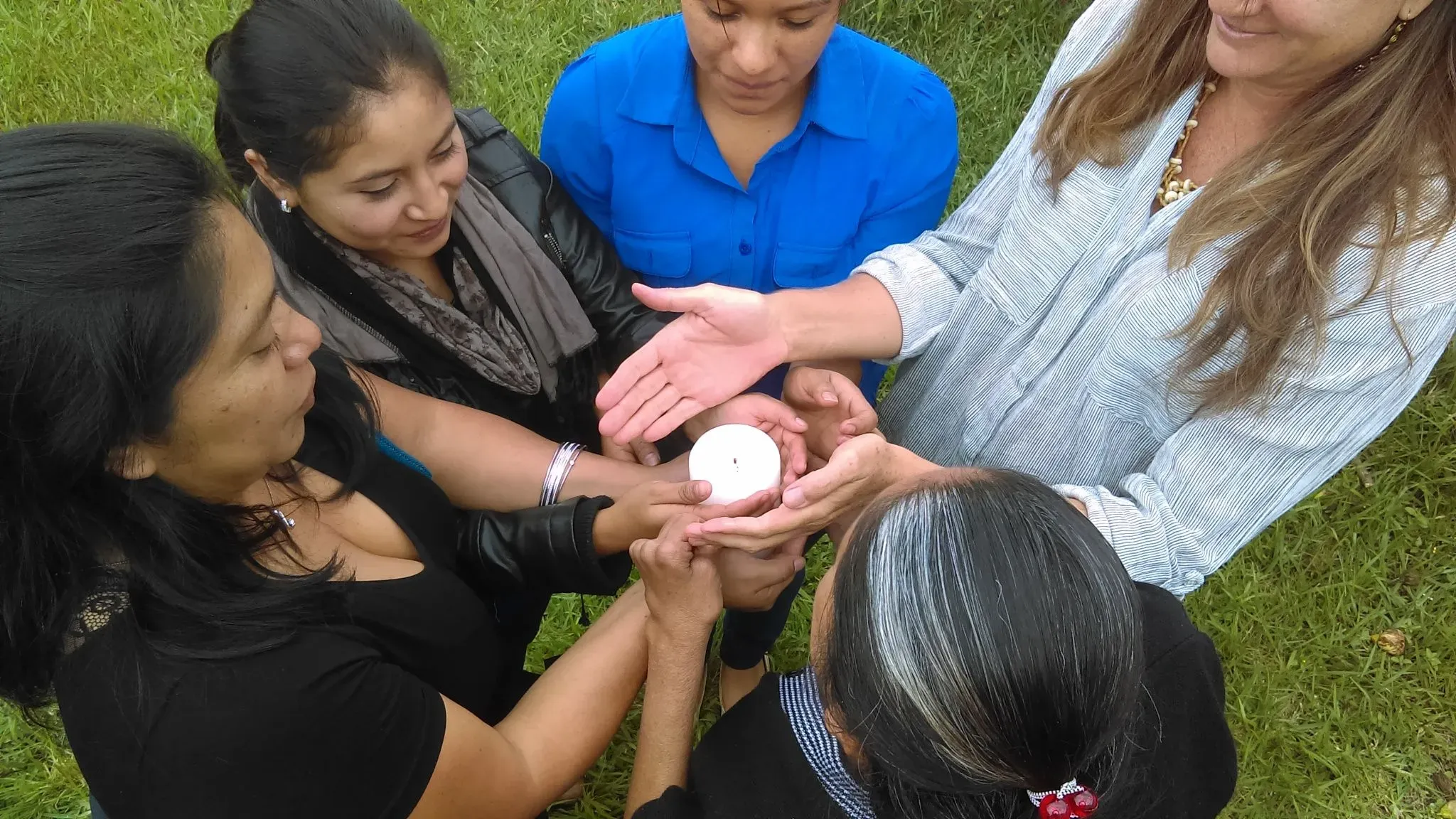
From 2007 to 2019 I was working as a development worker at IDEAR-CONGCOOP. I coordinated research projects on land rights for advocacy of grassroots organizations with relevant Guatemalan institutions.

My responsibilities:

  • Conflict analysis: managing research projects related to resource equity in rural development, land rights and territorial conflicts

  • organizational development: consultancies for non-governmental organizations, farmers' organizations, umbrella organizations, grassroots organizations and rural communities on optimizing work processes, knowledge management, strategic processes & fundraising

  • Adult education and qualitative research

  • Documentation for advocacy of indigenous rights over resources

  • Developing indicators for monitoring human rights and collective rights over land and indigenous territories

Teaching activities

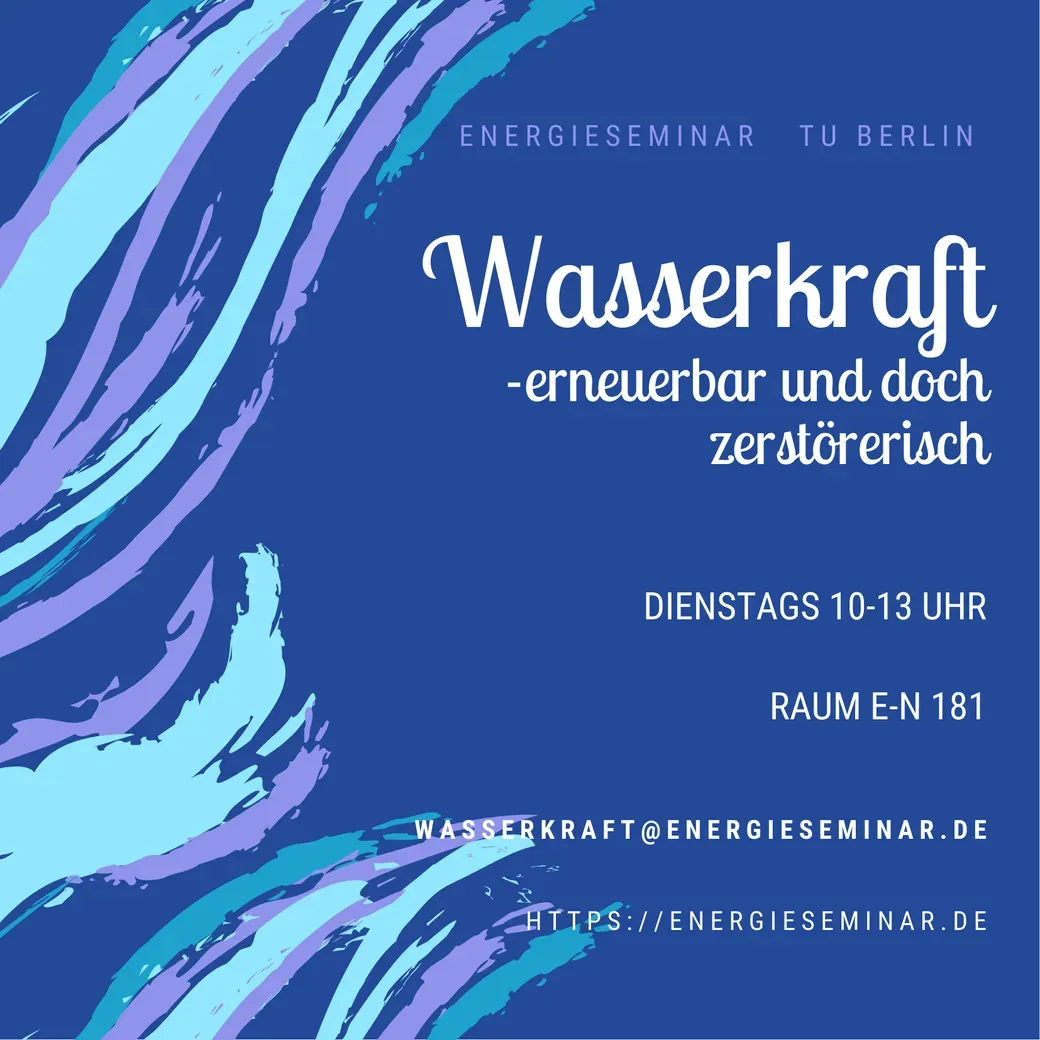
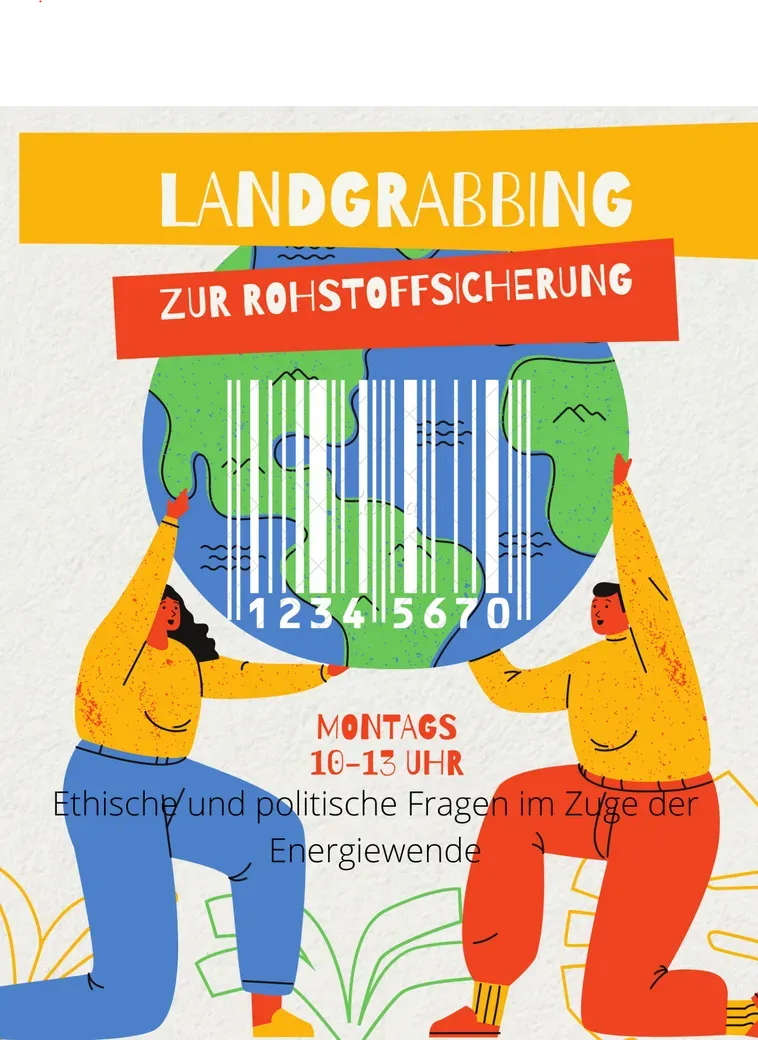
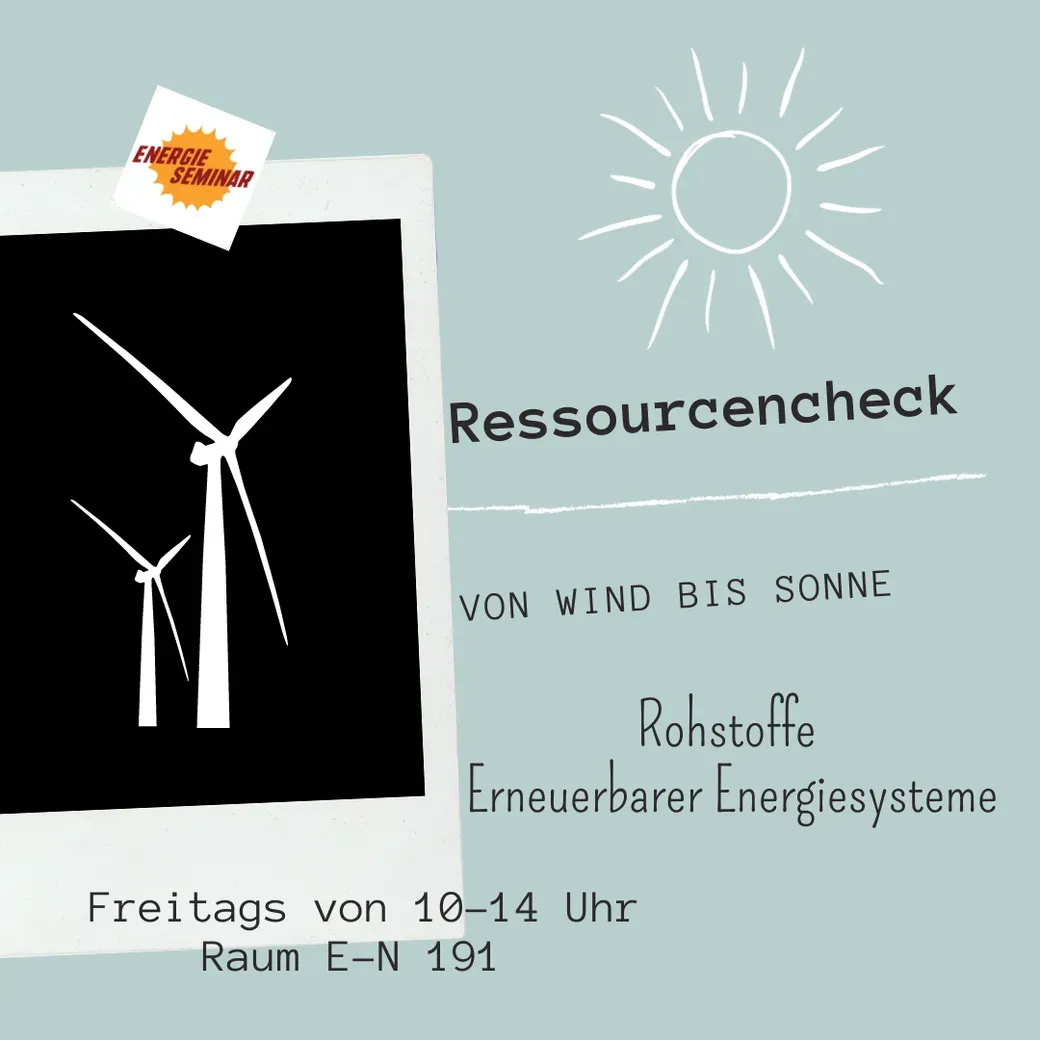
at the Energy Seminar, TU Berlin

As a Research Associate at the Technical University of Berlin (TUB) and the Energy Seminar, alternative didactics have been key.

My responsibilities:

  • Planning, organization and self-administration of teaching in an interdisciplinary team of the energy seminar

  • Didactic supervision of interdisciplinary student groups in theoretical and practical projects in the field of sustainability, renewable energy, environment and society by means of a participatory teaching format

  • Cooperation with internal and external institutions and initiatives on energy and the environment

  • Personnel administration

Publications

Showcase of publications that contain:

  • anthropological case studies

  • magazine compilation

  • monitoring human rights and collective rights over land and indigenous territories

  • parallel reporting

  • expert reports on cultural identity of indigenous groups for legal disputes over territories

Experiences from the field

Coordinating research projects in Guatemala

Mmost of the information gathering that I did -in both teamwork and on my own- was for the benefit of guatemalan grassroots organizations that could use the generated content for their arguments in defending their territorial claims over lands and the environment.

Organizational development

By doing so, I was advising non-governmental organizations, farmers' organizations and umbrella organizations, grassroots organizations and rural communities on optimizing their work processes.

Organizational development /is a strategic approach to improving an organization’s effectiveness, adaptability, and overall strength. It’s a critical and science-based process that builds the organizations’ capacity to change and achieve greater success by developing, improving, and reinforcing strategies, structures, and processes.

Didactics in adult education and qualitative research

I also transformed applied my social studies into didactic materials, so that people could take this sistematized knowledge and use it for their (political) purposes and strategic processes. Sometimes I supported by fundraising activities.

Proof-reading and editing

While I did my own research I also compiled collegues´research and was responsible for several publications on indigenous and territorial rights.

Advocacy

The body of evidence produced and gathered was used for shadow reporting at UN Publications of parallel reportings. It was also used in expert reports on cultural identity of indigenous groups for legal disputes over territories.

Indicators

A database with indicators for monitoring human rights and collective rights over land and indigenous territories was also created and part of my terms.

Thanks to Bread for the World and CONGCOOP in Guatemala City, as well as to all indigenous organizations that I worked with. Special thanks to CNOC and the inidgenous authorities of Sololá and Suchitepéquez.

Please visit the Guatemalan field impressions gallery for more visual content.

Things to do

project teaching

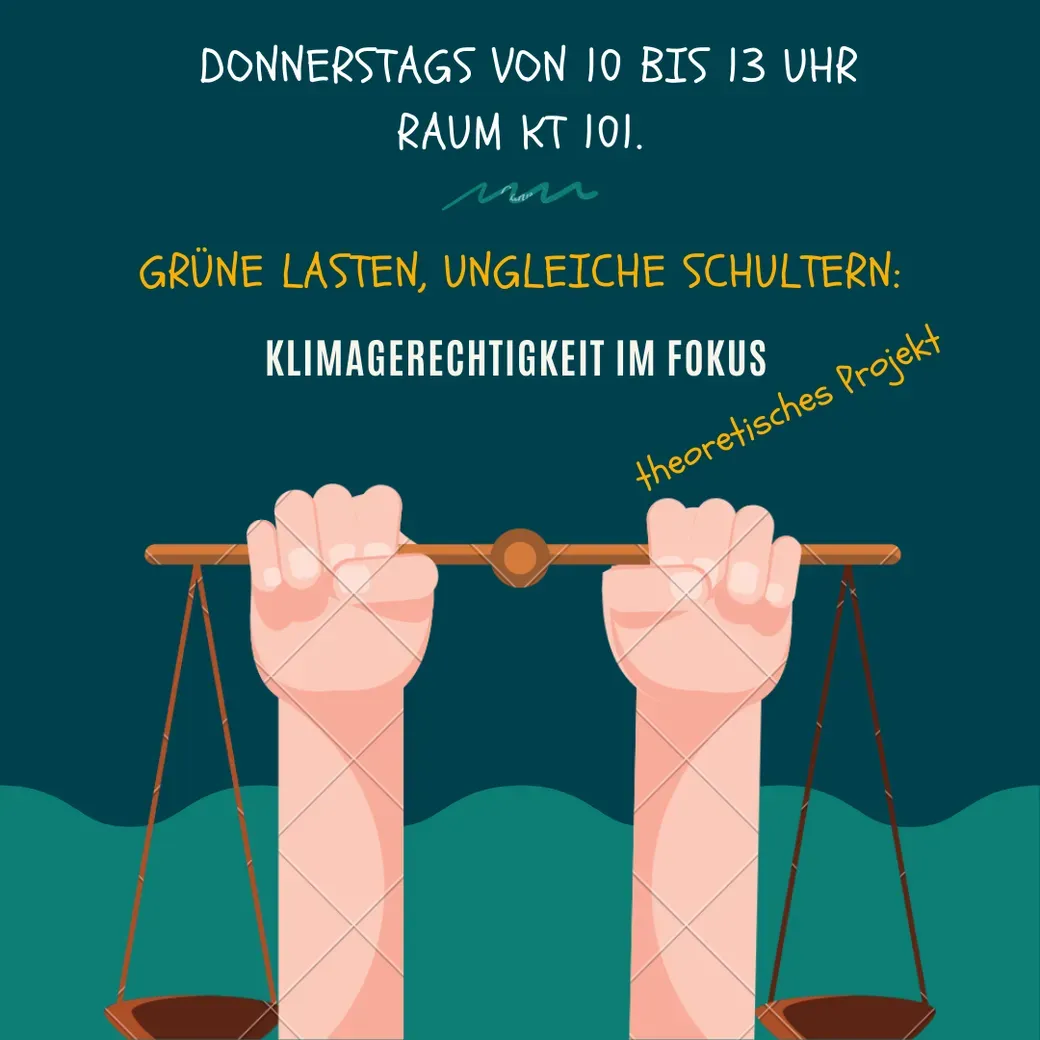
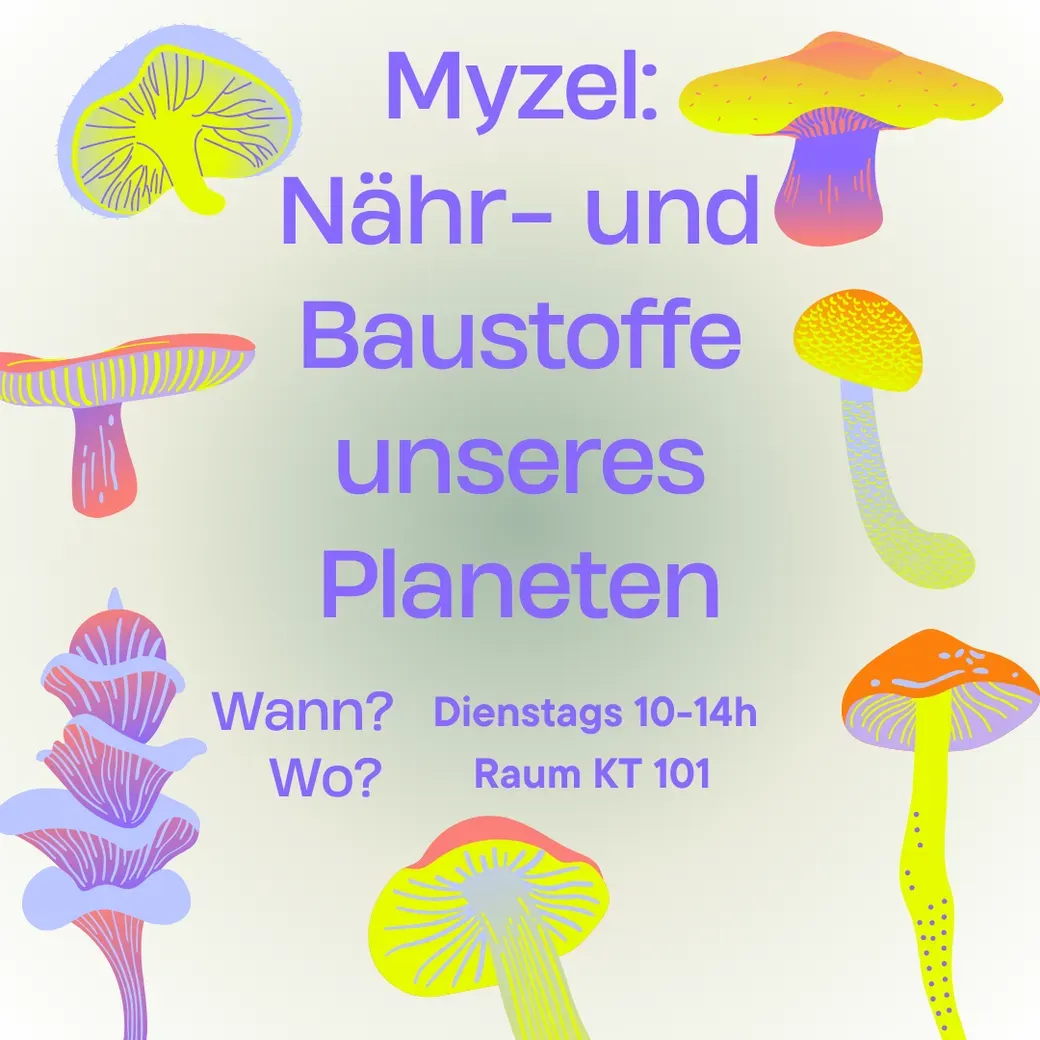
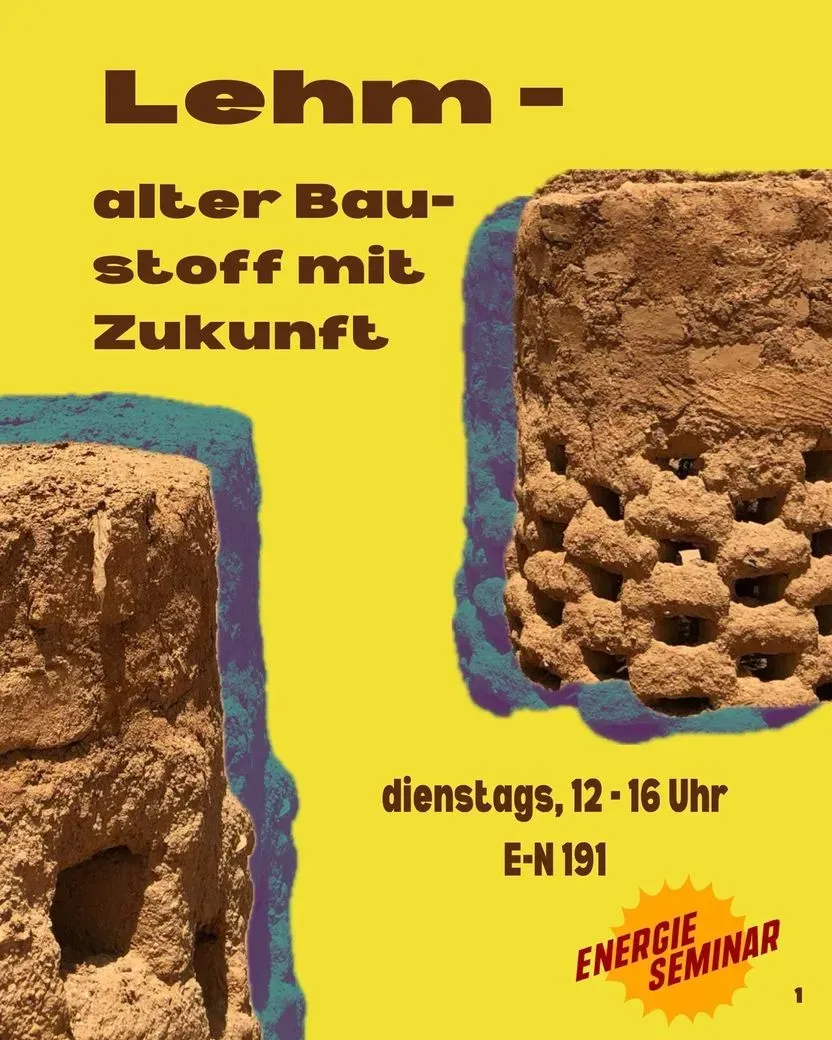
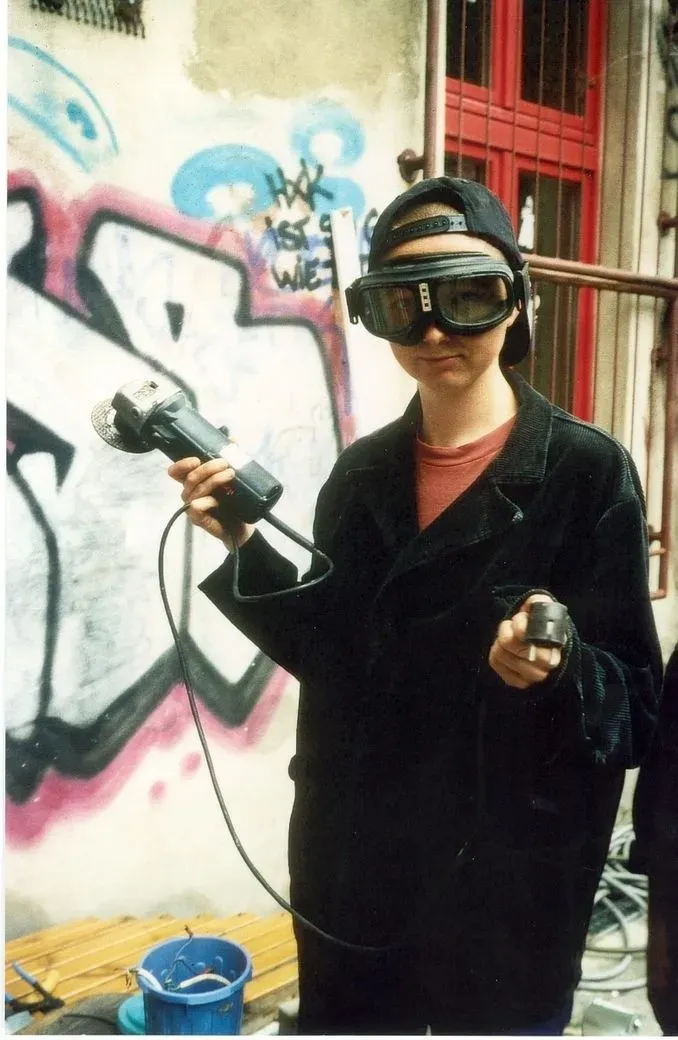
My experience in alternative teaching formats, such as worshops and student self-organized courses has helped me develop various tools for knowledge communication, such as publications of all kind, including websites and podcasts, documentations, scientific posters or social media posts. Thus, I have also accompanied various projects at the Energy Seminar at TU Berlin, which are offered each semester by students from various disciplines in a self-organized manner at the interface of (renewable) energy, the environment and society.

Sunday walk through Box Hill Farms in Duvall, WA. This beautiful, strong plant seemed to be a map of the world. Veined in a way that makes us relatable & not simply human.

web contributions from students and participants:

Personal projects

brown bamboo sticks on brown wooden table

As Biofuel Demand Grows, So Do Guatemala´s Hunger Pangs

An interview with the New York Times

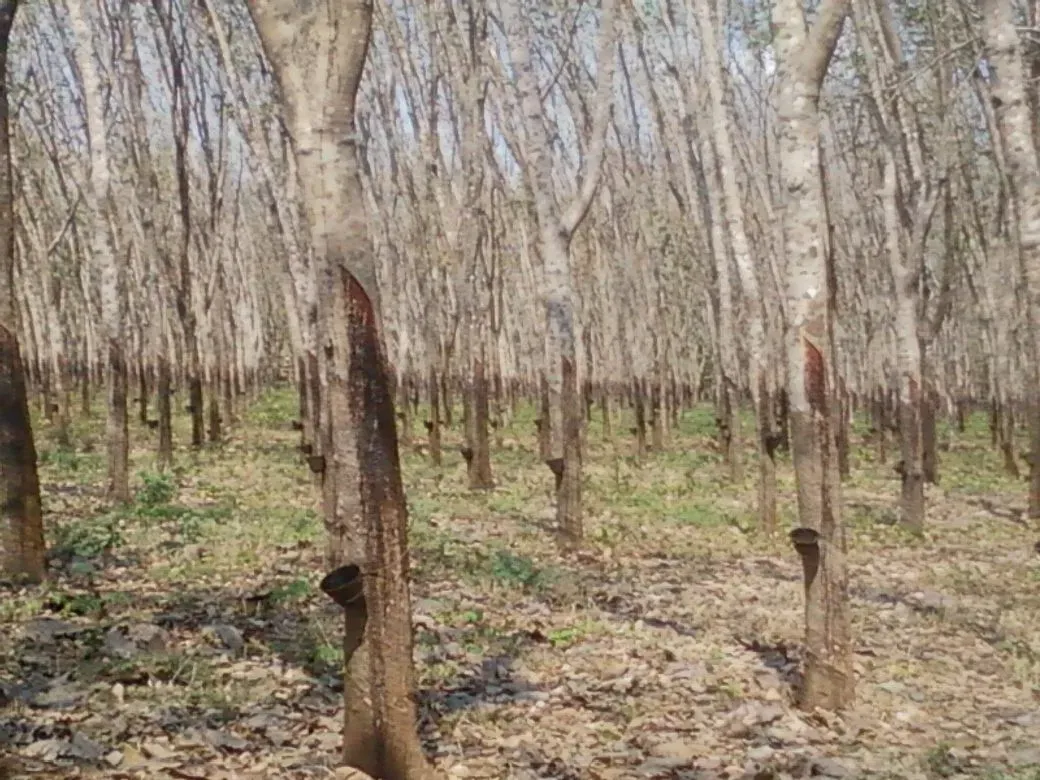
This article by Elisabeth Rosenthal in the New York Times focuses on food security of the Guatemalan population in the face of sugar cane and oil palm monocultures. I was one of the interviewees on this delicate food security issue.

Teaching as a very enriching experience

Interview with Katja by Transfer

An article on development work in Latin America and my reinsercion in Germany after being abroad.

February edition 02.2024

"Wissensschaft, Forschung und Lehre",

(pages 4-6)

At Lake Atitlán in Guatemala

Article about Guatemalan female weavers and their association by Tagesspiegel

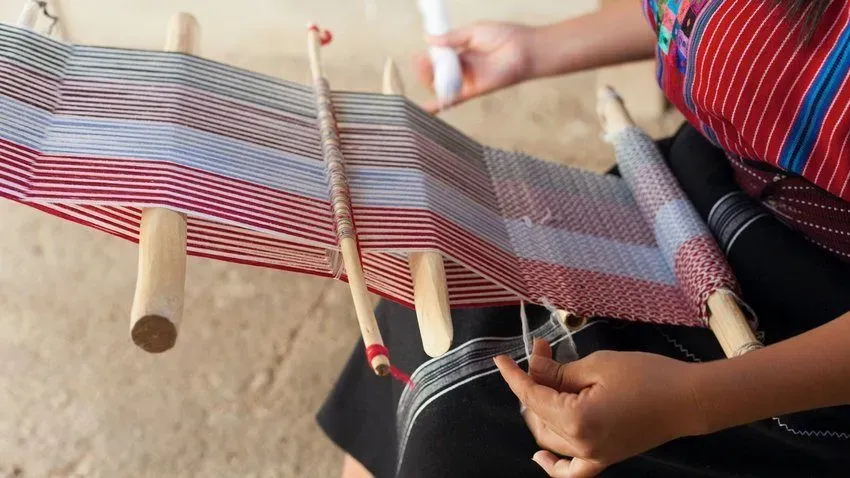
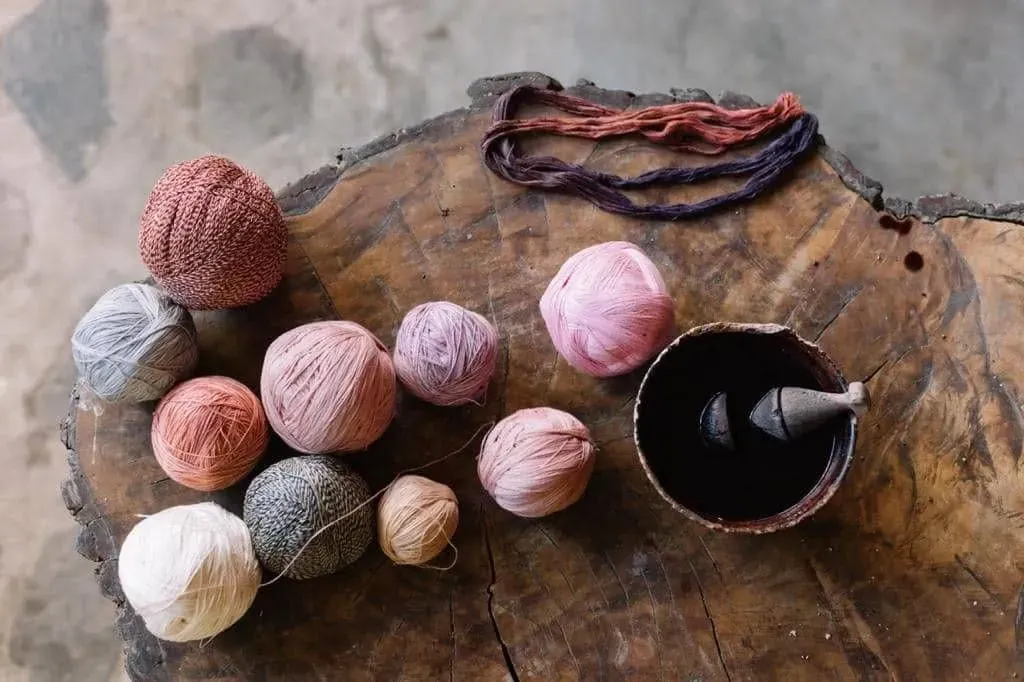
In the 2000´s, I was co-founder of a maya women´s association in San Juan La Laguna, Guatemala, for the traditional production of natural dyes for textiles.

Check out their start up and beautiful work on social media.

water with bubbles

Whose is the water in Guatemala?

Article for mexican La Jornada del Campo by Katja Winkler

In the context of generalized limitation of available water resources, Guatemala shows a precarious scenario, more for its management and distribution than for scarcity. The absence of institutions and regulation, frame the current perspectives of supply and demand based on the interests of domestic and transnational monopolies -mining, export-oriented agriculture, bottling companies- and the growing generation of electricity.

two sailboat decors

Transnational Corporations

Article for Biodiversidad Latinoamérica by Katja Winkler

Transnational Corporations - the new plundering ships of the Indies: perspectives of the Peoples Summit

Leather bound books

Book translation

Lama Ole Nydahl´s book "Fearless Death"

In 2015, I was very fortunate to be able to translate Lama Ole Nydahl´s book "Fearless Death" (2000) from its original German version into Spanish: "Sin temor a la muerte".

What it is about: For centuries Tibetan Buddhist masters have uncovered joy and meaning in the dying process. For them death is not a mystery. They know what will happen and see it as a great chance for spiritual development. Fearless Death makes their teachings accessible to the modern West.

Build collective dreams.

With the help of others and a heart.

video project on indigenous community resistance

This didactic video is based on my book La territorialidad tzutujil frente a la expansión de la cana de azúcar. For the making of this short film I was involved in the project idea, the story board, as well as the overall production process.

What it is about: In the face of the generalized expansion of monocultures, especially the sugar industry, land for growing food is becoming increasingly scarce, giving rise to dispossession and hunger in Guatemala. The good news ist that indigenous practices for managing ancestral territories still remain to this day. They offer ways to survive and resist the corporation´s landgrab.

This material has been used as a teaching tool for adults in indigenous communities that can not read or write. It has also been used for community work with grassroots organizations and in schools. It is available in Spanisch, Maya Tzútujil and English on youtube.

A Production of CONGCOOP's Institute of Agrarian and Rural Studies IDEAR 2014.

my video project on community work

This video highlights the community activities of people in Antigua against megaprojects and logging of Guatemala's beautiful rainforests.

©KatjaWinkler

Frequent reflections


There is no easy answer to the complex dynamic of the global south and the global north and its inequalities. These express themselves economically and also through environmental injustices that lead to a vicious cycle of environmental degradation.


It doesn´t need to be that way. System change is inescapable. Meanwhile, efforts can be made supporting local resource management organization initiatives. Other options are raising awareness by providing information and support so that people empower themselves. And let´s not forget to check our personal level of consumption. Keeping the balance contains great power!


Do we know anything about their production processes or the value chain they are part of? Are people and other living creatures being harmed by our consumption? it is worth finding out....


I see the human being as one more species in the planetary ecosystem. Each of the species has its key importance for the overall flow. Human existence is intimately intertwined with the environment and depends on it. Even though interesting new forms of existance are currently being developed in biotechnology, people still depend on ecosystems for their livelihood. The more we know and value this interaction with our natural environment, the more prepared we will be to survive as a species. It is here where millenary cultures can teach us and give us a guideline.


Culture provides the lens for how people perceive the world. Thus, every cultural expression and longing is a key to participation and share. So are the various forms of local organization around a resource and around a territory.


As experienced by many local indigenous populations, as well as established by extensive studies, environmental health is the result of collective action. Communally managed agriculture, forests and water bodies generally persist over time, as long as rules and management rights are in place.


Let´s dive into this cuestion by finding out what indigenous people´s organizations say about how to manage and administer their own lands and territories.


Simply reach out through the contact form or email. I´ll be happy to get back to you.


KT´s Contact Section

Additional recommended websites

Amber Glass Candle Jars, Download PSD mockups here - https://crmrkt.com/EGobrg

A family project

Visit my fater´s scented candle project with my brother´s visionary input.

As a masterperfumer, my father has developped a lot of scented products. His latest creation is a luxury high end series of scented candles.